


Business playbook powerpoint presentation slides





Try Before you Buy Download Free Sample Product
 Impress Your
 Audience
 100%
100% Editable
 Save Hours
 of Time


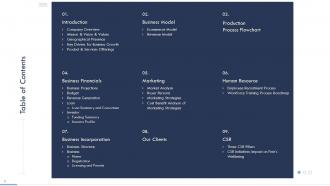
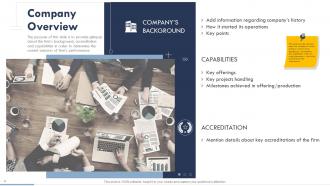
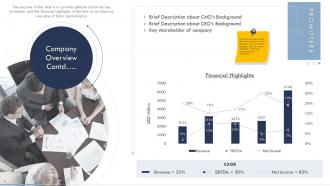
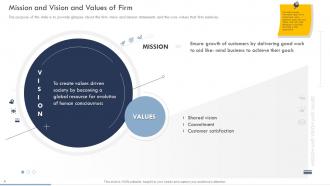
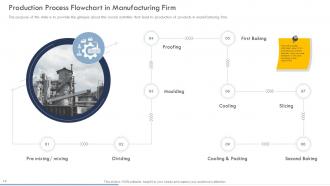
In this highly competitive market, every business enthusiast wants to promote a business that leads them to a more profitable direction. For this, they need a complete guide that covers all the processes, policies, and operating procedures of the business. Introducing our content ready Business Playbook PowerPoint Presentation Slides that is filled with all the documented policies and guiding tools that will scale your business to the next level. With the aid of this eye-catching business playbook PPT layout, you can explain the benefits and features of your products to grab the attention of the target audience. Take the assistance of our business playbook presentation template and elaborate on all the business-related information that makes it easy for your employees to understand. You can also use this business paybook PPT slide to provide a glimpse of the crucial manufacturing activities through the production process flowchart. Run your business smoothly and efficiently by downloading our ready-to-use business playbook PowerPoint presentation template.
People who downloaded this PowerPoint presentation also viewed the following :
Business playbook powerpoint presentation slides with all 53 slides:
Introduce interesting fun and games with our Business Playbook Powerpoint Presentation Slides. Enable children to feel joy.







FAQs for Business playbook
Focus on the basics that'll stop you from reinventing everything constantly. Document your go-to-market approach, the metrics you're actually watching, and standard processes for hiring and onboarding customers. Product development workflows too. Company culture stuff sounds cheesy but honestly it helps when you start growing fast. Create templates for the things you do over and over - sales decks, investor updates, meeting agendas. That kind of stuff. Start with what you need now and add more when your team keeps asking the same questions or hitting the same decisions repeatedly.
Honestly, having a playbook is a game changer for teams. Everyone speaks the same language and follows the same processes, so you're not dealing with constant "wait, how do we do this?" moments. New hires can actually figure out what they're supposed to do instead of wandering around confused for weeks (been there). Your team stops reinventing the wheel every time. I'd start with whatever you do most often - like your main workflow or client onboarding process. Then just add more as you go. Way less chaos overall.
Honestly, the worst thing you can do is go overboard with detail. Nobody's reading a 50-page manual, trust me. Keep it simple - maybe 5-10 core processes max. Also don't write it once and call it done. Your team changes, processes shift, so update the damn thing regularly. I made the mistake of trying to cover every weird edge case that might happen... huge waste of time. Focus on your bread-and-butter workflows instead. Oh, and actually pay attention to what your team keeps asking about - that's what belongs in there, not some random process you used once two years ago.
Honestly? Most people just write these things and then totally forget about them - don't be that person. I'd say check yours every quarter, but definitely update it whenever you change how you actually do things. There's nothing worse than having docs that don't match reality. Set a calendar reminder or you'll never remember (learned that the hard way). If your market shifts or you get new tools, update it then too. Don't wait for your annual review if things are obviously out of sync. Treat it like it's alive, not some dusty manual nobody reads.
Honestly, your business playbook is like a cheat sheet for new hires. Instead of them bugging five different people for the same info, they get everything in one spot - processes, standards, the whole deal. You can map out learning paths and show them how their job actually matters. Way better than having your best people explain the basics repeatedly (though face-to-face stuff still counts). Oh, and don't dump the entire playbook on them day one. Pick the must-know sections for each role and work those into your onboarding flow. Makes everything smoother.
Think of a business playbook like having a fire extinguisher - you hope you'll never need it, but when shit hits the fan, you're not scrambling around figuring out basic stuff. It maps out who does what, how to communicate, decision trees for different scenarios. That whole "I work better under pressure" thing? Total myth for most of us. When there's a real crisis, people freeze up or make terrible choices. Your playbook lets the team move fast without those painful "emergency meetings about having meetings." Just don't let it collect dust - update it when you learn new lessons, otherwise it's useless.
Templates are honestly a game-changer for business playbooks. People process visuals way faster than dense text blocks - I mean, who wants to read paragraphs when you could have a clean flowchart? When your whole team uses the same formats for processes and metrics, there's way less confusion. Everyone's on the same page immediately. They also force you to think through stuff more clearly, which is surprisingly helpful when you're mapping out complex workflows. I'd start with maybe 3-4 basic ones for your most common situations. You'll probably see people actually start using the playbook once it doesn't look like a boring manual.
Track both leading and lagging indicators that match your playbook goals. Revenue growth, customer acquisition cost, conversion rates, retention - those are your main lagging ones. Leading indicators? Pipeline velocity, engagement rates, adoption metrics. Basically anything that hints at future performance. Don't get obsessed with tracking everything though - I've seen teams drown in data they never use. Pick maybe 5-7 KPIs that actually help you make decisions. Simple dashboard, weekly team reviews. The whole point is catching problems early enough to actually do something about them.
Yeah, definitely doable! Start with your main company values as the base, then let each department build out their own sections. Sales will want their lead processes, HR needs onboarding stuff - completely different worlds but same company standards. Keep your brand voice consistent across everything though. Department heads should own their sections and update them every quarter or so. Actually works pretty well once you get it rolling - just don't let it become this massive document nobody reads. Each team can go deep into their specific tools while staying connected to the bigger picture.
Honestly, just pick one central spot - Confluence, Notion, whatever your team already uses. Set up permissions so not everyone can mess with it (learned that the hard way). Give sections clear names and make sure search actually works. You'll want someone to own the whole thing, otherwise it turns into a ghost town real quick. Send updates when stuff changes - people forget to check otherwise. The naming thing is huge though. Nothing worse than finding three different versions called "playbook_final" and "playbook_ACTUAL_final." Trust me on that one.
So basically, a business playbook connects your big company goals to what people actually do every day. Instead of everyone just winging it, you're giving them step-by-step directions - kind of like GPS but for work processes. Each person can see how their job fits into the larger picture, which honestly makes such a difference for team alignment. Map out your main processes first, then tie each one back to a specific goal you're trying to hit. It's way less complicated than it sounds once you get started.
Honestly, the best part is getting input from everyone who'll actually use the thing. Your team will catch gaps you'd never think of - trust me on this one. People follow processes way better when they helped build them, it's just human nature. Updates happen faster too since multiple people can jump in and fix stuff when things change. Oh, and start with something simple like a shared Google doc or wiki. Give editing access to the key people from each department, but maybe don't let *everyone* edit or it'll be chaos. Been there.
Ditch those boring bullet points and throw in real stories instead. Like, show how Sarah from marketing actually handled that client meltdown using your process. Our brains are wired to remember stories way better than step-by-step lists - it's weird but true. Add customer wins, epic fails (with what you learned), maybe even why the founder created certain rules. I'd start sections with stuff like "So this one time..." or "Here's what went down when..." Makes it feel more like you're chatting with someone rather than reading some corporate manual, you know?
So many companies mess this up - don't accidentally create binding contracts or employment policies that'll bite you later. IP protection is huge if you're documenting any proprietary stuff or trade secrets. Industry compliance requirements matter too, obviously. Oh, and data privacy regs if you handle customer info (which honestly gets more complicated every year). Short sentences work. Mix in some longer ones that flow naturally when you're explaining the trickier bits. I'd definitely have legal review it before you roll it out - way easier than dealing with problems after the fact.
Your playbook basically becomes the backbone of your culture – it shows people what you actually value, not just the motivational posters on the wall. Clear processes and expectations help everyone align around the same practices. Think of it as a North Star, especially when you're growing fast and can't personally train every new hire. Here's the thing though – make sure it reflects the culture you want, not just what exists now. Honestly, I'd start small. Pick one important process, document it really well, and watch how it shapes behavior. You'll be surprised how much clarity matters.
No Reviews