


Business Strategies Powerpoint Presentation Slides






Try Before you Buy Download Free Sample Product
 Impress Your
 Audience
 100%
100% Editable
 Save Hours
 of Time


Unveil the long-term goals of your business using our content-ready Business Strategies PowerPoint Presentation Slides. Take advantage of these strategic management PPT templates to show the core competencies of your organization like communications, thinking, personal split, teamwork, etc. Take the assistance of this corporate strategy PPT template to undertake a budget analysis of your organization. Present the key initiatives to be undertaken by numerous departments like sales, marketing, R&D, operation, employee, finance, and admin using this long-term goal PowerPoint deck. Portray the project timeline chart as well as the fund allocation for numerous activities including water treatment, CIP expenditures, equipment replacement, etc. Use these organizational goals PowerPoint visuals to represent the main success indicators like revenue growth and employee cost reduction. Utilize these strategic plan PPT layouts to unveil the internal environment factors, contingencies, strategy articulation, initiatives, and financial projection, amongst others. Therefore, download our ready-to-use Business Strategy Powerpoint Presentation Slides to implement groundbreaking strategies for best performance and growth.
People who downloaded this PowerPoint presentation also viewed the following :
Content of this Powerpoint Presentation
Slide 1: This slide introduces Business Strategies. State your company name and begin.
Slide 2: This slide showcases outline of Business Strategy Presentation.
Slide 3: This slide presents Executive Summary.
Slide 4: This is Mission-Vision-Values slide. Showcase your vision statement, mission statement and values.
Slide 5: This slide presents Management Board-Organization Chart.
Slide 6: This slide displays Targets for the Next Business Quarter.
Slide 7: This slide showcases Value Proposition such as- Products, Customer, Features, Benefits, Experience etc.
Slide 8: This is Marketing Plan Objectives slide.
Slide 9: This slide represents Broadcast Media such as- Direct Mail, Web Ads, Print Ads, Business Cards etc.
Slide 10: This slide describes Brand Promotion Strategies for Engagement.
Slide 11: This is Brand Promotion Template slide.
Slide 12: Look to your Competition
Slide 13: This slide presents Core Competencies.
Slide 14: This slide displays Product Feature Comparison.
Slide 15: This slide presents Annual Budget.
Slide 16: This slide represents Financial Summary with assets and revenues.
Slide 17: This is Company Sales & Performance Dashboard slide.
Slide 18: This slide displays Financial Projections for Strategic Planning.
Slide 19: This slide represents Actual Versus Target Revenue.
Slide 20: This slide displays Funding Requirement.
Slide 21: This slide presents Debt Service.
Slide 22: This slide showcases Recruitment Plan for HR Department.
Slide 23: This slide depicts Operational Plan displaying Deciding Team Initiatives & Strategies.
Slide 24: This slide represents Project Timeline Chart.
Slide 25: This slide presents SWOT Analysis.
Slide 26: This slide presents New Revenue Streams.
Slide 27: This slide displays Formulating a New Business Model.
Slide 28: This slide represents Market Expansion & Growth of different countries.
Slide 29: This slide showcases Business Strategic Plan including- Market Development, Process Improvement, People Development, Product Development, Expand regulator market reach, Increase customer visits by engineers, Review distribution strategy, Implement lean process etc.
Slide 30: This slide represents Strategic Plan Development.
Slide 31: This slide presents Key Success Indicators Dashboard displaying revenue growth, employee cost reduction, increase in direct cost.
Slide 32: This is Business Strategies Icons Slide.
Slide 33: This is Coffee Time slide. Take 10 min break
Slide 34: This slide is named as Additional Slides for moving forward.
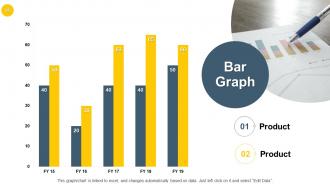
Slide 35: This slide displays Bar Graph of two products.
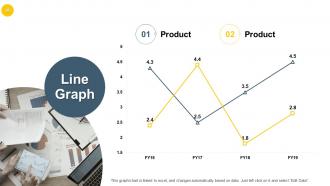
Slide 36: This slide showcases Line Graph.
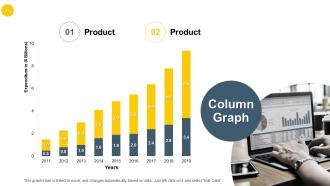
Slide 37: This slide dispalys Column Graph.
Slide 38: This is OUR TEAM slide with names and designation.
Slide 39: This is About Us slide with company specifications.
Slide 40: This is Our Goal slide.
Slide 41: This is Our Mission slide. Showcase vision, mission and goal.
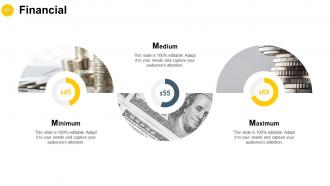
Slide 42: This is Financial slide.
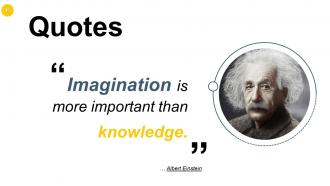
Slide 43: This is Quotes slide. You can write important quote here.
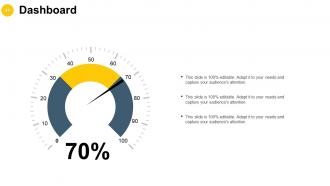
Slide 44: This is Dashboard slide.
Slide 45: This slide presents Idea Generation.
Slide 46: This is Thank You slide with Email address, Contact number and address.
Business Strategies Powerpoint Presentation Slides with all 46 slides:
Fly into the future with our Business Strategies Powerpoint Presentation Slides. Get off the ground with a big advantage.
-

Business Strategies
-
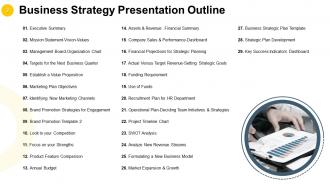
Business Strategy Presentation Outline
-
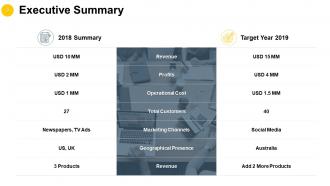
Executive Summary
-
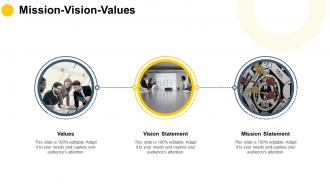
Mission Vision Values
-
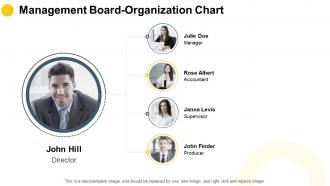
Management Board Organization Chart
-
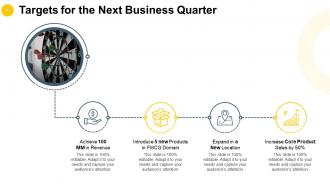
Targets for the Next Business Quarter
-
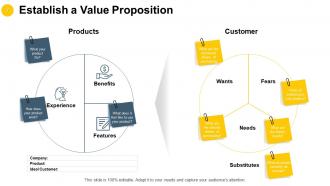
Establish a Value Proposition
-
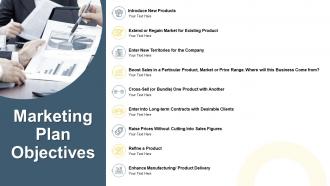
Marketing Plan Objectives
-
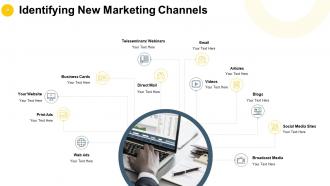
Identifying New Marketing Channels
-
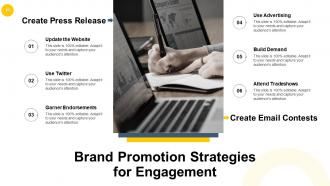
Brand Promotion Strategies for Engagement
-
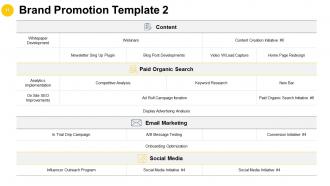
Brand Promotion Template 2
-
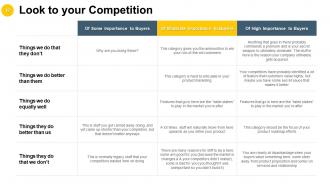
Look to your Competition
-
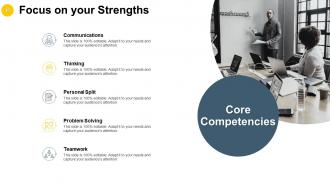
Focus on your Strengths
-
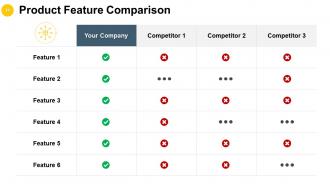
Product Feature Comparison
-
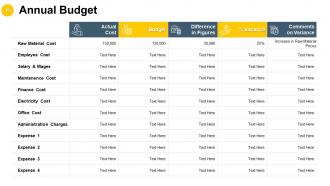
Annual Budget
-
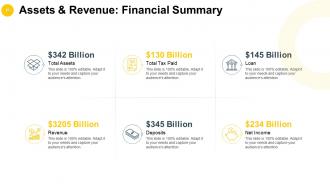
Assets Revenue Financial Summary
-
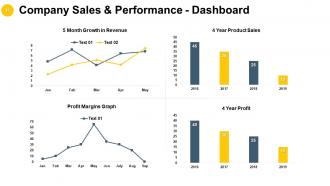
Company Sales Performance Dashboard
-
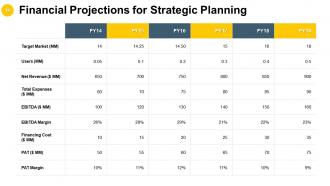
Financial Projections for Strategic Planning
-
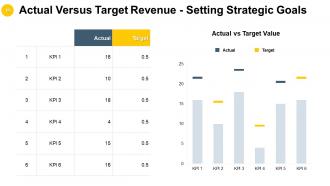
Actual Versus Target Revenue Setting Strategic Goals
-
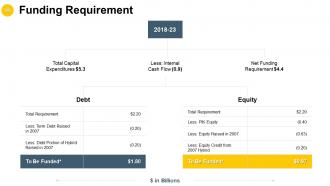
Funding Requirement
-
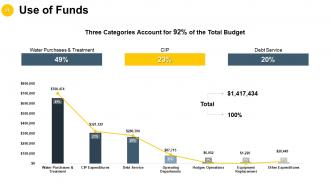
Use of Funds
-
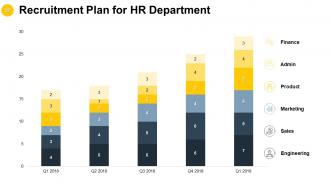
Recruitment Plan for HR Department
-
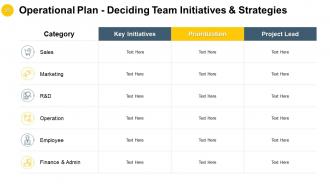
Operational Plan Deciding Team Initiatives Strategies
-
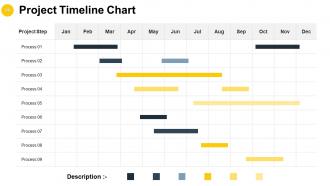
Project Timeline Chart
-
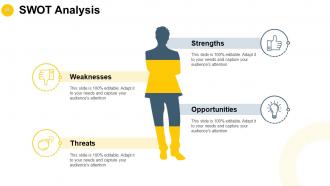
SWOT Analysis
-
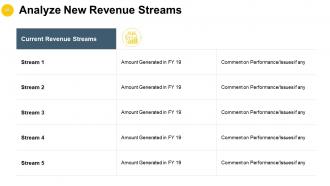
Analyze New Revenue Streams
-
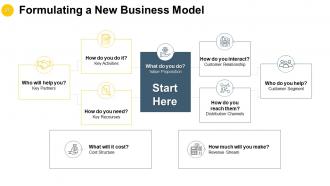
Formulating a New Business Model
-
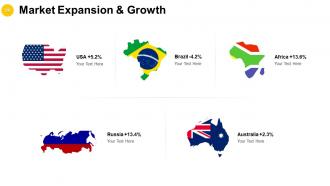
Market Expansion Growth
-
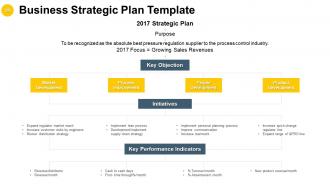
Business Strategic Plan Template
-
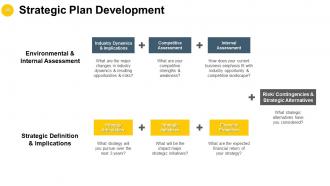
Strategic Plan Development
-
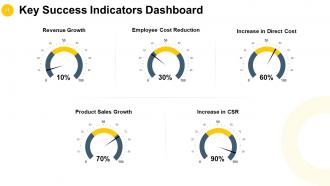
Key Success Indicators Dashboard
-
Business Strategies Icons Slide
-

Coffee Time 10 min break
-
Additional Slides
-
Business Strategies
-
Line Graph
-
Business Strategies
-

Our Team
-
About Us
-
Our Goal
-
Our Mission
-
Financial
-
Quotes
-
Dashboard
-
Idea Generation
-

Thank You
FAQs for Business Strategies
Honestly, do your homework first - figure out who you're selling to, who you're up against, and what hoops you'll have to jump through legally. I can't tell you how many businesses I've watched belly flop because they skipped this part. Pick your approach: going solo, teaming up with locals, or buying someone who's already established. Budget way more time and cash than you think. Seriously, double it. New markets are money pits at first. Test small, see what sticks, then go bigger from there.
Hey! So digital transformation isn't just fancy tech buzzwords - it's actually about using data to make decisions way faster than your competition. Automate the boring stuff so your team can focus on strategy instead. Better customer experiences come from smart digital touchpoints too. Honestly, half the companies I see just chase whatever's trendy instead of fixing real problems. Pick tools that actually solve something broken in your business. Start with one process, see what works, then expand from there. Don't try to transform everything at once - you'll just create chaos.
Honestly, customer feedback is like having a mirror held up to your business - sometimes you won't love what you see, but you need it. I've seen so many companies assume they know what customers want, then get completely blindsided by the actual feedback. It's wild how often customers will point out obvious gaps you somehow missed or suggest ideas that are actually genius. Set up surveys, check your reviews regularly, have real conversations with people. But here's the thing - don't just collect feedback and let it sit there. Actually do something with it, or you're just wasting everyone's time.
Look, you've gotta run two tracks at once - protect your core stuff while carving out space for new ideas. I'd start with maybe 10% of resources for experimental projects (Google's 20% thing sounds nice but who has that kind of bandwidth?). The trick is keeping them separate so innovation doesn't mess with your regular operations. Set clear metrics for both sides. Honestly, pilot programs are your best bet - test small, see what sticks, then scale up. Your day-to-day business still needs to pay the bills while you're playing around with new concepts.
Oh man, I've seen this mess up so many companies. First off, don't make your goals all fluffy and vague - be specific about what you actually want to hit. Get your frontline people involved too, they know way more than the executives pretend they do. Here's the thing though - most strategies just become expensive paperweights because nobody checks back on them. Set up quarterly reviews to see what's working and what isn't. Honestly? Pick like 3-5 main things to focus on and track those obsessively. Way better than having some massive plan that nobody follows.
Your culture can completely torpedo your strategy if they're not on the same page. I've seen brilliant plans fail because the team had that "we've always done it this way" attitude - super frustrating to watch. But when everyone's mindset actually matches what you're trying to achieve? Things just click. People naturally work toward the same goals instead of fighting you every step. Honestly, take a hard look at whether your current culture supports your strategy or sabotages it. That's probably your biggest indicator of whether you'll succeed. The fancy PowerPoints don't matter if your people aren't mentally there yet.
Honestly, you need both sides - the money stuff and the operational pieces. Track your revenue growth, profit margins, and what it costs to get new customers. Customer lifetime value and retention rates matter way more than people think though. Market share growth is solid too. Oh, and don't ignore employee satisfaction metrics because miserable workers tank everything else. I'd say pick maybe 5-7 things max that actually connect to your goals. Otherwise you'll drown in data. Just throw them on a simple dashboard and check monthly - keeps it manageable.
Okay so first thing - figure out what could actually blow up in your face. Like, what's the worst case scenario and how screwed would you be? Most people (myself included honestly) get lazy with the monitoring part and then act shocked when everything goes to hell. Set up some kind of alert system so you catch problems early. Oh and definitely stash some extra cash for the random stuff that'll pop up - there's always something. Have backup plans ready for your biggest risks. Check in regularly to see if you're hitting those danger zones and be prepared to change course fast if things get weird.
Look, competitor analysis is like having x-ray vision into your market. You can see what's actually working for them - their pricing, how they talk to customers, what features they're pushing. More importantly though, you'll spot where they're screwing up or missing opportunities completely. I spend way too much time stalking competitor websites, but it's honestly addictive once you start. Their customer complaints are pure gold for figuring out how to do things better. Set up Google alerts and just lurk on their sites monthly. You'd be amazed what you can learn from just paying attention to their moves.
Just pick ONE thing and test it small first - like customer segmentation or using data better. Honestly, I've watched so many small businesses try copying everything Amazon does and it's a disaster. Start with tech stuff since that grows easier than hiring people. Google Analytics is free and super useful for insights, or try basic marketing automation. The whole point is finding strategies that scale up with you instead of needing huge money upfront. Oh, and don't get fancy yet - nail one approach first, then move to the next.
Honestly, the biggest thing is making sustainability part of your actual business plan instead of some side thing nobody cares about. Start with a sustainability audit - figure out where you're doing the most damage first. Then set real goals you can actually measure. Focus on circular economy stuff, renewable energy, supply chains that don't suck. Your employees will love you for it too since everyone wants to work somewhere that isn't terrible for the planet. The trick is making it profitable rather than just another expense. I mean, if it's bleeding money, it won't last anyway.
Look, partnerships are basically how you punch above your weight class. Instead of doing everything yourself, you team up with companies that have what you're missing - could be expertise, cash, or connections to customers you can't reach. They get something from you too, so it works both ways. Honestly, I've seen businesses try to go it alone and just burn through resources way faster than they need to. Find the gaps in what you're doing first. Then hunt for partners who are strong where you're weak. It opens up markets you'd never crack solo.
Honestly, AI integration is the biggest one right now - if you're not messing around with AI tools, you're gonna fall behind fast. Companies are moving away from owning everything to just orchestrating partnerships instead. Look at Uber - they don't own a single car but totally control the whole experience. Data-driven personalization is massive too. Oh, and remote-first isn't just trendy anymore, it's actually giving companies real advantages. Same with sustainability stuff. Being agile beats those old 5-year plans every time. I'd start by figuring out where AI could automate some of your processes or finding good partnership opportunities.
Honestly, just call your customers first - like literally get on the phone and ask what's different for them now. Speed beats perfection when everything's going sideways. Look at what you're already good at and think about how to twist it for the current situation. But don't go crazy trying to change everything at once (I've seen that crash and burn so many times). Pick one solid pivot that uses your existing strengths. Your team and resources you already have? They're gold right now. Test something small, get feedback fast, then tweak it. Building on what you've got works way better than starting over from nothing.
Honestly, you can't execute strategy without solid leadership - I've seen too many great plans die because nobody championed them. Leaders have to get everyone on the same page about what we're actually trying to accomplish. When things go sideways (which happens constantly), they're the ones making the hard calls and keeping teams focused. The best ones don't just stick rigidly to the original plan either - they adjust when the market shifts. What really matters is finding leaders who can break down big strategic goals into stuff people can actually work on day-to-day and get their teams fired up about it.
No Reviews