


Business Strategy And Process Powerpoint Presentation Slides





Try Before you Buy Download Free Sample Product
 Impress Your
 Audience
 100%
100% Editable
 Save Hours
 of Time


Just in case you want to surprise the audience or clients with something new, then this Business Strategy and Process PowerPoint Presentation Slides is just for you. You can compile information relating to market research, process performance, design and development all in one customized PPT layout. As far as planning and strategy is concerned, the business strategy slide graphic is the platform which focuses light on right actions and issues in a methodical process. It’s always the amount of labor and hard work that speaks in the PPT, but this slideshow does the job on point for you. If you are looking for something that compiles short term corporate strategic goals into long term presentation design, then this is just the right choice for you. Every step of processing, evaluation and strategy can be marked appropriately in the PowerPoint presentation. The management of content in presentation design makes the process more manageable, objective in its approach and direction oriented. Delve on important inventions with our Business Strategy And Process Powerpoint Presentation Slides. Highlight the beneficial impact they have had.
People who downloaded this PowerPoint presentation also viewed the following :
Content of this Powerpoint Presentation
Slide 1: This slide introduces Business Strategy and Process. State Your Company Name and begin.
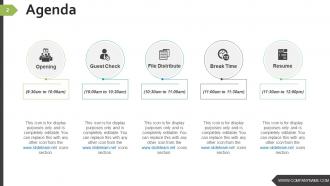
Slide 2: This is an Agenda slide. You can also show- Opening, Guest Check, File Distribute, Break Time, Resume.
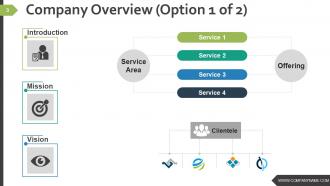
Slide 3: This slide shows Company Overview showing- Introduction, Vision, Mission, Offering, Service Area, Clientele.
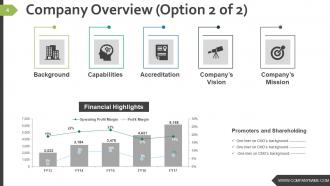
Slide 4: This slide shows Company Overview showing- Background, Company’s Vision, Company’s Mission, Financial Highlights, Promoters and Shareholding, One liner on CMD’s background, Capabilities, Accreditation.
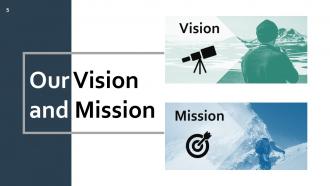
Slide 5: This is Our Vision and Mission slide. State them here.
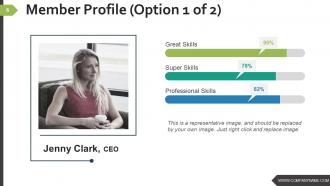
Slide 6: This slide shows Member Profile to fill information for.
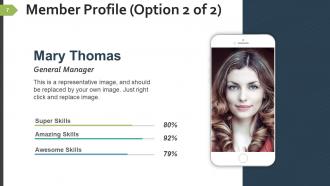
Slide 7: This slide shows Member Profile to fill information for.
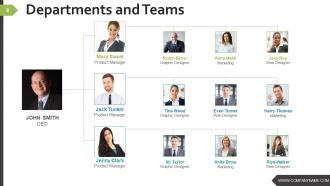
Slide 8: This is Departments and Teams slide with names, designation and text boxes to fill information.
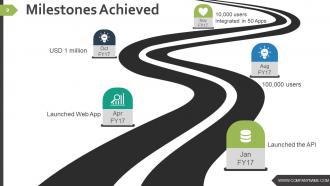
Slide 9: This slide showcases Milestones Achieved to show milestones, important highlights etc.
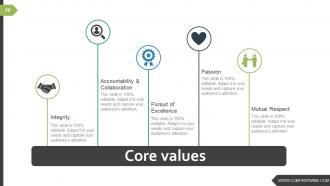
Slide 10: This slide showcases Core Values to be displayed.
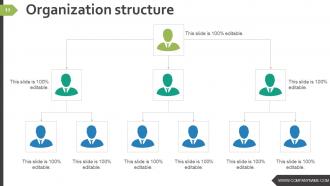
Slide 11: This is a Organization Structure slide. State team/department, organization information, specifications etc. here.
Slide 12: This is Our Team slide with names, designation and text boxes to fill information.
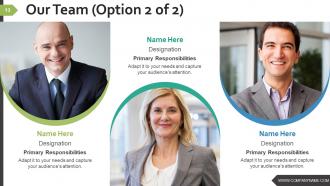
Slide 13: This is another Our Team slide with names, designation and text boxes to fill information.
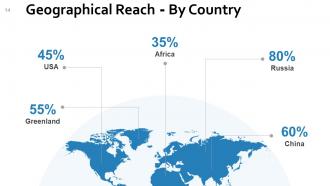
Slide 14: This slide shows Geographical Reach - By Country in world map image form. Mark specific locations for company growth, market etc. here.
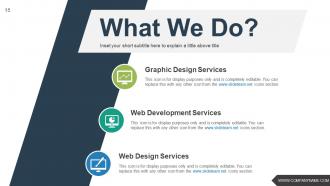
Slide 15: This slide shows What We Do? State what does the company/organization really do.
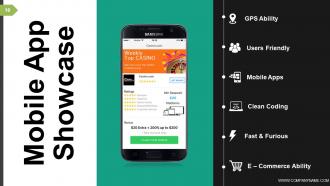
Slide 16: This slide presents Mobile App Showcase. State related aspects here.
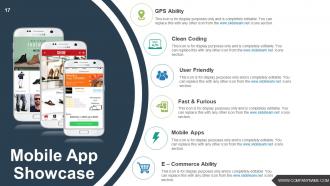
Slide 17: This slide presents Mobile App Showcase with- E – Commerce Ability, Clean Coding, User Friendly, GPS Ability, Fast & Furious
Slide 18: This slide is titled Press & Media Coverage. You may change the content as per need.
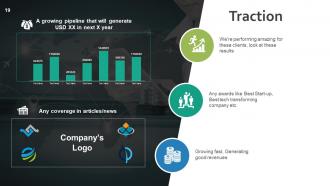
Slide 19: This slide presents Traction- We’re performing amazing for these clients, look at these results, Any awards like Best Start-up, Best tech transforming company etc. Growing fast, Generating good revenues.
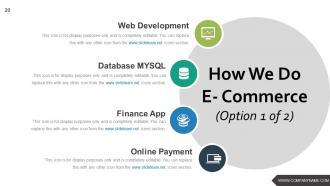
Slide 20: This slide presents How We Do E- Commerce. State business doing aspects here.
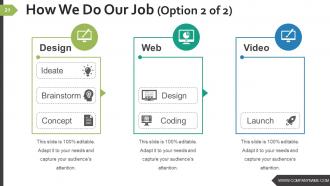
Slide 21: This slide presents How We Do Our Job showcasing- Ideate, Brainstorm, Concept, Design, Web, Coding, Video, Launch.
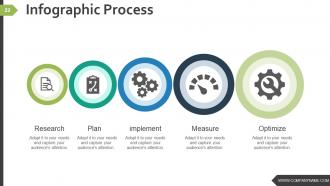
Slide 22: This slide showcases Infographic Process with- Research, Plan, Measure, Optimize, Implement.
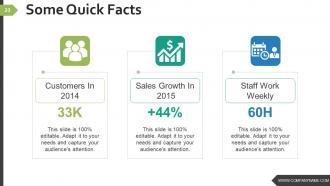
Slide 23: This is a Some Quick Facts slide. Present facts here.
Slide 24: This is a Coffee Break slide to halt. You can change the slide content as per need.
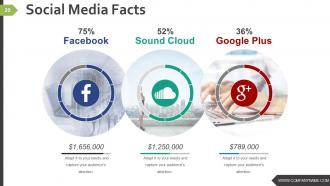
Slide 25: This is a Social Media Facts slide to be presented.
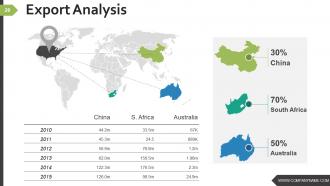
Slide 26: This slide presents an Export Analysis.
Slide 27: This slide showcases Icons for Business strategy and Process. Use them as per neeed.
Slide 28: This slide is titled Additional Slides to move forward. You can change the slide content as per need.
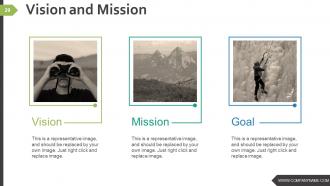
Slide 29: This is Vision, Mission and Goals slide. State them here.
Slide 30: This is Our Team slide with names, designation and text boxes to fill information.
Slide 31: This is an About Us slide. State company/team specifications here.
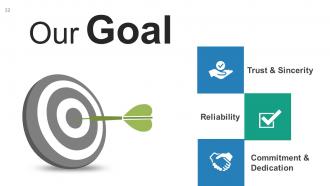
Slide 32: This is Our Goal slide. State your goals here for- Commitment & Dedication, Trust & Sincerity, Reliability.
Slide 33: This is a Compare Work Performance slide for comparing entities/products, people etc.
Slide 34: This is a Financial Highlights slide showcasing- Normal Earning, Dividend Per Share.
Slide 35: This is a Quotes slide to show something you want to convey. You may change the slide content as required.
Slide 36: This is a Dashboard slide to state Low, medium and High aspects, kpis, metrics etc.
Slide 37: This is a Location slide of world map image and China. Mark specific locations for company growth, market etc. here.
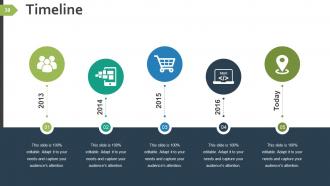
Slide 38: This slide showcases Timelines to show milestones, important highlights etc.
Slide 39: This is an Important Note slide to show important information, events etc. Pin your information here.
Slide 40: This is a Newspaper image slide to show important information, events etc. State your information here.
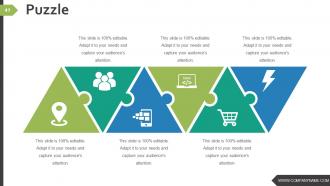
Slide 41: This is a Puzzle image slide. State information, specifications etc. here.
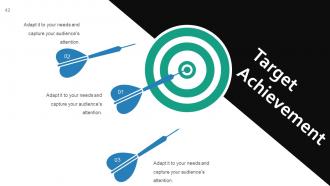
Slide 42: This is a Target slide. State targets here.
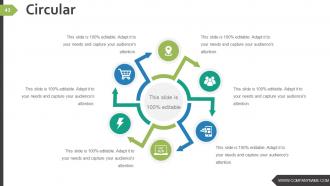
Slide 43: This is a Circular image slide to show information, specifications etc.
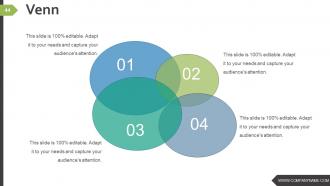
Slide 44: This is a Venn diagram slide to show information, specifications etc.
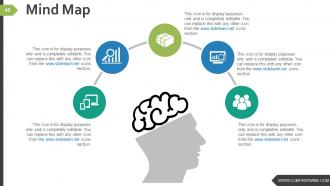
Slide 45: This is a Mind Map image slide to show segmentation, information, specifications etc.
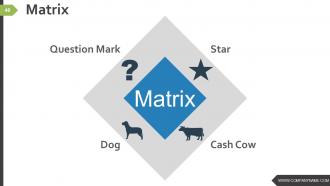
Slide 46: This is a Matrix slide to show segmentation, information, specifications etc.
Slide 47: This is a Lego image slide. State information, specifications etc. here.
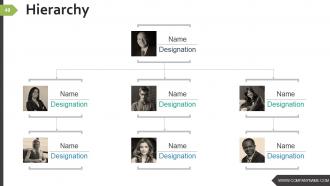
Slide 48: This is a Hierarchy slide. State team/department, organization information, specifications etc. here.
Slide 49: This slide shows Silhouettes with text boxes. State people related information, specifications etc. here.
Slide 50: This is an Idea image slide to show ideas, innovative information etc.
Slide 51: This is a Magnifying Glass image slide to show information, specifications etc.
Slide 52: This is a Funnel image slide to show information, specifications etc. in funneling form.
Slide 53: This is a Donut Pie Chart slide. State specifications, comparison of products/entities here.
Slide 54: This is a Bar Graph slide. State specifications, comparison of products/entities here.
Slide 55: This is a Line chart slide. State specifications, comparison of products/entities here.
Slide 56: This is an Area Chart slide. State specifications, comparison of products/entities here.
Slide 57: This is a Stacked Column graph slide. State specifications, comparison of products/entities here.
Slide 58: This is a Stock Chart slide. State specifications, comparison of products/entities here.
Slide 59: This is a Radar Chart slide. State specifications, comparison of products/entities here.
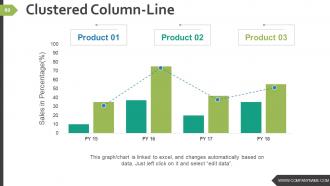
Slide 60: This is a Clustered Column graph slide. State specifications, comparison of products/entities here.
Slide 61: This is a Contact Us slide with Address# street number, city, state, Contact Number, Email Address.
Slide 62: This is a Thank You slide for acknowledgement.
Business Strategy And Process Powerpoint Presentation Slides with all 62 slides:
Get blogged about with our Business Strategy And Process Powerpoint Presentation Slides. The audience will feel they just have to comment.
-
Business Strategy and Process
-
Agenda
-
Company Overview Option 1 of 2
-
Company Overview Option 2 of 2
-
Our Vision and Mission
-
Member Profile Option 1 of 2
-
Member Profile Option 2 of 2
-
Departments and Teams
-
Milestones Achieved
-
Business Strategy and Process
-
Organization structure
-

Our Team Option 1 of 2
-
Our Team Option 2 of 2
-
Geographical Reach By Country
-
What We Do
-
Mobile App Showcase
-
Mobile App Showcase
-

Press Media Coverage
-
Traction
-
How We Do E Commerce Option 1 of 2
-
How We Do Our Job Option 2 of 2
-
Infographic Process
-
Some Quick Facts
-

Coffee Time
-
Social Media Facts
-
Export Analysis
-
Icons for Business Strategy and Process
-
Additional Slides
-
Vision and Mission
-

Our Team
-

About Us
-
Our Goal
-
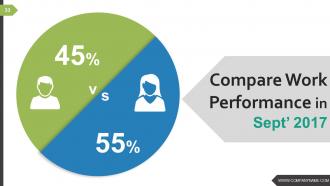
Compare Work Performance in Sept 2017
-
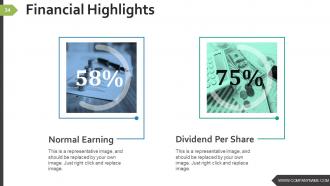
Financial Highlights
-

Business Strategy and Process
-
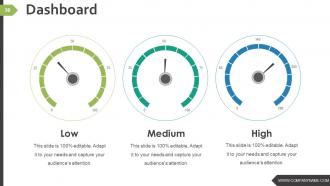
Dashboard
-
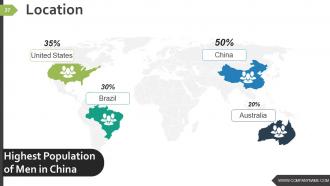
Location
-
Timeline
-
Important Note
-

Newspaper
-
Puzzle
-
Target Achievement
-
Circular
-
Venn
-
Mind Map
-
Matrix
-
Lego
-
Hierarchy
-

Silhouettes
-
IDEA Creative Thinking
-
Magnifying Glass
-
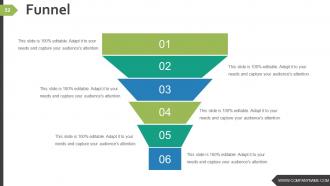
Funnel
-
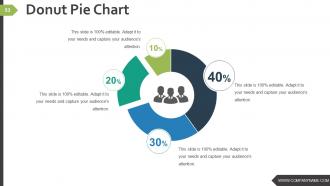
Donut Pie Chart
-
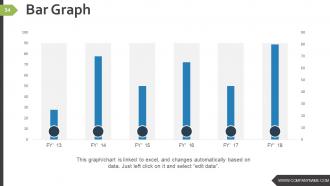
Bar Graph
-
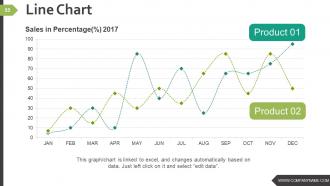
Line Chart
-
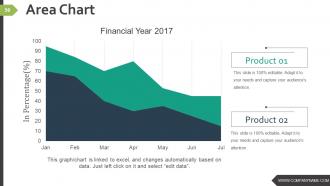
Area Chart
-
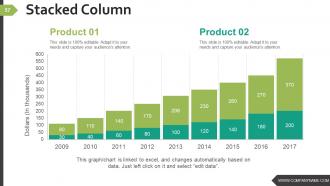
Stacked Column
-
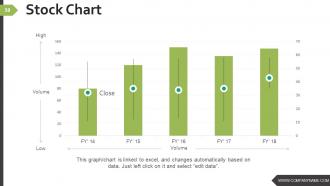
Stock Chart
-
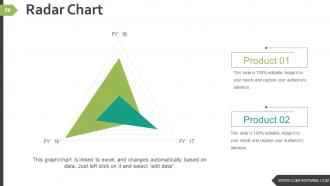
Radar Chart
-
Clustered Column Line
-
Contact US
-

Thank You for Your Business
FAQs for Business Strategy And Process
Honestly, start with your main goal and work backwards from there - makes everything clearer. You'll need solid market research, figure out what sets you apart from competitors, and decide how to spend your budget wisely. It's like that house analogy everyone uses, but it's true - blueprint first, then build. Track your progress somehow (whatever method doesn't drive you crazy). Oh, and leave room to pivot when stuff inevitably changes. The vision thing sounds fluffy but it actually matters - gives you something to point to when decisions get messy. Write it all down so you don't forget what you decided.
Your values need to be the filter for every big decision you make. First, figure out what they actually are - not just pretty words on the wall. Then ask "does this support or go against what we stand for?" before doing anything. I've watched companies claim they love innovation while building strategies that basically crush creativity. It's wild how disconnected they get. Build your metrics around outcomes that match your values, not just profit numbers. Let them guide who you hire, what markets you go after, which partnerships make sense. They should be your compass, not marketing fluff.
Honestly, market research is like having a GPS for your business decisions. You'll figure out what customers genuinely want instead of just guessing. Plus it shows you where your competitors are screwing up - which is gold. I can't tell you how many people I know who launched something without doing their homework first. Big mistake. The research helps with everything: who to target, how to price stuff, what features actually matter. Oh and don't just do it once when you're starting out. Keep checking back regularly because things change fast.
Start with 3-5 metrics that actually matter to your bottom line - revenue growth, customer satisfaction, stuff like that. Don't get caught up in vanity metrics that just look pretty on slides. You want both the predictive stuff (pipeline numbers) and the real results (actual sales). Check them regularly, not just at quarter-end. Most companies I've seen totally bomb this by tracking everything under the sun. My old boss used to say if moving a number doesn't impact revenue, why are we even looking at it? Focus on leading and lagging indicators that tie directly to your business goals. Keep it simple or you'll drown in spreadsheets.
Honestly, you've gotta nail three things: stay agile, obsess over your customers, and keep innovating. Build processes that let you pivot fast - even big companies need that startup vibe sometimes. Get stupidly close to your customers through constant feedback and actually listening to what the data tells you. Pour money into training your people and testing new tech, even when half your experiments flop (they will). The survivors see change as their best friend instead of running from it. Oh, and pick one thing you can make more responsive this quarter. Start there.
External stuff hits you whether you're ready or not. When the economy tanks, you're suddenly cutting costs and playing defense. But boom times? That's when you can actually expand and take risks. Look at GDPR - that completely wrecked everyone's digital marketing overnight, no warning. Your competitors make moves, social trends shift, regulations change... honestly, it never stops. The trick is building some flexibility into your plans from the start. That way when things inevitably go sideways, you can pivot instead of panicking and trying to figure out what the hell just happened.
Look, stakeholder analysis is just figuring out who you need to keep happy when making big decisions. Map out everyone who can mess with your plans - customers, employees, investors, the whole crew. Yeah it's kinda boring work upfront, but trust me, it beats getting screwed over later. Once you know what they want and how much clout they have, you can actually build strategies people will support instead of fight. I always start by just brain-dumping every person or group I can think of, then figure out who has real power versus who's just noise. Saves you tons of headaches down the road.
Honestly, just start doing regular "what if" sessions with your team - like actually put them on the calendar. Pick one thing you do now and brainstorm totally different ways to handle it. Even the weird ideas matter. Give people time to think without structure, you know? Instead of going all-in on some massive change, try small experiments first. Budget for stuff that might flop - that's how you learn. Oh, and don't wait for innovation to just happen randomly. Make it routine or it won't stick.
Honestly, personalization is huge - use whatever data you have to make experiences feel tailored. Loyalty programs work if the rewards actually matter to people. Stay in touch through email or social, but don't be annoying about it. Most companies way overcomplicate this when simple stuff like fast customer service responses and exclusive deals for repeat customers do the trick. Oh, and actually ask for feedback - people notice when you care. Focus on being helpful instead of just trying to sell constantly. Map out your customer journey first and pick maybe three pain points to fix this quarter.
Here's what I've seen work: split your energy roughly 70-20-10. Most goes to immediate revenue stuff (obviously), some to medium-term projects, and a little slice for those crazy long-term bets. Companies totally blow this by obsessing over quarterly numbers. I'd set up regular check-ins where you actually ask "does this help our 3-year vision or just make this quarter look good?" The trick is finding short-term wins that actually build toward your bigger strategy. Not just random stuff that pumps up next month's report - though honestly, sometimes you need those quick wins too.
Communication breakdowns will kill your project faster than anything else. Don't leave people guessing why changes are happening - that just creates pushback. Rolling everything out at once? Bad idea, trust me on this one. I've watched companies crash and burn trying that approach. Test things first with a small pilot group. Track real metrics instead of crossing your fingers and hoping. And honestly, most people totally underestimate what they'll need - more time, more money, more people than you think. Budget for that upfront or you're screwed.
Honestly, the data alone makes tech worth it - you'll actually know what your customers are doing instead of just guessing. Analytics show you what's really working vs what you think is working (huge difference). AI handles all the tedious stuff so you can focus on bigger picture things. Cloud tools let you test ideas fast without dropping serious cash upfront. But here's the thing - don't just grab whatever's popular right now. Pick stuff that fixes your actual problems first. I'd start with whatever's causing you the biggest headaches currently and work from there.
Risk management is your strategy's reality check - figure out what could tank your plans before it happens. Market crashes, new competitors, operational nightmares - you can't predict everything, but you can prepare for the obvious stuff. I learned this the hard way tbh. Don't try avoiding all risks (impossible anyway), just know which ones are worth taking. Build some wiggle room into your strategy so you're not screwed when things go sideways. Always run "what if" scenarios during planning. It's basically insurance for your business decisions, except way more useful than actual insurance.
Honestly, the biggest mistake is freezing up when everything goes sideways. You've got to move fast and question literally everything - your market assumptions, what customers want, how you operate. Cash flow comes first, obviously. Then figure out what's still working versus what needs to change immediately. I'd definitely survey customers to see what they actually need now (not what you think they need). Test small changes before doing anything drastic. Oh, and mindset matters here - treat it like you're collecting data, not like the world's ending. Companies that adapt quickly are the ones that make it through.
Keep it dead simple - one page beats those monster slide decks everyone ignores. Hit people from all angles: team meetings, emails, casual conversations over lunch. Your leadership team needs to stay on script though, because conflicting messages will tank everything fast. Show each person how their job actually matters to the big goal. Oh, and don't just broadcast into the void - you'll need feedback loops to see if anyone's getting it. Quick pulse surveys work well for checking if your message is landing.
-
Easily Editable.
-
Use of different colors is good. It's simple and attractive.