


Service Blueprint Template Sample Blueprint Service Design Methodology Ppt Slides Designs




Try Before you Buy Download Free Sample Product
 Impress Your
 Audience
 100%
100% Editable
 Save Hours
 of Time


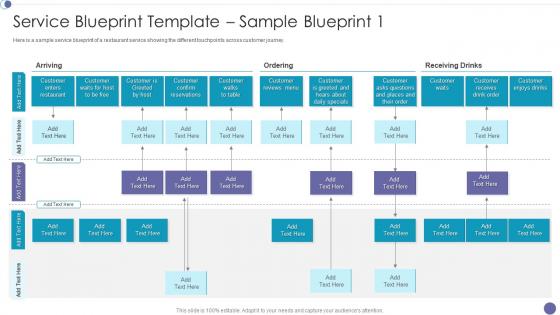
Here is a sample service blueprint of a restaurant service showing the different touchpoints across customer journey.
People who downloaded this PowerPoint presentation also viewed the following :
Service Blueprint Template Sample Blueprint Service Design Methodology Ppt Slides Designs with all 9 slides:
Use our Service Blueprint Template Sample Blueprint Service Design Methodology Ppt Slides Designs to effectively help you save your valuable time. They are readymade to fit into any presentation structure.







FAQs for Service Blueprint Template Sample Blueprint Service Design Methodology
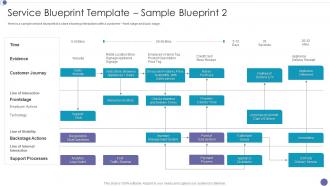
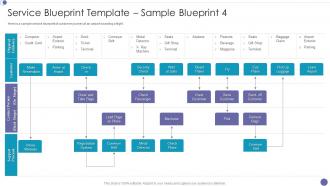
So there are four main parts you need to map out. Customer actions go at the top, then what employees do that customers can see. Below that is all the behind-the-scenes stuff employees handle, and at the bottom are your tech systems and support processes. Horizontal lines separate these sections and show you where things get passed between people - honestly, those handoff points are where most problems happen. Think of it like a play, but you're mapping both what the audience sees and all the backstage chaos. You arrange everything left to right in time order, which makes it super easy to spot where customers might hit roadblocks.
So here's the thing - service blueprints actually map out your customer's whole experience, while regular process maps just track internal stuff your team does. With blueprints, you see the front-stage interactions customers experience AND the backstage work they don't see, plus all the tech supporting it. Honestly, process maps feel pretty flat in comparison. The cool part about service blueprints? They show exactly where things become visible to customers - those are usually the make-or-break moments. Oh, and they connect customer touchpoints to what employees are actually doing behind the scenes. Try mapping the customer side first next time, then figure out your internal processes.
So touchpoints are where you start with service blueprints - they're literally every spot your customer hits during their journey. Website, phone calls, talking to your staff, all of it. Map those out first in order, then you can build everything else underneath. It's like creating the skeleton before adding muscles, you know? Without knowing these interaction points, you're just randomly guessing what processes matter behind the scenes. I always tell people to list them chronologically first - makes the whole frontstage/backstage mapping way easier afterward.
Think of service blueprints like getting X-ray vision into your customer experience. They show what's happening both front-stage and backstage at every touchpoint. Pain points jump out when you see gaps between customer expectations and reality, or where departments fumble handoffs to each other. Those moments where customers wait around with no clue what's happening? Gold mines for improvement. Get people from different teams involved when mapping - they'll spot stuff you'd never notice. Oh, and tackle the pain points hitting your biggest customer segments first. Way more bang for your buck that way.
So I'd go with horizontal swim lanes - customer stuff at the top, then your frontstage people, backstage actions, and support processes at the bottom. That visibility line between front and back stage? Super important. Make your touchpoints really obvious with icons or colors, timeline flows left to right. Pain points vs opportunities should be different colors - honestly makes such a difference in presentations. Don't overthink the text, just keep it short but clear. Oh and definitely start simple first! You can always add more detail later instead of cramming everything in from the start.
Oh, service blueprints are actually perfect for this! During orientation, walk new hires through the whole customer journey blueprint first - shows them how everything connects instead of just dumping their specific tasks on them. Honestly, it's way better than the usual "here's your desk, figure it out" approach most places do. They'll see every touchpoint and handoff between departments, plus where things usually go wrong. When they're learning their actual processes later, have them reference the blueprint so they get why each step matters for the customer experience. Makes the whole training stick better.
For service blueprints, I'd go with Miro or Mural first - they've got templates made for this stuff and work great for team collaboration. Lucidchart's another solid choice if you want something more structured. Though honestly? I've seen teams knock out decent blueprints in PowerPoint when they're just getting started. My coworker swears by Google Drawings too, which is kinda basic but whatever works, right? The main thing is making sure everyone on your team can jump in and edit easily. I'd try Miro's free version first - you can always upgrade later if you need fancier features.
So basically, service blueprints map out how all your different teams interact with customers. Marketing passes things to sales, operations affects what customers actually experience, IT supports the front-line people - you can see it all laid out visually. Think of it like everyone finally using the same map instead of wandering around lost with different directions. When teams can actually see the dependencies and gaps, they get how their work affects everyone else. Honestly, running a workshop with different departments is pretty eye-opening. People suddenly realize how connected everything is - those "oh shit, I didn't know you handled that part" moments happen constantly.
Honestly, treat your service blueprints like they're alive - they need constant updates as you grow. Adding new touchpoints? Automating stuff? Growing your team? Map all that out or you'll regret it later. I've watched companies completely mess up because their blueprint got stale and everyone was working off different info. At minimum, review quarterly. But really? Do it whenever you launch something big or restructure. Think of it like code - version it, update bit by bit, and actually tell people when things change. Otherwise you're just creating expensive wall art nobody uses.
Look at both behind-the-scenes stuff and what customers actually experience. Process times, error rates, employee happiness - that's where you'll spot the real problems. Customer satisfaction and NPS scores matter too, obviously. But here's what I've noticed works best: see how fast new people can figure things out using your blueprint. If they're constantly asking questions, something's off. Start with maybe 3-4 metrics that connect to whatever drove you crazy enough to make the blueprint originally. Don't try measuring everything at once - you'll just overwhelm yourself.
Just start simple when you begin a sprint - basic blueprint, nothing fancy. Then dig deeper into specific touchpoints as you build out user stories. Honestly, I've watched teams burn hours trying to perfect everything upfront (huge mistake). Use it mainly for spotting dependencies between your front and backend work. Makes sprint planning way smoother and you won't hit those annoying blockers. During retros, update it when you find new pain points. Keep it visual so everyone can actually use it when they're prioritizing features or trying to figure out why users are struggling with something.
Biggest myth? People think service blueprints are just glorified flowcharts. They're not - way more strategic than that. You don't need to map every tiny touchpoint either, just focus on your most painful customer journeys first. Oh, and everyone assumes they're only for fixing stuff that's already broken. Wrong again - they're perfect for building new services too. The whole frontstage/backstage thing confuses people but it's simple: what customers actually see vs. what's happening behind the curtain. Don't get hung up on making it perfect. Just hunt for those sneaky process gaps screwing with your customer experience.
Think of it like getting X-ray vision for your whole operation - you'll actually see where stuff breaks down instead of playing guessing games. Service blueprints map out every touchpoint and process visually. Bottlenecks become obvious, redundant steps stick out, and you can pinpoint exactly where customers hit frustration. Honestly, it makes those endless improvement meetings so much better because everyone's finally looking at the same thing. No more arguing over different interpretations. I'd update it every quarter and use it to track what changes actually improve customer satisfaction scores.
Honestly, service blueprints are like having x-ray vision into your customer's actual experience. You'll spot exactly where people get frustrated or totally love what you're doing. Marketing can craft messages around those real moments instead of guessing what matters. Sales teams get a heads up about which stages trip customers up most. The backstage stuff that creates value? Now you can actually talk about it in campaigns. I probably sound like a broken record about this, but aligning your messaging with the real journey beats assumptions every time. It's basically a roadmap for where to focus your efforts.
So digital transformation totally flips how you do service blueprints - you've got all these new touchpoints to track now. Mobile apps, chatbots, automated emails, plus backend stuff customers don't even see but still impacts them. Your blueprint becomes this hybrid thing covering both digital and physical interactions. You're mapping API calls right next to in-person conversations, which honestly feels weird at first. I'd start by figuring out what parts of your current service could go digital, then see how that ripples through everything else. The whole customer journey shifts, and your internal processes probably need reworking too.
-
I loved the hassle-free signup process. A few minutes and, I had this giant collection of beautiful designs.
-
“Easy to use. I always wanted to have a quick search for products and SlideTeam has helped me have it.”