

Calidad del servicio Diapositivas de presentación de PowerPoint




Try Before you Buy Download Free Sample Product
 Impress Your
 Audience
 100%
100% Editable
 Save Hours
 of Time


La calidad del servicio es una medida de qué tan bien un servicio cumple y supera las expectativas del cliente. La calidad del servicio se puede medir de muchas maneras, pero más comúnmente se mide a través de encuestas o formularios de comentarios de los clientes. La calidad del servicio es importante porque puede ayudarlo a mejorar su negocio y satisfacer mejor las necesidades de sus clientes. Las plantillas de presentación de aseguramiento de calidad tecnológica de SlideTeam lo ayudarán a crear presentaciones increíbles sobre la calidad del servicio. Tenemos una amplia gama de plantillas fáciles de usar y editar, para que pueda crear una presentación perfecta para sus necesidades. Nuestras plantillas también están diseñadas por expertos, por lo que sabe que serán de la más alta calidad. Descargue nuestras plantillas de presentación de aseguramiento de calidad tecnológica ahora y comience a crear hermosas presentaciones hoy.
People who downloaded this PowerPoint presentation also viewed the following :
Contenido de esta presentación de Powerpoint
Diapositiva 1: Esta diapositiva presenta la Calidad del Servicio. Indique el nombre de su empresa y comience.
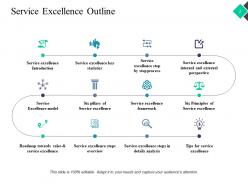
Diapositiva 2: Esta diapositiva muestra el Esquema de Excelencia en el Servicio que describe: Introducción a la excelencia en el servicio, Proceso paso a paso de la excelencia en el servicio, Perspectiva interna y externa de la excelencia en el servicio, Estadísticas clave de la excelencia en el servicio, Seis pilares de la excelencia en el servicio, Modelo de Excelencia en el Servicio, Hoja de ruta hacia la excelencia en ventas y servicio, Visión general de los pasos de la excelencia en el servicio, Análisis detallado de los pasos de la excelencia en el servicio, Consejos para la excelencia en el servicio, Marco de la excelencia en el servicio, Seis Principios de la excelencia en el servicio.
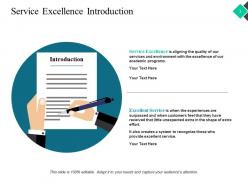
Diapositiva 3: Esta diapositiva presenta la Introducción a la Excelencia en el Servicio con imágenes y texto relacionados.
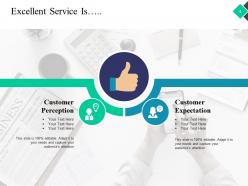
Diapositiva 4: Esta diapositiva se titula Un Servicio Excelente que describe la percepción y expectativa del cliente.
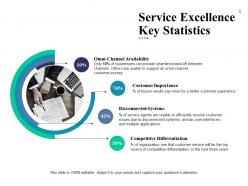
Diapositiva 5: Esta diapositiva representa las Estadísticas Clave de la Excelencia en el Servicio que describen: Disponibilidad omnicanal, Importancia del cliente, Sistemas desconectados, Diferenciación competitiva.
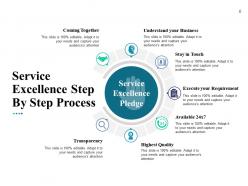
Diapositiva 6: Esta diapositiva muestra el Proceso Paso a Paso de la Excelencia en el Servicio como: Unirse, Transparencia, La más alta calidad, Disponible 24x7, Ejecutar sus requisitos, Mantenerse en contacto, Comprender su negocio.
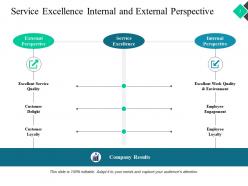
Diapositiva 7: Esta diapositiva muestra la Perspectiva Interna y Externa de la Excelencia en el Servicio con información relacionada.
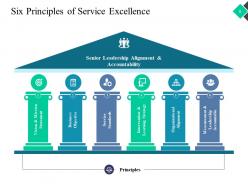
Diapositiva 8: Esta diapositiva presenta los Seis Principios de la Excelencia en el Servicio que incluyen: Declaración de Visión y Misión, Objetivo Empresarial, Estándares de Servicio, Estrategia de Intervención y Aprendizaje, Alineación Organizacional, Medición y Liderazgo Responsable.
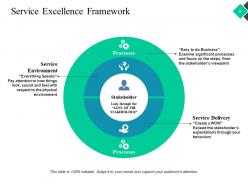
Diapositiva 9: Esta diapositiva muestra el Marco de la Excelencia en el Servicio con el entorno de servicio y la prestación del servicio.
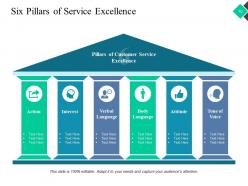
Diapositiva 10: Esta diapositiva muestra los Seis Pilares de la Excelencia en el Servicio que incluyen: Acción, Interés, Lenguaje Verbal, Lenguaje Corporal, Actitud, Tono de Voz.
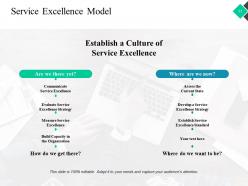
Diapositiva 11: Esta diapositiva muestra el Modelo de Excelencia en el Servicio que explica: ¿Ya estamos allí? ¿Cómo llegamos allí? ¿Dónde estamos ahora? y ¿Dónde queremos estar?
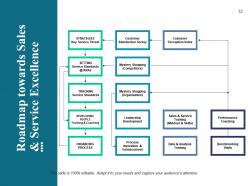
Diapositiva 12: Esta diapositiva presenta la Hoja de Ruta hacia la Excelencia en Ventas y Servicio con un diagrama y texto relacionados.
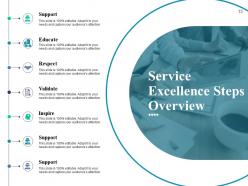
Diapositiva 13: Esta diapositiva representa la Visión General de los Pasos de la Excelencia en el Servicio que describe: Apoyar, Educar, Respetar, Validar, Inspirar y Apoyar.
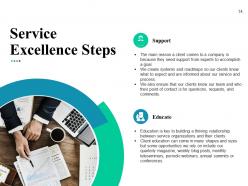
Diapositiva 14: Esta diapositiva muestra los Pasos de la Excelencia en el Servicio que describen apoyar y educar con imágenes relacionadas.
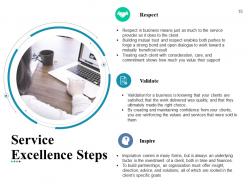
Diapositiva 15: Esta es otra diapositiva que presenta los Pasos de la Excelencia en el Servicio que describen: Respetar, Validar e Inspirar.
Diapositiva 16: Esta es otra diapositiva que continúa con los Pasos de la Excelencia en el Servicio que describen Cultivar y Comprometer.
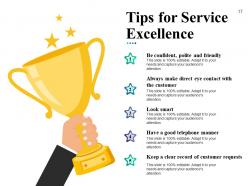
Diapositiva 17: Esta diapositiva muestra Consejos para la Excelencia en el Servicio como: Sea confiado, cortés y amigable, Siempre mantenga contacto visual directo con el cliente, Vea bien, Tenga buena manera de atender el teléfono, Mantenga un registro claro de las solicitudes de los clientes.
Diapositiva 18: Esta diapositiva muestra Iconos de Calidad del Servicio.
Diapositiva 19: Esta diapositiva se titula Diapositivas Adicionales para avanzar.
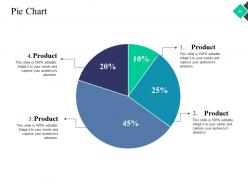
Diapositiva 20: Esta diapositiva muestra un Gráfico de Barras con la comparación de cuatro productos.
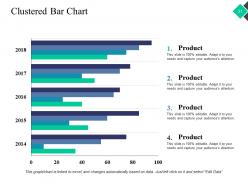
Diapositiva 21: Esta diapositiva presenta un Gráfico de Barras Agrupadas con la comparación de cuatro productos.
Diapositiva 22: Esta es la diapositiva de Nuestra Misión con imágenes y cuadros de texto.
Diapositiva 23: Esta es la diapositiva Sobre Nosotros para indicar las especificaciones de la empresa, etc.
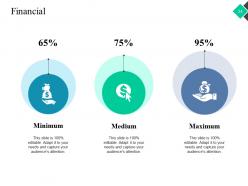
Diapositiva 24: Esta es una diapositiva Financiera. Muestre información relacionada con las finanzas aquí.
Diapositiva 25: Esta es la diapositiva Conozca a Nuestro Increíble Equipo con nombres y cargos.
Diapositiva 26: Esta es la diapositiva de Nuestro Objetivo. Muestre sus objetivos aquí.
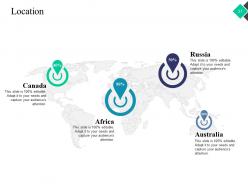
Diapositiva 27: Esta es la diapositiva de Ubicación con mapas de países para mostrar datos relacionados con la ubicación.
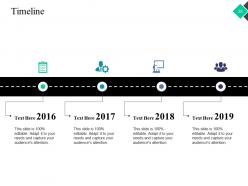
Diapositiva 28: Esta es una diapositiva de Línea de Tiempo. Muestre información relacionada con el período de tiempo aquí.
Diapositiva 29: Esta es una diapositiva de Citas para resaltar o indicar algo específico.
Diapositiva 30: Esta es una diapositiva de Bombilla o Idea para mostrar una nueva idea o resaltar especificaciones/información, etc.
Diapositiva 31: Esta es una diapositiva de Gracias con Dirección, números de contacto y dirección de correo electrónico.
Calidad del servicio Presentación de diapositivas de PowerPoint con las 31 diapositivas:
Utiliza nuestras Diapositivas de Presentación de Calidad del Servicio para ayudarte de manera efectiva a ahorrar tu valioso tiempo. Están listas para encajar en cualquier estructura de presentación.





FAQs for Service Quality
So there's this SERVQUAL model everyone talks about - reliability, responsiveness, assurance, empathy, and tangibles. Reliability's the big one though. Your customers have to trust you'll actually do what you say. Responsiveness is how fast you get back to them, and assurance covers whether your team knows their stuff. Empathy gets overlooked a lot but it's honestly where you can really stand out - just being human with people. Oh, and tangibles are the physical stuff they see. I'd start with nailing reliability since that drives most satisfaction, then tackle the rest.
Mix quantitative stuff with qualitative - customer surveys are your bread and butter here. NPS and CSAT scores give you real numbers to track. Mystery shopping helps too, plus feedback forms and keeping an eye on social media. The data gets pretty overwhelming honestly (learned that the hard way). Focus on response times, how fast you resolve issues, and whether customers actually stick around. Those are your main KPIs. Oh, and don't just collect data to feel productive - actually do something with what you find or it's pointless.
Honestly, good training makes such a huge difference for service quality. Your team actually knows what they're doing when weird situations come up, plus they can use all your systems properly. I've worked places that totally skipped this - you could tell right away from how awkward customer interactions were. Confident employees will solve problems themselves instead of just dumping everything on managers. Oh, and don't just do it once when people start. Keep it going or they'll forget half the stuff you taught them.
Good service = loyal customers, pretty simple. People won't put up with crap service more than once or twice. Build that trust and emotional connection, and customers will stick with you even when competitors offer cheaper prices. Honestly, word-of-mouth from happy customers is pure gold. You'll get way more repeat business too. But here's the thing - consistency matters big time. One terrible experience can totally wreck months of building that relationship. So yeah, train your team well and make sure everyone's on the same page about service standards.
Honestly, the worst ones are inconsistent training and not having clear standards. Your team probably doesn't have the power to actually fix things on the spot - which pisses everyone off. Most companies get obsessed with numbers but forget customers are actual people. Oh, and systems that don't connect? Total nightmare. Customers hate repeating themselves five times. I'd just ask your frontline people what's driving them crazy - they know exactly where everything falls apart. Sometimes the obvious problems are hiding right there.
Honestly, CRM systems are total game-changers - your team can pull up customer history instantly instead of playing detective. Chatbots handle the basic stuff so your people can focus on real problems. AI's getting scary good at predicting what customers want before they even know it themselves. Video support and live chat speed everything up too. The trick is picking tech that actually fixes your pain points, not just buying shiny new tools because they look cool. Figure out where you're bottlenecking first, then find something that directly tackles those specific headaches.
Okay so here's the deal - service quality and brand reputation are totally connected. Good service builds trust and gets people talking positively about you, which obviously helps your reputation. But one terrible experience? It can wreck years of hard work because people LOVE complaining online. Strong brands face higher expectations though, so you can't just phone it in. My advice - treat every single customer like they're about to post a review, because they probably are. It's honestly that simple.
Oh man, this is so true from my experience too! Americans love chatty, friendly service - the whole "how's your day going?" thing. But try that in Japan and customers think you're being unprofessional. They want quiet efficiency instead. Germans? Don't even think about being late, that's their biggest pet peeve. Meanwhile other cultures care way more about building a personal connection than sticking to some rigid schedule. Eye contact expectations are all over the place too. You've really gotta study your specific customers and train your team based on what THEY expect, not some universal approach.
Look, start collecting feedback everywhere - surveys, reviews, social media, whatever. When customers complain, don't just fix it and move on. Dig into why it happened so you can stop it next time. Your team needs regular training, but here's the thing - let them actually solve problems without running to a manager constantly. Set some clear standards and check them with mystery shoppers or audits. Most companies screw this up because they treat it like a weekend project instead of something ongoing. Everyone should care about service quality, not just the front desk people. Pick one metric to track this week and go from there.
Honestly, most people collect feedback but then just... sit on it. Don't be that person. Start with surveys or just pay attention to your reviews - whatever's easiest. Look for patterns in complaints and fix the stuff that's actually bugging people most. Here's what really works though: tell customers when you've made changes based on their suggestions. They love knowing they were heard. Pick one way to gather feedback this week and actually do something with it. Even small fixes can make a huge difference in how customers see you.
Look, service design basically controls how customers feel at every step. You map out their whole journey and catch annoying stuff before it pisses people off - think confusing websites or forever hold times. Honestly, most companies are terrible at this. The key is keeping things consistent everywhere - your app, phone support, whatever. Otherwise customers get whiplash from the different experiences. Oh, and don't try to fix everything at once, you'll go crazy. Just audit what you've got now and pick the three worst pain points to start with.
Yeah, so it really depends on what industry you're in. Healthcare and banking? People expect perfection - one mistake and you're screwed. Retail's more about the whole experience and being responsive to customers. Tech companies can sometimes slide by with bugs if they're doing cool stuff (look at how Tesla got away with delivery issues early on). Manufacturing just wants things consistent and built to last. Honestly, the customer service part matters less there. You gotta figure out what your sector cares about most - speed, getting it right, personal service, or being cutting-edge. Then focus your energy there.
Honestly, start with customer satisfaction scores and NPS - those give you the real deal on how people feel about your service. Track your response times and first-call resolution rates too, that operational stuff matters more than you'd think. Retention and churn data are gold but they lag behind, so don't expect instant insights there. Oh, and Customer Effort Score is pretty clutch if your customers have to jump through hoops to get help. I'd stick to maybe 3-4 metrics max though. Going overboard just creates noise and you'll end up ignoring half the data anyway.
Honestly, start with your three biggest service issues and nail those first. Don't try to fix everything at once - you'll just overwhelm everyone. Get your SOPs written down for every customer interaction, then actually train people the same way at every location. Here's what most companies mess up though: they never check if it's working. Mystery shoppers are your best friend here, or just do random quality checks. Digital dashboards help too so managers can see what's happening in real-time. But seriously, if your standards aren't clear and you're not enforcing them consistently, you're wasting your time.
Look, your team basically mirrors whatever you do - it's wild how that works. If you're always putting customers first and actually celebrating people who crush it for clients, they'll follow suit. But here's the thing - you've gotta give them real power to fix problems, not just empty promises. The second you start half-assing it or making service feel like a chore, your whole team checks out too. Honestly, just think about what you did today. Are you walking the walk, or are you accidentally sending mixed signals without realizing it?
-
Thanks for all your great templates they have saved me lots of time and accelerate my presentations. Great product, keep them up!
-
Graphics are very appealing to eyes.
-
Awesome use of colors and designs in product templates.
-
Very unique, user-friendly presentation interface.
-
Understandable and informative presentation.