


Quality Assurance Powerpoint Presentation Slides





Try Before you Buy Download Free Sample Product
 Impress Your
 Audience
 100%
100% Editable
 Save Hours
 of Time


Technology Quality Assurance (QA) is a process that ensure the quality of technology products. This process can be implemented throughout the product development life cycle, from design to delivery. Technology QA includes activities such as testing, code reviews, and static analysis.Download our technology quality assurance ppt templates now to get in-depth knowledge about the topic. Our templates are easy to use and will help you create a presentation that looks professional and polished. You’ll be able to share your ideas with confidence, knowing that your slides look great. We can’t wait to see what you create.
People who downloaded this PowerPoint presentation also viewed the following :
Content of this Powerpoint Presentation
Slide 1: This slide shows Quality Assurance. State the name of your company and continue.
Slide 2: This slide shows Cost of Quality Four Cost Categories- Cost of Non-Conformance (Cost of Poor Quality) :External Failure Cost, Internal Failure Cost and Cost of Conformance : Prevention Cost, Appraisal Cost.
Slide 3: This slide shows Quality Cost Report which comprises of the amount each cost has on the overall product.
Slide 4: This slide helps in comparing and analysing Quality Cost Report.
Slide 5: This slide displays the Quality Cost Report - Trend Chart. This trend chart would help in analyzing the overall trends in quality programs by showing quality costs in percentages.
Slide 6: This slide presents Cost - Benefit Analysis which shows- Cost Categories, Benefit Categories, Total Benefits.
Slide 7: This is a Coffee Break slide to halt. You may change it as per requirement.
Slide 8: This slide is titled Graphs & Charts to move ahead. You may change it as per requirement.
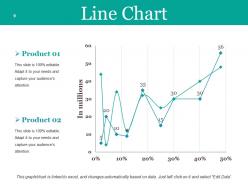
Slide 9: This slide presents a Line Chart showcasing product/ company growth, comparison etc.
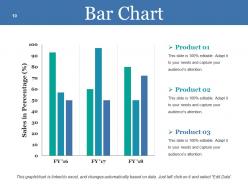
Slide 10: This slide presents a Bar Graph for showcasing product/ company growth, comparison etc.
Slide 11: This is an Area Chart slide to show product/ entity growth, comparison, specifications etc.
Slide 12: This slide presents a Radar Chart to compare Product 01, Product 02 etc.
Slide 13: This is a Clustered Column - Line slide to present product/ entity comparison, specifications etc.
Slide 14: This is a Donut Pie Chart slide to present product/ entity comparison, specifications etc.
Slide 15: This slide is titled Additional Slides. You can change the slide content as per your needs.
Slide 16: This is Our Mission slide showing Target Audiences, Premium Services, Preferred By Many, Values Client as examples. Add in your own mission.
Slide 17: This is an Our Team slide with name, image and text boxes to put the required information.
Slide 18: This is an About Us slide showing Target Audiences, Values Client, and Preferred By Many as examples.
Slide 19: This is Our Goal slide. State your goals here.
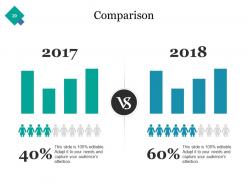
Slide 20: This slide shows Comparison between two products/ entities etc. in a bar chart/ graph form.
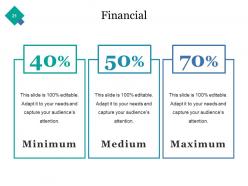
Slide 21: This is a Financial score slide. State financial aspects, information etc. here.
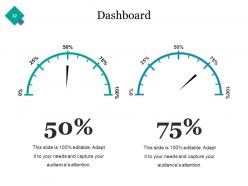
Slide 22: This is a Dashboard slide to show information in percentages etc.
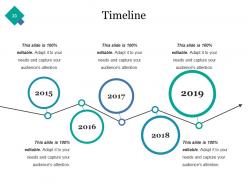
Slide 23: This slide presents a Timeline to show growth, milestones etc.
Slide 24: This is a Post It slide. Post events, important information etc. in these notes
Slide 25: This is a creative Puzzle image slide to show information, specifications etc.
Slide 26: This slide shows Our Target with relevant imagery.
Slide 27: This is a Venn diagram image slide to show information, specifications etc.
Slide 28: This is a Mind map image slide to show information, specifications etc.
Slide 29: This is a Bulb Or Idea image slide to show ideas, innovative information etc.
Slide 30: This is a Thank You slide with Address# street number, city, state, Contact Numbers, Email Address.
Quality Assurance Powerpoint Presentation Slides with all 30 slides:
Enable folks to feel jubilant with our Quality Assurance Powerpoint Presentation Slides. Inspire them to do their best.
-

Quality Assurance
-
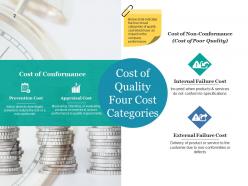
Cost of Quality Four Cost Categories
-
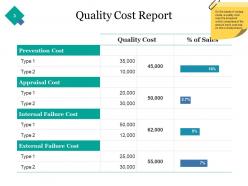
Quality Cost Report
-
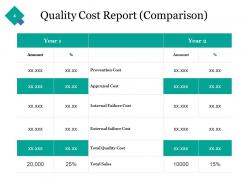
Quality Cost Report Comparison
-

Quality Cost Report Trend Chart
-
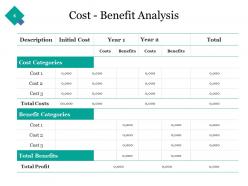
Cost Benefit Analysis
-
Coffee Break
-
Graphs Charts
-
Line Chart
-
Bar Chart
-
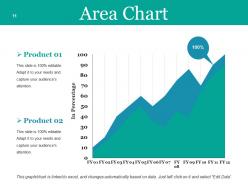
Area Chart
-
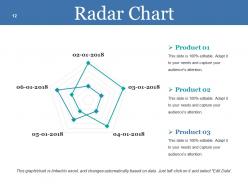
Radar Chart
-
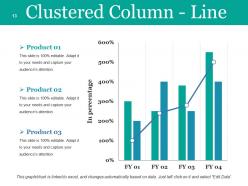
Clustered Column Line
-
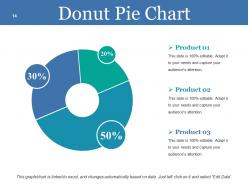
Donut Pie Chart
-
Additional Slides
-
Our Mission
-

Our Team
-
About Us
-
Our Goal
-
Comparison
-
Financial
-
Dashboard
-
Timeline
-
Post It
-
Puzzle
-
Our Target
-
Venn
-
Mind Map
-
Bulb Or Idea
-

Thank You
FAQs for Quality Assurance
Okay so you need four main things: good requirements docs, solid testing procedures, defect tracking, and feedback loops. Document your current gaps first - that's where I'd start anyway. Set up entry/exit criteria for each phase and automate what you can. Don't make QA an afterthought though, seriously I've watched that train wreck too many times. Make it collaborative from day one. Regular review cycles are clutch. Oh and prioritize fixing your biggest pain points first rather than trying to solve everything at once.
So automation basically takes all those boring, repetitive tests off your plate - stuff like regression testing, UI checks, API validations. Game changer for real. You'll catch bugs way earlier in your pipeline instead of finding them in production (which is the worst). Start with whatever tests you're most sick of running manually - that's usually the sweet spot. Then just keep adding more over time. Honestly, I spent way too long putting this off because it seemed complicated, but once you get going it frees you up for the actually interesting stuff like exploratory testing.
Oh agile's way different - QA jumps in super early instead of waiting till the end to test everything. You'll literally be sitting with devs during sprints, writing test cases while they're coding. Way more teamwork than that old waterfall stuff where everyone worked in silos (which was honestly pretty isolating). Your job shifts to stopping bugs before they happen, not just finding them later. You're automating tests, joining daily standups, giving feedback in sprint reviews. The whole thing's more collaborative. Definitely start getting tight with your dev team now because you'll basically be joined at the hip.
Honestly, I'd start with defect escape rate and customer complaints - those two give you the clearest picture. Track how many bugs slip past your team into production, plus customer satisfaction scores. Mean time to resolution matters too, though it's pretty dry stuff. Are you hitting release deadlines without cutting corners on quality? That's huge. Test coverage percentage helps, but don't get obsessed with hitting 100% or whatever. The real question is whether your processes actually prevent problems instead of just catching them later. Pick maybe 3-4 metrics that make sense for your situation and stick with tracking those consistently.
TestRail or Qase are solid for organizing test cases - way better than spreadsheets, trust me. Jira's basically everywhere for bug tracking, though it's honestly bloated half the time. Get Selenium set up for web stuff and Postman for APIs. JMeter's your go-to for performance testing. Mobile? You'll need Appium. Oh, and here's the thing - don't just pick tools because they're popular. Find stuff that actually plays nice with whatever setup you've already got. Nothing worse than fighting with integrations all day when you should be testing.
Honestly, you've got to stop making quality just the QA team's problem. Get your leadership to actually show they care about doing things right, not just hitting every deadline no matter what. People aren't dumb - they notice when executives say one thing but do another. Train everyone on quality stuff, sure, but here's the thing: it won't stick unless you celebrate people who catch problems early instead of throwing them under the bus. Share customer complaints with all departments so they see what happens when things go wrong. And for the love of all that's holy, give people enough time to do it right the first time.
Ugh, the worst stuff you'll deal with is crazy deadlines, vague requirements, and never having enough people or time. Seriously feels like they're trying to set you up to fail sometimes. My advice? Get testing involved way earlier in the process instead of waiting until the end. Push hard for clear acceptance criteria upfront - trust me on this one. Automate the boring repetitive stuff so you can focus on actual exploratory testing. When timelines get nuts, don't just suffer in silence. Document the risks and tell stakeholders what's actually realistic. Oh, and keep notes on recurring issues - that data becomes gold when you're fighting for better processes later.
Honestly, QA saves your butt by catching problems before customers do. Buggy apps that crash immediately? Total nightmare for your reputation. Good quality processes mean you're shipping stuff that actually works. Customers get consistent products, which builds trust over time. Less angry emails flooding your inbox too. I'd start by figuring out where things usually go wrong in your current setup. Those pain points are probably where defects sneak through. Fix those first and you'll see way fewer returns and support headaches.
Look, documentation might seem boring but it's honestly a lifesaver in QA. When bugs pop up weeks later, you'll thank yourself for writing clear test cases and keeping good notes. I learned this the hard way - spent hours trying to recreate something I'd already tested because I didn't document it properly. Bug reports with screenshots are clutch too. Your future self (and teammates) will love you for it. Management always questions what you actually tested, so having that paper trail keeps everyone happy. Don't overthink it - start with basic stuff and build from there.
Honestly, there's some cool stuff you can do here. AI can auto-generate test cases by scanning your code - catches things you'd probably miss. Visual testing tools are insane at spotting UI bugs (like, better than we are, which is weird). ML helps predict where bugs will pop up based on old data, plus it can prioritize which tests to run first. Oh, and anomaly detection in production is pretty sweet too. I'd just pick one thing to start with though - maybe visual testing? See how that goes before diving into everything else. Way less overwhelming that way.
QA happens before you build anything - it's all about setting up your processes and standards to prevent problems. Then QC comes after, where you're actually testing and inspecting stuff to catch issues before release. Quality management? That's the bigger picture covering both plus your policies and improvement work. I like to think of it as: QA designs the recipe, QC tastes the food, quality management runs the kitchen. QA is proactive, QC is reactive. Get your QA processes right upfront and you won't be putting out fires constantly later - trust me on this one.
Figure out which standards actually matter for your industry first - ISO, FDA, whatever. Then build checkpoints into your workflow so you're checking compliance as you go, not after the fact. Yeah, documentation sucks but auditors live for that stuff, so keep detailed records of everything. I'd set up internal audits that copy what the real auditors do. That way you catch issues early. Train your team on what compliant work looks like day-to-day. Honestly, checklists are your friend here - they keep everyone on track without overthinking it.
Map out what you're actually auditing first - don't just wing it and check random stuff. Hit the high-risk areas that really matter for quality. Talk to the actual workers, not just their managers (that's where the good stuff is). I learned this the hard way - documents lie, people don't. Keep your notes simple as you go. Nobody wants to read a novel later. The biggest thing though? Actually follow up on fixes within a few weeks. Otherwise you just wasted everyone's time for a fancy report that sits in someone's drawer.
Honestly, jump into those sprint planning meetings first - you'll catch issues way before they become problems. Pair up with developers while they're coding too (trust me, it's a game changer). Talk to your product managers about edge cases they probably haven't thought of. I always share my test results with leadership regularly so they actually get what quality means. Oh, and don't wait until the end to test everything - that's just setting yourself up for chaos. Be the person who's involved early instead of the gatekeeper at the finish line. Way less stressful for everyone.
Dude, QA is getting wild right now. AI tools can generate tests automatically and predict where bugs'll pop up before they even happen. Everything's shifting left too - catching problems super early instead of waiting until the end. The whole DevOps thing means QA isn't some separate step anymore, it's just part of the flow. Honestly, new tools drop like every week and it's kinda overwhelming. API testing is way more complex now with all the microservices stuff, plus everyone's obsessing over security and accessibility testing. My advice? Start playing with AI-powered testing tools now. Trust me, you don't want to be the person scrambling to learn this stuff later when it's everywhere.
-
Helpful product design for delivering presentation.
-
Commendable slides with attractive designs. Extremely pleased with the fact that they are easy to modify. Great work!