


Quality Control Powerpoint Presentation Slides





Try Before you Buy Download Free Sample Product
 Impress Your
 Audience
 100%
100% Editable
 Save Hours
 of Time


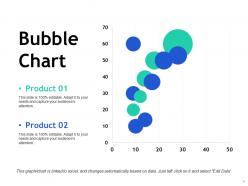
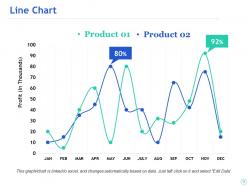
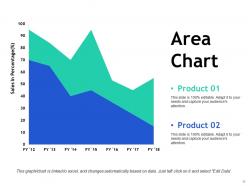
The following PowerPoint designs are for quality assurance related PPT presentations. Ensuring the quality and improvement of the product is a significant step in order to deliver well in the market. We have included appropriate topics after a thorough research for a complete solution. Quality control charts, daily control check sheet, defects tally sheet, quality management dashboard are few subjects of concern in the slides. Area chart, bubble charts, and line chart PowerPoint slides are included in the bundle for an in-depth study. You can reach your target audience and valuable clients by portraying your researched ideas. Text area communicating to each stage can be used to represent your business outlining, views on the current market and actions undertaken to achieve aspired goals. Get ignited with all new occurrences with our most appealing PPT template, quality control PowerPoint presentation slides and forget about disappointments. Click on the download button and proceed. Advocate a healthy jog with our Quality Control Powerpoint Presentation Slides. Elaborate on the innumerable benefits.
People who downloaded this PowerPoint presentation also viewed the following :
Content of this Powerpoint Presentation
“Quality is the result of intention, effort, direction, and skillful execution.” This quote by John Ruskin exemplifies how important quality monitoring is for a company. This collective effort with conscious decision-making ensures issues and defects in the products are not unnoticed, leading to dissatisfaction with customers.
Therefore, it is necessary to conduct regular quality control checks for all your projects to regulate the processes, check for defects, monitor their frequency, and note which defects occur more often. This will give you an action plan to manage these defects and always deliver quality products. Regular quality reassurance will help build trust with your customers and stakeholders and ensure your brand stays successful in the long run.
The Importance of Quality Control Templates
To make this process more manageable and easier, we have designed a range of structured and 100% customizable quality control slide templates. Use these templates to organize your data regarding defects, overall equipment effectiveness, issues in projects, defect resolution, and the scope of your projects. Creatively and graphically, you can check how well your quality check programs are turning out and how quickly you can resolve any defects.
PS: For more such quality control templates, check out our Operational Quality Control Slides and Pharmaceutical Precision Manufacturing And Quality Control templates.
Ready to take a look at these quality control templates? Let’s get started then.
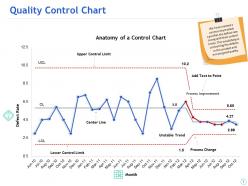
Template 1: Quality Control Chart
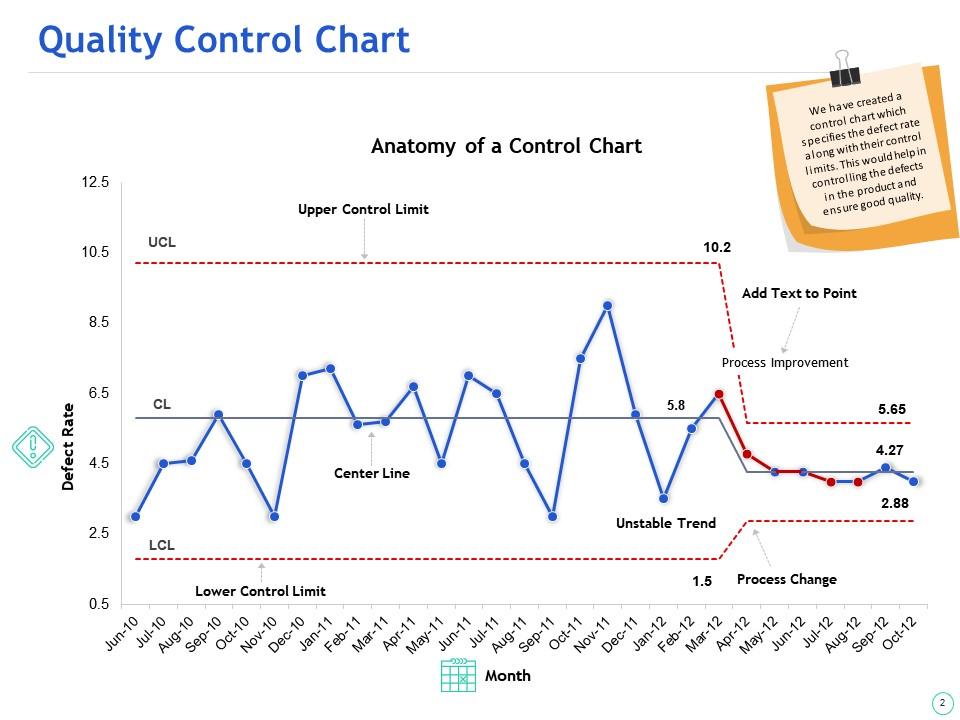
Monitoring the process and finding obstacles are crucial to producing a high-quality product. Use our Quality Control Chart Template to specify and track the defect rate along with the control limits. You can monitor the upper control limit, the lower control limit, process improvement, and defect rate from month to month. This will help you deliver high-quality products to your customers and stakeholders and ensure the success of your business.
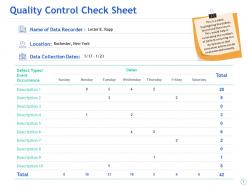
Template 2: Quality Control Check Sheet
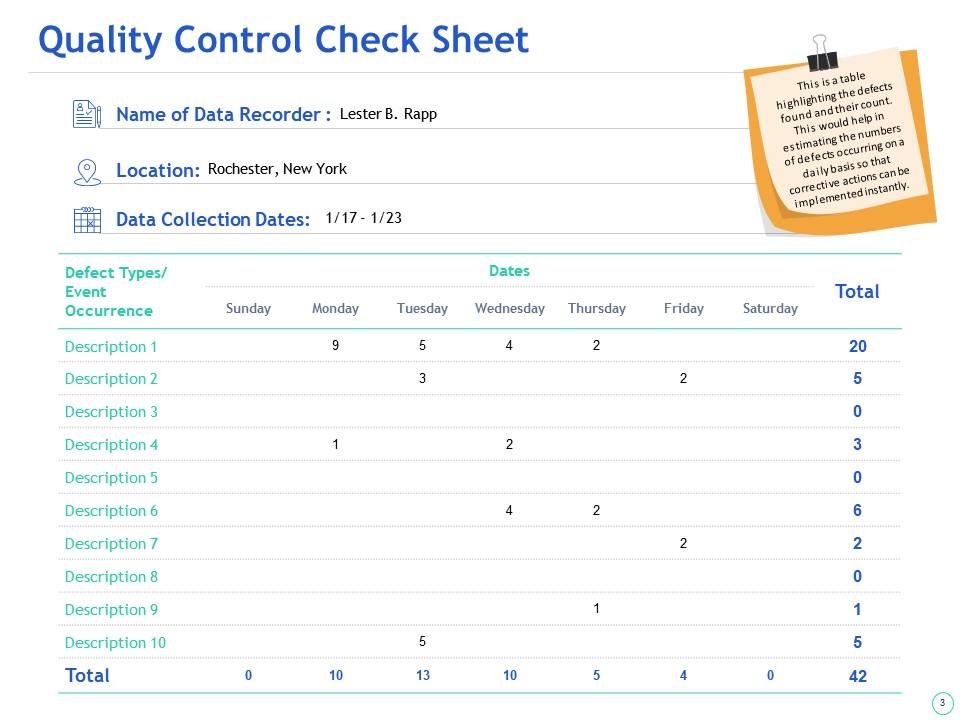
Do you need to monitor the products delivered to customers daily? This Quality Control Check Sheet provides a readymade format for tracking the number of defects occurring daily. This will help you notice the areas that need work and implement effective corrective action immediately to rectify these defects. You can list the name of the data recorder, the location, the dates, and the defect types/ occurrences daily.
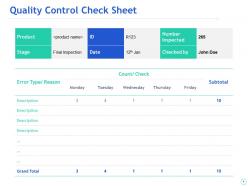
Template 3: Quality Control Check Sheet
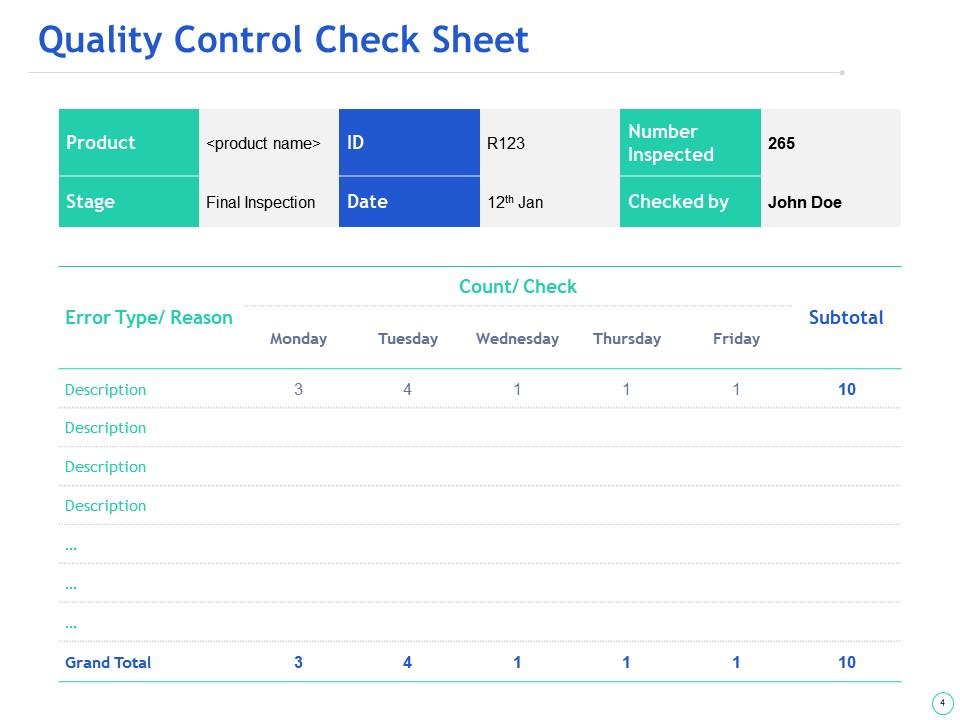
Use this PPT Slide to list all the product defects and process errors in your business. This check sheet provides a predesigned format for making quick decisions to detect how often these defects and errors occur and collect data regarding them. This will keep a check on the number and frequency of defects and ensure that your products are all quality-checked frequently.
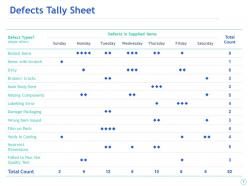
Template 4: Defects Tally Sheet
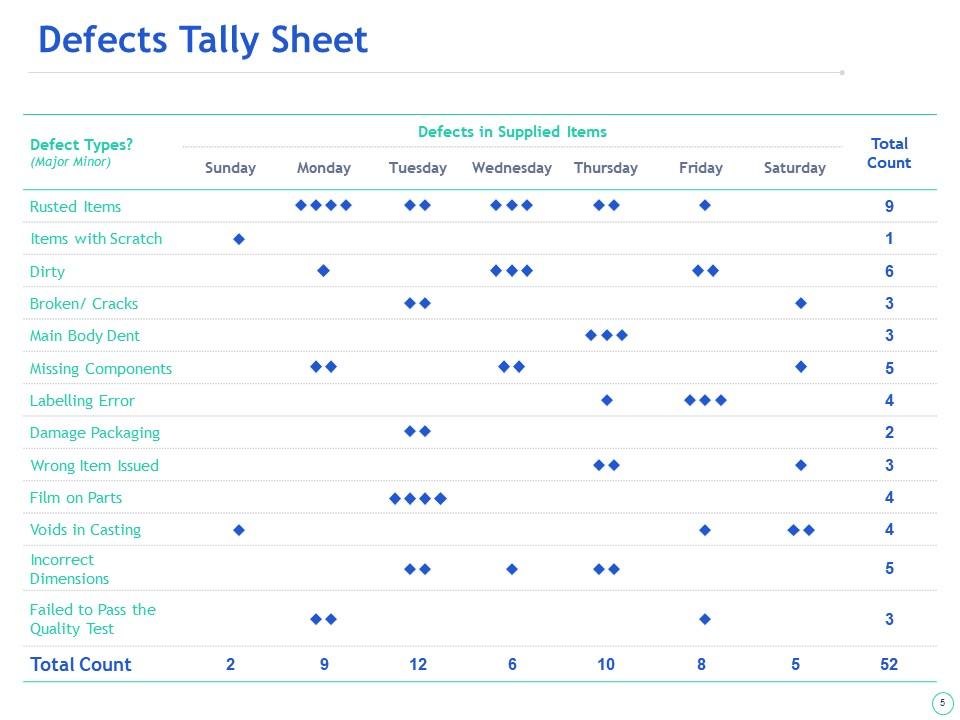
This PPT Template provides a readymade list of all the possible defects that can occur, like rusted items, items with scratches, dirty items, products with cracks, main body dents, missing components, incorrect dimensions, and more. You can tally these defects with your products supplied daily to see how many of these defects occur frequently and what the margin of these defects is. This will help design the actions to ensure these defects are removed and that you deliver quality products.
Template 5: Quality Dashboard
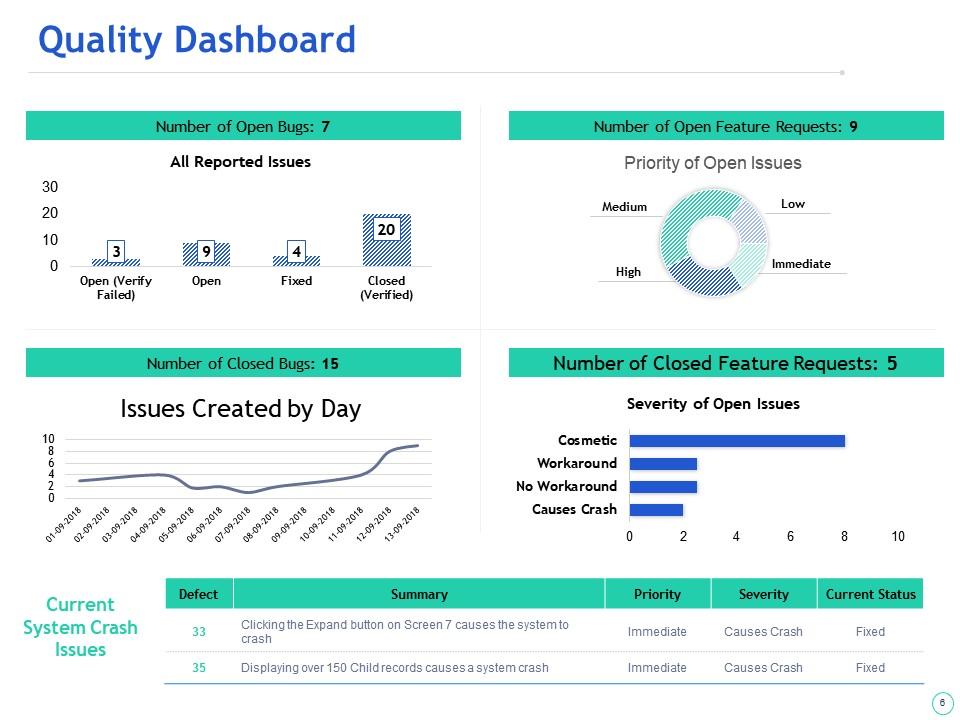
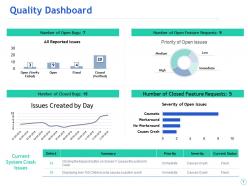
This Quality Dashboard template is perfect for organizations as it helps you understand bugs, systems operations, and open issues and how to resolve them. Use it to know how many open, closed, and verified bugs are reported along with the open feature requests in your company. You can also display the severity of open issues, such as workarounds and crashes. This will ensure you can prioritize the defects that need work and have these bugs sorted and fixed immediately for better quality assurance.
Template 6: Data Quality Dashboard
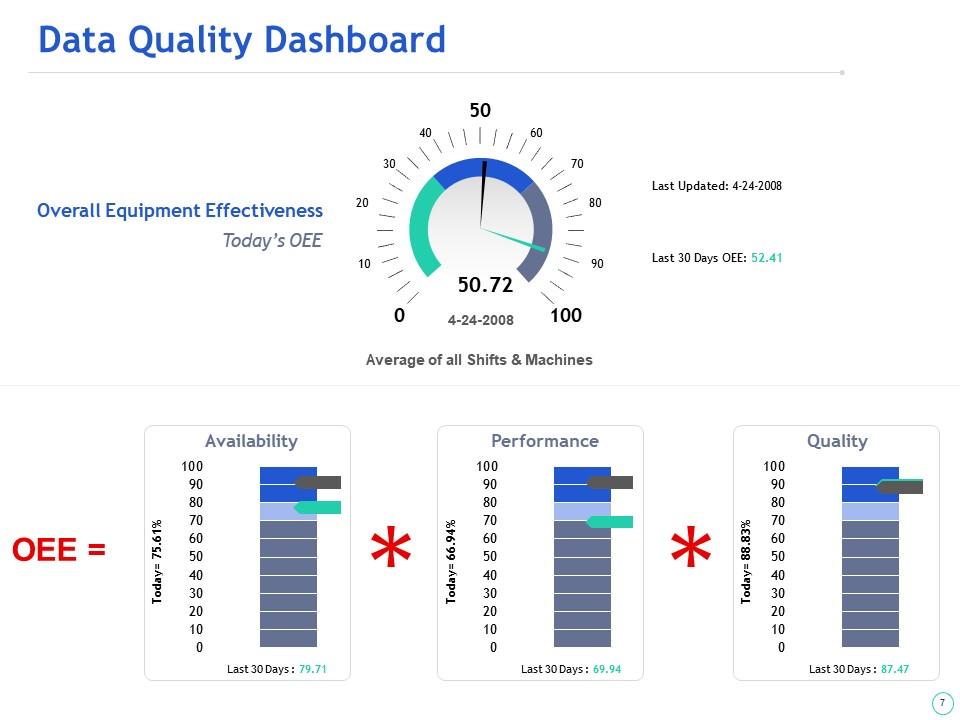
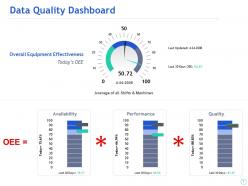
To measure the effectiveness of your equipment, utilize this Data Quality Dashboard, wherein you can use pie charts and creative graphics to showcase your quality performance. This can help you see how productive your shifts and machines are over a month, such as a month. You can also compare the availability, performance, and quality over the last 30 days to see the monthly Overall Equipment Effectiveness (OEE) percentage. Use this data to see which machines need improvement and maintenance to remove defects and which work well to stabilize production.
Template 7: Quality Management Dashboard
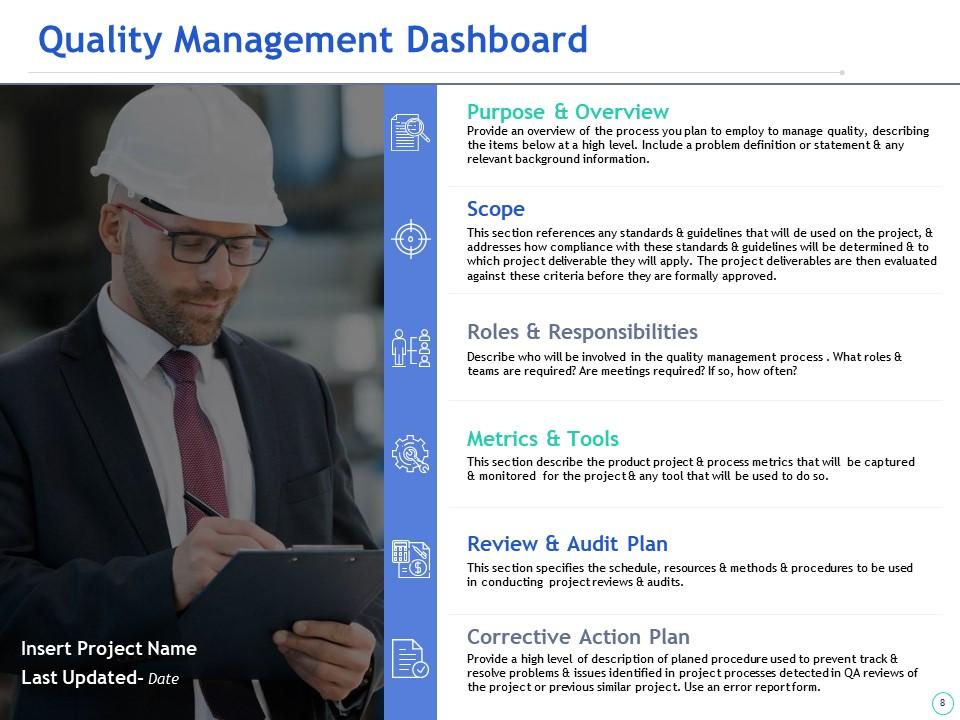
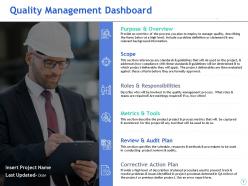
To optimize your quality content and ensure you are rolling out good products with minimum defects, you need this Quality Management Dashboard. Use this presentation to describe the purpose of the project, such as what method your company plans on using to ensure there are no defects, and you can even include your problem statement in this. Next, you can simplify the set project guidelines and compliance in the scope section. You can also lay out the roles and responsibilities of those involved in these quality checks and how often they should do so. Lastly, you can review the metrics, specify the resources for project audits, and learn how to prevent and track issues and problems to ensure no defects.
Ensuring Quality Assurance
Quality Control Checklists effectively identify possible defects in your products and their frequency. Use these PPT Templates to create an effective strategy for improving your products by conducting periodic quality checks and removing these defects. This will help you simplify all the information on hand and represent it clearly for effective and informed decision-making.
PS: If you have a construction business or any construction project, you can utilize these Quality Control Inspection Plans for Construction Safety.
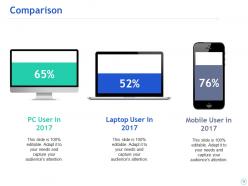
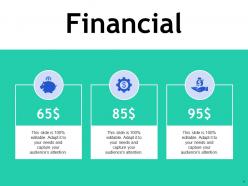
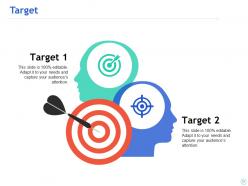
Quality Control Powerpoint Presentation Slides with all 25 slides:
Fuss over the audience with our Quality Control Powerpoint Presentation Slides. They will bask in the extra attention.






FAQs for Quality Control
You gotta nail down what "good quality" actually means first - document it so there's no confusion. Set up checkpoints at the spots where things usually go wrong. Regular inspections are obvious, but here's the thing most people mess up: you need someone actually digging into why problems happen, not just catching them after the fact. I'd map out your whole process and figure out the trouble spots first. Then build your monitoring around those areas. The feedback loop is honestly make-or-break though. Without that, you're just playing whack-a-mole with issues instead of preventing them.
Honestly, just focus on the basics - defect rates, customer complaints, and how many products pass quality checks the first time around. Returns are huge too because that's what actually hits your bottom line. I'd also track rework costs since those add up fast. Don't go crazy with like 15 different metrics though - pick maybe 3 or 4 that matter most to your specific business. Set up a simple dashboard to check monthly trends instead of getting bogged down in all the data. Customer satisfaction scores matter more than internal stuff sometimes, even if management doesn't always see it that way.
Honestly, you can't do quality control right anymore without tech backing you up. Automated systems spot defects way faster than we ever could - it's kind of crazy actually. AI helps catch patterns before they blow up into real problems, and IoT sensors give you live data on temps, vibrations, all that stuff. Machine learning even predicts issues by looking at old data trends. Still doing everything manually? You're probably missing things and burning time. I'd start small though - throw some basic automated testing at your most critical stuff first and see how it goes.
Look, continuous improvement stuff like Kaizen and PDCA cycles are game-changers for catching quality problems early. Instead of waiting for things to blow up, you're getting your team to regularly look at processes and make tiny tweaks that actually matter. Way smarter than the old "wait til it breaks" method we all used to do. Plus your whole crew starts caring about quality instead of just dumping it on the QC guys - which honestly makes their job way easier too. Just grab one process that's been driving you nuts and try a quick PDCA cycle this week.
Honestly, the worst part is dealing with people who hate change - they'll fight you on everything. Getting leadership to actually care is rough too since they think QC just costs money. Don't even get me started on trying to collect decent data when half your systems are from like 2010 and don't connect to anything. Budget's always tight for training and proper tools. My take? Pick one small process first, nail some easy wins to prove it works, then slowly branch out. Way less painful than trying to overhaul everything at once.
Honestly, quality control is all over the map depending on your industry. Pharma companies? They're doing crazy extensive testing because the FDA doesn't mess around and people's lives are literally on the line. Manufacturing focuses more on defect rates and keeping things consistent. Food industry is obsessed with contamination and shelf life - which makes sense. Tech is interesting because they're always doing user testing and hunting bugs, though half the time it feels like they just release stuff and let us figure out what's broken. Healthcare obviously prioritizes patient safety protocols. Construction worries about whether buildings will actually stay up. Really comes down to figuring out what quality means for your customers and what disaster you're trying to avoid.
Use real examples from your actual production line - people learn way better when they can touch the stuff they'll be checking. Cover the technical standards but also explain WHY each check matters. Understanding the purpose makes them better at spotting issues. I always share some disaster stories about failed QC (honestly keeps everyone awake during training). Have your experienced workers mentor the new folks for a few weeks. Don't make people feel dumb for asking questions - that's how you kill learning. Oh, and definitely do refresher sessions because skills get rusty surprisingly fast.
So data analytics basically lets you catch quality problems before they blow up into bigger issues. Track your defect rates and keep an eye on how your equipment's performing. Real-time dashboards are clutch here - you'll spot weird patterns right away. I'd also dig into your historical data to see what conditions usually cause problems. Honestly, it's almost like predicting the future sometimes. My advice? Don't go crazy at first. Pick maybe two metrics that matter most, see how it works, then add more once you're convinced it's worth it.
Dude, customer feedback is like having a crystal ball for spotting problems early. People will tell you exactly what's broken way before your internal team catches it. The crazy part? They use your stuff in totally random ways you'd never think to test for. I'd set up some kind of tracking system to catch patterns - like if five people complain about the same button not working or whatever. Then just feed all that info straight into your quality checks. It's honestly better than most metrics because it's real-world usage, not lab conditions.
Honestly, ISO standards are like having a cheat sheet for quality control - they give you this tested framework instead of making it up as you go. Most of your clients probably expect ISO certification anyway, so you're kinda stuck getting it. The cool thing is they force you to document everything properly and set up real testing procedures. Way better than just doing random quality checks when you remember to. Each industry has different ISO standards, so figure out which ones matter for you. Then just follow their roadmap - saves you from reinventing the wheel, you know?
Set clear quality specs upfront so everyone's on the same page. Do regular audits - mix scheduled ones with surprise visits (suppliers absolutely hate those but they're super effective). Check everything when it comes in before it hits production. Track supplier performance with scorecards over time. Honestly though, the biggest thing is building actual relationships with your suppliers. My old boss always said treat them like partners, not just vendors. When they trust you and feel valued, they'll actually call you when problems come up instead of trying to hide them.
Honestly, perfectionism is a productivity killer. Find that sweet spot between "good enough" and overdoing it. I'd focus your heaviest quality controls on stuff that actually matters - like what could hurt customers or your business. Everything else? Streamline those checks. Risk-based thinking really helps here. Map out your current processes and ask "what happens if this screws up?" For routine tasks, try sampling instead of checking every single thing. Automate the repetitive stuff if you can. The whole point is catching problems that actually matter without grinding everything to a halt. Start small and see what works.
Dude, skipping quality control is such a bad move - trust me on this one. You'll get slammed with defects, returns, maybe even recalls if you're unlucky. The rework costs are brutal and will destroy your margins. Your reputation gets trashed too, which honestly? That's the worst part because customers don't forget. Instead of growing your business, you're stuck putting out fires all day. I learned this the hard way at my last job. Build quality checks throughout the whole process, not just at the end. Way cheaper than dealing with pissed off customers later.
Good QC basically prevents customer headaches before they happen. Your products stay consistent, people trust you more, and they actually come back. Plus they'll tell their friends - which honestly is the best marketing you can get. Nobody wants to deal with broken stuff or sketchy service, right? So catching problems early beats scrambling to fix angry customer complaints later. I always think it's smarter to spend money preventing issues upfront. Way less stressful than playing damage control when things go sideways.
Dude, quality control is getting wild with AI and machine learning. Instead of catching defects after they happen, predictive analytics will spot them before. IoT sensors monitor everything in real time, plus automation handles inspections way faster than humans ever could. Digital twins let you test scenarios virtually - honestly that part blows my mind. Blockchain might track quality data too, though I'm still figuring out how useful that'll actually be. The whole field's shifting from reactive to predictive. My advice? Start messing around with AI tools and data analytics now - you'll need those skills to stay competitive.
-
Awesomely designed templates, Easy to understand.
-
Great experience, I would definitely use your services further.