


Software Development Life Cycle SDLC Management Powerpoint Ppt Template Bundles




Try Before you Buy Download Free Sample Product
 Impress Your
 Audience
 100%
100% Editable
 Save Hours
 of Time


Our Software Development Life Cycle SDLC Management Powerpoint Ppt Template Bundles are topically designed to provide an attractive backdrop to any subject. Use them to look like a presentation pro.
People who downloaded this PowerPoint presentation also viewed the following :
Software Development Life Cycle SDLC Management Powerpoint Ppt Template Bundles with all 26 slides:
Use our Software Development Life Cycle SDLC Management Powerpoint Ppt Template Bundles to effectively help you save your valuable time. They are readymade to fit into any presentation structure.






FAQs for Software Development Life Cycle SDLC Management Powerpoint
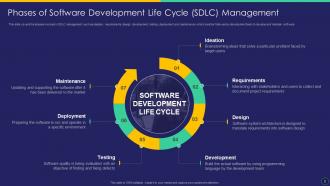
So there's like 7 main phases: planning, analysis, design, implementation, testing, deployment, and maintenance. First you gather requirements and figure out what you're actually building. Design comes next - architecture, user experience, all that stuff. Implementation is where you write the actual code (the fun part honestly). Testing happens after - and please test thoroughly because debugging in production sucks. Then you deploy and maintain it long-term. Agile vs Waterfall will change how these phases work, but every project hits these steps. I'd map out where your current project sits to see what deliverables you need next.
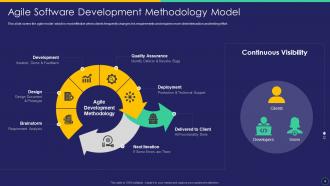
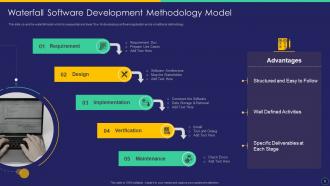
So basically Agile chops everything up into these short 1-4 week chunks called sprints. Way better than the old waterfall method where you're supposed to figure out every single requirement upfront (which is impossible, let's be real). You actually get working software fast and can pivot when things change. There's tons of feedback loops - daily standups, demos, retrospectives. The whole thing keeps moving instead of getting stuck in planning hell. Honestly if your requirements might shift or you need to show progress quickly, go with Agile. Traditional approaches are pretty rigid.
Look, requirements gathering is make-or-break for any project. You skip this step and you're basically asking for trouble - scope creep, blown budgets, the whole nightmare. I learned this the hard way on a project last year, ugh. Developers need solid specs to work with, otherwise they're just guessing. Document everything upfront so when people inevitably want changes (and they will), you've got something to point back to. It helps with realistic timelines too. Seriously, don't rush this part even if everyone's breathing down your neck to start coding.
Dude, seriously just overcommunicate everything. Way better than having people wonder what's happening. Get everyone on the same page about deadlines and what "finished" actually means - trust me on this one. Do quick demos instead of those boring status emails nobody opens. Document scope changes and make stakeholders approve them because scope creep will destroy your soul. Problems come up? Tell people right away, don't try to fix it secretly and hope nobody notices. Find a check-in rhythm that works and actually stick to it.
So for SDLC stuff, I'd go with Jira or Azure DevOps for tracking requirements and project management. Figma's solid for design work, though Lucidchart works too. Git is non-negotiable for development - GitHub or GitLab, whatever you prefer. Testing gets messy because there's so many options depending on what you're doing... Selenium, Postman, TestRail. Honestly testing tools are all over the place. Jenkins and Docker are good bets for deployment, or just use the CI/CD stuff built into your repo platform. Pick things that actually work together though - nobody wants to deal with tools that can't talk to each other.
Risk management should start right at the requirements phase with threat modeling - don't wait until later. Each SDLC stage needs its own risk checks. Hunt for security holes, performance issues, and integration problems early since fixing them costs way less upfront. Regular risk assessments during development help you stay ahead of new threats (and trust me, they pop up constantly). Testing is where you actually prove your risk controls work. Honestly, the biggest mistake teams make is treating this like a checkbox exercise instead of building it into sprint planning from day one.
Track cycle time and defect rates first - those two alone will tell you tons about how your process is actually working. Deployment frequency matters too. Honestly, I've seen way too many teams get obsessed with velocity numbers that don't mean anything without context. Code review time and test coverage are solid metrics if you're not drowning in data already. Customer satisfaction scores too, obviously. Pick maybe 3-5 things max that actually connect to what your team's trying to accomplish. Don't fall into the trap of measuring everything just because you can.
Oh man, DevOps is honestly a game-changer for development cycles. It kills those stupid silos where dev and ops teams barely talk to each other. Your deployment gets way faster through automation, and CI catches bugs before they become nightmares. The feedback loops tighten up big time too. Gone are the days of just tossing code over the fence and hoping for the best - god, I hated that. Real-time monitoring means you can roll back instantly when things go sideways. My advice? Start with automating your build pipeline first. That's where you'll notice the speed boost right away.
Ugh, the worst stuff is always time crunch, vague requirements, and catching bugs super late. Start testing early though - like, way earlier than you think. Get your acceptance criteria nailed down before anyone writes code. Automate the boring repetitive stuff so you're not doing it manually every time. Oh and make devs actually talk to testers! I swear, teams work in these weird bubbles. Your test environment should look exactly like production too - learned that one the hard way. Just don't treat testing like something you tack on at the end.
Dude, change management can literally save your project from disaster. I've seen too many teams get wrecked by scope creep - you know how it goes, everyone wants to add "just one tiny thing" and suddenly your timeline is toast. Set up a proper change control board first thing. Make it clear that nobody gets to bypass the process, even if they think their request is super urgent. Every change needs to get evaluated and documented properly. Otherwise you'll have stakeholders throwing random requirements at you left and right. Trust me, the extra bureaucracy is worth avoiding that headache later.
Daily standups are a must - they keep everyone on the same page. Use Slack or Teams so people can actually talk to each other throughout the day. Honestly, I've watched so many projects crash because the developers and business people might as well have been speaking different languages! Cross-functional workshops help bridge that gap. Document everything in a shared space everyone can access. Oh, and map out who does what upfront - saves tons of confusion later. The key is translating tech stuff for non-tech folks and vice versa. Start by figuring out where your communication breaks down.
So CI/CD basically stops you from doing those massive, terrifying releases where everything breaks at once. Instead you're constantly merging code and pushing out tiny changes - way less stressful. Bugs get caught early instead of blowing up in production. Your team actually starts trusting deployments again, which is honestly amazing after you've been burned a few times. The whole thing shifts from "let's pile everything together and hope it works" to manageable little updates. Oh, and start with automated builds first - you can't do anything else without that foundation anyway.
So here's what's worked for me - get users involved right from requirements gathering through interviews. Then mock up prototypes early for validation. Most teams screw up during development though, waiting way too long to test with real people. Set up beta groups or do staged rollouts instead. When you're testing, bring in actual users for usability sessions. QA engineers are great but they're not your end users, you know? After launch, build in feedback systems like in-app surveys and dig into your support tickets. Analytics help too. Just don't treat feedback collection like an afterthought - make it part of your actual process.
Document as you build, seriously don't put it off until the end. Keep your requirements, design choices, and API specs updated throughout the project. I've watched teams crash and burn when they skip this step. Put everything in version control with your code - makes life so much easier. Your README should actually help people (shocking concept, right?). Write down your deployment steps, create user guides, set up templates so everyone's on the same page. Oh and review docs during code reviews too. Trust me, future you will thank present you for not treating documentation like an afterthought.
Yeah so compliance stuff like SOX, HIPAA, PCI - they make you build documentation and security right into your development process from the start. No more winging it! Every phase needs proper records and approval gates that auditors can actually trace. Development cycles get longer, there's way more paperwork, and change management becomes super strict. Honestly though? It usually means better code quality and fewer midnight production disasters. I'd start by mapping your current process against whatever regs hit your industry - catch those gaps early before they bite you later.
-
Informative presentations that are easily editable.
-
Great designs, Easily Editable.