


Speaker Proposal Template Powerpoint Presentation Slides




Try Before you Buy Download Free Sample Product
 Impress Your
 Audience
 100%
100% Editable
 Save Hours
 of Time


A key speaker is a person who travels globally sharing insights about employee engagement, effective leadership, and workforce trends. An enthusiastic speaker can create winning situations for various conference attendees. A dynamic speaker educates and entertains the viewers in the different events. They increase the credibility and value of the event. Offer external speaking services to your potential clients by using our topic-specific Speaker Proposal Template PowerPoint Presentation Slides. You can showcase how your external speaker helps your client in increasing audience engagement and enhancing the funds. Design an impressive cover letter for your landing page that grabs the attention of your client. With the aid of this visually-attractive speaker proposal PPT layout, you can showcase the different steps your company uses for employee engagement. These are communication tools & technologies, the culture of accountability & measurement, real-life applications, branding through social media, and right selection & recruitment. Incorporate our template to explain the speaker's biography in a detailed manner. This will hold the interest of your clients. Take advantage of this outwardly engaging speaker proposal PowerPoint theme to highlight the proposed timeline your company takes to complete the different phases like pre-event preparation, during the event and post-event review. Take the help of this well-informative event announcer proposal PPT slide to provide the best external speaking services to the clients for the large engagement of their events. Employ our creatively designed speaker proposal PPT slide to portray the presentation formats your company provides such as burst, session, and workshops. This will give your client an idea of what format they have to select for their event. Use this speaker proposal PowerPoint presentation and talk about your past projects to increase the chances of your proposal selection. Be unique and highlight the quotes for public appearances by downloading our easy-to-customize speaker proposal PowerPoint presentation template.
People who downloaded this PowerPoint presentation also viewed the following :
Content of this Powerpoint Presentation
Slide 1: This slide displays Speaker Proposal Template. State Submission date, delivered date and begin.
Slide 2: This slide displays Cover Letter.
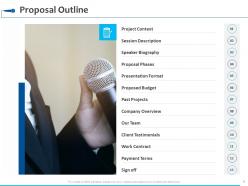
Slide 3: This slide shows Proposal Outline.
Slide 4: This slide depicts Proposal Outline.
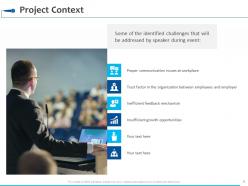
Slide 5: This slide describes Project Context. Some of the identified challenges that will be addressed by speaker during event:
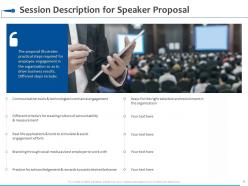
Slide 6: This slide describes Session Description for Speaker Proposal. The proposal illustrates practical steps required for employee engagement in the organization so as to drive business results. Different steps include:
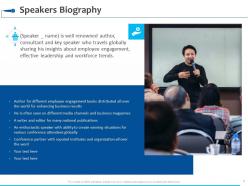
Slide 7: This slide showcases Speakers Biography.
Slide 8: This slide displays Proposal Outline.
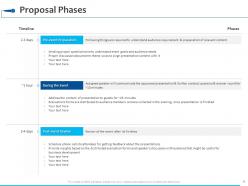
Slide 9: This slide depicts Proposal Phases.
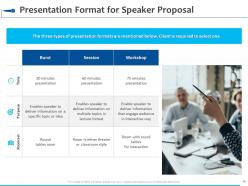
Slide 10: This slide showcases Presentation Format for Speaker Proposal.
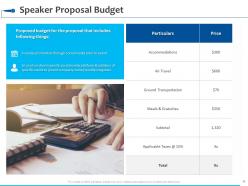
Slide 11: This slide describes Speaker Proposal Budget.
Slide 12: This is Our Team slide with Names and Designations.
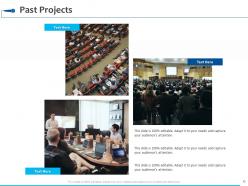
Slide 13: This slide shows Past Projects.
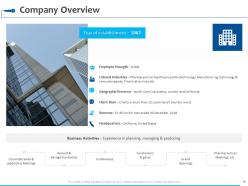
Slide 14: This slide describes Company Overview.
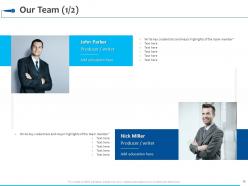
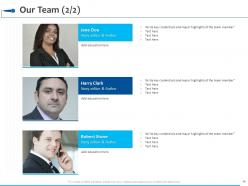
Slide 15: This is Our Team slide. Write key credentials and major highlights of the team member
Slide 16: This is Our Team slide with Names and Designations.
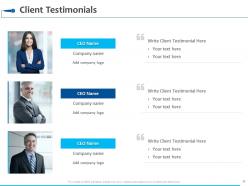
Slide 17: This slide displays Client Testimonials.
Slide 18: This slide dispplays Proposal Outline.
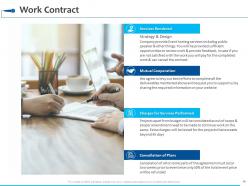
Slide 19: This slide describes Work Contract.
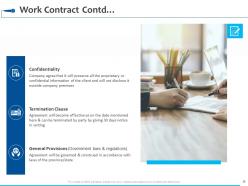
Slide 20: This slide is continued with Work Contract.
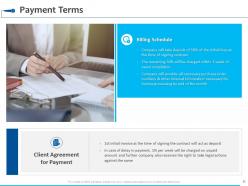
Slide 21: This slide describes Billing Schedule.
Slide 22: This is Sign Off slide.
Slide 23: This is Contact slide with Address, Contact number and Email address.
Slide 24: This slide is titled as Additional Slides for moving forward.
Slide 25: This is About Us slide to showcase Company specifications.
Slide 26: This is Our Mission slide with Mission, Vision and Goals.
Slide 27: This is 30 60 90 Days Plan slide.
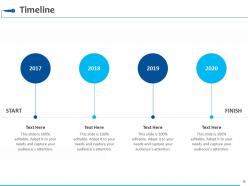
Slide 28: This slide displays Timeline process.
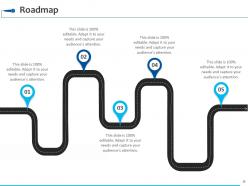
Slide 29: This slide shows Roadmap process.
Speaker Proposal Template Powerpoint Presentation Slides with all 29 slides:
Change the scenario with our Speaker Proposal Template Powerpoint Presentation Slides. Churn out ideas that are future friendly.
FAQs for Speaker Proposal Template
So you need the basics covered: session title, abstract, learning objectives, who it's for, and speaker bio. Include headshot and contact info too. AV needs and session length are crucial - seriously, sorting that stuff out later is such a headache. Add credentials and past speaking gigs if they have them. For paid events, throw in fee expectations and travel needs. Keep it short though, like 1-2 pages max or nobody's gonna read the whole thing. Oh, and leave room for speakers to explain what makes their session different from everyone else's.
Look, most people send terrible proposals - like seriously messy stuff - so having a clean template instantly makes you look professional. You'll hit all the boxes organizers want: what you're talking about, what people will learn, why you're qualified, basic logistics. Without it, you'll either ramble or forget something important and kill your shot. The real trick though? Make one solid template, then tweak the content for each event instead of generic copy-paste jobs. Way more effective than starting over each time, and you can actually match what they're asking for.
Honestly, the biggest thing I see people mess up is being super vague about their topic. Skip the generic "Leadership Tips" garbage - tell them exactly what attendees will walk away knowing. Your bio matters too, but don't write a freaking novel (seriously, some are like 3 paragraphs). Make it obvious why YOU should give this specific talk. Also, actually read their requirements? I know it sounds basic, but so many people ignore the theme completely. Double-check everything before you send it. Trust me on that one.
Honestly, audience is everything for speaker proposals. Research who'll actually be in the room first - C-suite folks need totally different content than junior devs or marketing teams. Think about their pain points and skill levels. What are they hoping to learn? Don't just pitch what you want to say; focus on what they actually need to hear. I learned this the hard way when I pitched way too technical for a general business crowd once. Match your examples and language to their world. Short version: know your people before you write anything.
Your title is basically make-or-break for getting noticed. Organizers see hundreds of proposals, so if yours sounds boring, they'll just skip it. I always tell people to think movie trailer vibes - you want something that makes people curious but also tells them exactly what they're getting. Specific beats vague every time. Like instead of "Leadership Tips" try "How I Turned Around a Failing Team in 30 Days." Keep it under 10 words though, or it gets clunky. Oh and definitely write like 5-10 options first - I usually run mine past a few people to see which one makes them actually want to show up.
Visuals should back up your main points without going overboard. Definitely include a good headshot - first impressions matter. Maybe throw in some pics from past speaking gigs and simple charts showing your audience feedback or engagement numbers. But seriously, don't be that person who makes their proposal look like a kindergarten art project with graphics everywhere. Two or three solid, high-res images max. They need to work for both digital and print, which is annoying but whatever. The whole point is showing them you're their speaker, not just drowning them in pretty pictures.
Look up each conference beforehand - check their audience, themes, what speakers talked about last year. Your DevOps pitch needs totally different angles than your startup summit one, even if it's the same core material. I've watched so many people send identical copy-paste proposals and wonder why they get rejected. Honestly, it's kind of obvious when someone didn't do their homework. Tailor your title and abstract to hit their attendees' real problems. Use their community's language. Takes maybe 30 minutes per submission, but way better than shotgunning generic proposals everywhere and hoping something sticks.
Your speaker bio is what gets you booked, so don't mess it up. Tailor it to your specific talk—none of that copy-paste LinkedIn stuff. Include your relevant experience and current role, plus any speaking creds that actually matter for this topic. Two or three short paragraphs max. Honestly, most people write the most boring bios ever, so throw in something that shows your personality at the end. Makes you way more memorable than "seasoned professional with extensive experience" nonsense. You want organizers thinking "this person gets it" not "meh, another generic speaker."
Here's the thing - skip the generic content descriptions and get straight to what people actually get out of it. Lead with something that hits their real problems, like "tired of putting everyone to sleep in meetings?" instead of boring "presentation skills workshop." Be super specific about results. Don't say "we'll cover marketing tactics" - say "you'll walk away with 3 tactics that boost email opens by 25%." Numbers work. I always think about it this way: if someone's boss asks them next week what they learned, they should have a clear answer. Connect everything back to what actually matters to their audience and event goals.
First thing - check their guidelines since most conferences want 250-500 words. No guidelines listed? Go with 300-400 words, that's usually safe. You'll have enough room to explain your topic and why you're qualified without boring the reviewers to death. They're sifting through tons of these things, so being clear matters way more than sounding fancy. Honestly, I'd rather go too short than ramble on forever - you can dive deeper in the actual presentation anyway.
Honestly, you should totally add some multimedia stuff to your proposal. A quick video from a past talk or even just a few slide previews will make you look way more legit than pure text. Think about it - these reviewers are slogging through like 50+ boring submissions, so anything visual immediately grabs their attention. It shows you actually know what you're doing tech-wise too. Don't go overboard though. One solid video clip beats dumping tons of content on them. Oh, and lead with whatever your best visual piece is - that's what they'll remember.
Your past talk feedback is pure gold for fixing your proposal template. Check what topics got people pumped, what questions they kept asking, and yeah... what bombed (happens to everyone). Use that intel to beef up the stuff that worked. Here's something I learned the hard way - if audiences always call your talks "practical" or whatever, steal those exact words for your proposals. That's your brand now. Start with your greatest hits when you submit. Questions that came up a lot? Turn those into talking points. Your acceptance rate will thank you later.
Focus on numbers that show people actually showed up and engaged - attendance figures, social media reach, speaker ratings from past gigs. Honestly, even tiny local meetups work if you got good feedback. Throw in download counts, email list growth, workshop completions, whatever you've got. The qualitative stuff matters too though - testimonials hit different than just raw numbers. LinkedIn recs and attendee quotes are solid gold. Here's the thing: match what you lead with to their vibe. Marketing conference? Start with conversion rates, not follower counts. They care about results that translate to their audience.
Start with something that makes people go "wait, what?" - like a weird stat or the exact problem you're fixing. Don't waste time on obvious stuff like "communication matters" because... duh. Jump right into what makes your talk different. Be specific instead of vague - say "three ways to cut meetings in half" not "explore communication methodologies" (honestly, that phrase makes me cringe). Your last line should be a promise. What will people actually walk away knowing? Make it concrete so they think "yeah, I need that." Skip the corporate speak and just tell them what they're gonna get.
Speaker proposals have totally changed - nobody wants the boring "here's my bio" stuff anymore. You need to show exactly what people will learn and how you'll keep them engaged. Video pitches are huge now, which honestly makes total sense since organizers want to see if you can actually present well. Case studies work way better than just listing credentials. Oh, and definitely grab quotes from past audiences - that social proof is gold. The whole thing should feel less like a resume and more like "here's the specific problem I'll solve for your people." Way more interactive than the old-school approach.
No Reviews