


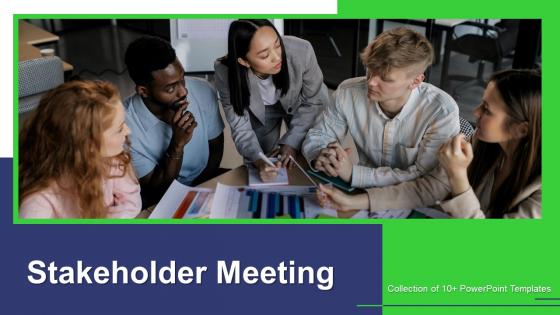
Stakeholder Meeting Powerpoint Ppt Template Bundles




Try Before you Buy Download Free Sample Product
 Impress Your
 Audience
 100%
100% Editable
 Save Hours
 of Time


Our Stakeholder Meeting Powerpoint Ppt Template Bundles are topically designed to provide an attractive backdrop to any subject. Use them to look like a presentation pro.
People who downloaded this PowerPoint presentation also viewed the following :
Stakeholder Meeting Powerpoint Ppt Template Bundles with all 17 slides:
Use our Stakeholder Meeting Powerpoint Ppt Template Bundles to effectively help you save your valuable time. They are readymade to fit into any presentation structure.

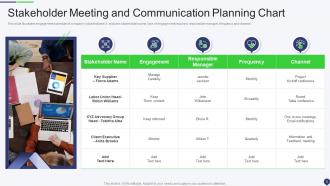
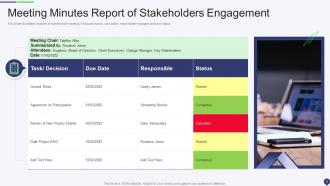
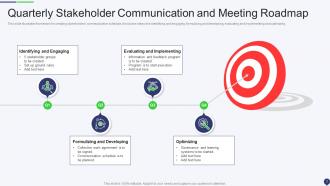
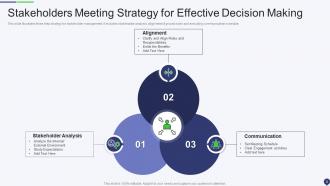





FAQs for Stakeholder Meeting Powerpoint
Here's the deal - figure out who actually matters to your project first, then talk to them like real people. Don't just ask for input and then ghost them (I've seen this happen way too many times). Be upfront about how much say they'll actually have in decisions. Timing matters too - bring the right folks in when their expertise is needed, not just whenever. Oh, and keep everyone in the loop as things develop. Honestly? Most people can smell fake engagement from a mile away, so just be genuine about it. Map out who's got real stakes in this thing and build from there.
Start by listing everyone who touches your work - employees, customers, suppliers, regulators, the community. Even competitors sometimes (weird but true). Make a simple grid ranking them by how much influence they have versus how interested they are in what you're doing. High/low on each side. Here's what I learned the hard way - ask other departments who THEY deal with. Sales people know totally different stakeholders than HR does. Also don't miss the quiet ones who don't complain but still get affected by your decisions. Focus on your high-influence, high-interest people first, but honestly? The others can become important pretty fast when things change.
Start with that influence/interest grid thing - just plot everyone based on their power vs how much they actually care. It's super visual and doesn't take forever. Then I'd interview your top stakeholders to double-check you're not totally off about them. Surveys work too if people are scattered everywhere. Network mapping gets complicated but shows you who's really pulling strings behind the scenes. Oh, and don't forget to update this stuff regularly because stakeholder politics change constantly. Honestly, the grid plus talking to 5-7 key people will get you 90% there.
Track the obvious stuff first - participation rates, response times, survey completions. But honestly? The real gold is in whether people actually feel heard. Send follow-up surveys about relationship quality and do some basic sentiment tracking. Here's what most people miss though - you've gotta close the loop. Show stakeholders how their input changed your decisions, even if it's just small tweaks. Oh, and share your results back with them! Transparency builds trust. Start with maybe 3-4 metrics max so you don't drown in data.
So basically, you gotta match your message to who you're talking to. Board members want those fancy formal reports and quarterly stuff. But your frontline team? They're way more into quick Slack messages or just regular team meetings. Community groups love town halls where they can actually jump in and ask questions - honestly, those are way more effective than people think. Don't do that thing where you send the same boring email to literally everyone. Map out each group and figure out what they actually prefer. You'll get so much better responses when you tailor it.
Look, you've gotta actually bake feedback into your process instead of just collecting it and crossing your fingers. Regular review meetings help - discuss what stakeholders said right alongside your financial numbers. Honestly, most companies do this performative "feedback theater" thing where they ask but never listen. Don't be those people. Track how input actually changed your decisions, then tell people what happened with their suggestions. Oh, and start with just one area first - trying to do everything at once is a recipe for burning out. Simple tracking system works fine.
Oh man, stakeholder engagement is a nightmare sometimes! People don't show up half the time, and when they do, everyone wants totally different things. Communication falls apart fast - like, stakeholders feel ignored or think their feedback goes nowhere. Money's always tight too, which sucks because good engagement isn't cheap. Some folks are just impossible to deal with, honestly. What really kills me is when organizations ask for input but clearly already decided what they're doing. Start with super clear communication channels and actually tell people how you'll use their feedback. Trust me, transparency fixes most problems before they even start.
So digital tools are honestly a game changer for stakeholder stuff. Virtual meetings, online surveys, real-time polls - you'll reach way more people than boring old-school methods. Social media and engagement apps are great because people can jump in whenever they want. Analytics help you see who's actually participating and what they really think about things. The data insights are pretty wild, not gonna lie. Just make sure you pick platforms your stakeholders already use - I've seen people waste money on fancy tools nobody touches. Oh, and don't forget mobile-friendly options since everyone's on their phones anyway.
First thing - figure out who actually matters and who'll get hit by whatever changes you're making. Don't just think about the obvious people. Get them involved early instead of blindsiding everyone later. Be honest about what you're trying to do and when it'll realistically happen (missed deadlines piss people off). Mix up how people can give input - workshops, surveys, quick check-ins, whatever works. Then here's the thing that trips up most people: you've got to actually use their feedback. Like, genuinely change your plans based on what they tell you. People know when you're just going through the motions.
Honestly? Do it quarterly if possible, but at minimum once a year. Things move crazy fast these days - new people pop up, priorities flip, and last year's approach might be completely wrong now. Major stuff like product launches or mergers mean you can't wait for your normal schedule though. Jump on it right away when big changes happen. I learned this the hard way actually. The whole point is being flexible instead of stuck with some plan that's already outdated. Oh, and actually put reminders in your calendar or you'll forget.
Honestly, transparency is huge here - don't pretend you're listening if you've already made up your mind. That's just annoying for everyone involved. Make sure you're actually hearing from different people, not just whoever shows up to meetings or emails you back first. Different groups will want totally opposite things sometimes, which gets complicated fast. Short sentences help. But having clear processes from the start makes it way less of a headache later. The biggest thing though? Actually show people how their feedback changed what you did. Otherwise they'll never trust you again.
Oh man, culture stuff is huge for stakeholder work. What flies in one place can totally bomb somewhere else. Like, being super direct might work great in the US but could seriously mess things up in places where saving face matters more. You've got to switch up everything - how you talk, run meetings, make decisions, even timing. Honestly, some cultures want relationship-building first before any business talk happens. Others are all about hierarchy vs consensus. I'd definitely research their cultural norms beforehand. Saves you from those cringe moments and actually builds way better relationships.
Honestly, I'd start with whatever you're already using. If your team's on Salesforce or HubSpot, those work great for tracking stakeholder stuff. Monday.com and Asana have decent features for this too. But real talk? Don't sleep on spreadsheets - they're boring but they actually work, especially for smaller projects. There's also specialized tools like Tractivity if you want to get fancy. Or just use shared docs in Teams or Google Drive. The biggest thing is making sure everyone will actually use it consistently. I've seen too many teams pick something complicated that just sits there collecting digital dust.
Honestly, regs basically run the whole show when it comes to stakeholder engagement. First thing - figure out who has actual legal standing versus who's just "nice to have" (trust me, auditors won't care about the second group). You can't mess around with timing either since those deadlines are set in stone. Documentation becomes way more intense too - everything needs to pass an audit. Oh, and definitely map out all your regulatory stuff before building your engagement plan. Don't try adding compliance as an afterthought because that's just asking for headaches later.
Don't just wait around for diverse voices to show up - you've gotta go find them. Partner with community orgs that already have those relationships built. Mix up how people can participate: surveys, focus groups, casual coffee meetings, whatever works. Oh and make sure your materials actually make sense to different communities - I've been to way too many "inclusive" meetings that were totally tone-deaf. Give people options to join online, in-person, or even anonymously if they want. Here's the key part though: actually show them how you used their feedback. Otherwise they'll think you're just checking boxes and won't bother next time.
-
The website is jam-packed with fantastic and creative templates for a variety of business concepts. They are easy to use and customize.
-
Wonderful ideas and visuals. I'm really pleased with the templates, which are unique and up to date.