

Stones powerpoint presentation slides




Try Before you Buy Download Free Sample Product
 Impress Your
 Audience
 100%
100% Editable
 Save Hours
 of Time


Get your thoughts to their comfort zone. Let our Stones Powerpoint Presentation Slides mould the surroundings.
People who downloaded this PowerPoint presentation also viewed the following :
Stones powerpoint presentation slides with all 37 slides:
Pick up the tab with our Stones Powerpoint Presentation Slides. Your ideas will allow you to pay the bills.


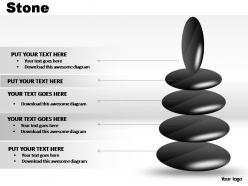
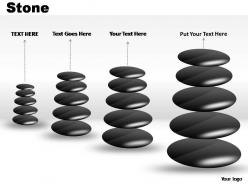

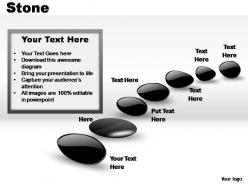

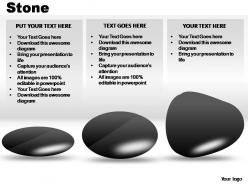


FAQs for Stones
So for construction stones - granite's your best bet for countertops since it handles heat like a champ. Limestone works great on building facades, weathers really nicely too. Marble looks amazing but ugh, don't spill anything acidic on it or you'll hate yourself later. Sandstone's pretty versatile, cuts easy but gets harder once it's exposed to air which is kinda cool. Slate's clutch for roofs and floors because water just rolls right off. Oh, and definitely think about what weather conditions you're dealing with before picking anything - saves headaches down the road.
Dude, geological processes are basically nature's factory settings for rocks. Fast cooling = fine grains, slow cooling = chunky crystals like in granite. Sedimentary rocks get compressed and layered, so their hardness varies a ton. But metamorphic processes? Total game changer - heat and pressure literally restructure the minerals. It's honestly pretty crazy when you think about it. Oh, and pro tip: always check how a stone formed before picking it for projects. That'll tell you everything about durability and how easy it'll be to work with.
Dude, gemstones have basically been everything to every culture - status symbols, spiritual stuff, even money. Ancient Egyptians buried them with pharaohs, medieval kings wore them in crowns, and Asian cultures used them in medicine. Wars literally started over these rocks! Different places had their own meanings too. Chinese people loved jade for wisdom, Indians thought rubies brought protection, Europeans believed sapphires meant God's favor. It's wild how the symbolism matched what each society cared about most. Honestly, if you're studying any historical period, just look at their gemstone practices - tells you so much about what they valued.
So hardness basically tells you what you can do with different stones. Granite and quartzite? Those are your heavy-duty options - perfect for countertops and anywhere that gets beat up daily. They won't scratch easily. Softer ones like limestone work amazing for carving since they're way easier to shape, but they'll definitely wear down outside over time. Oh, and marble looks gorgeous but it's kind of a pain - acids will etch it (don't spill wine on it). Just think about how much abuse the stone will take and pick accordingly.
So there's basically three ways they get the stone out - quarrying from surface deposits, underground mining for the deep stuff, and hydraulic splitting when they need precision cuts. Most people think of quarrying with those huge machines carving blocks from hillsides. Processing involves diamond wire saws or water jets for cutting, then polishing based on what it's used for. Some places still use controlled blasting but honestly that's becoming pretty rare with better tech. Oh, and definitely ask suppliers about their extraction method - it makes a difference for quality and how much they're trashing the environment.
Okay so stones are literally game-changers for landscaping. They give you structure and texture that plants just can't match. Great for pathways, retaining walls, or even just borders around flower beds. Gravel is amazing for drainage - learned that the hard way when my yard turned into a swamp last spring lol. Way less maintenance than replanting stuff constantly too. Just make sure you pick stones that actually go with your house style and colors. I'd start with something simple like a border or small pathway first. You'll be shocked how much difference it makes!
Yeah, quarrying's pretty rough on the environment tbh. Habitat destruction is the big one - they basically strip entire areas. All that blasting and heavy machinery creates tons of dust and noise pollution too. Groundwater gets messed up, and don't even get me started on trucking those massive stone blocks around everywhere. The Romans somehow figured it out without diesel engines, which is honestly impressive when you think about it. Runoff can screw with local water systems. If you're set on natural stone though, maybe look for quarries doing restoration work or just go with reclaimed stuff instead?
Oh nice! Okay so there's a few ways they handle old stone. Consolidation is big - basically injecting polymers or lime mortars into cracks to strengthen everything from inside. Repointing too, where you replace all that crumbling mortar between stones. Cleaning's probably the trickiest part though. Laser cleaning and gentle chemicals work great, but pressure washing? Total disaster for the surface. Some places add protective coatings after. Honestly if you're working on anything like this, get a stone conservator involved early. They'll know exactly what your specific stone needs - marble vs limestone vs whatever, you know?
Yeah so stones mean totally different things depending where you are. Jade is huge in Asian cultures - like they see it as pure and wise. We're more obsessed with diamonds here for the whole status thing. Aboriginal Australians actually view Uluru as a living ancestor, which honestly blows my mind. Some African traditions think certain stones can heal you or connect you to ancestors. Oh and if you're dealing with international stuff, maybe look up what stones matter locally? Don't want to accidentally offend someone over a rock lol.
People have been using stones for healing forever - crystals, hot stones, you name it. Different stones supposedly do different things, like amethyst for relaxation or quartz for mental clarity. Hot stone massage is legit amazing for sore muscles though. Chinese medicine uses jade, Ayurveda has gemstones too. Look, the science isn't really there, but sometimes the placebo effect works wonders. Plus it's just relaxing. I'd definitely start with hot stone massage if you're curious - way less woo-woo than crystal shops but still gets you into the whole stone thing.
So yeah, color and texture basically make or break the price on stones. Those crazy vibrant ones - like deep emerald or rich blue? You'll pay through the nose for those compared to boring grays and browns. Polished surfaces cost more too, especially marble with cool veining patterns. It's honestly pretty similar to art collecting sometimes - the weirder and rarer it looks, the more people want it. Oh, and definitely compare similar pieces before you buy anything. Don't get stuck overpaying because you didn't do your homework first.
Dude, CNC machining and waterjet cutting are total game-changers - precision you just can't get by hand. Robotic fabrication handles all the repetitive stuff now, which honestly looks crazy futuristic when you see it working. Digital templating with 3D scanning kills measurement errors completely. The automated polishing gets surfaces way more consistent too. CAD integration means design to finished piece with barely any manual work - though I still prefer doing some stuff by hand, old habits I guess. But seriously, if you're upgrading, start with digital templating first. It'll save you tons of headaches and you won't waste nearly as much material.
Honestly, it's pretty messy out there. Workers in quarries deal with sketchy safety conditions, and the environmental impact is rough - water sources get wrecked, ecosystems destroyed. Supply chains are a total black box too. You'll have no clue where your stones actually came from unless you really dig. My advice? Grill suppliers about certifications. Visit sites if you can swing it. Look for vendors who can actually prove they're not screwing over workers or the environment. It's extra work but worth it - nobody wants to accidentally support some nightmare operation, you know?
Honestly, stones are amazing to work with - you can carve them the old-school way or just use them raw as found objects. Andy Goldsworthy does these crazy temporary outdoor pieces with natural stones, while other artists mix them into gallery work for texture. The weight thing is what I love most though. Makes everything feel so permanent and solid, you know? You can polish them smooth or leave them totally rough. Even breaking them apart works sometimes. Oh, and if you're just starting out, definitely grab some river rocks first - they're way easier to experiment with than trying to wrestle with massive chunks of marble or whatever.
Dude, stones are literally perfect for green building. They last forever - like centuries without needing replacement. Plus they naturally regulate temperature which is pretty cool. Most areas have local quarries so you're not shipping materials across the country. Zero chemicals needed too, which beats a lot of other options. Oh and you can totally salvage stones from old buildings if you find any being torn down. I'd honestly just start by googling what stone types are available near you - that's gonna be your cheapest and most eco-friendly bet.
-
Best way of representation of the topic.
-
Very unique and reliable designs.