

Strategic Framework To Manage IT Infrastructure Powerpoint Presentation Slides Strategy CD V




Try Before you Buy Download Free Sample Product
 Impress Your
 Audience
 100%
100% Editable
 Save Hours
 of Time


Efficiently managing IT infrastructure is vital for businesses to achieve excellence and cost leadership. Our Strategic framework to manage IT infrastructure template provides a comprehensive overview of the technologies and IT initiatives necessary to align with business objectives. This IT Infrastructure deck covers critical topics such as IT infrastructure management, automation, risk management, and improved marketing strategies. The presentation showcases the role of technology leaders in managing IT department performance, and highlights the role of the IT steering committee in attaining cost leadership. Additionally, the IT automation PowerPoint presentation provides insights into the latest IT trends, such as hyper automation, edge computing, artificial intelligence, and extended reality. The template also includes dashboards for tracking IT security incidents and customer satisfaction. With our powerful template, businesses can develop a well designed IT strategy plan that aligns with their business objectives. Dont miss the opportunity to get access to this comprehensive and customizable template.
People who downloaded this PowerPoint presentation also viewed the following :
Content of this Powerpoint Presentation
Slide 1: This slide introduces Strategic Framework to Manage IT Infrastructure. State your company name and begin.
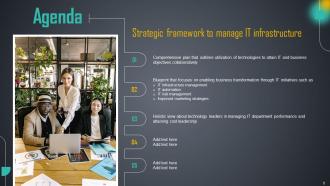
Slide 2: This slide depicts the Agenda of the presentation.
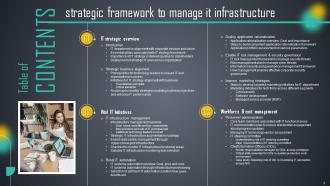
Slide 3: This slide shows Table of Content for the presentation.
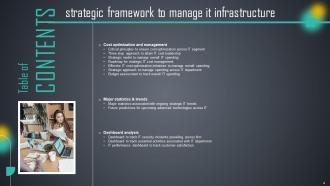
Slide 4: This is yet another slide continuing the Table of Contents.
Slide 5: This slide highlights the Title for the Topics to be discussed next.
Slide 6: This slide provides information regarding IT department aligning with the corporate mission and vision and IT guiding principles.
Slide 7: This slide covers the Essential pillars associated with IT strategy framework.
Slide 8: This slide displays the Importance of IT strategy in delivering value to stakeholders.
Slide 9: This slide deals with the Deployment of strategic IT plan across organization.
Slide 10: This slide mentions the Heading for the Contents to be discussed further.
Slide 11: This slide provides information regarding IT professionals prerequisites to enable firm & IT success.
Slide 12: This slide focuses on Initiatives for IT strategy alignment with business: Foundational principles.
Slide 13: This slide portrays the Initiatives for IT strategy alignment with business: Critical elements.
Slide 14: This slide provides information regarding a roadmap to track initiatives that support business goals and enhance IT performance.
Slide 15: This slide depicts the Title for the Ideas to be discussed further.
Slide 16: This slide emphasizes on infrastructure management overview by highlighting goal, types, benefits and key components.
Slide 17: This slide provides information regarding infrastructure management overview by highlighting best practices and role of IT professionals.
Slide 18: This slide focuses on the Infrastructure management overview: Additional technology leaders involved.
Slide 19: This slide exhibits information about the strategic IT infrastructure augmentation roadmap.
Slide 20: This slide deals with Enabling data centre management through hyper-converged infrastructure.
Slide 21: This slide provides information regarding the checklist to monitor IT infrastructure focus areas.
Slide 22: This slide talks about the Suitable IT infrastructure monitoring tool selection.
Slide 23: This slide exhibits the Heading for the Ideas to be discussed further.
Slide 24: This slide gives information about the IT systems automation which helps restrict time-consuming tasks and improves scalability of IT operations.
Slide 25: This slide reveals IT systems automation through infrastructure provisioning.
Slide 26: This slide deals with the Selection of optimum IT automation solution.
Slide 27: This slide covers the Title for the Components to be discussed further.
Slide 28: This slide provides information regarding an overview of application rationalization which helps in enhancing efficiency and limit complexity.
Slide 29: This slide states the Steps to build competent application rationalization framework.
Slide 30: This slide continues the Steps to build competent application rationalization framework.
Slide 31: This slide focuses on the Application portfolio assessment on various parameters.
Slide 32: This slide highlights the Heading for the Topics to be covered next.
Slide 33: This slide provides information regarding the implementation of IT risk management framework to monitor security threats.
Slide 34: This slide focuses on the Risk management plan to manage cyber threats.
Slide 35: This slide shows Information security and governance management framework.
Slide 36: This slide portrays information regarding the management role in effective corporate security governance by highlight management level, strategic alignment, etc.
Slide 37: This slide mentions the Title for the Topics to be discussed in the upcoming template.
Slide 38: This slide provides information about the various steps required to develop target marketing initiatives for IT department.
Slide 39: This slide continues the steps required to develop target marketing initiatives for IT department.
Slide 40: This slide exhibits the Marketing initiatives for tech firms across different segments: Cybersecurity.
Slide 41: This slide highlights the marketing initiatives for a technology firm across the software development segment.
Slide 42: This slide showcases the marketing initiatives for a technology firm across the managed service provider(MSP) segment.
Slide 43: This slide contains the Heading for the Contents to be covered in the following template.
Slide 44: This slide represents the Core team members associated with IT functional areas.
Slide 45: This slide provides information regarding IT communication plan to manage stakeholder engagement for progress updates.
Slide 46: This slide diplays Managing IT technology vendor assessment.
Slide 47: This slide focuses on Understanding role of IT steering committee.
Slide 48: This slide highlights the Major responsibilities of IT steering committee.
Slide 49: This slide reveals the Pivotal responsibilities managed by CIOs across workplace.
Slide 50: This is yet another slide continuing the Pivotal responsibilities managed by CIOs across workplace.
Slide 51: This slide portrays the Critical skills essential for CIOs to sustain productive work environment.
Slide 52: This slide provides information regarding case study highlighting role of CIO in revamping IT perception across firm.
Slide 53: This slide elucidates the Title for the Ideas to be covered further.
Slide 54: This slide shows the Critical principles to ensure cost optimization across IT segment.
Slide 55: This slide illustrates the Three-step approach to attain IT cost leadership.
Slide 56: This slide displays the Strategic model to manage overall IT spending.
Slide 57: This slide exhibits the Roadmap for strategic IT cost management.
Slide 58: This slide focuses on Effective IT cost optimization initiatives to manage overall spending.
Slide 59: This is an extension slide of Effective IT cost optimization initiatives.
Slide 60: This slide reveals the Strategic approach to manage spending across IT department.
Slide 61: This slide highlights the Budget assessment to track overall IT spending.
Slide 62: This slide incorporates the Heading for the Ideas to be covered in the forth-coming template.
Slide 63: This slide emphasizes on the Major statistics associated with ongoing strategic IT trends.
Slide 64: This slide talks about the Future predictions for upcoming advanced technologies across IT.
Slide 65: This slide elucidates the Title for the Contents to be covered further.
Slide 66: This slide portrays information regarding the dashboard that firm will track various incidents detected.
Slide 67: This slide presents the Dashboard to track essential activities associated with IT department.
Slide 68: This slide displays the IT performance dashboard to track customer satisfaction.
Slide 69: This slide contains all the icons used in this presentation.
Slide 70: This slide is titled as Additional Slides for moving forward.
Slide 71: This is Our Goal slide. State your firm's goals here.
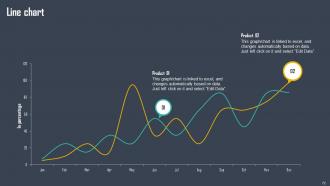
Slide 72: This slide describes Line chart with two products comparison.
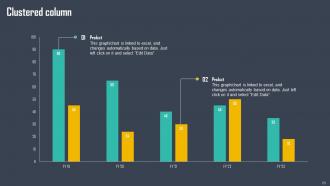
Slide 73: This slide provides Clustered Column chart with two products comparison.
Slide 74: This slide shows Post It Notes. Post your important notes here.
Slide 75: This slide provides 30 60 90 Days Plan with text boxes.
Slide 76: This is an Idea Generation slide to state a new idea or highlight information, specifications etc.
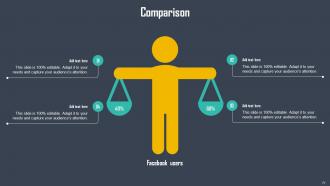
Slide 77: This is a Comparison slide to state comparison between commodities, entities etc.
Slide 78: This slide presents Roadmap with additional textboxes.
Slide 79: This is a Thank You slide with address, contact numbers and email address.
Strategic Framework To Manage IT Infrastructure Powerpoint Presentation Slides Strategy CD V with all 84 slides:
Use our Strategic Framework To Manage IT Infrastructure Powerpoint Presentation Slides Strategy CD to effectively help you save your valuable time. They are readymade to fit into any presentation structure.
-
Strategic Framework to Manage IT Infrastructure
-
Agenda
-
Strategic Framework to Manage IT Infrastructure
-
Strategic Framework to Manage IT Infrastructure
-
Strategic Framework to Manage IT Infrastructure
-
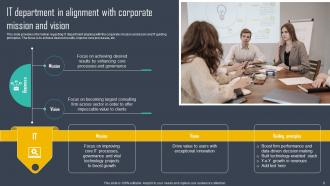
IT department in alignment with corporate mission and vision
-
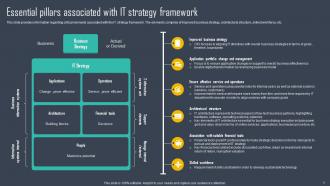
Essential pillars associated with IT strategy framework
-
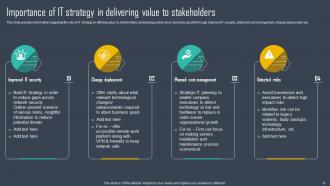
Importance of IT strategy in delivering value to stakeholders
-
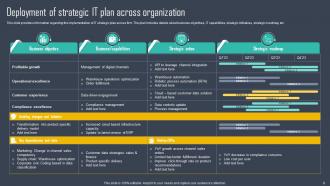
Deployment of strategic IT plan across organization
-
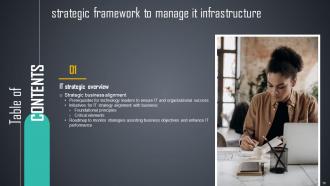
Strategic Framework to Manage IT Infrastructure
-
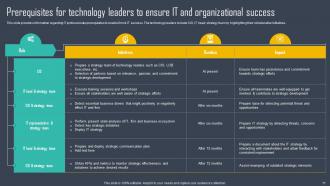
Prerequisites for technology leaders to ensure IT and organizational success
-
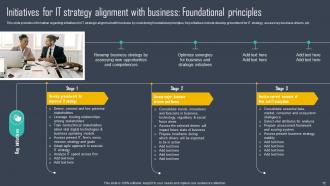
Initiatives for IT strategy alignment with business Foundational principles
-
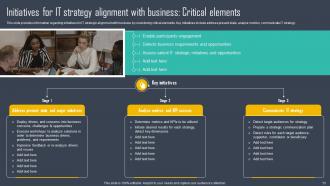
Initiatives for IT strategy alignment with business Critical elements
-
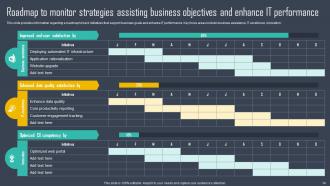
Roadmap to monitor strategies assisting business objectives and enhance IT performance
-
Strategic Framework to Manage IT Infrastructure
-
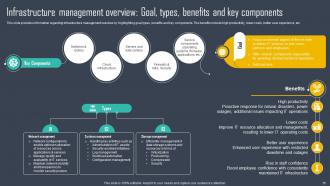
Infrastructure management overview Goal types benefits and key components
-
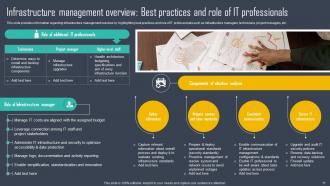
Infrastructure management overview Best practices and role of IT professionals
-
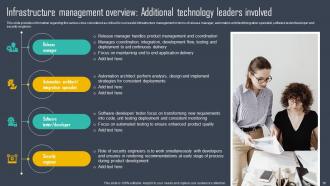
Infrastructure management overview Additional technology leaders involved
-
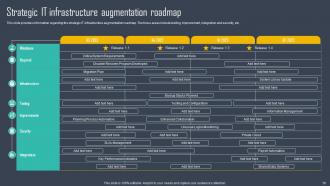
Strategic IT infrastructure augmentation roadmap
-
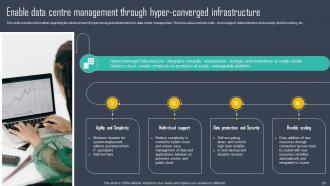
Enable data centre management through hyper converged infrastructure
-
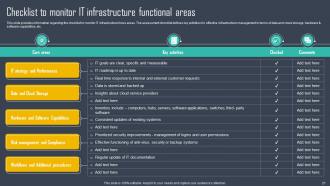
Checklist to monitor IT infrastructure functional areas
-
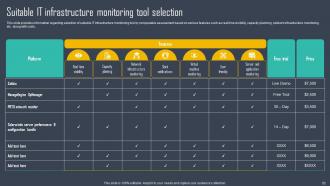
Suitable IT infrastructure monitoring tool selection
-
Strategic Framework to Manage IT Infrastructure
-
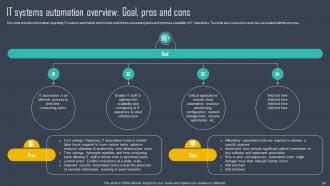
IT systems automation overview Goal pros and cons
-
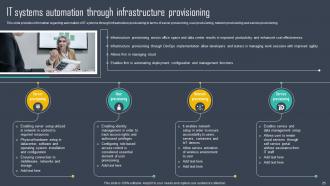
IT systems automation through infrastructure provisioning
-
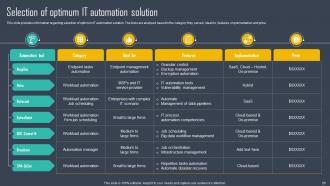
Selection of optimum IT automation solution
-
Strategic Framework to Manage IT Infrastructure
-
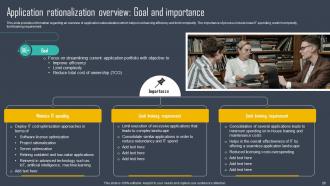
Application rationalization overview Goal and importance
-
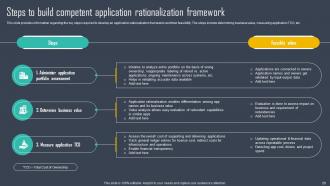
Steps to build competent application rationalization framework
-
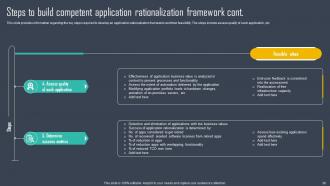
Steps to build competent application rationalization framework cont
-
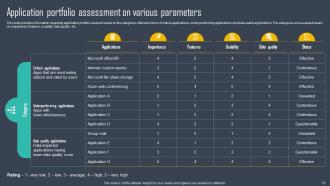
Application portfolio assessment on various parameters
-
Strategic Framework to Manage IT Infrastructure
-
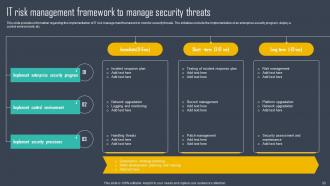
IT risk management framework to manage security threats
-
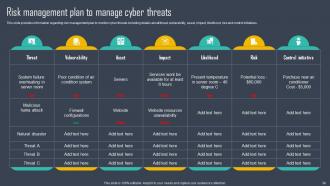
Risk management plan to manage cyber threats
-
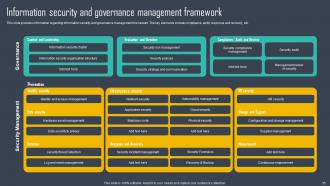
Information security and governance management framework
-
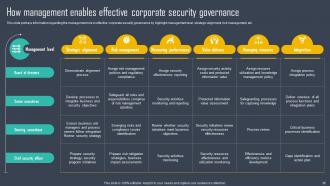
How management enables effective corporate security governance
-
Strategic Framework to Manage IT Infrastructure
-
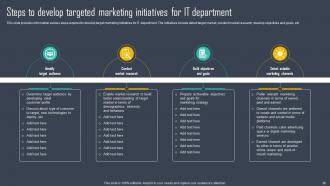
Steps to develop targeted marketing initiatives for IT department
-
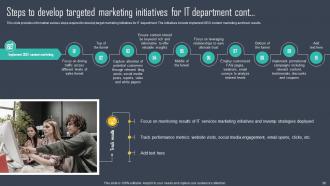
Steps to develop targeted marketing initiatives for IT department cont
-
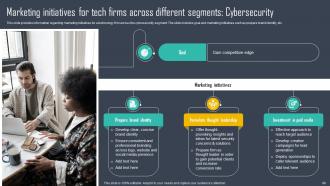
Marketing initiatives for tech firms across different segments Cybersecurity
-
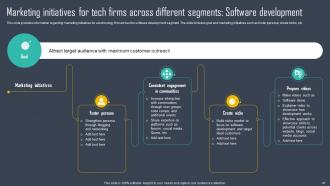
Marketing initiatives for tech firms across different segments Software development
-
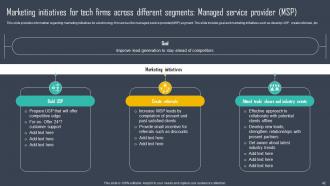
Marketing initiatives for tech firms across different segments Managed service provider MSP
-
Strategic Framework to Manage IT Infrastructure
-
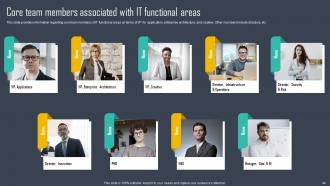
Core team members associated with IT functional areas
-
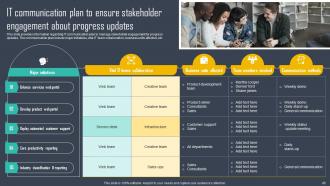
IT communication plan to ensure stakeholder engagement about progress updates
-
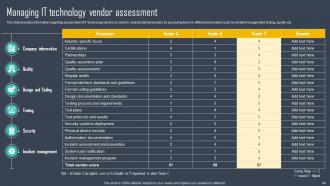
Managing IT technology vendor assessment
-
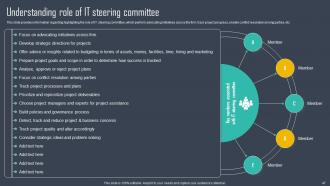
Understanding role of IT steering committee
-
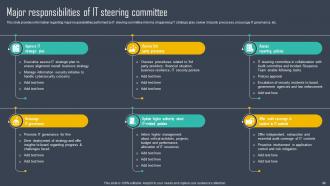
Major responsibilities of IT steering committee
-
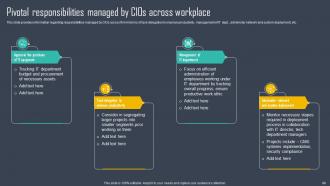
Pivotal responsibilities managed by CIOs across workplace
-
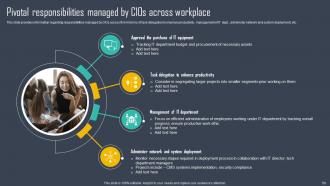
Pivotal responsibilities managed by CIOs across workplace
-
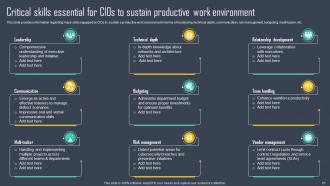
Critical skills essential for CIOs to sustain productive work environment
-
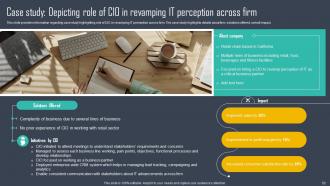
Case study Depicting role of CIO in revamping IT perception across firm
-
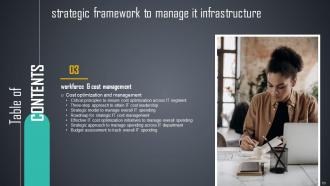
Strategic Framework to Manage IT Infrastructure
-
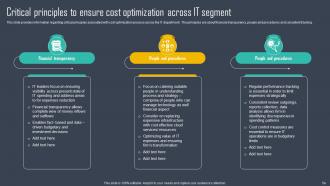
Critical principles to ensure cost optimization across IT segment
-
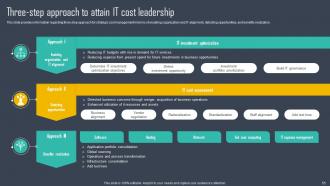
Three step approach to attain IT cost leadership
-
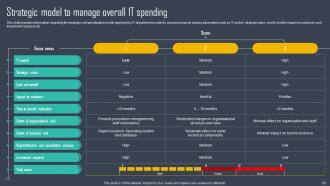
Strategic model to manage overall IT spending
-
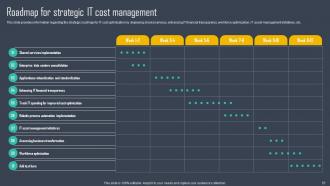
Roadmap for strategic IT cost management
-
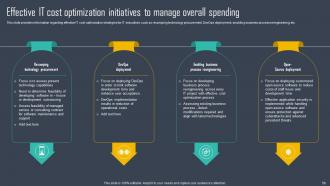
Effective IT cost optimization initiatives to manage overall spending
-
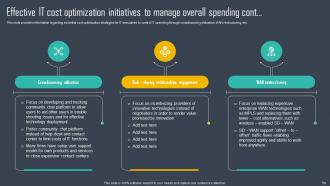
Effective IT cost optimization initiatives to manage overall spending control
-
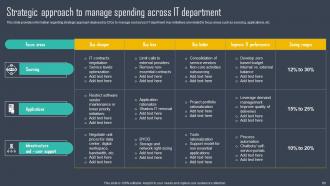
Strategic approach to manage spending across IT department
-
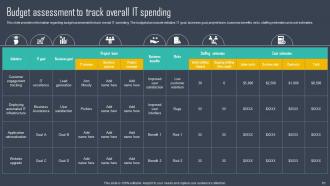
Budget assessment to track overall IT spending
-
Strategic Framework to Manage IT Infrastructure
-
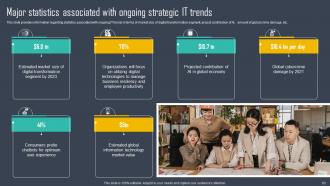
Major statistics associated with ongoing strategic IT trends
-
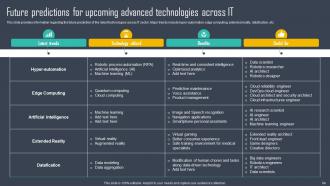
Future predictions for upcoming advanced technologies across IT
-
Strategic Framework to Manage IT Infrastructure
-
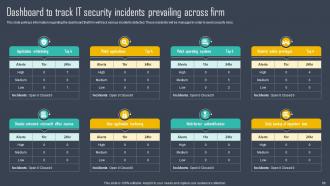
Dashboard to track IT security incidents prevailing across firm
-
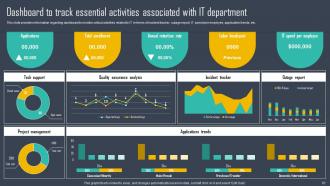
Dashboard to track essential activities associated with IT department
-
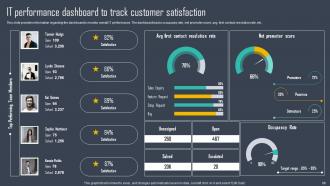
IT performance dashboard to track customer satisfaction
-
Icons slide for strategic framework to manage IT infrastructure
-
Strategic Framework to Manage IT Infrastructure Strategy Cd
-
Our goal
-
Line chart
-
Clustered column
-

Post it notes
-
Strategic Framework to Manage IT Infrastructure Strategy Cd
-
Generate idea
-
Comparison
-

Roadmap
-

Strategic Framework to Manage IT Infrastructure Strategy Cd
-

-

-

-

-

FAQs for Strategic Framework To Manage IT Infrastructure Powerpoint Presentation Slides
Start with your vision - that's your big picture destination. Then break it into maybe 3-5 strategic objectives (any more and you're just creating chaos honestly). You'll need KPIs to actually know if things are working or if you're just busy being busy. Implementation roadmaps are huge too since they connect your strategy to real action steps. I'd nail the vision first, then work backwards. Oh, and don't get fancy with it - simple beats complicated every time when people need to understand and execute.
So a strategic framework is like your game plan for competing and winning. Business model? That's just how you make money - revenue streams, costs, what value you're selling. Way different things. Your framework is the bigger picture stuff - where you position yourself against competitors, what you focus on, how you spend resources. I always got these confused when I first started out, tbh. The framework guides your moves. Business model is your money machine. Figure out which one you actually need for whatever you're working on right now.
Think of it as your decision-making shortcut. When something comes up, you just check: does this fit my bigger picture or not? No more overthinking every choice. It cuts through all that meeting BS where everyone's pulling in different directions. Plus you'll spot problems before they blow up - like when two projects are gonna clash. My old boss was terrible at this and we'd constantly have these "wait, why are we doing this again?" moments. Try mapping your next few decisions against whatever framework you're using now. You'll see the holes pretty quick.
Okay so first thing - figure out what makes your industry tick. Tech moves fast and scales up, healthcare's all about not getting sued and following regulations. Manufacturing? That's lean processes and making sure your supply chain doesn't fall apart. The basic strategy stuff stays the same, but you've got to tweak what you focus on and how you measure success. Honestly, copying what some other sector did is usually a disaster waiting to happen. Your stakeholders want different things, regulations are different, even what counts as "winning" is different. Map out your industry's quirks first, then build around that.
Honestly, get your stakeholders involved from the start or you'll regret it later. I've watched so many good strategies crash and burn because nobody bothered asking the people who actually have to execute them. Map out who matters most - leadership, front-line staff, whoever. Their feedback catches blind spots you'd never see and helps you understand what's actually realistic. When people help build something, they're way more invested in making it work. Had a colleague skip this step once and... yeah, that didn't go well. Schedule those conversations now before you get too far down the rabbit hole.
Don't just bolt tech onto your plan afterwards - build it right into your strategy from the start. Figure out where technology actually moves the needle on your main business goals. Maybe that's automating boring stuff, making customers happier, or opening up new ways to make money. Here's what I've learned: focus on "tech-enabled outcomes" instead of chasing shiny objects (seen way too many companies waste money on cool gadgets that don't do anything). Map each technology to your strategic priorities and track real metrics. Every tech project should connect to a bigger business goal - not just fix random problems.
Track both types of metrics - leading ones predict what's coming (employee engagement, customer satisfaction, progress on key projects) while lagging ones show what already happened (revenue, market share, profits). Most teams get obsessed with the backwards-looking stuff because it's concrete, but honestly? The predictive metrics are way more valuable. Don't go crazy though - stick to 3-5 per goal or you'll be swimming in spreadsheets. Oh, and do quarterly check-ins so you can actually fix things before they become problems.
Honestly, don't try to force your culture to match some perfect strategic framework. Instead, look at what your culture actually is right now - like really look, not just what's hanging on the break room wall. Build your strategy around those genuine strengths. Where there's a mismatch? That's where you'll hit resistance, so plan for it. Getting employees involved in creating the framework is huge - they need to see themselves reflected in it. I've seen too many companies create these beautiful strategic documents that everyone just ignores because it doesn't feel authentic to how they actually work day-to-day.
Honestly? Don't overthink it - complexity kills frameworks faster than anything. I've watched so many teams create these elaborate systems that nobody actually uses. Get your key people on board first, or you'll be fighting uphill battles forever. Also, building it is like 30% of the work. The real grind is the ongoing check-ins and keeping everyone aligned after launch. Oh, and please don't just copy what worked at Google or wherever - that's a recipe for disaster. Your culture is different. Build in some review periods so you can tweak things as you go. Way too many frameworks just collect dust because nobody maintains them.
Honestly, once a year minimum but that's kinda the bare minimum. If there's a major market shake-up or your competition does something crazy, don't just wait around - review it then. Quarterly check-ins work way better than one massive yearly overhaul, at least in my experience. You're basically doing pulse checks every few months to see if things still make sense. Short bursts beat long drawn-out strategy sessions any day. The trick is staying flexible without flip-flopping constantly. Major revisions should happen yearly or whenever something big forces your hand.
So here's what actually works - you need to hit people from different angles since everyone learns differently. Have leadership kick things off by explaining WHY this matters (honestly, skipping this step kills most rollouts). Mix up town halls with smaller team chats, throw in some visual stuff like infographics. Make it interactive too - let people ask questions and complain a bit, they need that. The big thing though? Don't just do one presentation and call it done. Keep bringing it back through updates and success stories. Oh, and create some simple reference guide they can actually use daily instead of something that sits in their email forever.
Okay so basically you want your KPIs to actually connect to what you promised in your strategy. Like if you said you'd boost customer retention, track actual retention numbers - not some vague "engagement" stuff that doesn't really tell you anything. Pick maybe 2-3 solid metrics per initiative and stick with them. You'll want both the early signals (leading indicators) and the real results (lagging ones). Honestly, most people get way too fancy with this. Be super clear about what winning looks like from day one, then just check in monthly. Don't overthink it.
Honestly, most companies are obsessed with three frameworks right now. OKRs are everywhere since Google made them famous - super clean goal-setting structure. Balanced Scorecard tracks performance across four areas: financial, customer, internal processes, and learning. Design Thinking's perfect if you're innovation-heavy because it starts with what customers actually want. Why do these work? Simple enough that your team won't roll their eyes, but they can handle messy business problems too. My advice? Don't chase what's trendy - pick whatever fits how your org actually operates day-to-day.
So basically, instead of freaking out when everything goes to hell, you have this structured way to figure out what's actually happening. You can quickly spot what's changing in the market and which parts of your business are screwed. Then prioritize where to throw your resources - honestly, this part's harder than it sounds. Think of it like having GPS when you're lost. Sure, maybe your destination changed, but you still know how to get somewhere. The trick is keeping your framework flexible enough to roll with chaos but solid enough that you don't completely lose your shit.
Look, without a solid framework your innovation just becomes expensive chaos. Your teams need clear priorities - otherwise they're solving random problems that don't matter. Resources get wasted on whatever sounds cool that week. The structure actually makes people braver about taking risks, which sounds backwards but totally works. Too many companies fail here because success isn't even defined! Plus it forces departments to work together instead of doing their own thing. Honestly, start by figuring out what innovation actually means for YOUR business, then build everything else around that.
-
Content of slide is easy to understand and edit.
-
I'm happy to discover your PowerPoint presentations and templates. They met my expectations precisely. Very innovative!