


Infrastructure management service powerpoint presentation slides





Try Before you Buy Download Free Sample Product
 Impress Your
 Audience
 100%
100% Editable
 Save Hours
 of Time


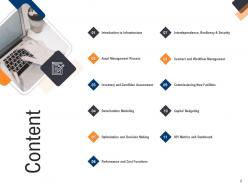
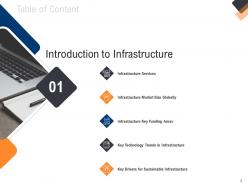
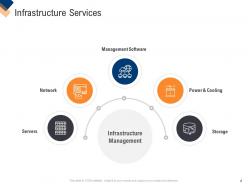
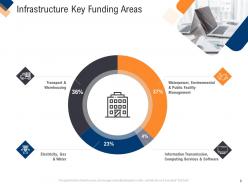
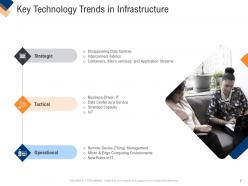
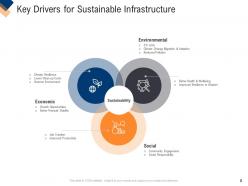
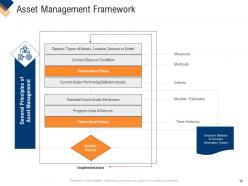
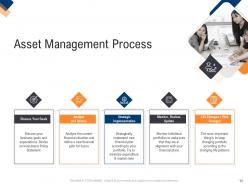
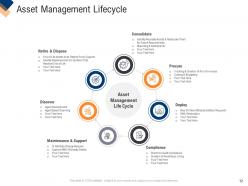
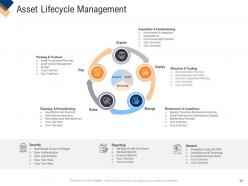
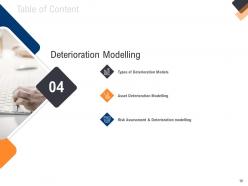
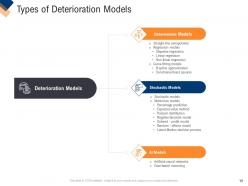
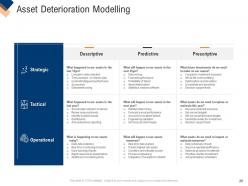
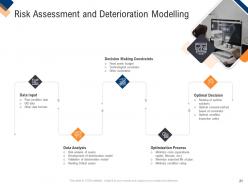
Select our Infrastructure Management Service PowerPoint Presentation Slides for displaying the framework for carefully administering your company’s information technology. Mention the list of infrastructure services that your company offers like servers, network, management software, storage, power, and cooling by employing these IT infrastructure PPT templates. Highlight the market size of infrastructure globally through appropriate and accurate graphs and charts by utilizing these cloud-based management PPT layouts. Display the strategic, tactical, and operational technology trends by taking the aid of this infrastructure management services PPT slideshow. Showcase the key growth drivers of sustainable infrastructure with the assistance of this security management PPT presentation. With these IT infrastructure management PPT themes, you can illustrate the asset management process that includes measures, methods, criteria, models, and time horizons. This expertly designed centralized management PPT deck allows you to exhibit the essential components of the asset management lifecycle that are planning, purchasing, acquisition & commissioning, allocation & tracking, maintenance & compliance, disposing, and reconditioning. Incorporate our infrastructure management PPT visuals to show the various types of deterioration models like deterministic, stochastic, and AI models. Download this networking infrastructure services PowerPoint Presentation and create a plan of action for risk assessment.
People who downloaded this PowerPoint presentation also viewed the following :
Infrastructure management service powerpoint presentation slides with all 69 slides:
Use our Infrastructure Management Service Powerpoint Presentation Slides to effectively help you save your valuable time. They are readymade to fit into any presentation structure.


FAQs for Infrastructure management service
So you'll need monitoring and maintenance first - that's your foundation. Security management and performance optimization come next. Don't forget disaster recovery planning either, trust me on that one. Asset lifecycle management is huge too, plus compliance tracking (ugh, such a headache but whatever). Cover both physical and cloud stuff with automated monitoring that actually catches problems early. Scalability planning and regular updates are non-negotiable. Oh, and start by auditing what you've got now, then figure out where your monitoring and backup systems are falling short.
So automation tools take care of all those boring, repetitive tasks that normally suck up your whole day. Server provisioning, deployments, monitoring - even fixing basic problems automatically. Honestly, once you start using it, you can't go back. Frees up so much time for actual strategic stuff instead of running around fixing random issues all day. Plus everything stays consistent since you're not relying on manual processes where things inevitably get screwed up. I'd say start simple though - maybe automated backups or setting up some monitoring alerts first.
Honestly, cloud's pretty much taken over everything now. You get instant scaling when traffic spikes, plus you're only paying for what you actually use instead of maintaining a bunch of servers that sit idle half the time. The monitoring tools are sick too - way better than what we had before. Here's the thing though: it completely changes how you think about infrastructure. Instead of babysitting hardware all day, you can focus on making your services actually good. Oh and if you're still running physical stuff, maybe try a hybrid approach first? Easier transition that way.
Honestly, start by figuring out where you actually stand right now. Pull your uptime numbers, response times, all that stuff - plus ask your team what's driving them crazy day-to-day. Most people skip the team survey part but those guys know where the real problems are. Check if you've got monitoring blind spots too (they're everywhere, trust me). Compare your performance to industry standards and see if your infrastructure actually helps the business or just... sits there burning money. Calculate what downtime really costs you. That number's usually way higher than people think. Once you've got all that data, the biggest gaps become pretty obvious and you can focus on fixes that actually matter.
Look, start with the basics - vulnerability scans and keeping everything patched. Then add strong access controls with MFA because passwords alone are trash. Compliance frameworks suck but you need them mapped to SOC 2 or whatever applies to you. Automate the monitoring stuff so you're not manually checking everything constantly. Continuous scanning is your friend here. Oh, and document literally everything for audit trails - future you will thank me. Security isn't something you set up once and forget. I'd honestly run a baseline assessment first to see how screwed you currently are.
So basically, you're sharing costs with other companies instead of buying everything yourself. Think about it - why hire a whole IT team when you can split specialists with others? Same with software licenses and hardware. Monthly fees replace those random "oh crap, the server died" expenses that always hit at the worst time. Plus you get predictable budgets instead of surprise capital costs. It's kinda like how a gym membership is cheaper than building your own - you share the expensive stuff. Just compare what you're paying IT staff now versus what providers charge.
Track availability first - aim for 99.9% on anything critical. Response times matter too, gotta stay under whatever you promised in your SLAs. CPU, memory, disk usage percentages show when you're maxing out resources. Error rates are honestly my favorite metric because they catch problems before users start complaining. Network latency and storage performance round out the basics. Set up some real-time dashboards and maybe weekly trend reports. Oh, and add app-specific stuff later once you've got these fundamentals down - don't overcomplicate it from day one.
So ITIL is basically your IT management playbook - gives you structured ways to handle incidents, changes, and service requests instead of just scrambling every time something breaks. Which honestly happens more than anyone wants to admit. The framework standardizes your processes across incident management, problem management, change control - all that stuff. Faster fixes, fewer recurring headaches. Best part is moving from constant firefighting to actually planning ahead. I'd start with their incident management process first since that usually shows results pretty quick. Way better than the chaos most teams deal with otherwise.
Honestly, the biggest pain points are usually security fears and people just being stubborn about change. Your team's gonna freak out about data control and compliance stuff - totally get it though, that's valid. But some folks will resist just because they hate learning new things. Costs always end up higher than expected too, which is annoying. Legacy system integration is a nightmare, and everyone has to learn completely new tools. Oh, and don't even get me started on how long everything takes. Start with a solid plan and find some internal champions early - makes a huge difference when people hear it from colleagues instead of just management pushing it down.
Look, infrastructure management is like having a really good insurance policy that actually works. These services handle all the backup automation and redundant systems - basically the boring stuff that saves your butt when everything crashes. They've got monitoring that spots problems early, which honestly beats panicking at 2am when your servers die. What I love about it is you get experts who've seen every possible disaster scenario. They'll design your recovery plans and actually test them regularly - not just hope they work. First step? Figure out what you've got now, then see where the gaps are.
So basically IoT puts sensors everywhere - your HVAC, elevators, security stuff, all of it. You get real-time data instead of waiting for things to break. Pretty cool shift from reactive to predictive maintenance, which honestly saves you tons of money and headaches. The tricky part? You'll be drowning in data without good analytics to sort through it all. My advice is start small with just one system first. Prove it works and pays for itself before going crazy with everything. Way less overwhelming that way.
So AI/ML is basically making infrastructure way more predictive - like, your systems can actually spot hardware failures before they crash. Pretty crazy stuff. Monitoring gets smarter too since it learns what's normal instead of just screaming at you over arbitrary thresholds. You'll see automatic scaling based on demand patterns, real-time performance tweaks, all that. Honestly the amount of manual grunt work that disappears is insane. I'd start small though - maybe predictive maintenance on your mission-critical boxes first, then build from there once you've got some wins under your belt.
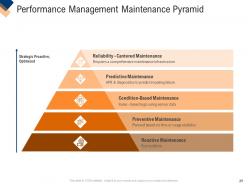
Honestly, you gotta get ahead of problems instead of just reacting when stuff breaks. Set up alerts for when performance starts tanking, and create a regular schedule for patching software and checking hardware. Track your equipment lifecycles too - way better to replace things before they die on you. Oh, and do capacity planning reviews so you're not caught off guard when systems max out. I learned this the hard way at my last job. Start by figuring out what you actually have, then build your maintenance schedule around that.
Honestly, it's pretty straightforward - managed services means you hand off the boring operational stuff to someone else instead of doing it yourself. Your IT team stops spending nights fixing crashed servers or patching systems. Instead, you get people monitoring everything proactively, which is way better than constantly putting out fires. Costs become predictable too, and you access expertise that'd cost a fortune to hire full-time. You're still making the big decisions, but someone else handles the tedious work. Look at what's eating up most of your team's time - that's probably what you should outsource first.
Dude, you're literally the translator between tech nerds and suits who have no clue what each other are saying. Business folks only care about dollars - so frame everything around downtime costs, security risks, stuff that hits their bottom line. I've watched projects totally crash when stakeholders got blindsided by outages. Nobody likes surprises, especially expensive ones. Keep them in the loop with weekly updates so everyone's on the same page about budgets and timelines. Oh, and being proactive about potential problems? Game changer. Makes you look like you actually know what you're doing. Set up those escalation channels early.
-
Easily Understandable slides.
-
Colors used are bright and distinctive.
-
Great quality slides in rapid time.
-
Awesome use of colors and designs in product templates.
-
Editable templates with innovative design and color combination.
-
Use of icon with content is very relateable, informative and appealing.
-
Unique and attractive product design.
-
Best Representation of topics, really appreciable.