

Synergy Powerpoint Presentation Slides




Try Before you Buy Download Free Sample Product
 Impress Your
 Audience
 100%
100% Editable
 Save Hours
 of Time


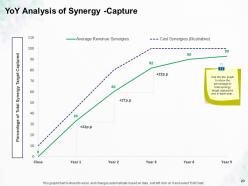
Pave way for positive synergies using our Synergy PowerPoint Presentation Slides. Present a company overview and financial projections with the aid of tabular diagrams given in this corporate synergy PPT slideshow. Our synergy merger PowerPoint presentation helps you showcase not only the synergy plan but also pre and post synergy assessment. Represent the merger process, target, framework, cost, and timelines using this professionally created operating synergy PowerPoint deck. Our business acquisition PPT theme helps you weigh synergy opportunities in strategic categories of growth, profitability enhancement, and strategic position. Through this M&A PowerPoint presentation, you can demonstrate the year-over-year synergy target captured using a simple, informative line graph. Bold statistical icons assist you to exhibit the M&A synergy performance in percentage through our corporate acquisition PPT slides. You can also take advantage of mind maps, and dashboard diagrams included in this business consolidation PowerPoint template. So, download this visually-sound synergy PowerPoint slideshow to illustrate your mergers and acquisition model.
People who downloaded this PowerPoint presentation also viewed the following :
Content of this Powerpoint Presentation
Slide 1: This slide introduces Synergy. State your company name and begin.
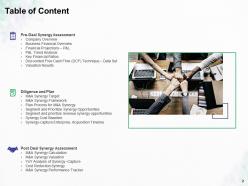
Slide 2: This slide displays Table of Content of the presentation.
Slide 3: This slide displays Table of Content of the presentation.
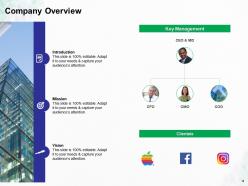
Slide 4: This slide depicts Company Overview.
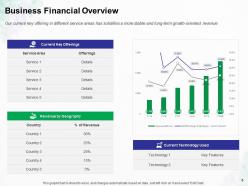
Slide 5: This slide displays Business Financial Overview.
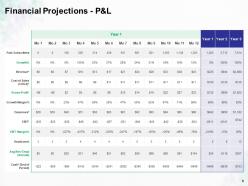
Slide 6: This slide presents Financial Projections - P&L.
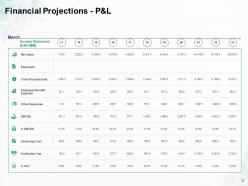
Slide 7: This slide represents Financial Projections - P&L.
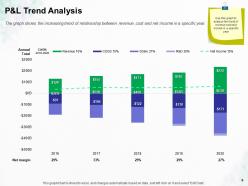
Slide 8: This slide displays P&L Trend Analysis.
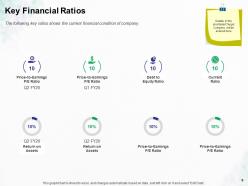
Slide 9: This slide depicts Key Financial Ratios.
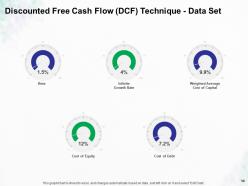
Slide 10: This slide showcases Discounted Free Cash Flow (DCF) Technique - Data Set.
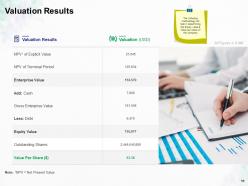
Slide 11: This slide displays Valuation Results.
Slide 12: This slide displays Table of Content.
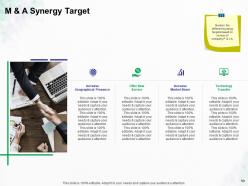
Slide 13: This slide presents M & A Synergy Target. Mention the different synergy targets based on review of company P & L’s.
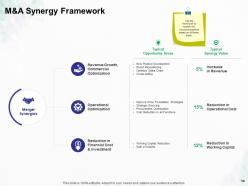
Slide 14: This slide depicts M&A Synergy Framework.
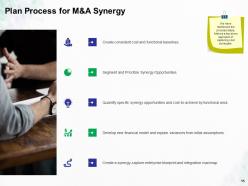
Slide 15: This slide displays Plan Process for M&A Synergy.
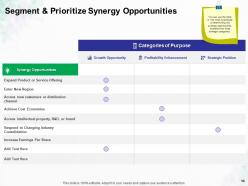
Slide 16: This slide showcases Segment & Prioritize Synergy Opportunities.
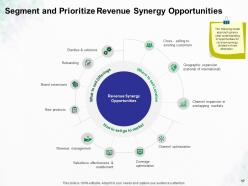
Slide 17: This slide presents Segment and Prioritize Revenue Synergy Opportunities.
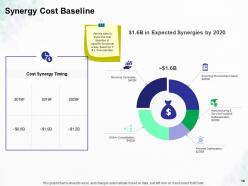
Slide 18: This slide displays Cost Synergy Timing.
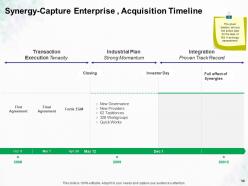
Slide 19: This slide depicts Synergy-Capture Enterprise, Acquisition Timeline.
Slide 20: This slide displays Table of Content of the presentation.
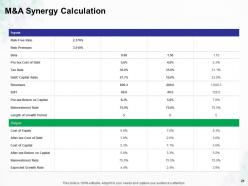
Slide 21: This slide describes M&A Synergy Calculation.
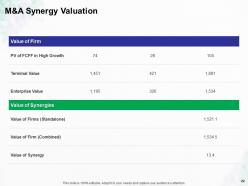
Slide 22: This slide shows M&A Synergy Valuation.
Slide 23: This slide depicts YoY Analysis of Synergy -Capture.
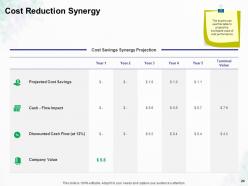
Slide 24: This slide showcases Cost Reduction Synergy.
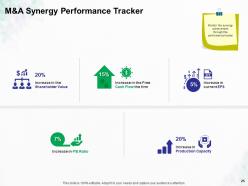
Slide 25: This slide presents M&A Synergy Performance Tracker. Monitor the synergy achievement through this performance tracker .
Slide 26: This is Synergy Icons Slide.
Slide 27: This slide is titled as Additional Slides for moving forward.
Slide 28: This is Our Mission slide with Company mission.
Slide 29: This is About Us slide to showcase Company Specifications.
Slide 30: This is Our Goal slide. State your Company goals.
Slide 31: This is Our Team slide with names and designations.
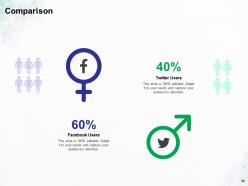
Slide 32: This is Comparison slide showcasing Comparison between Facebook and Twitter users.
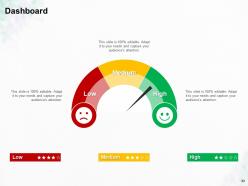
Slide 33: This slide presents Dashboard with percentage.
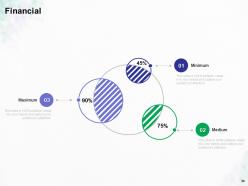
Slide 34: This is Financial slide to showcase finance related stuff here.
Slide 35: This is Quotes slide to convey message, beliefs etc.
Slide 36: This is Puzzle slide with icons and text boxes.
Slide 37: This is Target slide. Showcase your Company targets.
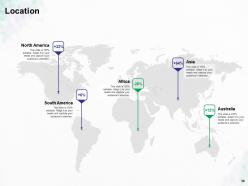
Slide 38: This slide represents Location.
Slide 39: This is Circular slide.
Slide 40: This is Venn slide.
Slide 41: This is Mind Map slide for representing entities.
Slide 42: This slide displays Silhouettes.
Slide 43: This slide showcases Magnifying Glass to highlight important content.
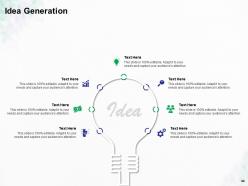
Slide 44: This is Idea Generation slide to highlight important facts and information etc.
Slide 45: This is Thank You slide with Address, Contact number and Email address.
Synergy Powerpoint Presentation Slides with all 45 slides:
Use our Synergy Powerpoint Presentation Slides to effectively help you save your valuable time. They are readymade to fit into any presentation structure.

FAQs for Synergy
Honestly, it all comes down to trust and making sure people can actually talk to each other without drama. You want that vibe where everyone feels safe throwing out ideas, even weird ones. Communication has to flow naturally - none of that formal meeting BS all the time. Oh, and don't hire a bunch of clones! Get people with different skills that actually work well together. I've watched teams crash because they're all basically the same person. Set clear goals everyone buys into. When it clicks, you'll see that whole "team is stronger than individuals" thing actually happen. Map out what everyone's good at first - the partnerships usually become pretty obvious.
Honestly, most companies just assume teamwork = better results without actually proving it. Compare what your teams accomplish together vs. what they'd do solo - look at stuff like cost savings, faster launches, revenue bumps. Don't forget the softer metrics either: are people actually learning from each other? Any cool breakthrough ideas happening? The baseline thing is crucial but boring, so tons of orgs skip it (big mistake). Survey your people about cross-team knowledge sharing. Do regular pulse checks to see if you're really getting that magic where the whole exceeds its parts. Sometimes the synergy just... isn't there, and that's okay too.
Honestly, communication makes or breaks team synergy. Without it you're basically just doing individual work side by side - which is pretty pointless if you ask me. The magic happens when people actually talk openly about their strengths and bounce ideas off each other. Half the teams I've worked with mess this up because nobody feels safe sharing rough ideas or giving real feedback. You need regular check-ins, sure, but more importantly create that vibe where people aren't afraid to speak up. That's when you'll see individual efforts actually turn into something bigger.
Dude, your leadership style basically makes or breaks team synergy. When you're collaborative and let people actually talk, you get way better ideas than micromanaging everything. Autocratic leaders? They crush synergy because nobody wants to share when they'll just get shot down - I mean, would you? But facilitate instead of dictating. Ask solid questions and really listen to different viewpoints. That's where good stuff happens. Oh, and try letting different people run your meetings sometimes. You'd be surprised what comes out of it.
So first thing - set up ground rules where nobody can shoot down ideas at the start. Go with "yes, and..." instead of shutting people down with "but." I'd do timed rounds where everyone throws out ideas before you even start discussing them. Mind maps and sticky notes are honestly your best friends here - way better than those fancy digital tools half the time. Switch up who's running the session too, keeps things fresh. Main thing is people need to feel safe being weird with their ideas. Oh, and definitely end by grouping similar stuff together and see which combos got everyone excited.
Totally! Remote teams can actually click better than in-person ones if you get the setup right. Tools like Miro and Figma are great for building ideas together in real-time. Loom's perfect for sharing updates without another Zoom call (honestly, we've all had enough of those). Slack keeps everything organized, though those threads get messy fast. The main thing? Pick one collaborative tool everyone actually uses consistently. Don't overthink it - just create shared spaces where people can jump in naturally and contribute.
Oh man, communication breakdowns are the worst - people just talk past each other constantly. Then you've got the ego thing where everyone's protecting their little corner instead of actually working together. Half the time nobody even knows who's supposed to do what, so you get three people doing the same task or everyone assuming it's handled. And honestly? Some folks are just super set in their ways, which drives me crazy. Different work styles clash hard. But if you can nail down clear communication rules from day one and help people see how they fit into the big picture, you'll dodge most of the drama.
Dude, mixing different skill sets is where the magic happens. Your data person catches patterns while the creative sees wild applications nobody else would think of. Pretty amazing how that works. The trick? Don't let people just nod along - you actually want some healthy disagreement. Different approaches should push against each other, that's the whole point. Oh, and next time you're stuck on something complicated, grab people from totally different backgrounds. Give them room to argue a bit. Trust me, the solution you land on will be way better than anything one person could've figured out alone.
Honestly, the magic happens when you smash different people together who normally don't talk. A designer will look at an engineering problem and be like "wait, what if we tried this completely weird approach?" That friction creates the best ideas. Teams solve stuff faster too since everyone's attacking it from their own angle. My old company used to do these random coffee meetups between departments - sounds cheesy but it actually worked. You need those spaces where people can just bounce ideas around without it being some formal meeting. Even something simple like mixed lunch tables can spark those "oh shit, I never thought of it that way" moments.
Here's my take - teams that stick to their own departments definitely get tight and efficient. But honestly? Cross-functional teams blow them out of the water. You've got product people, engineers, and designers all catching each other's blind spots before they become real problems. The best solutions happen when completely different skill sets collide - like, in a good way. I've seen it work so many times. Sure, traditional teams have their place, but if you're going for something that actually moves the needle, you'll want people from different departments working together. That's where the real breakthroughs happen.
Okay so Apple's teams are actually brilliant at this - their designers, engineers and marketers work together from the start instead of passing stuff down the line. Emergency rooms do it too, which is wild when you think about it. Doctors and nurses just flow between tasks based on who's best at what. Google used to have that 20% time thing (not sure if they killed it or what). But the real trick isn't just splitting up work - it's when people actually build off each other's ideas. You should try switching roles in your next project or doing those quick daily check-ins where everyone says what they need.
Honestly, you've gotta tear down those department walls first. Mix people up on projects - different skills bouncing off each other is where cool stuff happens. Regular cross-team meetings help, but make them actually useful, not just another boring check-in. Drop those individual competition metrics too, they're toxic. Team goals work way better since everyone has to work together to win. Oh, and this might sound weird but create spaces where people randomly run into each other. Coffee stations, whatever. Sometimes the best ideas come from those unplanned conversations.
Honestly, the worst trap is everyone getting so obsessed with playing nice that nobody speaks up with real ideas. Like, dissenting voices are where the magic happens - but people clam up because they don't want to seem difficult. You end up with groupthink where terrible decisions sail through unchallenged. Also some stuff just works better when people tackle it solo instead of forcing everything into a team effort. Create room for actual debate and let individuals shine too, not just endless consensus-building. Trust me, a little friction beats fake harmony every time.
Honestly, synergy is like magic for employee satisfaction. When people see their unique skills actually matter and contribute to something bigger, they feel valued. You've probably experienced this - that moment when a project just clicks and everyone's strengths fit together perfectly? That's when people get genuinely engaged. Nobody wants to work in boring silos where their work doesn't connect to anything meaningful. Your team members feel way more invested when they watch their contributions amplify what others are doing. So instead of just splitting tasks evenly, try mixing people's different strengths together on projects.
Honestly, synergy can totally make or break projects. When teams actually work together well, you get faster delivery and way better quality - plus solutions no one person could've thought of alone. Different perspectives catch issues early and lead to more creative approaches. Projects like this usually beat their targets too. Your business sees better efficiency, employees are more engaged, and you stay ahead of competitors. The trick is making collaboration feel natural instead of forced. Nobody wants another pointless cross-functional meeting, you know? Create spaces where people genuinely want to work together.
-
Good research work and creative work done on every template.