

Synergy valuation powerpoint presentation slides





Try Before you Buy Download Free Sample Product
 Impress Your
Audience
 100%
Editable
 Save Hours
of Time


Improve sales, profit margin, market positioning, operating cash flow, and managerial decisions of your company with the help of Synergy Valuation PowerPoint Presentation Slides. With the help of this collaboration PPT template, develop a pre-deal synergy assessment showcasing company overview, business & financial overview, financial projections P&L, P&L trend analysis, key financial ratios, discounted free cash flow technique and the valuation results. Increase the value of the company to the shareholders by developing a diligent merger and acquisitions synergy plan with the efficiency- improving PowerPoint presentation. For expanding the business value this synergism PPT graphic lays steps starting from synergy target, framework, plan process, prioritizing opportunities, cost baseline, and acquisition timeline. Besides this, you can also exhibit the post-deal synergy assessment including synergy calculation, valuation, year on year analysis of synergy, cost reduction synergy and performance tracker with our revenue-enhancing PowerPoint slideshow.
People who downloaded this PowerPoint presentation also viewed the following :
Content of this Powerpoint Presentation
Slide 1: This title slide introduces Synergy Valuation. Add the name of your company here.
Slide 2: This slide contains the Table of Contents. It includes - Pre-Deal Synergy Assessment, Diligence and Plan, and Post Deal Synergy Assessment.
Slide 3: This is a table of content slide showing the Pre-Deal Synergy Assessment. It includes - Company Overview, Business Financial Overview, Financial Projections – P&L, P&L Trend Analysis, Key Financial Ratios, Discounted Free Cash Flow (DCF) Technique – Data Set, and Valuation Results.
Slide 4: This slide presents the Company Overview. It includes – Introduction, Vision, and Mission.
Slide 5: This slide presents the Business Financial Overview. Our current key offering in different service areas has solidified a more stable and long-term growth-oriented revenue.
Slide 6: This slide presents the Financial Projections – P&L.
Slide 7: This slide presents the Financial Projections – P&L.
Slide 8: This slide presents the P&L Trend Analysis. The graph shows the increasing trend of the relationship between revenue, cost, and net income in a specific year.
Slide 9: This slide presents the Key Financial Ratios. The following key ratios show the current financial condition of the company.
Slide 10: This slide presents the Discounted Free Cash Flow (DCF) Technique – Data Set.
Slide 11: This slide presents the Valuation Results. The following methodology will help in determining the Equity value & Value per share of the company.
Slide 12: This is a table of content slide showing Diligence and Plan. It includes - M&A Synergy Target, M&A Synergy Framework, Plan process for M&A synergy, Segment and prioritize synergy opportunities, Segment and prioritize revenue synergy opportunities, Synergy Cost Baseline, and Synergy-capture enterprise, Acquisition Timeline.
Slide 13: This slide presents the M&A Synergy Target. Mention the different synergy targets based on a review of company P & L’s.
Slide 14: This slide presents the M&A Synergy Framework. Use the framework to explain the functional baseline based on different areas.
Slide 15: This slide presents the Plan Process for M&A Synergy. We have mentioned the process steps, follow a top-down approach to capturing cost synergies.
Slide 16: This slide presents the Segment and Prioritize Synergy Opportunities. You can use the table in the initial hypothesis of determining the synergy opportunities, clustered into three strategic categories.
Slide 17: This slide presents the Segment and Prioritize Revenue Synergy Opportunities. The following model approach gives a clear understanding of opportunities for revenue synergy, divided into three dimensions.
Slide 18: This slide presents the Synergy Cost Baseline. Use the slide to show the cost baseline of specific functional areas, based on P & L financial data.
Slide 19: This slide presents the Synergy-capture Enterprise, Acquisition Timeline. The given timeline shows the action plan for the deal of M& A synergy assessment.
Slide 20: This is a table of content slide showing the Post Deal Synergy Assessment. It includes - M&A Synergy Calculation, M&A Synergy Valuation, YoY analysis of Synergy -Capture, Cost Reduction Synergy, and M&A Synergy Performance Tracker.
Slide 21: This slide presents the M&A Synergy Calculation.
Slide 22: This slide presents the M&A Synergy Valuation.
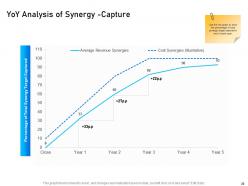
Slide 23: This slide presents the YoY Analysis of Synergy -Capture. Use the line graph to show the percentage of the total synergy target captured at the end of each year.
Slide 24: This slide presents the Cost Reduction Synergy. The buyers can use this table to project the increased value of cost performance.
Slide 25: This slide presents the M&A Synergy Performance Tracker. Monitor the synergy achievement through this performance tracker.
Slide 26: This is the Icons Slide for Synergy Valuation.
Slide 27: This slide introduces the Additional Slides.
Slide 28: This slide provides the Mission for the entire company. This includes the vision, the mission, and the goal.
Slide 29: This slide contains the information about the company aka the ‘About Us’ section. This includes - We are Professional, We are Creative, and We are Talented.
Slide 30: This slide presents Our Goal of the company as well as smaller goals within that main goal.
Slide 31: This slide gives a Comparison between the percentages of male and female users.
Slide 32: This slide presents the Dashboard with the data’s numbers at Low, Medium, and High.
Slide 33: This slide presents the Financial with a data’s numbers at minimum, medium, and maximum percentage.
Slide 34: This is the Quotes slide. Add your favorite quote here.
Slide 35: This is the Puzzle slide to show the parts that complete your project.
Slide 36: This slide presents the overall Target of the company as well as smaller targets within that main Target.
Slide 37: This is the Location slide and shows the Population in Countries like Brazil and Australia.
Slide 38: This slide presents a Circular Diagram and the components that make up a project or concept.
Slide 39: This slide provides a Venn diagram that can be used to show interconnectedness and overlap between various departments, projects, etc.
Slide 40: This is the Mind Map slide for brainstorming sessions.
Slide 41: This is the Silhouettes slide.
Slide 42: This slide presents a Magnifying Glass to give more details about the individual steps in a project.
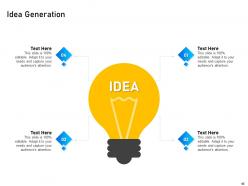
Slide 43: This slide is the Idea Generation slide. It is used to brainstorm ideas for a project.
Slide 44: This is a Thank You slide where details such as the address, contact number, email address are added.
Synergy valuation powerpoint presentation slides with all 44 slides:
Use our Synergy Valuation Powerpoint Presentation Slides to effectively help you save your valuable time. They are readymade to fit into any presentation structure.





FAQs for Synergy valuation
So synergy valuation is figuring out how much extra value gets created when two companies merge - like the whole thing being worth more than just adding the pieces together. You're looking at cost cuts (firing duplicate roles), new revenue streams, cross-selling stuff. Honestly, this is where most deals go sideways because everyone drinks the Kool-Aid about "synergies." I've seen so many overly rosy projections. Don't be vague about "operational efficiencies" - get specific numbers you can actually measure. When can you realistically hit these targets? Your model will be way more solid.
Yeah so operational synergies usually get you better valuations because they actually stick around longer. Financial synergies like tax breaks or cheaper debt? Competitors can copy those pretty easily. But when you're talking real cost cuts or boosting revenue - that's where the magic happens. Here's the catch though (and this always trips people up): operational synergies sound great on paper but they're a nightmare to actually pull off. I'd probably haircut financial synergies by like 30% since they're more reliable, but operational ones? Maybe only assume you'll hit 40-50% of what you're projecting. The math looks prettier but the execution is brutal.
DCF analysis is probably your go-to here since you can actually model how those cost savings and revenue boosts play out over time. Comparable company analysis gets weird though - good luck finding companies with similar synergy situations. Precedent transactions are solid for reality checks on what multiples people actually paid for deals like this. Honestly, I'd use all three methods if you can. Way better to triangulate between them than bet everything on one approach. Plus your boss will probably ask about comps anyway, even if they're not perfect matches.
Timing makes a massive difference here - synergies you hit in Year 1 are worth way more than the same ones in Year 5 because of discounting. Delayed synergies get crushed in your NPV calcs. Plus execution risk goes up the longer you wait. Integration gets messy, people quit, stuff falls apart. I worked on one deal where cost synergies got pushed back two years and it tanked the IRR by like 3-4 points. Brutal. Build realistic timing into your models from day one. Maybe run some stress tests with delayed scenarios too - you'll thank yourself later.
Look, due diligence is where you actually prove those synergies aren't just pipe dreams. You're digging into both companies' books, operations, everything - hunting for real cost cuts, revenue boosts, overlapping departments you can merge. Don't just rely on finance people either, get ops experts involved too. They'll spot the realistic stuff versus the fantasy projections. I've seen too many deals where synergy numbers were basically made up beforehand. You want concrete evidence - compatible tech, complementary customers, redundant functions. Otherwise you're just throwing darts blindfolded and hoping something sticks.
Disney buying Pixar for $7.4 billion back in 2006 is perfect for this - everyone thought they were nuts paying that much. But look what happened: Toy Story 3, Finding Dory, all those massive hits came from mixing Disney's marketing machine with Pixar's crazy good storytelling. Microsoft did something similar with LinkedIn in 2016, dropping $26 billion to connect professional data with their Office tools. I mean, that's a lot of money, but it worked. Point is, don't just look at cutting costs when you're analyzing deals. The real money usually comes from combining what each company does best.
Dude, cultural clashes will absolutely wreck your synergy projections if you ignore them. Different work styles and communication habits mean integration drags on forever and costs a fortune. I've watched "easy wins" turn into brutal year-long battles - it's painful to see. You gotta bake those cultural integration costs right into your numbers upfront. Usually means cutting your expected benefits by 15-30% and adding 6-12 months to timelines. Do real cultural due diligence early on. Model that integration complexity honestly, not optimistically.
Dude, the worst thing that'll happen? You'll pay way too much for deals that never actually work out. Most synergy projections are total BS - like, maybe 30% hit their targets if you're lucky. Integration always costs more than you think, stakeholders will be breathing down your neck when those cost savings don't show up, and your reputation gets trashed for future deals. Honestly, I've seen this play out so many times. Be super conservative with your assumptions. Stress-test everything against realistic timelines because execution is always messier than the spreadsheets make it look.
Tech synergies are mostly about intangible stuff - algorithms, user data, talent pools. Manufacturing deals? Way more straightforward. You're looking at real cost savings from consolidating plants or bulk purchasing power. The tricky part with tech is you're often paying insane multiples for "network effects" that honestly might not even materialize. Manufacturing synergies are easier to predict but they cap out eventually. Tech ones can theoretically scale forever - if you nail the execution. When you're running numbers on deals, just make sure your assumptions actually fit what typically drives value in that specific industry.
Honestly, most M&A synergy projections are way too optimistic, so be conservative from the start. Calculate NPV on your cost savings and revenue boosts over 3-5 years - that's your baseline. Track how long it takes to pay back integration costs too. The synergy realization rate is crucial because like 70% of deals miss their targets (learned that the hard way on a previous project). EBITDA margin improvements are what I'd watch closest. Oh and build in risk adjustments upfront - things always cost more and take longer than expected. Start tracking everything during due diligence, not after you close.
Dude, you've gotta get super specific about those synergy numbers - break everything down so people can actually judge if you're being realistic. Show the revenue boosts, when costs will drop, integration expenses, the whole deal. Honestly, I've watched so many companies just toss out huge synergy figures with zero backup and it destroys their credibility instantly. Run different scenarios for best/worst cases. Give regular updates after the deal closes. Oh, and definitely tie exec pay to hitting those targets - shows you're not just blowing smoke. Also worth checking what similar deals in your space actually delivered.
Honestly, synergy projections are all about timing and market mood. When everything's booming, investors will basically buy whatever rosy numbers you throw at them. But the second things get rocky? Suddenly everyone's a skeptic demanding proof for every assumption. Economic uncertainty makes people want conservative estimates and faster payback periods - which makes sense, I guess. Hot markets breed optimism, cold ones breed paranoia. My advice? Always run your synergy cases through different market scenarios. Have backup numbers ready that are way more conservative. Trust me, you'll thank yourself later when someone inevitably asks "but what if things go sideways?"
Look, synergy valuation basically gives you a game plan instead of just winging it during integration. You can actually prioritize what matters - like that IT integration saving $2M versus some office move that barely moves the needle at $200K. Makes resource decisions way easier. Having real targets means you'll know if you're hitting your numbers or just burning cash (happens more than people admit). I'd start by mapping your biggest 3-5 synergy opportunities to actual integration work. Short sentences keep things focused. Honestly beats the usual "let's integrate everything and see what happens" approach most companies take.
Look, the biggest thing is just being honest about your numbers - don't get all starry-eyed and oversell synergies just because you want the deal to work. Those cost savings you're projecting? Be realistic about actually hitting them. Cherry-picking only the best-case scenarios is tempting but sketchy. And honestly, when you're talking "cost synergies," that usually means people losing jobs, which sucks. Document everything clearly so someone else can follow your logic. Oh, and definitely have someone who wasn't involved in building the model tear it apart - fresh eyes catch the BS you missed.
Honestly, the tech side of M&A has gotten insane lately. You can run AI models on customer data to spot revenue synergies, plus Monte Carlo sims for risk stuff - way better than the old Excel nightmare we used to deal with. Machine learning actually predicts cost savings through automation now, which blows my mind. Real-time integration modeling lets you test assumptions on the fly. The predictive analytics even help with cultural fit issues that used to be total guesswork. I'd focus on using these tools for sensitivity analysis, but don't forget the human judgment piece for strategic calls that algorithms miss.
-
Amazing product with appealing content and design.
-
Awesomely designed templates, Easy to understand.
-
Presentation Design is very nice, good work with the content as well.
-
Designs have enough space to add content.
-
Awesome presentation, really professional and easy to edit.
-
Great quality slides in rapid time.
-
Designs have enough space to add content.
-
Awesome presentation, really professional and easy to edit.
-
Qualitative and comprehensive slides.
-
Much better than the original! Thanks for the quick turnaround.
-
Page:
- You're currently reading page 1
- Page 2
-
