

Target Vs Achievements Powerpoint Ppt Template Bundles




Try Before you Buy Download Free Sample Product
 Impress Your
 Audience
 100%
100% Editable
 Save Hours
 of Time


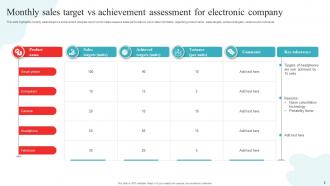
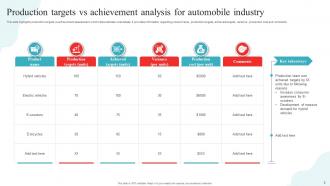
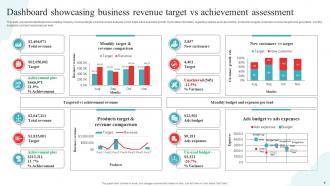
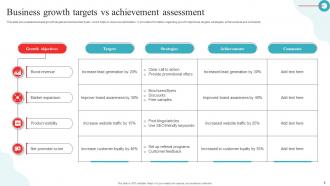
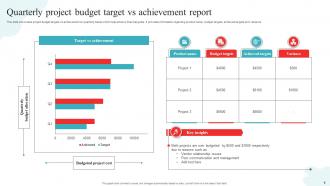
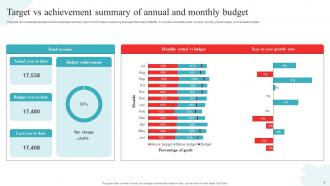
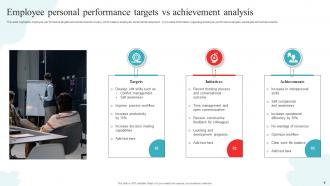
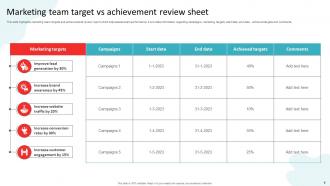
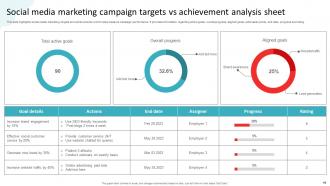
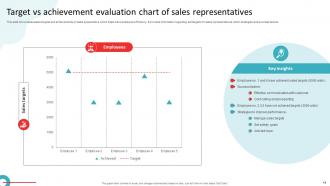
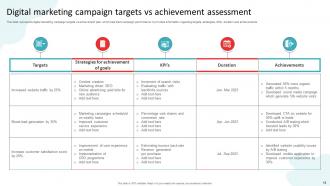
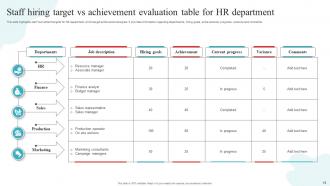
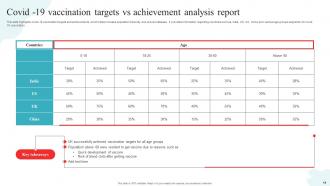
This visually appealing and informative PPT is designed to help you effectively analyZe and showcase your monthly sales target achievement, marketing target review sheet, and business growth targets. With easy to customize slides and dynamic visuals, this presentation enables you to present your targets and actual achievements in a clear and concise manner. Engage your audience with detailed charts, graphs, and performance metrics that highlight your success in meeting or surpassing your goals. Whether you re presenting to stakeholders, team members, or executives, this PPT is a powerful tool to communicate your progress and drive business growth. Elevate your presentations and make informed decisions with our Target vs Achievement PowerPoint template.
People who downloaded this PowerPoint presentation also viewed the following :
Target Vs Achievements Powerpoint Ppt Template Bundles with all 23 slides:
Use our Target Vs Achievements Powerpoint Ppt Template Bundles to effectively help you save your valuable time. They are readymade to fit into any presentation structure.






FAQs for Target Vs Achievements Powerpoint
Focus on conversion rates, time-to-target, and how much you're varying from your baseline - those are the ones that actually matter. I made this mistake before where I was obsessing over engagement while completely whiffing on revenue lol. Track both leading indicators (pipeline stuff) and lagging ones (actual sales). Honestly, stick to 3-5 metrics max or you'll go crazy with all the data. Pick one main metric that connects directly to money/business results first. Then build the other ones around that. Don't get caught up in vanity metrics that look pretty but don't move the needle.
Honestly, visuals are a game-changer for presentations about hitting your goals. People zone out when you throw numbers at them, but charts and timelines? They actually get it. Before/after comparisons work really well too. I always use color-coding for different performance levels - makes everything pop. Progress bars are kinda cheesy but they work. One solid visual per achievement is usually enough (don't go overboard). Oh, and dashboards beat walls of text every single time. Your audience will thank you for not making them decode spreadsheets during what's supposed to be your victory lap.
Honestly, most project failures come down to three things: nobody knows what they're actually trying to achieve, communication is trash, or there just aren't enough resources. Start with crystal clear goals - like, what does "done" actually look like? Numbers help. Check in with people regularly so problems don't snowball into disasters. If resources are tight, maybe cross-train folks or shuffle tasks around. I learned this the hard way on my last project. Weekly team pulse checks are clutch for catching red flags early. Way better than scrambling to fix stuff later.
Honestly, vague goals are useless. Like saying "get healthier" vs "hit the gym 3x this week" - which one actually gets you moving? Your brain needs something concrete to latch onto. I learned this the hard way when I kept saying I'd "save more money" but never did. Once I switched to "save $200 this month," boom - suddenly I had a real target. Break your big goals into weekly chunks you can actually track. It's wild how much difference specificity makes. Way easier to stay motivated when you know exactly what you're shooting for.
Honestly, you can't hit big targets flying solo - it's just too much. Breaking stuff down between teammates makes everything way more manageable. Everyone's got different strengths, so you end up covering areas where others might struggle. The stress factor alone makes teamwork worth it (seriously, who wants all that pressure?). Regular check-ins keep everyone on track without being annoying about it. Small wins matter too - celebrate them! Teams that actually talk to each other consistently crush their goals compared to people working alone. Weekly progress meetings work great, but don't make them boring.
So basically you want to connect all your stuff - CRM, finance tools, whatever project management thing you use - into one dashboard that shows your key numbers in real-time. Charts and progress bars make it way easier to actually see what's happening. Oh and don't just track the obvious stuff that already happened - find the early warning signs so you can fix things before they go sideways. Set up alerts when you're getting close to missing targets. I'd start super simple though, maybe 3-5 metrics max on one dashboard, then build from there once you figure out what actually matters.
Dude, chunk those big scary targets into smaller pieces you can actually hit. I'm obsessed with tracking stuff visually - could be a basic spreadsheet or whatever app you're into. Find someone to bug you about progress though, that's honestly the game changer. My coworker does this for me and I'd probably give up otherwise. Short targets work way better than these massive 6-month death marches. If you're stuck, go back to why this stuff matters to your bigger picture. Also don't be stubborn - if your method sucks, switch it up instead of just suffering through.
Honestly, leadership makes or breaks whether teams actually hit their goals. Clear direction and regular check-ins? Game changer. You want someone removing roadblocks, not adding more BS to your plate. I've seen too many teams spinning their wheels because nobody knows what the priorities actually are. Good leaders celebrate the wins and help fix things when they go wrong - keeps everyone motivated. Oh, and if you're the one leading? Don't micromanage. Just be super clear about what you expect and actually support your people.
Honestly, dashboards are your best friend here - charts and progress bars that update themselves so you don't have to keep explaining where things stand. Regular status reports work too, just don't make them novels. I'm weirdly obsessed with infographics lately, they make boring data actually interesting. Face-to-face meetings are clutch when you need to walk through the story behind your numbers. Some stakeholders prefer quick email updates they can scan on their phone. The trick is figuring out what each person actually wants to receive - no point sending detailed reports to someone who'll just delete them.
Honestly, feedback loops are game-changers for hitting your targets. You collect input while you're actually doing the work - from your team, data, whoever - and suddenly you can see what's bombing vs. what's crushing it. Quick weekly check-ins work great for this. Document everything as it happens, not after the fact (I learned this the hard way). Those insights become pure gold when you're planning your next round. You'll catch stuff like unrealistic deadlines or resources you didn't think about. Simple tracking tools help too, though sometimes I just use a basic spreadsheet.
Honestly, you've gotta believe the target is actually doable - otherwise your brain just nopes out immediately. It needs to matter to YOU personally too, not just be some random goal your boss threw at you. Seeing progress is everything though. Like, when you can actually watch yourself getting closer, it's this weird motivational snowball effect. Also having some control over HOW you hit the goal makes such a difference vs being told exactly what to do at every step (which is the worst). Oh and definitely chunk it up into smaller wins you can celebrate. Way less overwhelming that way.
Time management makes or breaks your goals, honestly. You can break big targets into smaller pieces that don't feel overwhelming. Focus on what actually moves the needle instead of busy work. I've watched people totally blow goals they could've nailed just because they didn't plan their weeks right - it's honestly frustrating to see. Without good time management? You're basically just putting out fires all day. Block out specific hours each week for your biggest priorities first. That last-minute scramble mode sucks and you'll avoid it completely.
Know your audience first - executives want high-level dashboards and progress against targets. Your team needs deeper metrics for their actual work. I always explain big variances upfront because it saves like a million follow-up questions later (learned that the hard way). Keep formatting consistent so people can spot trends fast. Short sentences work. But also mix in longer ones that flow naturally when you're explaining context about what's driving performance. Oh, and always include next steps - nobody wants raw data dumps that just create more meetings. Use colors that make sense across reports.
Honestly, it depends how you handle it. Making targets more realistic when you've learned something new? Your team will probably thank you for it. Nobody wants to chase impossible goals. But constantly moving the goalposts or cranking up difficulty for no good reason - that's a morale killer for sure. People start feeling like their work doesn't count. The trick is explaining your reasoning upfront and actually talking to your team about it. I've seen this go sideways when managers just announce changes without context. When people get why you're adjusting things, they'll usually roll with it.
Honestly, the biggest thing I've noticed is that super specific goals crush vague ones every single time. Like instead of "boost sales," try "15% more Q3 sales by hitting the midwest market harder." Weekly check-ins are clutch too - don't wait till month-end to realize you're behind. Oh and this might sound cheesy, but accountability partners actually work. Having someone else track your progress with you makes such a difference. Maybe break whatever you're working on into weekly chunks? Then find someone to text updates to or whatever works for you.
-
I was confident and well prepared for my presentation for the first time ever. With SlideTeam’s templates, I could deliver one of my best presentations. Will be coming back for more!
-
If you are looking for satisfactory PowerPoint services, SlideTeam is your go-to place. I am fully contented with their research and development team.