


Team Coordination Platform Investor Funding Elevator Pitch Deck Ppt Template




Try Before you Buy Download Free Sample Product
 Impress Your
 Audience
 100%
100% Editable
 Save Hours
 of Time


Our purposeful Team Coordination Platform Investor Funding Elevator Pitch Deck illuminates the critical challenges faced by businesses in project management, data coordination, repetitive task handling, and task prioritization. The pitch deck artfully presents a unified digital solution that serves as a comprehensive haven for workflow management. Beyond this, the Workflow Management pitch deck offers a detailed introduction to the company, showcasing key achievements, unique selling propositions, and a robust business model. Delving further, the presentation explores market potential, conducts a thorough competitive analysis, and provides insights into the companys financial performance. Additionally, the pitch deck articulates investment requisites, allocation strategy, funding history, core team dynamics, exit strategies, and the shareholding structure. Crafted to offer potential investors a strategic glimpse into the power of aligning with innovative solutions, our investor presentation aims to drive the evolution of workflow management for progressive enterprises. With a strategic narrative covering challenges, solutions, and growth prospects, this pitch deck serves as a compelling guide for potential investors, paving the way toward an informed and mutually beneficial investment partnership in this dynamic field.
People who downloaded this PowerPoint presentation also viewed the following :
Content of this Powerpoint Presentation
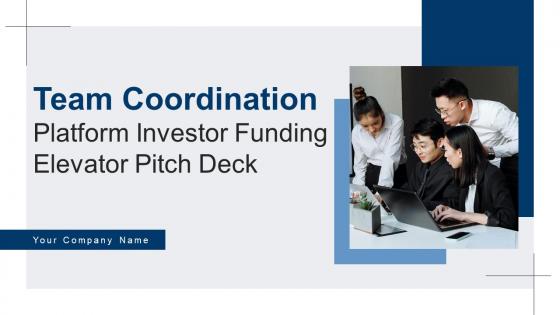
Slide 1: This slide introduces Team Coordination Platform Investor Funding Elevator Pitch Deck. State your company name and begin.
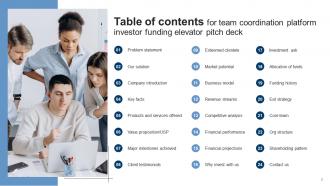
Slide 2: This slide shows a Table of Contents for the presentation.
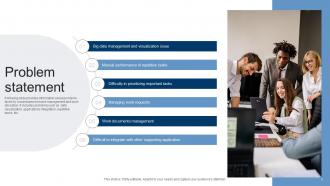
Slide 3: This slide provides information about problems faced by businesses in the record management and work allocation.
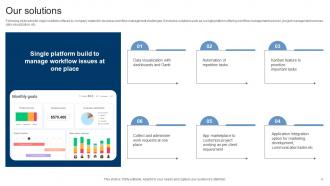
Slide 4: This slide exhibits major solutions offered by the company related to business workflow management challenges.
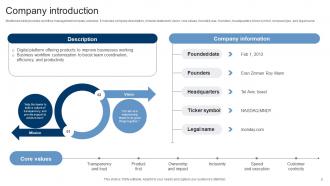
Slide 5: This slide gives an overview of the company.
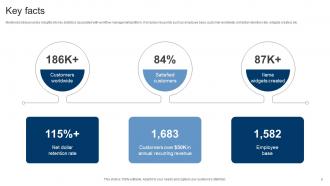
Slide 6: This slide provides insights into key statistics associated with workflow management platforms.
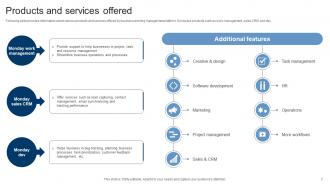
Slide 7: This slide showcases information about various products and services.
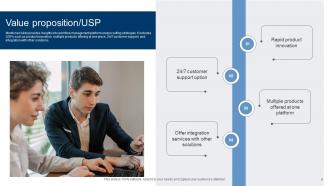
Slide 8: This slide illustrates insights into the workflow management platform's unique selling strategies.
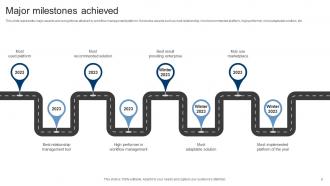
Slide 9: This slide focuses on various milestones that are achieved by a company.
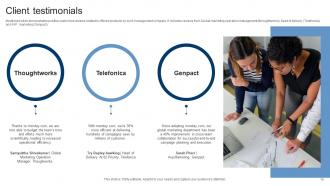
Slide 10: This slide caters to client testimonials.
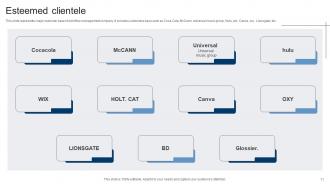
Slide 11: This slide includes Esteemed clientele such as Coca-Cola, Hulu, etc.
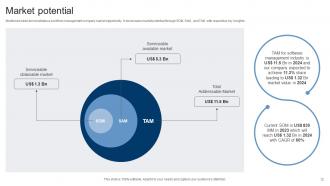
Slide 12: This slide represents market potential with key insights into the Company.
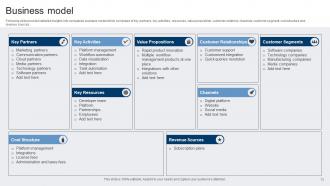
Slide 13: This slide contains detailed insights into the company's business model which comprises key facts.
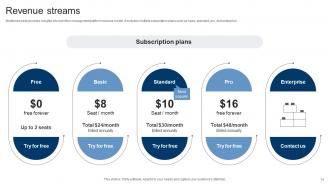
Slide 14: This slide showcases the revenue streams of a company.
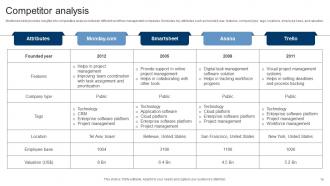
Slide 15: This slide provides insights into comparative analysis between different workflow management companies.
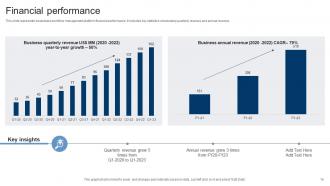
Slide 16: This slide describes businesses' workflow management platform financial performance.
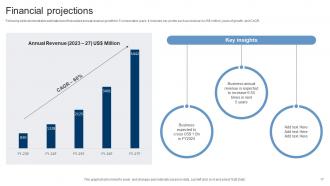
Slide 17: This slide demonstrates estimated and forecasted annual revenue growth for 5 consecutive years with the help of a chart and graph.
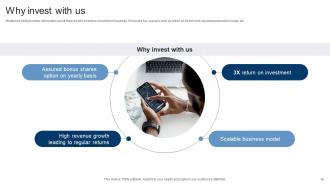
Slide 18: This slide states why investors should invest in the business by highlighting business growth potential and benefits.
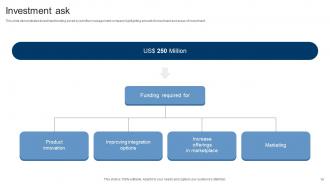
Slide 19: This slide represents the information related to the investment requirements of the investors.
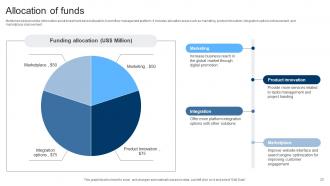
Slide 20: This slide depicts areas where the funds that are collected in the funding round will be allocated.
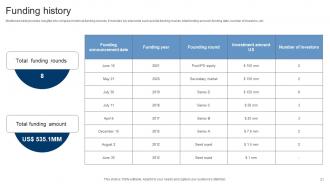
Slide 21: This slide showcases Funding history in a tabular form.
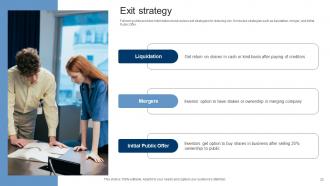
Slide 22: This slide provides the most profitable/feasible ways for investors to exit from their investment in the company.
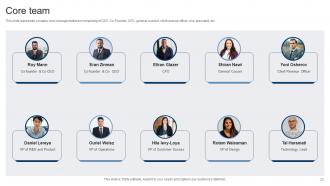
Slide 23: This is Our Team slide with names and designations.
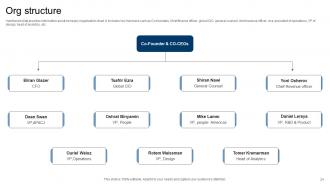
Slide 24: This slide showcases the organizational structure of an IT company.
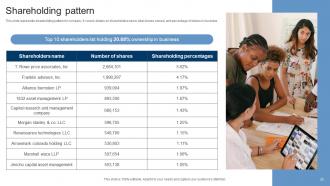
Slide 25: This slide highlights the company ownership structure highlighting the percentage of shareholders.
Slide 26: This slide is a contact us slide with address, contact numbers, email address, and social media handles.
Slide 27: This slide shows all the icons included in the presentation.
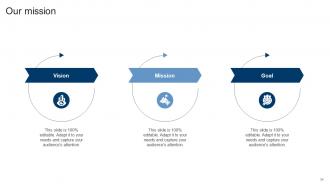
Slide 28: This slide is titled Additional Slides for moving forward.
Slide 29: This slide contains a Puzzle with related icons and text.
Slide 30: This slide provides a 30-60-90-day plan with text boxes.
Slide 31: This is an Idea Generation slide to state a new idea or highlight information, specifications, etc.
Slide 32: This slide shows Post-It Notes. Post your important notes here.
Slide 33: This slide presents a Roadmap with additional text boxes.
Slide 34: This is a Quotes slide to convey messages, beliefs, etc.
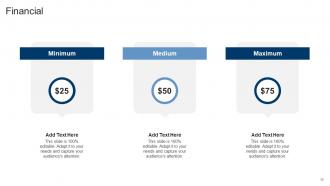
Slide 35: This slide is a financial slide. Show your finance-related stuff here.
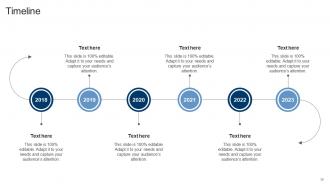
Slide 36: This slide is a Timeline slide. Show data related to time intervals here.
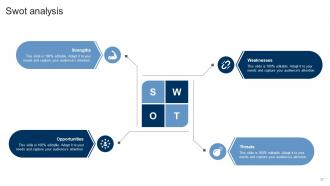
Slide 37: This slide shows SWOT describing- Strength, Weakness, Opportunity, and Threat.
Slide 38: This slide is a Thank You slide with address, contact numbers, and email address.
Team Coordination Platform Investor Funding Elevator Pitch Deck Ppt Template with all 46 slides:
Use our Team Coordination Platform Investor Funding Elevator Pitch Deck Ppt Template to effectively help you save your valuable time. They are readymade to fit into any presentation structure.











FAQs for Team Coordination Platform Investor Funding Elevator Pitch
Look, investors care about the basics first. Revenue growth month-over-month is huge - they want to see that upward trend. Customer acquisition cost vs lifetime value matters too. Monthly recurring revenue? Gold standard if you're SaaS, honestly. Burn rate and runway tell them you're not gonna die tomorrow. User engagement and retention show people actually want your product (shocking concept, I know). Don't just dump numbers on them though. The story behind your metrics is what sells. Consistent improvement beats perfect numbers every time.
Okay so first thing - nail down the story. Problem, your solution, why it's different, then money stuff and growth plans. Investors eat up good traction data and realistic projections (not just those ridiculous hockey stick charts everyone uses). Practice until you can do the whole thing in 10 minutes max. Visual pitch decks work way better than text-heavy ones. Oh and definitely prep for when they grill you on your assumptions - they will. The competitive landscape questions always come up too. Honestly, they want to see you've actually thought about how messy scaling gets, not just the pretty parts.
Look, investors see so many pitches that solid market research is what separates you from everyone else just throwing ideas at the wall. You need real data - market size, who your customers actually are, what competitors are doing. Growth trends too. It proves people want what you're building instead of you just hoping they do. Plus when they start grilling you with hard questions (and trust me, they will), you'll have answers ready. Honestly, the "trust me bro" approach doesn't work anymore. Start collecting this stuff early and keep updating it - you'll use it constantly when fundraising.
Dude, you gotta tailor your pitch to whoever you're talking to. VCs are hunting for those massive home runs - they want scalability and market disruption. Angels? They're usually ex-entrepreneurs, so they care way more about your team and whether you've got any real traction yet. Family offices are the conservative ones - show them how you're managing risk. Oh and definitely stalk their portfolio first lol. See what they've invested in recently so you know what gets them hyped. It's basically like dating but with spreadsheets.
Dude, biggest screw-ups I see: going in without knowing your numbers (like, embarrassing basic stuff), targeting totally wrong investors, and either asking for insane money or selling yourself short. Practice that pitch obsessively - you'll thank me later. Don't be that founder who thinks they're gonna keep 95% equity forever, that's delusional. Also? Stop mass-emailing every VC you find on Google. Do some actual research on who invests in your space and stage. Oh, and maybe don't promise you'll be the next unicorn in your projections.
Look, your valuation is everything in these talks. It literally decides how much of your company you're giving away. So if you say you're worth $5M and they put in $1M, boom - they own 20%. Pretty straightforward math, right? But here's the thing that'll bite you: investors will tear apart any number that seems too high. I've seen deals die over this stuff. They obviously want the biggest slice possible while you're trying to hang onto control. Don't wing it though - bring real data. Revenue multiples, comparable companies, actual growth numbers. Otherwise you'll look like you just made something up.
Honestly, there's so much more out there than just VC money. Angel investors are pretty cool - usually more flexible than big firms. Crowdfunding's huge now (Kickstarter, Republic). Revenue-based financing is interesting too since you only pay back based on actual sales. Bootstrap it with pre-orders if you can swing that. Government grants are wild - didn't realize how many weird niche ones exist until I started digging. Regular loans work, peer-to-peer lending's a thing, or find a bigger company that wants your tech badly enough to invest. Each option hits different on equity vs control vs speed. Figure out what you actually need the cash for first though.
Investors care way more about your team than your idea - honestly, most VCs will tell you they'd back amazing founders with a mediocre concept any day. Your product's gonna change anyway, but they're stuck with you guys for years. You want complementary skills, so like technical person plus business person. Track record matters too. Oh and stress tolerance - can't have people losing it when things get rough (which they will). If you've got obvious gaps, either hire before raising or just be honest about who you need to bring on.
So investors are basically asking three big questions: will people actually buy this thing, can your team pull it off, and will they make money back. Competition and regulation stuff keeps them up at night too. Timing's probably the most brutal part though - I've seen amazing ideas crash just because they launched too early or too late. Your business model needs to actually scale, not just work for like 100 customers. Here's the thing: don't pretend risks don't exist in your pitch. They'll respect you way more if you're honest about potential problems and show you've got plans to handle them.
Think of your pitch deck like a movie trailer - hook investors fast with 10-15 slides that make them want the full story. Lead with the problem you're solving and your solution. Traction is huge if you've got it. Honestly, most decks are way too wordy. Go visual and data-heavy instead. Nobody's reading paragraphs during your pitch. Tell a story about market opportunity and why you're the team to nail it. Practice until it feels natural, not rehearsed. Different investor types need tweaked versions too. Oh, and don't expect to close deals from the deck alone - it's for getting meetings.
Yeah so investors have totally flipped - they're obsessed with profitability now instead of that crazy growth-at-all-costs mindset. You need to show clear revenue paths and prove your unit economics actually work. AI and climate stuff is still getting money, but everything else? Way more scrutiny. Down rounds are basically the new normal now, which honestly sucks but whatever. VCs are being super thorough with due diligence too. I'd focus on proving you can stretch every dollar and have a realistic path to making money. Strong fundamentals are everything right now.
Honestly, think of it like telling a story. Start with a problem that makes people go "ugh, yes, that's so frustrating" - something that actually costs money or wastes time. Then show your solution and how it totally transforms things. Connect with them emotionally first, but back it up with real numbers later. Don't just rattle off features though - help them picture the world you're building. I always think the best pitches feel less like presentations and more like conversations. Wrap up by being super clear about what you need and exactly where that money's going. That's it.
So they'll dig into everything - your financials, team backgrounds, market stuff, legal setup. Revenue projections and customer traction are big ones. They'll definitely Google your whole founding team (kinda weird but whatever). Some VCs are crazy thorough, others move fast if they already know your industry well. You'll need your pitch deck ready, financial models, contracts, IP docs. Oh and sometimes customer references too. Honestly? Just throw everything in a data room upfront. Trust me, you don't want to be frantically searching for documents when they're breathing down your neck asking for like 20 different things.
Look, start building relationships with investors months before you actually need cash. It's basically like dating - nobody wants to be hit up cold. Send them your company updates, invite them to product demos, ask for advice on stuff you're struggling with. Honestly, most investors eat that shit up because they love feeling smart and useful. Follow their social media, drop thoughtful comments on their posts. When you hit milestones, loop them in. The whole process should start at least 6-12 months out from when you're planning to raise. Makes everything way less awkward later.
Dude, networking is everything for fundraising. Most deals happen through warm intros, not random cold emails. Having someone vouch for you makes investors actually take the meeting - it's like dating but with more spreadsheets lol. Your connections help you find the right VCs who actually invest in your space. Plus you'll get the inside scoop on which ones are total nightmares to work with. Don't wait until you desperately need money though. Start hitting up startup events now, join founder groups, ask other entrepreneurs to intro you to their investors. Trust me on this one.
-
If you are looking for satisfactory PowerPoint services, SlideTeam is your go-to place. I am fully contented with their research and development team.
-
The quality of the templates is as fine as it could get. It was a purchase well made!