

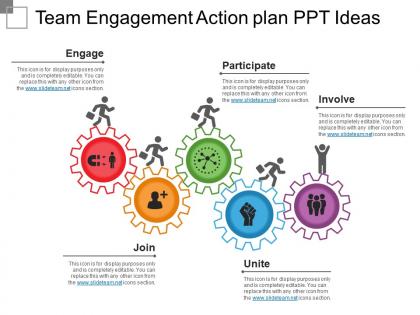
Team engagement action plan ppt ideas




Try Before you Buy Download Free Sample Product
 Impress Your
 Audience
 100%
100% Editable
 Save Hours
 of Time


Bring your business acumen to the fore with our Team Engagement Action Plan Ppt Ideas. Be able to initiate crowd funding.
People who downloaded this PowerPoint presentation also viewed the following :
Team engagement action plan ppt ideas with all 5 slides:
Create a culture of achievement with our Team Engagement Action Plan Ppt Ideas. Clearly define the expectations you have.

FAQs for Team engagement action
Honestly, it comes down to a few key things. Clear communication is massive - people hate being left in the dark. Trust matters too, obviously. Your team needs to feel safe speaking up without getting their heads bitten off. I think recognition gets overlooked a lot, but it doesn't have to be some fancy award ceremony or anything. Growth opportunities help. So does giving people control over how they actually do their work instead of micromanaging every detail. But here's the thing - just start by asking what's broken. That simple conversation can make a huge difference right away.
Monthly pulse surveys are your best bet - just 3-5 questions, keep them anonymous or people won't be real with you. One-on-ones are amazing but honestly they're a pain to do consistently with big teams. Watch the obvious stuff too: turnover, sick days, who actually shows up to optional meetings. That last one's pretty telling IMO. I'd also notice things like whether people speak up in meetings or pitch ideas without being asked. Oh, and participation in company events - sounds dumb but it matters. Start with the surveys since they're easiest, then add other methods once you've got a routine going.
Dude, communication really is everything for keeping teams engaged. Your people need to know what's going on - goals, changes, the whole deal. Otherwise they just feel lost and checked out. Two-way conversations are huge too because nobody wants to sit there silently when they have actual ideas or problems to share. I've watched entire teams flip around just from doing regular check-ins and being real about what's happening behind the scenes. Honestly, those forced corporate meetings are the worst though - you want it to feel natural and consistent, not like some box you're checking off.
Okay so here's the thing - when people actually give a damn about their work, they just perform better. Engaged teams show up more, make fewer mistakes, and honestly care about doing good work. They bounce ideas off each other instead of just going through the motions. But disengaged people? Total productivity killer. They miss deadlines, phone it in, and make everyone else miserable too. I've seen good employees quit because of that toxic vibe. If your productivity's tanking, don't look at processes first - check if your team's mentally checked out.
Honestly, start with the basics - Slack or Teams for chat, then maybe Asana for project tracking. Video calls are obviously clutch for remote teams. But here's the thing: don't go crazy adding every shiny new tool you see. I've watched companies turn into total app graveyards that way. Pick stuff that actually fixes problems your team complains about. Real-time feedback features are gold. Get everyone actually using one or two tools first - like, really using them - then think about expanding. The whole point is connection and transparency, not drowning people in notifications.
Honestly, ditch the trust falls - they're so awkward. Escape rooms are amazing for getting people to actually work together, and murder mystery nights are weirdly addictive. Cook-offs work great too since everyone loves food. Scavenger hunts that use company inside jokes or local spots around the office always get competitive in the best way. For remote teams, try online game nights or have everyone cook the same recipe simultaneously (chaos but fun chaos). Survey your team first though - if half your people hate cooking, don't force it. Match the vibe to what they're actually into.
Honestly, recognizing people's work is like magic for team morale. Makes everyone feel like their stuff actually matters, you know? I've seen it work so well - when you call out what someone did specifically (not just "good job"), it gets them way more engaged. Plus other people notice and want that recognition too. Creates this whole positive cycle thing. The timing matters though - don't wait weeks to say something. Oh, and be specific! Like mention exactly what they nailed in your next team meeting. Sounds cheesy but it really does make people want to stick around and contribute more.
Honestly, start with way more check-ins than you think you need - like weekly coffee chats or celebrating small wins together. The social stuff is huge when everyone's working from their kitchen tables. Over-communicate everything since you can't just pop by someone's desk anymore. Get decent collaboration tools but actually teach people how to use them (shocking how often this gets skipped). Oh, and audit your current meetings - you probably want shorter but more frequent touchpoints instead of those marathon sessions. Relationship-building becomes way more intentional when it's all remote.
Honestly, when people actually feel heard at work, they give way more of a damn about what they're doing. Different backgrounds = different ways of solving problems, which is huge. Plus - and I can't stress this enough - being around the same type of people all day gets boring fast. Your team will speak up more and won't bail as quickly when they feel like they belong. Short meetings used to drag on forever at my old job until we started making sure everyone could actually contribute. Try asking for anonymous feedback about whether people feel comfortable jumping in, or just watch who talks vs. who doesn't during meetings.
Dude, engagement is everything for keeping people around. Like, engaged employees are 87% less likely to bounce - that's wild when you think about it. Your team sticks around when they actually give a damn about their work and feel connected to everyone. Makes total sense, right? I wouldn't leave somewhere I felt valued either. Companies with engaged teams cut turnover by 40% or more. So if people keep quitting on you, start there. Do regular check-ins, but actually listen - don't just go through the motions.
Honestly, people just want to feel heard. When you actually ask for feedback and then *do* something with it, your team gets way more engaged. I'd start simple - maybe weekly check-ins or an anonymous suggestion box. The magic happens when you close the loop though. Like, if someone suggests better coffee and you make it happen, suddenly everyone's paying attention. Pulse surveys work great too, but here's the thing - don't be that manager who collects feedback then ignores it. That's worse than not asking at all. Pick one thing and try it this week. You'll be surprised how much people have to say once they know you're listening.
Honestly, you can't just manage everyone the same way - different generations want totally different things. Boomers love formal recognition and face-to-face conversations. Gen X? Don't micromanage them or they'll hate you. They want independence and balance. Millennials need constant feedback and want to understand the "why" behind their work. Gen Z moves fast - quick communication, flexibility, tons of learning opportunities. But here's the thing (and I learned this the hard way) - just ask people directly what motivates them instead of guessing based on age. Way more effective than assuming.
Ditch the annual survey thing - it's basically useless if nothing happens after. Your managers should actually talk to people regularly, not wait until someone's already mentally checked out. Monthly pulse checks work way better than those massive surveys anyway. Show people their feedback matters by making small changes they can see. Honestly, most companies are terrible at celebrating improvements, so don't skip that part. Oh, and team retrospectives are gold if you can get people to be honest. The whole thing falls apart without consistency though - you can't just do engagement "campaigns" and call it a day.
Anonymous surveys work really well - Culture Amp or Officevibe if you have budget, otherwise just use Google Forms. People are way more honest when they don't have to put their name on it. One-on-ones are solid but honestly they're time-consuming if you do them right. Oh, and try "stay interviews" instead of waiting for exit interviews - basically asking people what keeps them happy before they bail. Team retrospectives can work too if your team's into that kind of thing. Whatever you pick, actually do something with the feedback. Nothing kills engagement faster than asking for input then ignoring it completely.
Honestly, storytelling works way better than most people think. Share stuff that actually happened to you - like when a project went sideways or that time you figured something out the hard way. People connect with real experiences, not boring statistics. It's kinda like how you'd rather hear about someone's vacation from them versus reading a travel brochure, you know? Once your team starts opening up with their own stories, trust builds naturally. Everyone stops being just "the marketing guy" or whatever. Next meeting, maybe kick things off by telling them about a recent mess-up or win you had. Others will follow.
-
Innovative and attractive designs.
-
Best way of representation of the topic.