

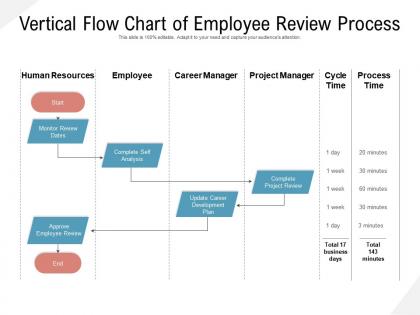
Vertical flow chart of employee review process




Try Before you Buy Download Free Sample Product
 Impress Your
 Audience
 100%
100% Editable
 Save Hours
 of Time


Our Vertical Flow Chart Of Employee Review Process are topically designed to provide an attractive backdrop to any subject. Use them to look like a presentation pro.
People who downloaded this PowerPoint presentation also viewed the following :
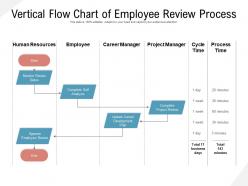
Vertical flow chart of employee review process with all 2 slides:
Use our Vertical Flow Chart Of Employee Review Process to effectively help you save your valuable time. They are readymade to fit into any presentation structure.
FAQs for Vertical flow chart of
So basically you're trying to give solid feedback on how they're doing and figure out what they should work on next. Goal-setting is huge too. Honestly, the documentation part is such a pain but you've gotta do it. Make sure you're connecting their work to bigger company stuff - people need to see how they fit in. Career conversations are clutch though, don't skip those. The whole thing works better when it feels like an actual conversation instead of you just talking at them. Oh and use real examples! Vague feedback is useless. Give them stuff they can actually act on.
Honestly, the biggest game-changer is writing stuff down as it happens. Don't wait until review season because you'll forget half the good stuff and all the problems. I learned this the hard way last year - my memory was trash! Get specific examples, not just "Sarah's great with clients." What did she actually do? Also grab feedback from other people who work with them. Numbers help too if you've got them. The whole point is backing up whatever rating you give with real evidence. Oh and seriously, start a notes doc today for next time. Future you will thank current you.
So basically it's your chance to speak up before your boss does all the talking. You fill out this form about what you accomplished, what sucked, and where you want to go next. Honestly? Don't be humble - this is where you brag about your wins because your manager will use it to guide the whole conversation. They compare what you wrote with what they observed. I learned this the hard way my first year when I downplayed everything and then wondered why my review felt flat. Just own your accomplishments, you know?
Get specific with your feedback - like instead of "communicate better," say "send weekly updates to stakeholders." Timing is huge too (honestly more than most people realize). Don't dump everything at once. Spread it across a few conversations so they can actually digest it. I always try to mention real strengths I've noticed, then slip in growth areas. Makes the whole thing feel less like criticism. Oh and ask what support they need first - sometimes that opens up way better conversations. You want it to feel like a roadmap they can follow, not just pointing out what's broken.
Honestly, you want a mix of hard numbers and soft skills stuff. Goal achievement and project completion rates are obvious ones. But also track how they actually work with people - collaboration, problem-solving, that kind of thing. I've seen people crush their targets but be absolute nightmares on team calls. Quality scores matter too. Don't go crazy with like 10 different metrics though, stick to 3-4 max or you'll hate your life trying to track everything. Whatever you pick should actually match what their job is and what your company cares about. Figure out what "winning" looks like for each role first, then build from there.
Honestly, the right tech makes reviews so much less of a headache. Pick a platform that handles scheduling and sends those annoying reminder emails for you - saves tons of time. 360 feedback becomes way easier too, and you'll actually start seeing patterns in the data. Digital forms keep everything consistent (which HR loves). The storage thing is huge - I can't tell you how many times I've dug through random files looking for someone's old review. My advice? Test one platform with a small group first. Don't go all-in right away.
Ugh, don't just surprise people with reviews! Send self-eval forms like 2-3 weeks early so they can actually think about what they accomplished. I swear, half the time people just stare blankly because they can't remember what happened last quarter. Give them examples of good answers too - maybe throw in some optional prep sessions with HR if you're feeling fancy. The whole point is making it feel less like an interrogation, you know? Start getting your team ready at least a month out. Trust me, you'll get way better conversations instead of awkward silence.
Oh man, biggest mistakes? Don't be vague - like saying "good job" without examples. Also recency bias is real - you'll totally forget what they did six months ago and only focus on last week's stuff. That sandwich thing where you hide criticism between compliments? Skip it, it's confusing as hell. Make sure you actually listen to what they say back instead of just talking at them. Oh and write things down ahead of time! I always think I'll remember details but then my mind goes blank. Just be specific and bring actual examples they can work with.
Skip the time-tracking stuff since you can't see them anyway - focus on what they actually accomplished instead. Video calls work way better than phone for the actual review meetings. Send them a self-assessment form ahead of time so they're not scrambling to remember what they did all year. Don't wait until the annual review to bring up problems, honestly that's just setting everyone up to fail. Check in more often throughout the year. Also think about their home office setup and weird remote work issues they might be dealing with. Start coordinating schedules like two weeks early because time zones are annoying.
Oh totally, frequent reviews are way better than annual ones. Your team won't be stressed wondering how they're doing all year. Those big yearly reviews just feel like walking into the principal's office, you know? With regular check-ins, people can actually fix problems while they matter instead of hearing about something from like 6 months ago. You'll catch wins when they're fresh too - honestly who remembers what happened in March when it's December? I'd do quarterly formal ones plus maybe quick monthly chats. Way less drama, way better results.
Honestly, 360 reviews work pretty well for this. Get 3-5 coworkers to anonymously rate each other on stuff like teamwork and communication. The hard part? People tend to sugarcoat everything instead of giving real feedback. I'd definitely provide examples of what helpful comments look like - otherwise you'll just get "Sarah's great!" with zero details. Maybe pilot it with one team first since there's always weird issues that pop up. Once you figure out what doesn't work, roll it out wider. Trust me, the anonymous part is key.
Make them SMART goals - specific, measurable, achievable, relevant, time-bound. Work WITH your employee, don't just tell them what to do. I've watched so many managers say dumb stuff like "improve performance" which is useless tbh. Pick 3-5 solid objectives that connect to business results AND their growth. Check progress honestly during reviews and tweak things if priorities change. You want challenging but doable - stretched, not completely stressed out. Oh and definitely document everything. Regular check-ins between formal reviews are clutch too.
Here's how I'd think about it: Reviews are basically your talent pipeline working for you. They help spot your top performers and figure out who's got potential for bigger roles. Performance data plus those career chats give you what you need to build real development plans. Honestly, it's way better than just winging promotions based on gut feeling. Track current performance, sure, but also look at growth patterns and where people want to go. Then you can design training or stretch projects that actually prepare them for succession. Makes the whole process less of a guessing game.
Your company culture needs to be baked right into how you review people. Like if you're all about collaboration, actually measure teamwork instead of just individual performance. Innovation-focused? Then talk about creative risks and failures during reviews, not only the wins. Here's what drives me crazy though - when companies preach one thing but review on totally different stuff. Employees see through that BS instantly. Your review questions and rating criteria should match what you actually value. Even how managers have these conversations matters. Put your real values right there in the review form where people can't miss them.
Honestly, reviews are such a goldmine if you know what to look for. Pull themes from your last cycle - are tons of people getting dinged for communication? Project management skills? That tells you way more than individual scores ever will. I'd use that stuff to plan training or pair weaker folks with your rock stars. The positive feedback is clutch too - share those examples around so everyone sees what good looks like. Don't just treat reviews like bureaucratic nonsense. They're basically free data about where your whole team needs help. Start digging through patterns instead of just filing them away.
No Reviews