


Wireless Body Area Network Powerpoint Ppt Template Bundles




Try Before you Buy Download Free Sample Product
 Impress Your
 Audience
 100%
100% Editable
 Save Hours
 of Time


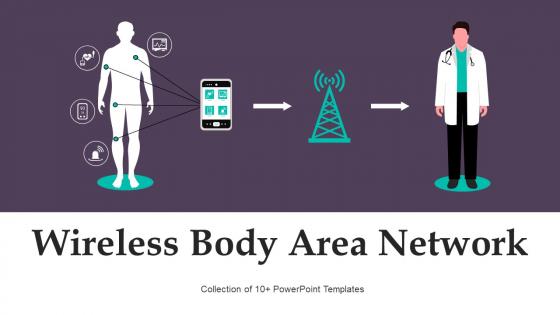
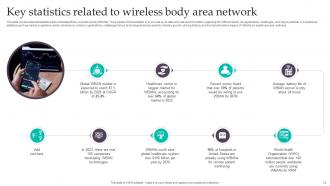
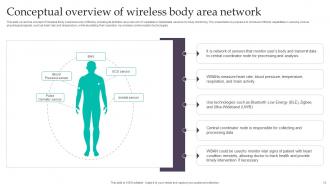
A Wireless Body Area Network WBAN is an innovative and rapidly evolving technology that enables the wireless interconnection of wearable and implantable medical sensors, allowing for real-time monitoring of physiological parameters and health-related data within or around the human body. This presentation explores the key components, applications, and advancements in WBAN technology, shedding light on its crucial role in revolutionizing healthcare and wellness monitoring. Lastly, it includes visual aids and icons to enhance comprehension. This template provides an insightful exploration of Wireless Body Area Networks WBANs. It delves into the architecture, characteristics, and operations of WBANs, offering a comprehensive understanding of this innovative technology. The presentation showcases various applications across healthcare and beyond, highlighting the pivotal role WBANs play in monitoring and data collection. It discusses key components, including Zigbee and Bluetooth technologies, and offers insights into ultra-wideband WBANs. Moreover, it features essential statistics to bolster your knowledge. Lastly, it incorporates visually engaging icons to facilitate comprehension and retention.
People who downloaded this PowerPoint presentation also viewed the following :
Wireless Body Area Network Powerpoint Ppt Template Bundles with all 25 slides:
Use our Wireless Body Area Network Powerpoint Ppt Template Bundles to effectively help you save your valuable time. They are readymade to fit into any presentation structure.









FAQs for Wireless Body Area Network Powerpoint
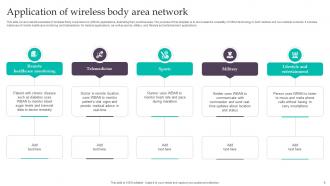
So basically WBANs are huge for monitoring patients 24/7 - think heart rate, blood pressure, glucose levels without all that clunky hospital equipment. They're a lifesaver for chronic stuff like diabetes and heart disease since everything gets sent straight to doctors automatically. Falls, heart attacks? The sensors catch it instantly and alert medical teams. Pretty wild honestly. Oh and epilepsy patients benefit tons too - way better than just periodic visits. If you're diving into this, I'd focus on figuring out which patient groups actually need constant monitoring versus the ones who don't.
So WBANs are pretty cool - they basically make patients into walking monitoring systems. Tiny wireless sensors track vitals, med levels, all that stuff without anyone manually checking. Real-time alerts pop up if something's off, which is clutch for catching emergencies fast. Patients can actually move around normally instead of being stuck next to those huge machines. It's honestly like having doctors watching 24/7 but way cheaper on staffing. Oh, and for your setup - I'd probably focus on post-op patients first, or anyone high-risk. Those are the ones who'd see the biggest benefit from constant monitoring.
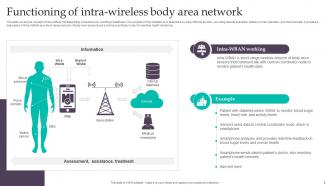
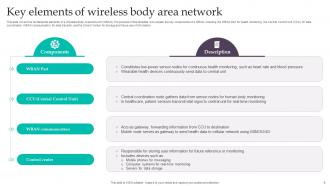
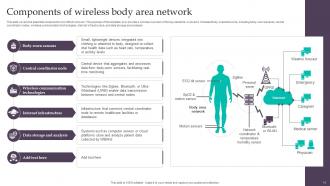
So WBANs have three main parts you should know about. Body sensors are these tiny things that grab data - heart rate, temperature, how you're moving around. Your smartphone (or some dedicated hub) acts as the coordinator, managing how all the sensors talk to each other. Then there's the communication protocols that make the wireless stuff actually work. It's honestly pretty cool how it creates this little network around your body. Oh, and if you're thinking about designing one? Figure out what data you actually want to collect first - that'll save you headaches later.
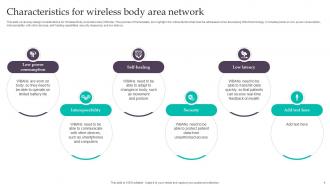
So energy harvesting is actually a game-changer for WBANs - it cuts down on battery swaps and keeps your devices running way longer. Body heat, movement, even RF signals can power those sensors nonstop. No more "shit, my heart monitor just died" situations, you know? Your whole network stays stable since nodes aren't randomly going offline. Patients don't get annoyed changing batteries all the time either. Honestly, the maintenance costs drop pretty significantly too. Just figure out what harvesting method works best for where you're placing the device and how much power it needs. Makes everything so much smoother.
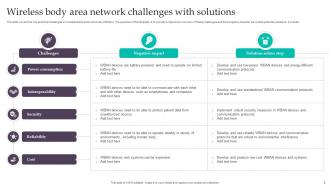
Honestly, WBAN security is pretty sketchy. Your health data can get intercepted since those wireless signals are super vulnerable to eavesdropping. Someone could physically mess with the devices too. Most of these tiny sensors don't have enough power for strong encryption - which is kind of terrifying when you think about it. Bad actors could manipulate your medical records or even control implanted stuff. I'd definitely look for systems with end-to-end encryption and multi-factor authentication. Oh, and make sure they actually do regular security updates (some companies are lazy about this).
So WBANs are basically wearable sensors that track chronic disease patients 24/7 - blood pressure, glucose, heart rate, all that stuff. Way better than waiting months between doctor visits, you know? The cool part is it automatically alerts medical teams when something looks off, so they can jump in before things get scary. Honestly works great for diabetes and heart conditions especially. Fewer people end up back in the hospital because of it. I'd probably start by figuring out which patients in your practice would actually benefit most from this kind of constant monitoring first.
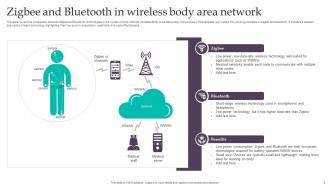
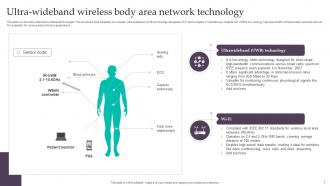
So basically, the wireless tech you pick makes or breaks your whole WBAN setup. Battery life, speed, reliability - it all comes down to how your sensors communicate. Thing is, you're working with super tiny devices on the human body, which is... challenging. Bluetooth Low Energy works great for some stuff, Zigbee for others. Really depends what you're doing though. Heart rate monitoring? Pretty chill requirements. Real-time surgery data? Yeah, that's a whole different beast. I'd honestly just match whatever standard fits your specific needs best.
So WBANs use multiple layers of encryption to keep your health data private - think of it like several locks on your front door. Most of the processing actually happens right on your body's network before sending anything out, which is honestly pretty neat. They've got these special lightweight encryption methods made just for low-power devices. Your heart rate data isn't just sitting there unprotected. Look for devices with end-to-end encryption that let you control what gets shared. The local processing thing is key - less data floating around means fewer chances for someone to grab it.
Dude, the WBAN stuff is getting wild. These new sensors run for months on barely any power, plus they're flexible enough to actually move with your skin instead of falling off. Some are literally smaller than band-aids but still track multiple vitals at once - kind of blows my mind honestly. Energy harvesting is where I'd put my attention though, since dead batteries have always killed these projects. Oh, and smart textiles are taking off too - the fabric becomes the actual sensor network. Waterproofing's way better now, which was such a pain before.
Yeah so protocol choice totally affects how many sensors you can actually use. ZigBee and BLE are solid for mesh setups - you can probably get 10-15 sensors running before things get sketchy. IEEE 802.15.6 is actually made specifically for body networks but nobody seems to use it? Kinda weird. Regular Bluetooth is trash for this stuff though, don't even bother. My advice: figure out exactly how many sensors you need first, then go with something that can handle way more than that. Like if you need 8 sensors, pick a protocol that does 12+ easily.
WBAN stuff is pretty incredible for elderly care honestly. Continuous monitoring of heart rate, blood pressure, glucose - even fall detection through wearable sensors that connect directly to doctors. Most seniors want to stay home instead of nursing facilities, and this tech makes that way more realistic. Early intervention kicks in when something's off with their vitals. Plus medication tracking and families don't worry as much. My aunt would've loved this setup tbh. If you're in elder care, definitely look into partnering with WBAN companies - demand is going crazy right now.
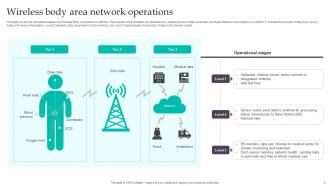
So basically you'd connect the body sensors through something like a smartphone or hub to cloud platforms where hospitals can access everything. Heart rate, glucose levels, temperature - all that streams to dashboards so doctors can watch multiple patients at once. Creates automatic emergency alerts too, which is honestly pretty genius. Patients can do remote consultations instead of driving to appointments all the time. The data also feeds AI systems for predictions. Way better care with fewer hospital trips. I'd start small though - pick just one thing to monitor first, then build your setup around that before getting fancy.
So basically there are two main things to worry about - heat from RF absorption and maybe some long-term biological stuff, though honestly nobody really knows about that second part yet. These WBAN devices run on way less power than your phone, but the thing is they're stuck to you constantly. SAR levels are usually fine according to regulations, but some researchers think the 24/7 exposure might add up over time. Most studies say the risk is pretty minimal if the device is designed right. I'd just make sure whatever you get meets IEEE and FCC standards, and maybe look for ones that cycle on/off instead of running continuously.
Battery life controls literally everything in WBANs - these things need to last months without dying on you. So you're stuck optimizing every tiny detail. Ultra-low-power chips are a must. Sleep modes where sensors only wake up to send data. Radio usage has to stay minimal since that drains power like crazy. Communication protocols? Yeah, those get built around saving every bit of energy possible. Honestly feels like you're always sacrificing cool features just to keep the damn thing running. I'd start with your power budget and see what you can actually fit in from there.
WBANs are gonna be wild in the next few years. Energy harvesting from body heat is becoming real - no more dead batteries. AI will predict health issues before you even feel sick, which is honestly kind of creepy but useful. 5G integration means faster data everywhere. Biodegradable sensors sound totally sci-fi but they're actually happening now. Security's getting way better with new encryption. Oh, and devices will finally talk to each other properly instead of being complete islands. Just watch the regulatory stuff though - that's what'll really determine how fast we see this tech.
-
SlideTeam provides PPTs on every single topic. Their templates suit my job very well. I am very grateful!
-
SlideTeam has helped me take my presentation to the next level. Everyone at the office is impressed! I’ll be using their designs for a long-long time.