


Workplace Innovation And Technological Change Powerpoint Presentation Slides




Try Before you Buy Download Free Sample Product
 Impress Your
 Audience
 100%
100% Editable
 Save Hours
 of Time


Suppose your organization seeks to improve its performance through technological advancements in workplace productivity, customer service, and risk management. In that case, our Workplace Innovation and Technological Change template is a suitable choice. It delves into the primary challenges faced by the organization in the previous fiscal year. Our Performance improvement deck provides a detailed analysis of the key industry trends, current workplace productivity, and areas that require focus to improve organizational performance. It also includes an evaluation of the CRM framework and the integration of AI in customer service. Additionally, our Workplace transformation PPT discusses AI tools, the advantages of using AI in CRM, and areas where AI improves customer experience. Moreover, it aids in identifying and mitigating the impact of risk events on business performance and creating a secure workplace environment. Our Workplace innovation module also includes a training schedule for new and existing employees, outlining the training tool name, mode, type, and duration. Further, it showcases various challenges the organization faces while implementing new technology and its corresponding solutions. Lastly, our Technology implementation presentation highlights dashboards to measure business performance and the KPI dashboard to track risk events. Get access now.
People who downloaded this PowerPoint presentation also viewed the following :
Content of this Powerpoint Presentation
Slide 1: This slide introduces Workplace Innovation and Technological Change. Commence by stating Your Company Name.
Slide 2: This slide depicts the Agenda of the presentation.
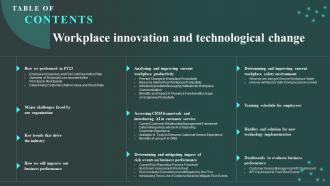
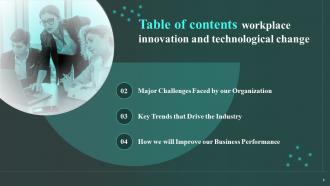
Slide 3: This slide incorporates the Table Of Contents.
Slide 4: This slide highlights the Title for the Topics to be covered further.
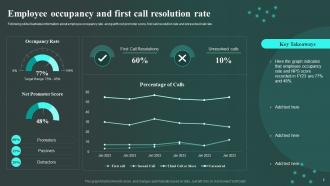
Slide 5: This slide illustrates information about employee occupancy rate.
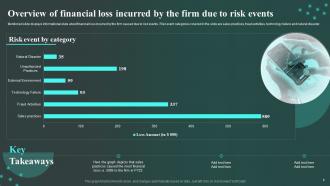
Slide 6: This slide displays informational stats about financial loss incurred by the firm caused due to risk events.
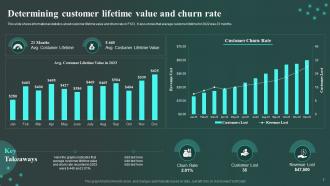
Slide 7: This slide deals with Determining customer lifetime value and churn rate.
Slide 8: This slide includes the Heading for the Contents to be discussed next.
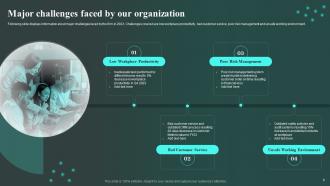
Slide 9: This slide states the Major challenges faced by our organization.
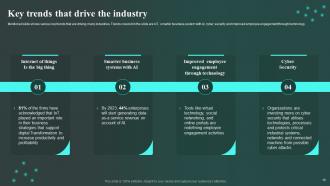
Slide 10: This slide exhibits the Key trends that drive the industry.
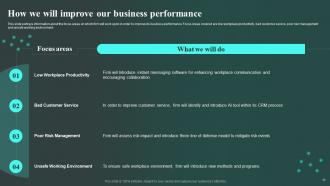
Slide 11: This slide portrays information about the focus areas on which firm will work upon to improve its business performance.
Slide 12: This slide includes the Title for the Ideas to be covered in the following template.
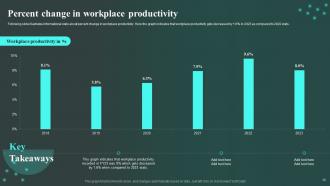
Slide 13: This slide illustrates the Percent change in workplace productivity.
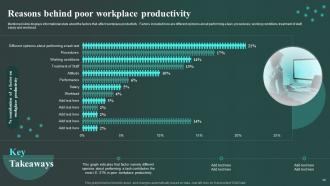
Slide 14: This slide depicts the Reasons behind poor workplace productivity.
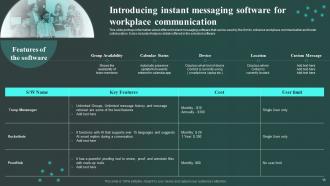
Slide 15: This slide portrays information about different instant messaging software that can be used by the firm.
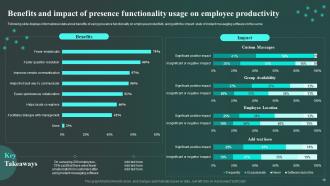
Slide 16: This slide exhibits the Benefits and impact of presence functionality usage on employee productivity.
Slide 17: This slide displays the Heading for the Ideas to be discussed next.
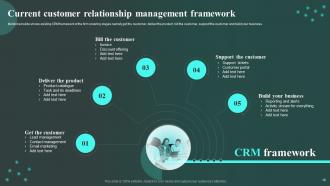
Slide 18: This slide reveals the Current customer relationship management framework.
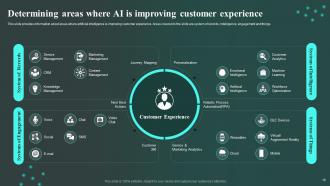
Slide 19: This slide focuses on Determining areas where AI is improving customer experience.
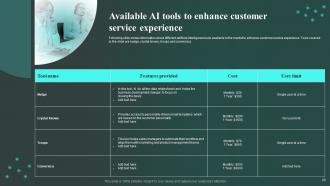
Slide 20: This slide shows information different artificial intelligence tools available in the market to enhance customer service experience.
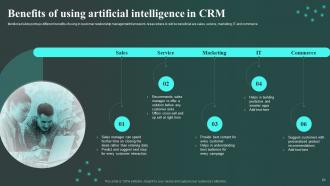
Slide 21: This slide presents the Benefits of using artificial intelligence in CRM.
Slide 22: This slide highlights the Title for the Contents to be covered in the following template.
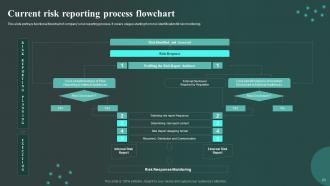
Slide 23: This slide portrays functional flowchart of company’s risk reporting process.
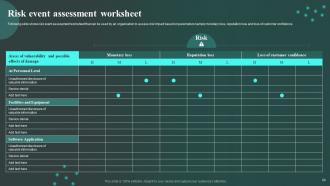
Slide 24: This slide exhibits the Risk event assessment worksheet.
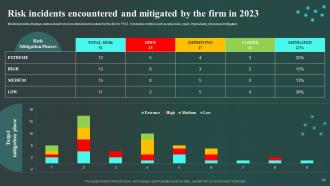
Slide 25: This slide displays status about risk encountered and resolved by the firm in FY23.
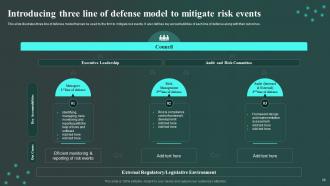
Slide 26: This slide illustrates three line of defense model that can be used by the firm to mitigate risk events.
Slide 27: This slide depicts the Heading for the Contents to be discussed in the forth-coming template.
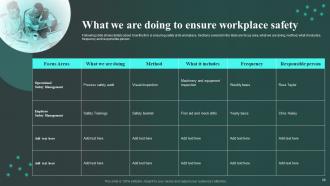
Slide 28: This slide shows details about how the firm is ensuring safety at its workplace.
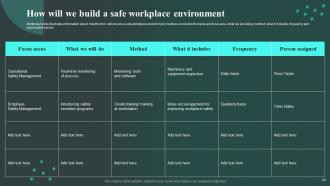
Slide 29: This slide mentions about how the firm will ensure a safe workplace environment.
Slide 30: This slide reveals the Title for the Ideas to be covered next.
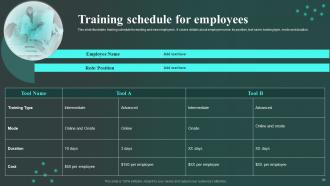
Slide 31: This slide illustrates training schedule for existing and new employees.
Slide 32: This slide displays the Hurdles and solution for new technology implementation.
Slide 33: This slide incorporates the Heading for the Ideas to be discussed further.
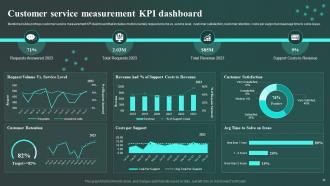
Slide 34: This slide elucidates the Customer service measurement KPI dashboard.
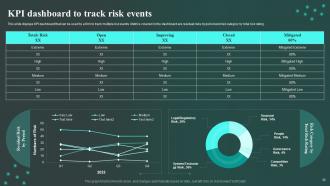
Slide 35: This slide portrays the KPI dashboard to track risk events.
Slide 36: This slide is used for depicting some Additional information.
Slide 37: This is the Icons Slide containing all the Icons used in the plan.
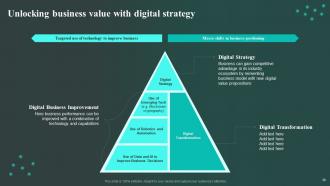
Slide 38: This slide focuses on Unlocking business value with digital strategy.
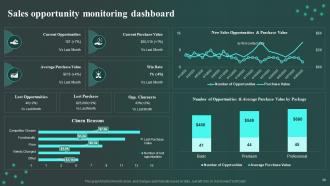
Slide 39: This slide showcases the Sales opportunity monitoring dashboard.
Slide 40: This is the 30 60 90 days plan slide for efficient planning.
Slide 41: This slide contains the Post it notes for reminders and deadlines.
Slide 42: This slide presents the company's Roadmap.
Slide 43: This is the Puzzle sldie with related imagery.
Slide 44: This is the Thank you slide for acknowledgement.
Workplace Innovation And Technological Change Powerpoint Presentation Slides with all 49 slides:
Use our Workplace Innovation And Technological Change Powerpoint Presentation Slides to effectively help you save your valuable time. They are readymade to fit into any presentation structure.







FAQs for Workplace Innovation And Technological Change
Oh man, workplace innovation is tricky but here's what actually works. You need people to feel safe screwing up - otherwise nobody tries anything new. Processes can't be rigid either, they have to bend when cool ideas pop up. Then there's the tech side - having tools that let teams collaborate and test stuff quickly. Honestly, most companies nail one of these but totally bomb the others. I'd figure out which one your team sucks at most and fix that first. When all three click together though? That's when the magic happens.
Honestly, psychological safety is everything - nobody's gonna take risks if they're terrified of screwing up. Give people actual time to mess around with ideas (Google's 20% thing works for a reason). Here's what kills me though: companies claim they want innovation then breathe down everyone's necks constantly. Mix your teams up so new people bump into the old-timers who know all the tricks. Short sentences work. Set up easy ways for ideas to flow from anywhere, not just the top. Oh, and celebrate the smart failures too. Start by asking what's currently crushing their creativity.
Honestly, tech is what turns wild ideas into actual working stuff. AI helps you prototype fast, collaboration tools connect your team even when everyone's scattered, and data shows you patterns you'd totally miss otherwise. Automation takes care of the tedious crap so people can focus on creative problem-solving. Don't just grab whatever tool looks cool though - pick something that actually fits how you work. I'd say start small: find one annoying manual thing that's slowing you down and solve that first. Way easier than overhauling everything at once.
Look, mixing up your team with different backgrounds and ages is honestly a game changer. You'll get way more creative solutions because everyone tackles problems differently. I swear some of my best ideas came from chatting with people who think nothing like me - it's wild how they spot things I'd never see. Different perspectives help catch blind spots too, which saves your butt later. Oh and don't just grab the usual suspects when building teams. Actually hunt down people with weird expertise or totally different viewpoints. Trust me on this one.
Okay so first grab baseline numbers before changing anything - that's key. Track the obvious stuff like output per person, project completion times, error rates. Revenue per worker too. But honestly? The survey data often matters more than the hard numbers. Ask people if they actually feel more productive, if collaboration got easier, whether new tools help or just create more headaches. Also watch adoption rates - I've seen companies roll out "productivity solutions" that nobody uses lol. Check in monthly or quarterly to see what's trending up or down. The soft metrics tell you if changes actually stick or if people are just going through the motions.
Honestly, remote work's a mixed bag for innovation. Sure, you miss those random hallway chats where the best ideas usually happen - and that stuff's harder to replicate than people think. But then again, you can hire amazing talent from anywhere, plus some people are just more creative in their own space. The trick is being really deliberate about it. Set up virtual brainstorming sessions, maybe throw in some "coffee chat" time where people can just talk random stuff. Oh, and those async idea channels work pretty well too - gives introverts time to actually contribute instead of getting steamrolled in meetings.
Oh man, there's some cool stuff out there! Google's 20% time thing gave us Gmail and AdSense. 3M does something similar - their "15% culture" is how we got Post-it Notes. Netflix has unlimited PTO but weirdly people don't even use it much? Amazon keeps teams small with their "two-pizza rule" so things move faster. Patagonia's whole environmental focus pushes them to create better sustainable materials. Spotify completely changed how teams work with their squad model. The key is really just giving people freedom and making sure innovation fits what your company actually cares about. I'd test something small first though - don't go crazy and change everything at once.
Honestly? Most leaders say they want innovation but then panic when the first test fails. That's backwards. You've got to celebrate the smart failures, not just wins. Show your team it's safe to experiment - remove the red tape that slows them down and actually join their brainstorming sessions instead of just telling them to "be more innovative." I'd start by asking what's blocking them from trying new stuff. Half the time it's some dumb policy that takes five minutes to fix. Model the risk-taking you want to see. Oh, and give them actual resources - people can't innovate with wishful thinking.
Honestly, figure out what's making people push back first - usually it's worrying about their jobs or feeling totally left out. Don't just drop changes on them. Our last software update was such a mess because nobody asked what we actually needed. Get your team involved in the planning part instead. Find those people who are naturally on board and let them do some of the convincing for you. Oh, and definitely answer the "what's in it for me" question for everyone. People need time to get used to stuff, so celebrate the small victories. Trust me, it makes a huge difference.
Honestly, well-being and innovation go hand in hand. Burnt-out people aren't coming up with game-changing ideas - they're just trying to make it through the day. Give your team flexible schedules, mental health resources, and a safe space to fail? Suddenly they've got bandwidth for creative risks. Happy teams bounce ideas off each other without fear of looking stupid. I'd start by asking what's stressing them out most (probably meetings, let's be real). When people feel supported, they'll surprise you with what they create. Short sentences work. But so does giving them room to breathe and think.
Honestly, collaboration tools are like rocket fuel for innovation at work. Your team can bounce ideas off each other way faster, and that's when the cool stuff happens. Different people from random departments start connecting - no more of those annoying silos where marketing never talks to product (you know how that goes). Quick iterations become possible, plus you can actually capture those genius shower thoughts before they disappear. Geography doesn't matter anymore either. Pick something your team will genuinely use though, not whatever your IT department is pushing this month. The best innovations come from unexpected collisions between different minds.
Oh this is actually pretty cool - continuous learning gives people different skills they can mash together creatively. Like when someone learns design thinking AND coding, they start seeing connections between random stuff. Learning environments make people more willing to experiment too, which you need for innovation. Don't just do technical training though - throw in creative problem-solving methods. Honestly, improv classes sound weird but they work. Start small, maybe one afternoon monthly where everyone learns something completely outside their usual work. It's surprisingly effective.
Honestly, feedback is what keeps innovation from just... dying. You launch something new and then what? Cross your fingers? That's not gonna work. Quick check-ins work better than formal quarterly stuff, in my experience. Talk to everyone who actually uses whatever you're trying to innovate - not just the bosses who approve it. Otherwise you'll never know if your "time-saving" process actually just pisses people off. Set up suggestion boxes, do informal chats, whatever gets people talking. The whole point is creating those learning loops where you can fix things fast instead of waiting months to realize something's broken.
You need what I call "structured flexibility" - basically clear goals and processes, but don't micromanage the creative stuff. Jazz musicians have this figured out (random comparison but stick with me) - they follow chord progressions but improvise everything else. Schedule regular brainstorming time and let people experiment. Give them boundaries and objectives, sure, but don't dictate exactly how they get there. Honestly, most teams perform way better when they're not constantly second-guessing themselves. Start small - maybe 20% of project time goes toward pure exploration and see what happens.
Okay so definitely think about privacy and job displacement first. Nobody wants to find out their role's getting automated through some random company email - been there, it sucks. Get your team involved early and actually listen to their concerns. Some innovations can create unfair bias against certain groups too, which is a whole mess you want to avoid. If you're eliminating positions, help those people transition somewhere else. Being upfront about both the good and potentially crappy parts goes a long way. Start with asking people what they're worried about - you'll probably learn stuff you hadn't even considered.
-
A perfect platform for all your presentation needs. Unlimited products at an affordable price.
-
This visual representation is stunning and easy to understand. I like how organized it is and informative it is.