

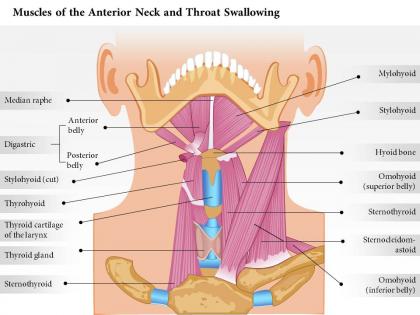
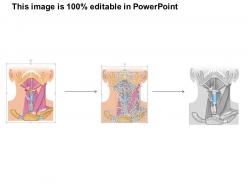
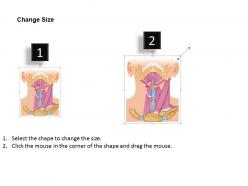
0514 muscles of anterior neck and throat swallowing medical images for powerpoint




Try Before you Buy Download Free Sample Product
 Impress Your
 Audience
 100%
100% Editable
 Save Hours
 of Time


Our 0514 Muscles Of Anterior Neck And Throat Swallowing Medical Images For PowerPoint cater for handicaps. They allow you to begin even stevens.
People who downloaded this PowerPoint presentation also viewed the following :
0514 muscles of anterior neck and throat swallowing medical images for powerpoint with all 11 slides:
Be the face of your brand with our 0514 Muscles Of Anterior Neck And Throat Swallowing Medical Images For PowerPoint. They ensure you excellent exposure.

FAQs for 0514 muscles of anterior neck and throat swallowing medical
So the big ones to focus on are the sternocleidomastoid, scalenes, and those hyoid muscle groups (supra and infra). SCM is honestly your best friend here - it does the head rotating and flexing, and you can literally see it pop out when someone turns their head. Pretty hard to miss. Scalenes help with neck stuff and breathing by lifting the ribs. Then you've got the hyoid muscles handling swallowing and larynx positioning. When you're actually examining someone, definitely start with the SCM since it's so obvious, then move to the smaller ones. Way easier than trying to hunt down tiny muscles first.
So basically those front neck muscles all work together to lift your larynx and hyoid bone when you swallow - which keeps food from going down the wrong pipe. The mylohyoid, geniohyoid, and stylohyoid muscles pull everything up and forward. This closes your trachea and opens the esophagus instead. Your tongue gets positioned right to push food backward too. Pretty wild how it all happens automatically, right? If someone's having swallowing issues, you'll often see the larynx not elevating enough because those anterior muscles aren't strong enough. That's usually when aspiration becomes a real problem.
Hey! So basically the sternocleidomastoid muscles are what let you turn your head side to side and nod forward. They're pretty cool actually - they run from your sternum and collarbone all the way up behind your ear. Here's the weird part: when your right one contracts, it turns your head LEFT. Both together? That's what brings your chin down to your chest. Next time you're doing assessments, have someone turn their head against your hand - you'll feel these babies pop right out. They're honestly one of the easier muscles to palpate once you know where to look.
Honestly, anterior neck muscles are huge for PT - you'll deal with swallowing issues and voice problems all the time. The suprahyoid and infrahyoid groups basically control where your larynx sits and how swallowing works. When they're messed up, patients get that weird lump-in-throat sensation or straight-up dysphagia. I always check the mylohyoid for tongue stuff and sternohyoid for laryngeal depression. Here's the thing though - these muscles love to overcompensate when the deep cervical stabilizers are weak, which creates that forward head posture nightmare. Don't just do random neck stretches. Palpate first to figure out what's actually tight.
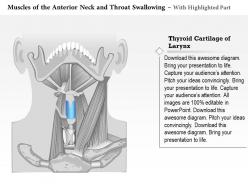
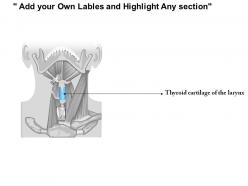
So basically, intrinsic muscles are the tiny ones inside your larynx that do all the precise stuff - adjusting vocal cord tension, pitch, that kind of thing. Extrinsic muscles are the bigger ones that connect your larynx to other structures and move the whole thing up and down when you swallow or talk. Think cricothyroid and vocal muscles for intrinsic, then sternohyoid and thyrohyoid for extrinsic. The extrinsic ones are honestly way easier to palpate since they're bigger and closer to the surface. Intrinsic muscles are like... imagine trying to feel a guitar string versus feeling your bicep, you know?
So the platysma is basically your grimace muscle - you know that "ugh" face when something's nasty? It pulls your lower lip and jaw corners down, plus it makes those rope-like bands pop out on your neck when you're stressed. Pretty thin muscle but covers most of the front neck area. Also helps open your jaw a bit. Honestly, it's one of those muscles that's way more obvious when people are having a bad day lol. Next time you're doing neck stuff, just tell them to frown hard and you'll see it activate immediately.
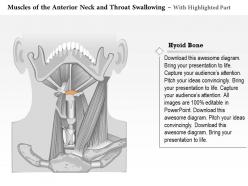
So the anterior neck - it's basically that triangle right in front bounded by your jaw bone up top, the little notch at your sternum down below, and those big neck muscles on the sides. You can feel everything pretty easily in there. The hyoid bone sits smack in the middle and honestly it's your best friend for finding stuff - it's literally the only bone in your body that doesn't connect to another bone, which is kinda crazy. This whole area's packed with important things like your thyroid, carotid arteries, jugular veins. Just use that hyoid as your starting point and you'll be good.
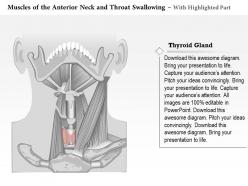
So you've got the common carotids and internal jugular veins running with the sternocleidomastoid - that's your main highway. External jugulars cross right over the SCM, but honestly these things are all over the place between patients. Don't even get me started on how variable they can be. Anterior jugulars hug the midline with that connecting arch between them. The thyroid's super vascular too - superior and inferior thyroid arteries everywhere. Always feel for that carotid pulse first though, seriously. You don't want any surprises when you're working in there.
So basically your neck muscles work together to keep your cervical spine stable. The deep ones (longus colli and capitis) attach right to your vertebrae and control that natural curve, while surface muscles like your SCM and scalenes handle the dynamic stuff when you move your head around. Problem is, tight or weak muscles mess up this whole system and create wonky compensation patterns. Even your hyoid muscles get involved through fascial connections - honestly didn't realize how interconnected everything was until I started studying this stuff more. Bottom line: you've gotta check both deep and superficial neck flexors when someone's having cervical issues.
So most neck injuries I see are muscle strains - you know, whiplash or just jerking your head wrong. Plus all those knots from stress and crappy posture. The scalenes and SCM muscles take the worst beating. Start with rest and ice, then move to gentle stretches and maybe massage. Ibuprofen works great for the swelling too. Here's the thing though - people freak out about neck pain, which honestly just makes everything tighter. Most cases clear up in a week or two with basic care. PT helps for the bad ones. Oh, and obviously rule out anything serious first.
Yeah, aging definitely hits those front neck muscles hard. You lose strength in all those little muscles that help you swallow and speak properly. They basically shrink and get less flexible over time - it's why my grandma always struggled with pills getting stuck. Really shows up when older people can't clear their throat well anymore. But here's the thing - you can actually fight back with exercises. Chin tucks work great, plus doing neck flexion with some resistance. Swallowing exercises help too. Honestly, if you start early enough, it makes a huge difference in keeping everything working smoothly.
Start with ultrasound for sure - it's cheap and you can watch the muscles move in real time when they swallow or talk. Pretty cool actually. MRI's gonna give you way better detail if you need to dig deeper, but it'll cost more and take forever. CT works but honestly the soft tissue contrast kinda sucks compared to MRI. I was blown away by how much you can actually see with ultrasound when I started using it more. For most stuff with the strap muscles or SCM, ultrasound first. Then bump up to MRI if you're not getting what you need.
So basically, your anterior neck muscles are doing this whole coordination thing between breathing and talking. The sternohyoid and thyrohyoid work with your diaphragm to keep that air pressure steady below your vocal cords - that's what actually powers speech. Your infrahyoids stabilize the larynx so you don't sound like a cracking teenager when you change pitch! The suprahyoids help with those quick breaths between phrases. Here's something cool to try with patients - have them put their hand on their throat while speaking. They'll actually feel all these muscles working together. It's pretty wild once you notice it.
Ugh, it's basically all the stuff we do every day that screws us over. Screen time is the worst - your head creeps forward and those front neck muscles get super tight. Smoking makes it worse since it cuts blood flow to the area. Stress doesn't help either, you end up clenching without realizing it. I swear I catch myself doing it during meetings sometimes. Short breaks every hour help tons, plus those chin tuck exercises look ridiculous but actually work. Even basic neck rolls throughout the day make a difference if you're consistent about it.
Hey! So neck strengthening is huge for contact sports - I've watched wrestlers get way stronger with this stuff. Start with chin-to-chest moves using resistance bands or have someone push against your forehead while you resist. Isometric holds work amazing too, like 10-15 second holds where you're just fighting that pressure. These muscles tire out super fast though, so don't go crazy at first. Better to do lighter sessions 2-3 times a week than kill yourself once and be sore for days. Build up slowly and you'll definitely notice the difference!
-
Great experience, I would definitely use your services further.
-
Design layout is very impressive.