


0514 supplier chain management powerpoint presentation




Try Before you Buy Download Free Sample Product
 Impress Your
 Audience
 100%
100% Editable
 Save Hours
 of Time


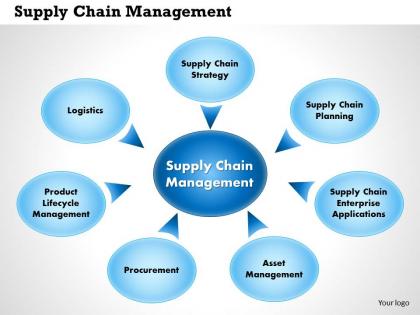
Business manufacturing companies sometimes face a big deal of problems in managing the supply chains which somehow leads to a loss. This 0514 Supplier Management PowerPoint presentation vividly make you understand the importance of managing the chain which follows to teach you an art of supply chain management. You may have end number of employees offering you the distributing services and bringing a hike of orders constantly, but until you do not know how to keep a record of the chain supply, your business may not be able to grow abruptly. This supplier chain management PPT slide icon teaches to succeed at supplier chain management while using seven stage process. The cycle include Supply chain, strategy, Supply chain planning, Supply chain enterprise applications, Asset management, Procurement, Product lifecycle management and logistics. A user can easily edit the information in these stages and there will be a supplier chain management PPT icon ready to present among the targeted audience and expect the turnover within a short period of time.Avoid feeling harassed with our 0514 Supplier Chain Management Powerpoint Presentation. They make the going extremely easy.
People who downloaded this PowerPoint presentation also viewed the following :
0514 supplier chain management powerpoint presentation with all 5 slides:
Half truths can be very deceiving. Full facts come out clearly with our 0514 Supplier Chain Management Powerpoint Presentation.


FAQs for 0514 supplier chain
Honestly, start by mapping what you've got first - can't fix what you don't understand, right? Visibility is everything - tracking stuff from raw materials all the way to delivery. Your supplier relationships matter way more than people think. Teams working in silos will kill you every time, so get everyone talking. Demand planning saves you from those nightmare scenarios where you're either drowning in inventory or scrambling to fill orders. Risk management became huge after all the crazy disruptions lately. Agility helps too - being able to pivot when things go sideways. It sounds like a lot but visibility's your starting point.
So basically IoT sensors give you eyes on everything - they track shipments, watch temps for stuff that spoils, and ping you when things go sideways. Then AI crunches all that data to predict delays and optimize routes. It's pretty wild how it spots patterns you'd miss. You can actually see where your bottlenecks are happening and fix them before they mess up your whole delivery schedule. My advice? Don't try to do everything at once though. Pick one annoying problem first - like tracking your expensive shipments - and build from there. Way less overwhelming.
Look, supplier relationships are basically your safety net when things go sideways. You build trust with them, and suddenly you're getting early warnings about delays or shortages instead of scrambling last-minute. They'll actually prioritize your orders over other customers too - honestly, it's kind of amazing how much difference this makes. The trick is treating them like actual partners instead of just order-takers. Don't just call when you need something! Set up regular check-ins every few months to talk about capacity issues and what's coming down the pipeline.
Honestly, just focus on the basics first - on-time deliveries, how fast you're moving inventory, and order accuracy. Those three will tell you if customers are actually happy. Cost per unit matters too, obviously nobody wants to overspend. I'd also watch supplier performance and lead times closely. The thing is, don't go crazy tracking like 20 different things. Pick maybe 4-5 that actually matter for your specific business goals. Figure out where you're at now, then set some targets that aren't completely unrealistic. Way easier said than done though!
Honestly, the visibility thing kills me - you're basically flying blind across your whole network. Makes demand forecasting impossible. Currency swings will mess up your costs constantly, and don't get me started on quality control with suppliers on the other side of the planet. Cultural misunderstandings happen more than you'd think (trust me on that one). Regulatory stuff changes by country too. Natural disasters or political drama can wreck everything overnight. Get solid tracking systems ASAP and always keep backup suppliers ready. Oh, and budget extra time for literally everything.
Honestly, start by looking at who you're already working with and see which ones actually care about this stuff. Set environmental and social standards upfront - don't make it optional. Regular audits help too. Local suppliers are great since you're cutting down on shipping emissions, plus you can actually visit them if needed. Find vendors who genuinely give a damn about waste reduction and treating workers right. Some companies get pretty clever with circular economy stuff - designing products so they're easier to recycle later. The trick is baking sustainability into your selection process from day one instead of tacking it on afterward.
Honestly, three things will save you here. Don't rely on just one supplier - spread that risk around because when stuff hits the fan, you'll be screwed otherwise. Stock up on your critical parts too, even if it means cash sitting there doing nothing. Real-time tracking tools are worth the investment so you can actually see problems coming instead of scrambling after. Oh, and map out which suppliers are your weak spots first - that's where I'd start anyway. Being ahead of the game beats playing catch-up every single time.
So demand forecasting is basically your way to stop playing guessing games with inventory. You can actually plan production schedules and order materials at the right times instead of panicking later. Honestly, good forecasting prevents those annoying stockouts that piss off customers. Plus you're not stuck with warehouse space full of stuff nobody wants - which I've seen kill cash flow at so many companies. It's not perfect obviously, but analyzing your historical sales data and seasonal trends gives you a decent head start. Way better than just winging it and hoping for the best.
Start with demand forecasting - that's honestly where most people screw up. Do an ABC analysis so you're not treating every SKU like it matters equally. Set automated reorder points and keep safety stock based on your lead times. Oh, and ditch the spreadsheets already - real-time tracking will save your sanity. Build better relationships with suppliers for reliable lead times, maybe even get them to manage inventory for your top items. First thing though? Audit what you've got sitting there right now. I bet you'll find dead stock you forgot about that's just eating cash.
Track stuff like supplier performance and inventory levels - the data basically gives you a heads up before things go sideways. You'll know when to reorder and which suppliers actually deliver on time. Routes get optimized, waste drops, and you can negotiate better deals with real numbers instead of just winging it. I'd probably start with whatever metric you're already watching and build a simple dashboard around that. Honestly beats playing guessing games with your supply chain. The patterns show you where bottlenecks always seem to pop up too.
Dude, reverse logistics is where the money is! Most companies just ate the costs on returns and damaged stuff for years. Total waste. Now you're looking at those products flowing back and figuring out how to squeeze value - refurb them, recycle parts, resell what you can. It's wild how much cash you can recover instead of just dumping everything. Plus customers actually like you more when returns don't suck. Who knew? Map out what you're doing with returns right now. I bet you'll find tons of spots where money's just walking out the door.
Ugh, compliance is such a pain but you can't skip it. Basically you're tracking labor standards, environmental stuff, all across different countries - total nightmare that gets worse every year. Can't just go with cheapest suppliers anymore either, they need the right certifications. Documentation goes through the roof. You'll be doing audits constantly and probably need some fancy software to manage it all. Oh and map out which regulations hit which suppliers first - that's your starting point. At least it covers your ass and keeps your brand clean, so there's that.
Honestly, the best thing you can do is just start talking to your suppliers more. Share your production schedules and inventory data - transparency fixes so many headaches. When everyone knows what's coming down the pipeline, you catch problems before they blow up. Regular check-ins are clutch for demand forecasting too. I'd probably start simple with weekly calls, then maybe work up to shared dashboards once you've built that trust. The whole point is optimizing together instead of everyone just looking out for themselves. Nobody wants last-minute surprises screwing up their quarterly numbers.
So globalization opens up the whole world for sourcing - cheaper labor, better materials, all that good stuff. But man, it gets complicated fast. Different time zones, weird regulations, currency headaches. COVID really showed how fragile these long supply chains can be, didn't it? Your suppliers end up scattered everywhere, which means you need solid tracking systems and backup plans. I'd start by actually mapping where all your current suppliers are located. You'll probably find some scary concentration risks you didn't even realize existed. It's all about finding that sweet spot between saving money and not getting screwed over.
So AI forecasting is getting really good now, plus everyone wants that real-time tracking stuff. Sustainable sourcing isn't optional anymore either - customers actually care. Digital twins are pretty cool though - you can basically test out scenarios on a virtual copy of your supply chain before making changes. Blockchain's still figuring itself out for tracking products. The autonomous delivery thing is finally moving past just testing phases. Here's the annoying part: people expect Amazon-level updates on everything now, so visibility is crucial. My advice? Start digitizing your main supplier relationships first instead of going crazy trying to fix everything at once.
-
Awesomely designed templates, Easy to understand.
-
Content of slide is easy to understand and edit.