

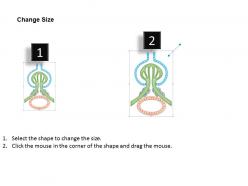
0614 juxtaglomerular apparatus jgamedical images for powerpoint




Try Before you Buy Download Free Sample Product
 Impress Your
 Audience
 100%
100% Editable
 Save Hours
 of Time


Gain a greater dimension with our 0614 Juxtaglomerular Apparatus Jgamedical Images For Powerpoint. Your efforts will have a broader effect.
People who downloaded this PowerPoint presentation also viewed the following :
0614 juxtaglomerular apparatus jgamedical images for powerpoint with all 9 slides:
Acquire complete control with our 0614 Juxtaglomerular Apparatus Jgamedical Images For Powerpoint. They enable you to harness their abilities.

FAQs for 0614 juxtaglomerular apparatus jgamedical
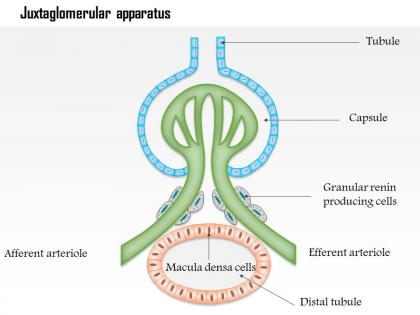
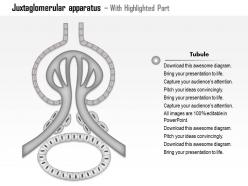
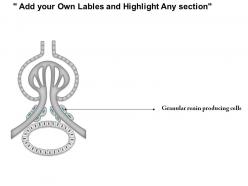
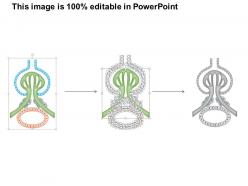
So the juxtaglomerular apparatus has three parts you gotta memorize. First are the juxtaglomerular cells - they're basically modified smooth muscle cells sitting in the afferent arteriole wall. Then there's the macula densa, which are these specialized cells in the distal convoluted tubule that sense sodium levels. Between them sit the extraglomerular mesangial cells (sometimes called lacis cells, because kidney anatomy loves confusing names apparently). JG cells pump out renin while the macula densa does the sensing and signaling. Picture them as one control unit at each glomerulus rather than totally separate things - it'll make way more sense that way.
So the JGA is basically your kidney's way of monitoring blood pressure. When it drops, juxtaglomerular cells dump renin into your blood. That starts this whole chain reaction - angiotensinogen turns into angiotensin II, which squeezes blood vessels tight and triggers aldosterone release. Aldosterone makes your kidneys hoard sodium and water, pumping your blood volume back up. It's actually pretty clever how it all works together. Oh, and this is why ACE inhibitors are so effective for hypertension - they just block this whole pathway. Makes sense when you think about it that way.
So juxtaglomerular cells are basically your body's renin factories. They hang out in the afferent arteriole walls and work like tiny pressure sensors. Low blood pressure? They dump renin. Low sodium levels? More renin. Sympathetic nervous system freaking out? Yep, renin again. Once that renin hits your bloodstream, it kicks off the whole RAAS cascade - you know, angiotensin I becomes II, aldosterone gets produced, the works. It's actually kind of brilliant how they're positioned right there to monitor everything. Without these little cells doing their thing, your blood pressure regulation would be totally screwed.
So the macula densa is basically your body's sodium detector - it sits there monitoring salt levels in the kidney tubules. Low sodium? It immediately tells the JG cells to pump out renin, which starts that whole RAAS thing we learned about. Pretty clever setup honestly. Short sentences, long ones that flow naturally when you read them. Blood pressure drops and this little cluster of cells already knows what's up. It's like having a built-in early warning system that doesn't mess around. The whole feedback loop keeps everything balanced without you even thinking about it.
So there are three main triggers for renin release. When blood pressure drops, those baroreceptors in the afferent arteriole pick it up and release renin. You've also got the macula densa cells - they're part of the distal tubule right next to the JG cells, and when they don't get enough sodium chloride, that's another trigger. The third one's sympathetic nervous system activation hitting those beta-1 receptors on the JG cells directly. Honestly, it's pretty clever how they all work together - your kidney's basically panicking and trying to jack up blood pressure fast. Usually you'll see multiple pathways going off at once in real patients.
So basically when the JGA stops working right, your kidney can't control blood pressure anymore. The cells that detect sodium get confused, and renin goes crazy - it's like your kidney's thermostat broke completely. Blood pressure shoots up and stays there, which slowly destroys the filtering units over time. Plus you lose that feedback loop where blood flow adjusts based on what the kidney actually needs. Honestly, I've seen so many cases where someone has stubborn high blood pressure and doctors can't figure out why - turns out the JGA was the problem all along.
So basically the macula densa cells are like your kidney's salt detectors. When they sense low sodium in the tubule, they tell the JG cells to pump out renin. Makes sense right? Low salt usually means you're dehydrated or something, so your body freaks out and activates that whole renin-angiotensin thing to grab onto more sodium and water. High sodium does the flip - shuts down renin because you don't need to hoard salt anymore. The relationship's backwards though, which always messed with my head at first. Low tubular sodium = high renin.
So basically, sympathetic stimulation hits those juxtaglomerular cells and makes them dump renin. The beta-1 receptors get triggered during stress or when you're dehydrated - honestly, your body's pretty smart about this stuff. It also tightens up the afferent arterioles, which drops your filtration rate and signals even more renin release. The whole thing kicks off that renin-angiotensin cascade we talked about. End result? Your blood pressure shoots up and you retain more fluid. It's like your body's emergency response system.
So the JGA is basically your kidney's control room - it's constantly monitoring what's happening with blood pressure and fluid levels. When those macula densa cells notice low sodium or poor filtration, they tell the JG cells to dump renin into your system. Think of it like a really sophisticated thermostat, but for your blood pressure instead of temperature. This triggers that whole renin-angiotensin-aldosterone thing you probably learned about. Mesangial cells pitch in too by tweaking filtration rates. The whole system feeds back on itself, which is honestly pretty cool. If any part gets messed up though, everything can go haywire.
So the big ones are hypertension, chronic kidney disease, and heart failure - basically stuff that screws with blood pressure or kidney function. Diabetes is massive because it slowly damages the glomeruli. You'll see it with renal artery stenosis too, plus certain meds like ACE inhibitors (which is actually therapeutic but still messes with JGA function). Honestly? Once you know what to look for, JGA dysfunction shows up constantly in nephro and cardio cases. When you see wonky renin levels or blood pressure patterns that make zero sense, that's your cue to think about JGA issues. The sensing and response mechanism just gets thrown off.
So here's the thing - diuretics actually make your juxtaglomerular apparatus go haywire. They cause volume depletion, right? Less sodium hits those macula densa cells. Your JG cells freak out and start pumping renin like there's no tomorrow. The afferent arterioles aren't getting stretched either, which just makes everything worse. It's honestly counterintuitive - you'd think diuretics would calm the system down, but nope. They trigger this whole compensatory mess instead. That's why people on chronic furosemide or thiazides end up with high renin levels. Just something to remember when you're looking at lab values.
So the juxtaglomerular apparatus is your kidney's way of monitoring blood pressure - pretty cool system actually. When it detects low BP or sodium, it releases renin. That triggers the whole renin-angiotensin-aldosterone cascade (honestly such a satisfying pathway once you get it). Basically increases sodium reabsorption and water retention to bump your pressure back up. It's why ACE inhibitors work so well for hypertension - you're interrupting that feedback loop. Super relevant when you're dealing with patients who have fluid issues or high BP.
Honestly, imaging the JGA is a pain because it's so tiny. High-res ultrasound and MRI can work, but Doppler ultrasound is probably your best shot - it shows blood flow in those arterioles which gives you decent indirect info about function. Advanced MRI like diffusion-weighted imaging picks up structural changes too. There's some newer contrast-enhanced ultrasound stuff that looks promising, though I haven't seen it used much yet. Don't just rely on imaging alone though. You'll want to pair it with clinical stuff like renin levels and BP patterns since direct visualization is still pretty limited with what we've got right now.
So basically when JGA goes haywire, you get this stubborn hypertension that just won't budge with normal meds. The whole renin-angiotensin system gets screwed up. These patients end up with major risks - stroke, heart failure, kidneys taking a beating. Standard BP meds don't cut it; they usually need ACE inhibitors or aldosterone blockers that actually target the RAAS pathway. Honestly, if you see someone with resistant HTN that doesn't make sense, check their renin and aldosterone ratio. That's often where you'll find your answer.
So basically, scientists studying the juxtaglomerular apparatus might crack the hypertension code. Instead of current meds that just block things downstream, we could actually fix the root sensing problem. The macula densa cells are like little sodium detectors that tell your kidneys when to release renin - if we understood that mechanism better, we'd have way more targeted treatments. Think restoring your body's natural BP control rather than fighting it. Honestly, this approach makes so much more sense than what we're doing now. Watch for breakthroughs in macula densa research - that's where the magic will happen.
-
Unique and attractive product design.
-
The Designed Graphic are very professional and classic.