


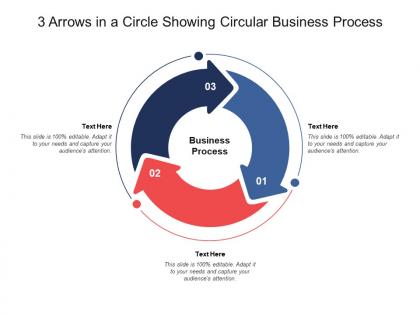
3 arrows in a circle showing circular business process





Try Before you Buy Download Free Sample Product
 Impress Your
 Audience
 100%
100% Editable
 Save Hours
 of Time


Get folks to indulge in group activities with our 3 Arrows In A Circle Showing Circular Business Process. It will encourage the growth of camaraderie.
People who downloaded this PowerPoint presentation also viewed the following :
3 arrows in a circle showing circular business process with all 5 slides:
Figure out how to continue gaining ground with our 3 Arrows In A Circle Showing Circular Business Process. Be able to carry the case forward.


FAQs for 3 arrows in a circle showing
So basically you wanna cut out waste completely and keep stuff in circulation as long as possible. Design things so there's no waste from day one. Then focus on reusing, fixing, and recycling everything. It's kinda like that Netflix model but for physical products - people use your stuff instead of owning it outright. Way better for the planet tbh. Map out where you're currently wasting materials, then get creative about how that "waste" could become useful for someone else. Oh, and don't forget the regeneration part - you're trying to actually help natural systems instead of just doing less damage to them.
So basically, linear processes are that whole "take-make-toss" thing we've been doing forever - grab materials, build stuff, chuck it when it breaks. Pretty wasteful honestly. Circular processes flip that around. Instead of everything heading straight to a landfill, you're looping materials back through recycling, repairs, whatever keeps them useful longer. The circular approach is all about making things last - designing for durability, easy fixes, finding second lives for "waste." Look at where you're throwing away the most stuff right now. That's probably your best starting point for going circular.
So here's the thing - waste management basically closes the loop in circular business. You're not just tossing stuff anymore, you're treating waste like it's actually worth something. Map out what waste you're producing first (trust me, there's probably more than you think). Then figure out how to pull value back from those waste streams. It's kind of like composting but for your whole operation. The end goal? Keep materials cycling through instead of hitting landfills. Oh, and redesign your processes to create less waste upfront - that part's huge.
Honestly, don't overthink this - focus on waste reduction percentages and how much material you're actually recovering first. Those are your bread and butter metrics. Money-wise, track cost savings from reusing stuff and any new revenue from circular products. ROI matters obviously but I'd argue customer engagement is where the real magic happens (way more than people think). How are your circular offerings affecting retention? Brand perception? That stuff adds up fast. Pick maybe 3-4 KPIs that actually tie to your business goals. I've seen companies drown in data measuring every little thing when they should've just stuck to what moves the needle.
Honestly, there's some cool stuff happening out there! Patagonia does repairs and resells gear to keep it from getting trashed. Interface figured out how to turn old carpets into new ones - which is pretty smart. Dell grabs materials from junky computers for their new devices. Nike's doing something similar with beat-up sneakers, turning them into new shoes or even playground surfaces. Oh, and Unilever went the packaging route - everything's refillable or compostable now. But here's the thing: don't try to do everything at once. Just pick one product or waste thing you deal with and focus there first.
Honestly, the money thing hits first - redesigning everything for durability costs a ton upfront while you're still running the old system. Your teams need totally different training, and good luck convincing the C-suite when profits won't show up for months. Finding suppliers who actually get the circular model? That's its own headache. Plus customers are so used to just throwing stuff away - changing that mindset takes forever. Oh, and don't even get me started on the tech investments. My advice? Pick one product line and test it out small before you blow up your whole operation.
Look, tech is honestly a game-changer for circular stuff. IoT sensors track product lifecycles, blockchain gives you supply chain transparency, and AI optimizes material flows - plus predicts maintenance needs so you're not just tossing things. Digital platforms make sharing economies and take-back programs actually doable with customers. My advice? Pick one tech solution that tackles your biggest headache first. Building from there works way better than trying to go full sci-fi mode right away. Trust me, I've seen companies crash and burn doing that.
So basically you're flipping your whole supply chain from that wasteful linear thing to a closed loop. Instead of toss-and-replace, materials keep cycling back through. You'll have to rethink sourcing - go for recyclable stuff, set up reverse logistics for returns, partner with recycling places. Yeah, it's a pain initially but honestly? Your supply chain gets way more resilient since you're not scrambling for new materials constantly. Costs drop eventually too. I'd start by figuring out where your materials currently disappear and work backwards from there.
Honestly, customers make or break this whole thing. They're the ones buying refurbished stuff instead of new, actually using those take-back programs you set up. Without them participating, your circular model just burns money - learned that the hard way watching companies crash and burn. You need to make it stupidly easy for people to join in, maybe throw some rewards their way. Then track what behaviors actually stick (spoiler: most don't). Focus on what works and ditch the rest. No point investing in systems nobody uses.
First thing you'll notice is way less waste and material costs - that hits fast. Companies start reusing stuff instead of constantly buying new, which is honestly a no-brainer. Some get really clever turning their waste into actual revenue streams (I've seen some wild examples). Compliance costs drop too, plus you might snag green tax breaks. The brand boost can even let you charge premium prices. Definitely start by mapping out what waste you're creating right now - that's where the biggest savings are hiding.
Honestly, skip the whole "stakeholder engagement" corporate speak - it's cringe. Map out who actually gets affected first: suppliers, customers, your team, local folks. Then give them real ways to jump in, not just boring presentations. Maybe co-design products with customers or set up take-back programs with suppliers. Your employees especially need to get why this circular stuff matters for their actual day-to-day work. The magic happens when you move past just telling people things and actually let them help solve problems and make decisions with you.
So the EU's Circular Economy Action Plan is probably your biggest headache - sets binding waste and recycling targets for all member states. Here in the US it's way messier since we don't have federal mandates, just random state policies everywhere. Extended Producer Responsibility laws are getting huge though, where companies have to deal with their products cradle to grave. China's got their circular economy promotion law too. Honestly the green procurement stuff creates decent market incentives if you're trying to sell sustainable products. I'd figure out what regs actually hit your industry first - saves you from going down rabbit holes.
So basically, instead of that whole take-make-toss cycle, you keep stuff in use way longer. Your waste becomes someone else's input - pretty neat actually. Materials keep cycling through instead of hitting landfills. You'll cut environmental impact and usually save money too. Win-win situation there. Start by mapping out where your materials currently go (might be eye-opening tbh). Then figure out where you can create those closed loops. Like, maybe your "waste" heat could power something else? It's all about finding connections you hadn't thought of before. Makes way more sense than the old linear model.
You'll definitely need to think in systems - like seeing how everything connects across departments, not just your slice. Project management is clutch since you're always juggling suppliers, ops, and customers. Creativity matters more than people realize because you're basically solving waste puzzles all day. Getting stakeholders on board when they're resistant to change? That's where solid communication comes in. Oh, and honestly, some of the old-school processes are so entrenched it's ridiculous. Try mapping out one workflow from your current job - it's good practice for developing that bigger-picture mindset you'll need.
Honestly, don't try to fix everything at once - that's a recipe for burnout. Map out what waste you're creating first, then see where you can reuse stuff internally. The coolest thing I've seen is local businesses swapping materials - like coffee shops giving grounds to farms, then getting produce back. Super smart. If you can swing it, look into those service-model approaches where customers basically rent instead of buy. Oh, and when you're designing anything new, think about what happens when it dies. But seriously, just pick one thing this quarter and test it out. You'll learn way more by doing than planning forever.
No Reviews