

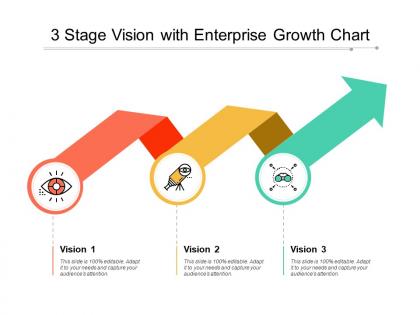
3 stage vision with enterprise growth chart




Try Before you Buy Download Free Sample Product
 Impress Your
 Audience
 100%
100% Editable
 Save Hours
 of Time


Our 3 Stage Vision With Enterprise Growth Chart avoid any cliches. They add on to your creative dimensions.
People who downloaded this PowerPoint presentation also viewed the following :
3 stage vision with enterprise growth chart with all 5 slides:
Our 3 Stage Vision With Enterprise Growth Chart add definitive dimensions. They bring to the fore exact descriptions.





FAQs for 3 stage vision with
Honestly, you need four main things: market analysis, knowing your competition, figuring out resources, and actual deadlines. First figure out where you can realistically win - not just where it sounds cool to compete. Map your advantages against competitors, then get real about what you'll need (money, people, tech). Deadlines are massive because without them growth is just daydreaming. Oh and build in ways to get feedback so you can change course when stuff isn't working. Trust me on this - pick maybe 2-3 areas tops. Spreading yourself thin never works.
First thing - figure out where you actually stand in the market right now and what your customers really need. Look at what competitors aren't doing well. I'd score each opportunity using something like the RICE framework (Reach, Impact, Confidence, Effort), but honestly? Sometimes you just have to trust your gut on these things. Focus on the ones with solid returns that won't break the bank or kill your team. Quick wins are great, but don't ignore the bigger strategic plays. Oh, and markets shift fast these days, so revisit your priorities every few months.
Look, market research is like having a map before you go hiking - skip it and you'll probably get lost. You need to understand who your customers actually are, what they want, and where your competition is screwing up. I always tell people to do customer interviews first (way more valuable than you'd think), then dig into industry reports for the bigger picture. Size of the market, pricing stuff, all that matters. Companies that just guess their way into expansion? Yeah, that usually goes about as well as you'd expect. Short version: do your homework before you make moves.
So here's what I've seen work - automation is honestly your best bet for quick wins. You're basically cutting costs while doing more stuff. Data analytics helps you make way better decisions instead of just guessing. Digital platforms open up totally new markets you couldn't touch before. Most companies I know hit automation first because the ROI is pretty obvious. Cloud infrastructure is clutch for scaling fast, and AI can give you crazy good customer insights. Oh, and integration tools are a lifesaver for connecting all your systems. Don't get distracted by fancy new tech though. Figure out what's actually breaking in your business first, then find tools that fix those specific problems.
Honestly? Cash flow is gonna be your biggest headache - aggressive growth eats money like crazy. Your systems will probably break down before they're ready to handle the volume (I've watched this trainwreck so many times). Quality usually takes a hit when you're scrambling to expand fast. There's also the whole betting-on-new-markets thing, which is risky as hell. Oh, and good luck keeping your company culture intact when you're hiring like mad. Set milestones and have backup plans ready. Even when you think you've got it under control, something always goes sideways.
Dude, you need both types of metrics - the ones that predict what's coming and the ones that show what already happened. So like customer acquisition and pipeline stuff gives you heads up, while revenue and market share tell you how you actually did. Pick maybe 3-5 metrics max that connect to your growth goals. I swear, too many KPIs just make everything messy and nobody pays attention. Most companies get tunnel vision on revenue numbers but totally miss the warning signs happening upstream. Check them monthly and pivot when things start looking weird.
Start with solid market research - figure out what locals actually want and who you're up against. So many companies crash and burn thinking they can just transplant their existing strategy. Find local partners or hire people who get the culture. Maybe run a small pilot first? That way you're not betting the farm right off the bat. The trick is tweaking your product to fit local tastes without losing what makes you special. I'd honestly rather see you start tiny and learn as you go than blow your budget on some massive launch that flops.
Dude, you HAVE to listen to your customers - seriously, it's like having a map for growth. I've watched so many companies just burn through money because they built stuff nobody wanted. They just assumed instead of asking, which is wild to me. Get feedback loops going now - surveys, interviews, looking at how people actually use your product. That data shows you where to focus your energy and what's actually working. Plus you'll find expansion ideas you never thought of. Honestly, every growth decision should start with what customers are telling you, not what you think they want.
Hire curious people who don't freak out when things get messy - those scrappy types who actually enjoy figuring stuff out. Make growth everyone's job, not just the C-suite's headache. Cultural fit is honestly more crucial than most founders think, especially when you're moving fast. Be super transparent about where you're headed and celebrate the smart failures alongside wins. Oh, and don't skimp on learning opportunities for your team. People who feel like they're leveling up will naturally push the company forward. Regular culture pulse checks are clutch so you don't accidentally kill what made you special.
Here's what I'd do - split your budget 70/30. Most money goes to stuff that'll hit within a year or so. The other 30%? That's your experimental fund for the big swings. Honestly, the hardest part is not touching that long-term money when your boss is breathing down your neck about this quarter's numbers. But you gotta stay disciplined. Track everything so you can prove the quick wins are actually paying for your innovation projects. Oh, and look at what's making money right now - probably enough there to fund 2-3 experiments this quarter without breaking anything.
Bank loans are your cheapest bet if your credit doesn't suck. SBA loans have amazing terms but holy hell, the waiting and paperwork will make you want to scream. Equipment financing works great for specific stuff you need to buy. Lines of credit give you flexibility when cash flow gets weird. Oh, and if you're cool with giving up some ownership, venture capital's always an option. Invoice factoring too if you've got receivables sitting around. Honestly though, figure out exactly what you need first - like are we talking new equipment or just general operating cash? That'll help you pick the right route.
Honestly, partnerships are like a cheat code for growth. You get instant access to new customers and markets without having to build everything yourself. Find companies that are strong where you're weak - maybe they've got the tech skills you lack, or they already have distribution channels you need. Just make sure you're not partnering with direct competitors (learned that one the hard way). The trick is finding someone whose goals line up with yours. I'd start by figuring out what gaps you have, then look for companies that already crush it in those areas. Way faster than trying to do everything solo.
So globalization is this double-edged thing, right? Opens up tons of markets and you can hire talent from anywhere, which is awesome. But literally everyone else gets the same advantages, so competition gets brutal. Each country has different cultural stuff and regulations you'll need to figure out. Supply chains get way more complicated too. My advice? Don't try to conquer the world at once - that's how companies crash and burn. Pick one market, do your homework first, test it out. See how that goes before jumping into the next one. Way smarter approach.
Honestly? Market disruptions are scary but you've gotta move fast. First thing - figure out how your customers' needs have actually changed, not what you think changed. Don't get stuck trying to craft the perfect response (I see this all the time). Run quick, cheap tests instead. Focus on stuff you can actually control: keep your customers close, find new ways to make money, stay flexible with operations. The companies that bounce back fastest are the ones experimenting while everyone else is still panicking. Oh, and diversifying revenue streams early is clutch - wish more people realized that before things get messy.
Look, without innovation you're basically waiting to become irrelevant. Competitors will pass you by, customers will find better options elsewhere, and you'll miss out on new revenue opportunities. I've watched companies get way too comfortable with their current success - then suddenly they're scrambling to catch up years later. The trick is making innovation part of your actual culture, not just some side project. You need real budget for R&D and experimentation. Short bursts work. But consistency matters more than anything else.
No Reviews