


Account Plan Executive Sponsorship Sales Enablement Value Engineering Status






Try Before you Buy Download Free Sample Product
 Impress Your
 Audience
 100%
100% Editable
 Save Hours
 of Time


Our Account Plan Executive Sponsorship Sales Enablement Value Engineering Status are topically designed to provide an attractive backdrop to any subject. Use them to look like a presentation pro.
People who downloaded this PowerPoint presentation also viewed the following :
Account Plan Executive Sponsorship Sales Enablement Value Engineering Status with all 9 slides:
Use our Account Plan Executive Sponsorship Sales Enablement Value Engineering Status to effectively help you save your valuable time. They are readymade to fit into any presentation structure.

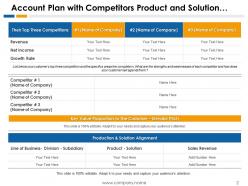
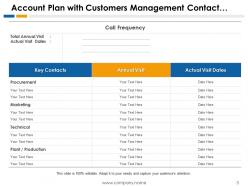
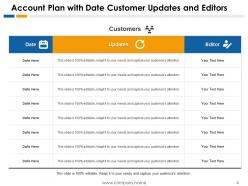
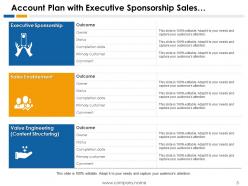
FAQs for Account Plan Executive Sponsorship Sales Enablement
Honestly, it comes down to three things that have to work together. First - content. Your team needs battle cards, case studies, competitive intel, all that stuff, but actually accessible when they need it. Training's huge too because that one-week onboarding everyone does? Pretty useless without ongoing coaching. Then there's the tech side - CRM integration, content management, analytics so you can see what's actually moving the needle. I'd start by looking at what you've already got in each area, then figure out where the biggest holes are. The real magic happens when all three aren't fighting each other.
Honestly, these tools are game-changers because everything your team needs lives in one spot - content, training stuff, customer data, playbooks. Your reps won't waste time digging through random folders anymore. The automation piece is huge too. Follow-ups, proposals, all that tedious stuff gets handled automatically, which frees up actual selling time. You'll also get solid data on what content actually converts (super helpful for fine-tuning your approach). Oh, and the performance tracking helps you spot who needs coaching. My advice? Figure out what your team searches for most, then find tools that fix those headaches first.
So content is what actually drives your sales convos - helps prospects get your value and gives reps the right stuff for each stage. Make it searchable though, because nobody's digging through random folders. Tailor it to your buyer personas and tackle the objections your team actually hears in the field. Here's the thing - most companies drown themselves in content that sits there collecting dust. I'd rather have 5 killer pieces than 50 mediocre ones. Get your sales team's input on what works, then audit everything you've got. Cut anything that doesn't push deals forward. Quality wins every time.
Dude, you gotta sync up with your enablement team first - like actually sit down and see what they're pushing. Build your training around their actual playbooks and battle cards instead of doing your own thing. I've watched so many teams where training says one thing but enablement gives reps totally different stuff. It's a mess, honestly. Your role-plays should use the same talk tracks they're already supposed to follow. Map out what enablement's rolling out, then create modules that back up those exact tools and methods. Otherwise you're just confusing everyone.
Honestly, I'd focus on three buckets. Engagement stuff first - are people actually using your content and finishing training? Then track the obvious sales numbers: win rates, how fast deals close, quota hits. The third bucket is kinda fluffy but super important - survey your reps on confidence levels and measure how long new hires take to get productive. Don't go crazy trying to track everything though. Pick maybe 4-5 metrics max that actually matter for your goals. I always tell people to start with whatever's easiest to measure first, then add more later.
Honestly, tech makes sales enablement so much easier once you figure it out. AI analyzes your customer data and suggests which content to send each prospect. Your CRM tracks everything so you're not going into calls blind. Real-time coaching, automated follow-ups, predictive analytics showing which leads are actually hot – it's pretty sweet. The tricky part is making sure all your tools play nice together. I've seen people pick random software that doesn't integrate and just end up creating more headaches for themselves.
Honestly, you're gonna face two main headaches. Sales teams hate changing what already works - if they're hitting numbers, why switch? Can't really argue with that logic. Content becomes this massive mess scattered across drives and folders nobody can find. ROI measurement is brutal too since connecting training to actual deals is nearly impossible. Quick tip though - skip the company-wide rollout. Find your eager reps first, get them some wins, then wave those success stories in front of the doubters. Way easier than fighting the whole team upfront.
Stop thinking of it as a handoff - both teams need to own the whole buyer journey together. Set up weekly check-ins, shared Slack channels, joint campaign planning. Get marketing on sales calls to hear real objections. Have sales share what content actually works (spoiler: it's probably not what marketing thinks). The territorial stuff has to go - "my leads" vs "your deals" mentality kills everything. Track shared metrics like pipeline velocity instead of just volume. Oh, and don't try to fix everything at once. Pick one campaign, plan it together, run it together, measure it together. That's where you'll see the difference.
Look, buyer personas are like your secret weapon for sales content that doesn't suck. A CTO and a marketing director? Totally different animals. They worry about different stuff, talk differently, make decisions differently. So why would you give your sales team the same generic pitch deck for both? Here's what I'd do - map your content to your top personas first. Your sales team will actually use materials that hit specific pain points instead of some watered-down "one size fits all" garbage. Trust me, it makes conversations way more natural. Plus deals close faster when you're speaking their language, not yours.
Okay so sales enablement basically gives your new hires the good stuff right away - proven playbooks, scripts that actually work, messaging that converts. No more random training materials that may or may not help. You can track how they're doing through the platform too, which is pretty clutch. New reps hit quota way faster because they're using what your top performers already figured out. Honestly, it's like good training wheels that don't slow you down. Start with whatever content converts best and build your onboarding around that. Way better than just winging it.
Your sales reps are gold mines of real feedback - they know what's actually closing deals vs. what just looks pretty in presentations. They'll tell you which tools nobody uses and what content makes prospects' eyes glaze over. Honestly, some of the best insights I've gotten came from reps complaining about stuff that seemed brilliant in theory. Short calls work better than long surveys too. Without their input, you're just guessing at what works. They're getting rejected or celebrated daily, so they've got the real story on what's broken in your process.
Honestly, most teams are sleeping on this - you should be digging into your CRM data to see which sales materials actually show up before wins. Call recordings are gold for spotting what talk tracks work. Track how fast new reps ramp up after training too. The whole point is tying your enablement stuff directly to revenue, not just activity metrics (which, let's be real, don't tell you much). I'd start by picking one conversion metric you want to move and work backwards from there. Your data will show you exactly where the gaps are and what's actually driving deals forward.
Honestly, focus on AI content personalization and those conversational intelligence tools that analyze your calls. Mobile-first platforms are huge too. I know your team's probably drowning in software already - mine was - but these actually make life easier by suggesting the right content automatically. Oh, and ditch those brutal quarterly training sessions. Microlearning is way better. Most CRMs are finally talking to enablement platforms now, which is about time. Don't get distracted by every new feature though. Pick maybe two things that'll actually fix your biggest headaches.
Honestly, it's all about giving your sales team the right stuff to work with. Good training and content means they can actually talk to customers like real people instead of reading from some generic script. Your reps will know the pain points, have case studies ready, and won't sound like robots. Consistency matters too - customers get annoyed when they hear different stories from different team members (been there!). When your sales team knows their stuff, conversations feel more natural and consultative. Customers actually feel heard instead of sold to. I'd start by checking what your team actually uses during calls versus what's just sitting in folders somewhere.
Honestly, sales enablement is a game-changer for fixing skill gaps. It gives your reps structured training plus ongoing coaching - not just those boring one-and-done sessions everyone forgets about. You can pinpoint exactly where each person's struggling. Maybe it's handling objections, maybe they don't know the product well enough, or they're terrible at closing. I've watched teams completely turn around once they get consistent practice. The trick? Make it ongoing. Map out your biggest gaps first, then create learning paths with role-playing and peer feedback. Real scenarios work way better than theoretical stuff.
-
Use of icon with content is very relateable, informative and appealing.
-
Excellent work done on template design and graphics.
-
Helpful product design for delivering presentation.
-
Presentation Design is very nice, good work with the content as well.
-
Commendable slides with attractive designs. Extremely pleased with the fact that they are easy to modify. Great work!