


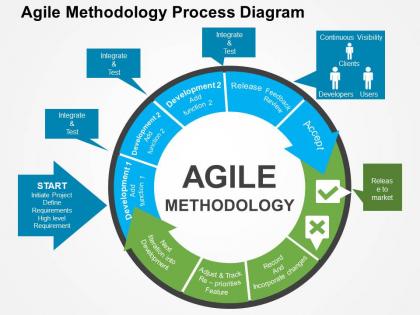
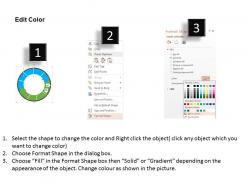
Agile methodology process diagram flat powerpoint design




Try Before you Buy Download Free Sample Product
 Impress Your
 Audience
 100%
100% Editable
 Save Hours
 of Time


Make course correction the strength of your software design, development and delivery process by engaging in continuous collaboration within the team and with the customer-bring changes according to feedback through agile methodology by firmly and clearly delineating it in this unique and stylish PowerPoint design having a holistic diagram on this process for a comprehensive demonstration to the key stakeholders. Distribute the management of subtasks to suitably skilled team members and achieve a flexible and adaptable process for product development that is perfectly compatible with the customer requirement through an active mechanism of information exchange leading to incorporation of suggested changes in next iteration through a process formulated using this PPT slide template. Utilize the creativity of your manpower in a professionally rewarding project executed through agile methodology and ensure early return on investment through incremental approach which can be subsequently tweaked according to need and showcase this strategy using our vibrant PowerPoint presentation slide. Enhance dialogue with buyers with our Agile Methodology Process Diagram Flat Powerpoint Design. They will believe the deal is attractive.
People who downloaded this PowerPoint presentation also viewed the following :
Agile methodology process diagram flat powerpoint design with all 4 slides:
Our Agile Methodology Process Diagram Flat Powerpoint Design are up to date. They are created by a with-it team.
FAQs for Agile methodology process diagram
Honestly, Agile just makes way more sense than waterfall. You're working in these short 2-week sprints instead of planning everything for like 6 months straight. Way less stressful IMO. The whole thing revolves around getting feedback constantly and actually talking to your customers throughout the project - not just at the end when it's too late to fix anything. Basically you're always tweaking things based on what people actually want. Oh, and you don't get buried under tons of documentation either. If you're considering it, maybe just try one small project first?
So basically Agile forces everyone to actually work together instead of staying in their little bubbles. Developers, testers, designers, product people - they're all on one team chasing the same sprint goals. Daily standups are supposed to be quick check-ins where people share what they're doing and if anything's blocking them. Some teams nail this, others turn it into a snoozefest unfortunately. Then you've got sprint reviews and retros that happen regularly so teams can show off their work and hash out what's broken. The magic happens because collaboration isn't just hoped for - it's literally baked into how you work every day.
So basically you've got three main roles in Agile. Product Owner handles what gets built - they manage the backlog and deal with stakeholders. Development Team does the actual building and figures out how to organize the work themselves. Then there's the Scrum Master who keeps everything running smooth and unblocks people when they get stuck (honestly probably the most underrated role). The key thing is everyone knows their lane but still talks constantly. No silos or whatever. Just make sure you define who does what early on or you'll have that awkward "wait, whose job is this?" conversation later.
Honestly, the biggest thing is getting customers involved way earlier than most teams do. Instead of waiting until the end, you're showing them working stuff every few weeks. That regular feedback loop is gold - suddenly you're not guessing what they want anymore. When requirements inevitably shift (because they always do), you can actually adapt without losing months of work. Customers love seeing real progress instead of just status updates. The whole vibe changes when you treat them like partners rather than just people who pay the bills. Trust me, those sprint demos make all the difference.
So the Product Owner is basically the middleman between business folks and your dev team. They're supposed to figure out what actually matters and prioritize your backlog accordingly. Business value, customer feedback, dependencies - all that gets weighed when they decide what's next. Some use story mapping or those MoSCoW priority frameworks (honestly half the POs I've worked with just wing it though). The tricky part? They need to be around to answer questions constantly. Make sure yours isn't one of those people who disappears for weeks then shows up wondering why nothing's done.
Honestly, that's where Agile really shines. You break work into these short 1-4 week sprints, so when requirements change (which, let's face it, happens constantly), you're not stuck. At the end of each sprint, you can totally shift direction without everything falling apart. Keep your backlog flexible and prioritize what actually matters right now - not whatever seemed important months ago. Regular check-ins with stakeholders are huge here, plus those retrospectives where you can hash out what's working. I've seen teams try to fight change and it never ends well. Better to roll with it and just keep updating that backlog based on real feedback.
So there's three main ones you'll see everywhere - Scrum, Kanban, and SAFe. Scrum's pretty structured with sprints and specific roles like Product Owner. Good for teams that need clear rules but honestly can feel rigid sometimes. Kanban's way more chill - just focuses on workflow and limiting how much stuff you're working on at once. No sprints or anything. SAFe is what big companies use when they have tons of teams (think enterprise-level chaos). My take? Start with Scrum if you're new. Gets you the basics down solid, then you can always switch to Kanban later if the structure feels too tight.
Honestly, I'd start with velocity - just track story points your team finishes each sprint. Cycle time's huge too (how long stuff takes from idea to done). Sprint burndowns are pretty standard but useful. What I actually care most about though? Retrospective action items - shows if you're genuinely getting better or just spinning wheels. Customer feedback frequency matters, plus defect rates and whether you hit sprint goals consistently. But here's the thing - don't get obsessed with hitting every metric. Ask yourself: are we delivering value faster? Does the team feel more productive? Pick 2-3 that actually align with your project goals and focus there first.
Honestly, start with Jira or Azure DevOps for project tracking - they're pretty much everywhere in tech. Slack's great for daily chatter, and you'll need Confluence or Notion to actually document stuff (even though nobody likes writing docs lol). Trello works fine if your team's small. CI/CD is huge - Jenkins or GitHub Actions will save your butt. Zoom or Teams for standups, obviously. Here's the thing though - don't go crazy adding tools right away. Pick what your team already knows and build from there. I've seen too many teams get tool-paralyzed trying to implement everything at once.
Oh man, the classic mistakes? People think Agile means zero planning - totally backwards. Daily standups become optional (they're not), and scope creep destroys sprints left and right. When deadlines hit, retrospectives get ditched first - which is honestly when you need them most. Don't even get me started on "product owners" who can't actually make decisions. Here's what works: nail down 2-3 practices first before getting fancy. Make retros sacred. Set real sprint boundaries and stick to them. Also? Your PO needs actual power, not just the title.
So basically you chop your project into these mini chunks - usually 1-4 weeks each. Build something small, test it, get feedback, repeat. Those retrospective meetings happen after each chunk and honestly they can drag sometimes, but they're actually super helpful for spotting problems early. The whole point is you're not guessing what users want for months - you're getting real feedback constantly and can pivot fast. Two weeks tends to work best when you're starting out (though I've seen teams do weird 3-week cycles). Users see actual working stuff regularly instead of waiting forever for some big reveal.
Honestly, frameworks like SAFe or LeSS are your best bet for scaling Agile across multiple teams. SAFe gets a lot of buzz but it's kinda bureaucratic if I'm being real. Scrum of Scrums works too - really depends on your company culture. The trick is keeping those core Agile values while adding enough structure so teams aren't stepping on each other. You'll need shared backlogs, regular sync meetings between product owners, that whole thing. But seriously, don't go big right away. Test it with like 2-3 teams first and see what breaks.
Honestly, remote Agile is all about overcommunicating - like, way more than feels normal. Video calls for dailies and retros are non-negotiable because you need to see people's faces. Set up separate Slack channels for each sprint and actually use your digital boards (Jira, Trello, whatever). Don't skip retros just because scheduling sucks. The thing that kills remote teams? Assuming everyone gets it without checking. I learned this the hard way last year. Start sprints with super clear goals. End them asking what's actually working in this virtual mess and what isn't.
Honestly, feedback is what makes Agile actually work. Your team does retrospectives, customers see demos, stakeholders chime in during sprints - it's this whole loop that keeps you from building garbage nobody wants. Catches problems super early too. The tricky part? People need to feel safe being brutally honest without getting thrown under the bus. I'd start with simple weekly retros - just have everyone say what went well and what sucked. Once you get hooked on that constant improvement cycle, it's hard to go back to the old "hope for the best" approach.
Honestly? Leadership has to go first - if your execs aren't actually doing it, you're screwed from the start. Make failing fast totally okay, even encourage the experimentation. Cross-functional teams need to actually talk to each other instead of just dumping stuff on the next person's desk. I swear half the "Agile transformations" I've seen are just waterfall with fancy sticky notes! Give teams real autonomy to make calls. Deliver value often, celebrate the small stuff. Oh and actually invest in proper training - people need to get WHY this works, not just memorize the steps.
-
Very unique and reliable designs.
-
Great experience, I would definitely use your services further.