


Api management powerpoint presentation slides





Try Before you Buy Download Free Sample Product
 Impress Your
 Audience
 100%
100% Editable
 Save Hours
 of Time


Identify ecological concerns with our API Management Powerpoint Presentation Slides. Encourage folk to develop a "go green" attitude.
People who downloaded this PowerPoint presentation also viewed the following :
Api management powerpoint presentation slides with all 52 slides:
Encourage folk to develop a "go green" attitude with our API Management Powerpoint Presentation Slides. It helps identify ecological concerns.















































FAQs for Api management
Honestly, start with security and docs - those two will save your ass immediately. Rate limiting and authentication are non-negotiable after seeing so many APIs get hammered. Good documentation is huge too, like actually usable stuff developers don't hate. Monitoring catches problems before angry users do, which is clutch. Lifecycle management handles your versioning headaches. Oh and build a decent developer portal where people can discover and test things easily - makes adoption way smoother. Security first though, seriously.
So API management is basically like having a bouncer for all your APIs - it handles authentication, rate limiting, and decides who gets in. You'll get logs showing exactly who accessed what and when, which honestly makes compliance audits way less painful. It also encrypts stuff, validates requests, and can automatically shut down weird activity. The governance side is pretty sweet too since you can set data policies without your devs hating you. Oh, and definitely start with API keys and rate limits first - those two will fix like 80% of your problems right away.
Honestly, security vs developer access is where most companies trip up first. Your devs want everything easy while security locks it all down - classic standoff. Rate limiting gets messy fast too, especially when you're juggling multiple API versions. Legacy systems? Total nightmare since they weren't designed for this stuff. Documentation always gets pushed to the back burner, then nobody knows how to actually use what you built. Oh, and getting different teams on the same page is harder than it sounds. I'd say pick one small project to test things out and nail down your rules before going all-in.
Dude, you really need that visibility to catch bottlenecks and errors before they wreck your day. Track response times, error rates, which endpoints are getting slammed - basically all the stuff that matters. It's kinda like your car dashboard honestly, you wouldn't drive blind right? Set up alerts for when things go wrong (and they will). The data shows you slow queries and scaling issues you didn't even know existed. I'd start with your most critical endpoints first, then just build out from there. Way easier than trying to monitor everything at once and getting overwhelmed.
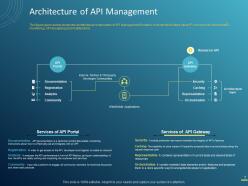
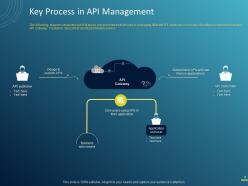
So API gateways are like traffic controllers for all your API requests - one entry point that handles auth, rate limiting, load balancing, all that stuff. Saves you from coding it into every single service. You get centralized monitoring too, which honestly makes debugging so much less painful. If you're doing microservices (which, let's be real, everyone is these days), set one up early. Trust me on this one - managing dozens of endpoints later without one is a nightmare. Short sentences work. But this explanation flows better with some variety in how we structure things, don't you think?
Look, API management is basically the backbone that lets you expose your internal stuff safely to partners and customers. You can wrap your old legacy systems with APIs instead of rebuilding everything - honestly saves so much headache. Mobile apps can finally talk to your core systems, plus you might even make money off your data through API products. It's kinda like having universal adapters for all your business tech. My advice? Start with whatever data or service people bug you about most. Pick that one internal process everyone's always asking for access to and turn it into an API first.
So basically it's control vs convenience. On-premises gives you total control over everything - your data, infrastructure, all of it. But then you're stuck maintaining and scaling everything yourself, which honestly sucks. Cloud handles all that annoying stuff automatically and scales way better. You lose some control though, and there's always that vendor lock-in risk lurking around. If you've got strict compliance stuff, you might not have a choice and need on-premises. For most people though? I'd probably go cloud - less headaches overall.
Think of developer portals as your API's welcome center. Developers get everything in one spot - docs, code examples, SDKs, testing environments. Way better than dumping raw endpoints on them and hoping for the best. The self-service stuff is honestly a game changer. They can sign up, grab API keys, track usage, and fix problems without bugging your support team every five minutes. Oh, and good documentation actually makes developers *want* to use your API instead of looking elsewhere. Make integration painless and you'll win them over.
API management metrics? Yeah, you'll want to watch four things. Response times and uptime are huge - nobody sticks around for slow APIs. Track who's actually using your stuff too - active developers, monthly calls, popular endpoints. Some APIs are basically digital tumbleweeds, which is always fun to discover. Business metrics matter: revenue tied to APIs and cost savings from reuse. Don't forget developer happiness either - how long onboarding takes, support ticket volume. Start with performance and usage stats first since they're quick wins and show you what's actually happening.
Dude, semantic versioning is your best friend here - like v1.2.3 format. We totally screwed this up last year and broke half our integrations, so learn from my mistakes lol. Run old versions alongside new ones while people migrate over. Document breaking changes super clearly upfront. Give devs at least 6-12 months notice before deprecating anything - they hate surprises. Oh and automate your deployments so you can update one version without touching the others. Honestly though, start by just figuring out what versions you've got running right now. That alone might be eye-opening.
Be consistent with naming and stick to REST - developers shouldn't have to decode your endpoints like some weird puzzle. Good docs are everything though, seriously can't stress this enough. I've watched APIs crash and burn just because nobody could figure out what the hell the parameters were supposed to do. Handle errors properly with actual helpful messages instead of random codes. Oh, and version from the start even if it feels unnecessary - you'll thank me later. Always include real examples in your documentation too.
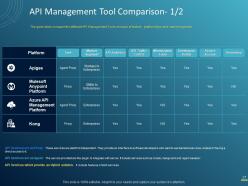
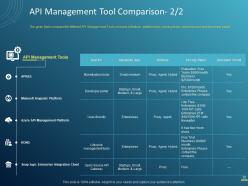
Think of API management platforms like traffic cops for your microservices. They handle all the routing, auth, and rate limiting so each service doesn't have to. Way cleaner than having every microservice manage its own security and documentation - that gets chaotic real quick. You'll get centralized control over access plus analytics across everything. Honestly saved my butt when we hit 30+ services last year. I'd recommend starting with your most critical service calls and funneling those through the platform first. Then expand from there once you see how it works.
Honestly, API management speeds things up way more than it slows them down. Your devs stop wasting time rebuilding stuff that already exists or sitting around waiting for access to services. They just grab what they need from a central catalog and get back to work. Think of it like having all your tools organized instead of digging through random drawers every time you need something. The standardized docs and security stuff cuts down on those annoying integration bugs too - which, let's be real, nobody enjoys fixing at 2am. I'd start with whatever internal services your team uses most. That's where you'll actually notice the difference.
Honestly, just build compliance into your dev process from the start - way easier than trying to fix it later. Map your governance to whatever regs you need (GDPR, HIPAA, PCI-DSS, etc). Get automated scanning tools running against your APIs constantly because manual checks are awful and you WILL miss things. Set up proper auth and encryption right away. Document literally everything - auditors are obsessed with paperwork for some reason. Oh, and build security testing into your release cycle. Pen testing should be routine, not an afterthought.
Honestly, tiered pricing is your best bet - free tier to get devs hooked, then charge by usage or features. Freemium is clutch because once they're using it, they'll pay to keep it (basically the SaaS playbook). You could also do subscriptions or per-transaction fees depending on what makes sense. First thing though - figure out what value you're actually providing. Saving time? Unique data? Then peek at what competitors charge. I'd test a few models with some beta users before committing to anything. Oh, and partner revenue sharing can work too if you've got the right relationships lined up.
No Reviews