


Budgeting And Cost Control By Food And Beverage Department Training Ppt




Try Before you Buy Download Free Sample Product
 Impress Your
 Audience
 100%
100% Editable
 Save Hours
 of Time


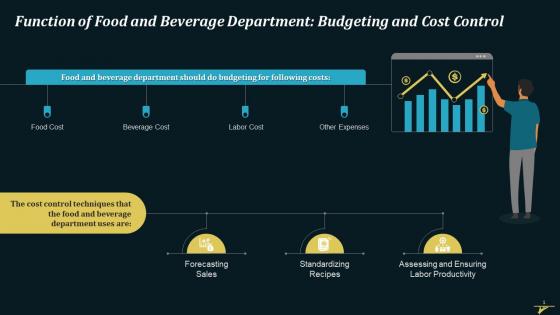
This slide explains about the FandB managers responsibility of budgeting and cost control. The costs associated with FandB department are food cost, beverage cost, and labour cost. The multiple cost control techniques deployed are forecasting sales, standardizing recipes, and assessing and ensuring labor productivity.
People who downloaded this PowerPoint presentation also viewed the following :
Budgeting And Cost Control By Food And Beverage Department Training Ppt with all 19 slides:
Use our Budgeting And Cost Control By Food And Beverage Department Training Ppt to effectively help you save your valuable time. They are readymade to fit into any presentation structure.













FAQs for Budgeting And Cost Control By Food And Beverage
Okay so first thing - track what you're actually spending for like a week because I guarantee you'll be shocked. Write down your income, then list fixed stuff (rent, insurance, whatever) and variable expenses like food and going out. Here's the thing though: save money FIRST, don't just save whatever's leftover at the end of the month. That never works. Emergency fund is crucial too. I like the 50/30/20 thing as a starting point - half for needs, 30% for fun stuff, 20% for savings. Honestly most people skip the tracking part but it's kind of everything.
So first thing - write down all your fixed stuff like rent and utilities because those aren't going anywhere. Groceries and gas come next since you actually need those to survive. Everything else? That's where it gets messy because we're all really good at lying to ourselves about what's "essential." I swear I used to think my daily coffee was basically a utility bill. Rank your wants by what you'd miss most. Maybe Netflix matters more than takeout, or maybe not - totally depends on you. The 50/30/20 thing is pretty solid though: half for needs, 30% for wants, 20% for savings. Just be honest about what you can actually swing after covering the basics.
Dude, budgeting apps have totally changed everything. Mint and YNAB sync straight to your bank accounts and sort your spending automatically - no more manual entry nightmare. Real-time alerts hit when you're about to blow your budget, which honestly saved me from so many impulse buys. The pattern tracking is wild too. Like, I had no clue I was dropping $80/month on random Target runs until the app called me out. Pick one and stick with it for a month - you'll probably hate what you find out about your spending habits, but in a good way.
Don't treat your budget like it's carved in stone - that's where most people mess up. Build in different scenarios from the start: best case, worst case, realistic case. Separate your fixed costs from the stuff you can actually control and cut quickly. Monthly reviews are way better than quarterly ones when things get crazy (learned this the hard way tbh). Keep more cash on hand than feels comfortable - trust me on this. The whole point is making it flexible enough to roll with whatever hits you instead of scrambling to rewrite everything every time something changes.
Start simple with budget variance - just compare what you planned to spend versus what actually happened. Monthly savings rate matters too, plus your debt-to-income ratio. Emergency fund is clutch, shoot for 3-6 months of expenses saved up. Here's the thing though - definitely track some "fun money" or you'll hate budgeting and quit. Been there! Net worth every quarter gives you the big picture view. Oh, and those sneaky irregular costs like car repairs or Christmas gifts. Honestly, pick maybe 2-3 things at first so you don't burn out, then add more once it feels automatic.
Okay so fixed expenses are like rent, insurance, loan payments - stuff that doesn't change month to month. Those are honestly the easy ones since you know exactly what's hitting your account. Variable expenses though? That's where things get messy. Groceries, going out, random Target runs (why is it always Target lol). Track those variable ones for maybe 2-3 months to see what you're actually spending. Then add like 10% extra as a buffer because life happens. Start with listing all your fixed stuff first - that way you'll see how much you've got left to work with for everything else.
Honestly, most people mess up by being way too strict with themselves - then they just quit when they can't stick to it. Track your spending for like a week first before making any budget. You'll probably be shocked where your money actually goes! Don't forget about random stuff like car repairs or Christmas gifts. Those subscription services are sneaky too - I swear they multiply when you're not looking. Pay yourself first by saving money before you spend it, and actually check in on your budget regularly. Life changes, so your budget should too.
Honestly, budgeting just makes you think about where your cash actually goes instead of hitting month-end like "wait, what happened to my paycheck?" You can finally put money toward stuff you actually want - yeah, ditching the daily Starbucks run might actually add up to something meaningful (sorry not sorry). The trick is paying yourself first before you blow it on random things. Pick one big goal and figure out what you need to stash away each month. It's way easier than people make it sound, and you'll stop feeling broke all the time.
Zero-based budgeting is perfect for small businesses - you question every expense instead of just adding to last year's numbers. Keeps things tight. Rolling forecasts work great too since you can pivot every quarter rather than being stuck with some outdated annual plan. Don't get sucked into expensive budgeting software though. I swear, half the small business owners I know obsess over finding the "right" tool when honestly? A basic spreadsheet works fine. Pick whatever you'll actually stick with - that's way more important than having some sophisticated system collecting digital dust. Just start with whichever approach feels manageable and build from there.
Oh man, I totally get this! First thing - figure out what actually triggers your spending. Stress? Boredom? Bad day at work? Once you know, make it harder to buy stuff impulsively. Delete your card info from apps, or make yourself wait 24 hours before buying anything over like $50. Honestly, the waiting thing saved me so much money. Also set aside some "fun money" each month so you're not being super strict with yourself. Keep a spending journal for just one week - I'm telling you, you'll be horrified at the random stuff you buy without thinking!
Okay so basically traditional budgeting is like "we spent 50k on office supplies last year, bump it to 52k." Zero-based makes you start from zero and actually justify why you need any money at all for supplies. Way more tedious, not gonna lie, but you'll find so much random waste it's crazy. I tried it once and discovered we were paying for software literally nobody used anymore. Don't go crazy though - pick one department first. Doing your whole budget zero-based right away will make you want to quit halfway through.
Track your income for a few months first - you'll see your highs and lows pretty quick. Budget around your lowest month, that's your baseline for rent, groceries, all the must-haves. Here's the hard part: when you make more, don't spend more. I'm terrible at this honestly, but try to stash that extra cash instead. Set up little savings buckets for random stuff like car fixes. Oh and holidays - those always sneak up on you. If you can live below your means during the good months, the crappy ones won't feel so scary.
YNAB is honestly my top pick if you want something that really works - the whole "every dollar has a job" thing actually makes sense once you get into it. Mint's probably your best bet starting out since it's free and does all the account linking automatically. Oh, and PocketGuard is dead simple if you just want basic spending tracking without all the bells and whistles. I still know people who swear by spreadsheets though, which feels very old school but hey, whatever works. The real trick is finding something you won't ditch after like two weeks of good intentions. Go with whatever doesn't make you want to immediately procrastinate.
Look, budgeting is basically your escape plan from debt hell. First thing - write down all your debts and minimum payments, then see what's actually left over each month. Yeah, it's gonna be depressing at first, but whatever. The magic happens when you find those random $20-50 you're wasting on stuff (seriously, track your spending for like a week). Take that money and attack your highest-interest debt while keeping up with minimums on everything else. I know it sounds slow, but even throwing an extra $50 at debt monthly adds up way faster than you'd think.
Honestly, budgeting is like therapy for your wallet. When you hit your monthly targets, there's this weird sense of accomplishment that kicks in. No more "oh shit, can I buy this?" moments because you already know what's available. I used to think tracking expenses was boring as hell, but it's actually kind of addictive once you get going. You'll sleep way better not wondering if you can make rent next month. My advice? Don't go crazy at first - maybe just track your coffee spending or whatever. Even that small step builds confidence and momentum.
-
Loved the fact that SlideTeam provides clean, high-definition, and professional PowerPoint products.
-
Great work on designing the presentation. I just loved it!