


Building Digital Strategy Roadmap For Digital Transformation Complete Deck





Try Before you Buy Download Free Sample Product
 Impress Your
 Audience
 100%
100% Editable
 Save Hours
 of Time


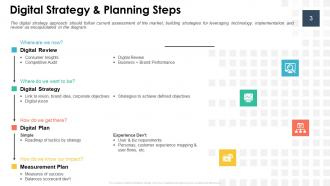
Digital strategy roadmap is a blueprint for aligning business goals with your digital strategy. It shows how the company plans to embrace digital technologies to grow business and create better customer experience in the long term. Creating a digital strategy roadmap is not simply listing out key digital initiatives and giving them a tentative timeline. It follows an extensive research process which starts with Digital Review. It starts with uncovering consumer insights and market insights. One then develops Digital Strategy keeping in mind the digital goals and key initiatives in the short and long term. The third step in this process is Digital Planning which involves setting realistic timeframe for implementing digital initiatives. The final steps involve setting KPIs for measuring the success of digital strategy. Taking the healthcare sector as a case study, our researchers have outlined the digital landscape of the industry and showed key digital strategies a healthcare provider wishes to implement for digital transformation.
People who downloaded this PowerPoint presentation also viewed the following :
Content of this Powerpoint Presentation
Slide 1: This slide introduces Building Digital Strategy Roadmap For Digital Transformation.
Slide 2: This slide displays Table of Contents of the presentation.
Slide 3: This slide depicts Digital Strategy & Planning Steps.
Slide 4: This slide showcases Digital Review.
Slide 5: This slide depicts Market Insights: Digital Healthcare.
Slide 6: This slide presents Consumer Insights.
Slide 7: This slide presents Challenges in Digital Transformation.
Slide 8: This slide shows Digital Transformation: Growth Drivers.
Slide 9: This slide shows Digital Strategy.
Slide 10: This slide depicts Our Digital Strategy Goals.
Slide 11: This slide showcases Key Digital Initiatives in Future. List out the digital initiatives that you wish to achieve in your organization or industry and its key functionalities.
Slide 12: This slide shows Key Digital Initiatives in Future.
Slide 13: This slide shows Telehealth Services.
Slide 14: This slide presents Mobile Health - mHealth. Showcase how the department proposes to develop mobile health apps to deliver healthcare services beyond the hospital.
Slide 15: This slide showcases Viewing health information.
Slide 16: This slide depicts Digital Plan.
Slide 17: This slide presents Digital Strategy Roadmap.
Slide 18: This slide depicts Customer Experience Mapping. Show how the new customer experience will look after the implementation of your digital strategy.
Slide 19: This slide describes Measurement.
Slide 20: This slide shows Measuring ROI of Digital Healthcare.
Slide 21: This slide presents Digital Vitality Dashboard. Use a scorecard or dashboard to measure the success of digital transformation.
Slide 22: This is Building Digital Strategy Roadmap for Digital Transformation Icons Slide
Slide 23: This slide is titled as Additional Slides for moving forward.
Slide 24: This is Agenda Slide slide. State your Agendas here.
Slide 25: This slide depicts Company Introduction.
Slide 26: This slide shows Our Mission Vision Values.
Slide 27: This is Our Goal slide. Mention your important Goals.
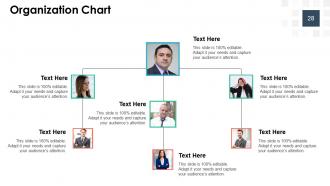
Slide 28: This slide displays Organization Chart.
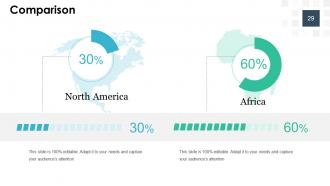
Slide 29: This slide showcases Comparison
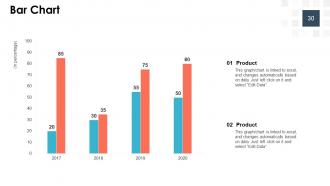
Slide 30: This slide displays Bar Chart with product Comparison.
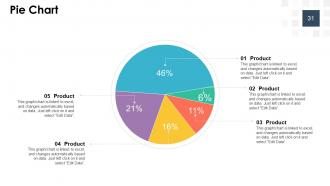
Slide 31: This slide displays Pie Chart with product Comparison.
Slide 32: This slide displays Marketing Dashboard.
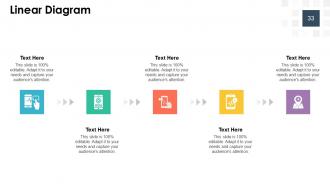
Slide 33: This slide displays Linear Diagram.
Slide 34: This is Circular slide with related imagery.
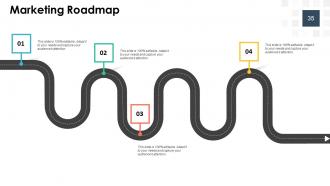
Slide 35: This slide depicts Marketing Roadmap.
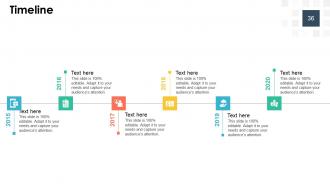
Slide 36: This slide displays Timeline process.
Slide 37: This is Thank You slide with Address, Contact number and Email address.
Building Digital Strategy Roadmap For Digital Transformation Complete Deck with all 37 slides:
Use our Building Digital Strategy Roadmap For Digital Transformation Complete Deck to effectively help you save your valuable time. They are readymade to fit into any presentation structure.
-
Building Digital Strategy Roadmap for Digital Transformation
-
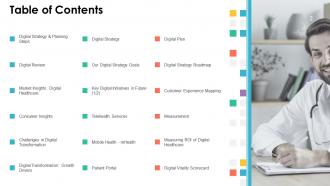
Table of Contents
-
Digital Strategy Planning Steps
-

Digital Review
-
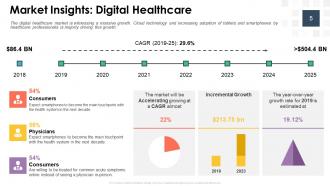
Market Insights Digital Healthcare
-
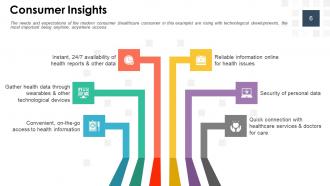
Consumer Insights
-
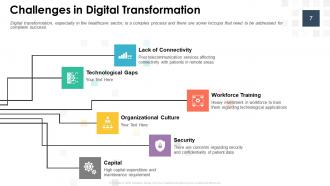
Challenges in Digital Transformation
-
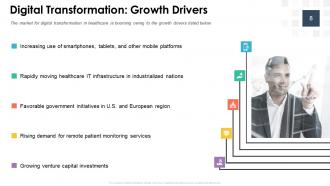
Digital Transformation Growth Drivers
-

Digital Strategy
-
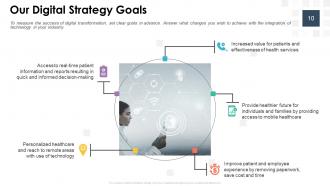
Our Digital Strategy Goals
-
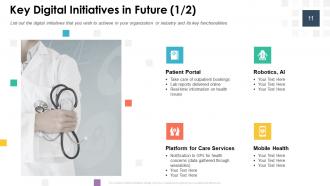
Key Digital Initiatives in Future 1 2
-
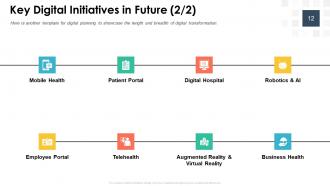
Key Digital Initiatives in Future 2 2
-
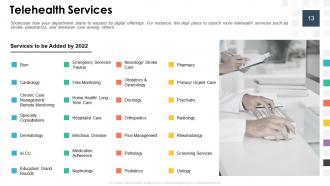
Telehealth Services
-
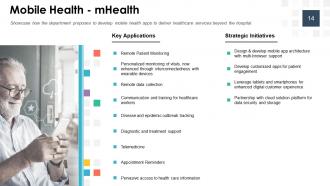
Mobile Health mHealth
-
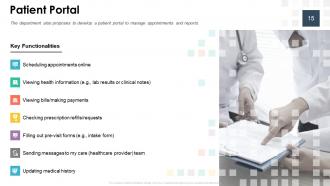
Patient Portal
-

Digital Plan
-
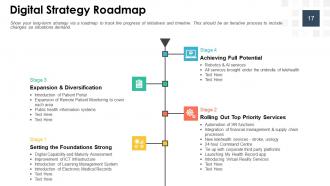
Digital Strategy Roadmap
-

Customer Experience Mapping
-

Measurement
-
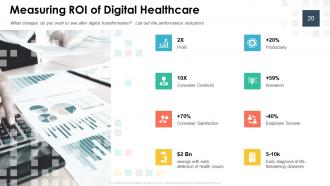
Measuring ROI of Digital Healthcare
-
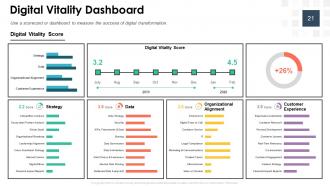
Digital Vitality Dashboard
-
Building Digital Strategy Roadmap for Digital Transformation Icons Slide
-

Additional Slides
-
Agenda Slide
-

Company Introduction
-

Our Mission Vision Values
-

Our Goal
-
Organization Chart
-
Comparison
-
Bar Chart
-
Pie Chart
-

Marketing Dashboard
-
Linear Diagram
-

Circular
-
Marketing Roadmap
-
Timeline
-

Thank You
FAQs for Building Digital Strategy Roadmap For Digital
Honestly, you've gotta get your people, processes, and tech all on the same page first. Clear leadership vision is huge - plus staying focused on what customers actually want. Data should drive your decisions, not gut feelings (learned that one the hard way). Modernize your tech stack, obviously. Train your team up. Be ready to scrap stuff that isn't working - sounds simple but man, it's brutal in practice. Here's the thing though: change management kills most of these projects. Pick ONE thing to digitize completely instead of spreading yourself thin everywhere. Way better results.
Honestly, you gotta track the obvious stuff first - cost savings, revenue bumps, how much faster people are getting things done. Customer acquisition costs too. But here's the thing that trips everyone up: the real wins often come from fuzzy metrics that take forever to show up. Like when your customers stop complaining as much or employees actually seem happy for once. Before you change anything, write down your current numbers. Then check in monthly or quarterly - whatever doesn't drive you insane. Don't overthink the perfect tracking system though. Just pick 3-5 metrics that actually matter for what you're trying to do and stick with them.
Honestly, if your leadership isn't fully committed, you're basically screwed. They control the money and set the tone for everyone else. I've watched so many companies where executives talk a big game about going digital but then still run meetings like cavemen. Without leaders actually championing this stuff and taking real risks on new tech, you'll just end up with a bunch of expensive pilot programs that go nowhere. They need to remove roadblocks and show everyone else how it's done. Transformation has to come from the top or it won't happen at all.
Dude, culture beats fancy tech every single time. Your team scared of messing up? Those digital projects are toast. I've watched brilliant initiatives crash because nobody wanted to risk looking stupid - it's honestly painful to see. You need people who'll try stuff and shrug off failures. Leadership support helps, but the real magic happens when your crew actually wants to learn new things. Before buying any shiny tools, figure out if your people are even ready for change. Otherwise you're just throwing money at a problem that won't budge.
Honestly, you can't go wrong starting with cloud infrastructure, data analytics, and automation tools. Cloud stuff gives you that scalability to actually grow without breaking everything. Analytics platforms help you figure out what your customers actually want instead of just throwing stuff at the wall. But automation is where it gets fun - your team stops doing boring repetitive work and can focus on the cool innovative projects. Oh, and definitely don't forget cybersecurity because one breach will torpedo everything you've built. I'd probably start there and see what else you need as you go.
Figure out what you're actually trying to accomplish first - like, write it down. Then work backwards from there to see what you really need. Don't get distracted by whatever flashy new tool everyone's talking about (been there, wasted money on that). Research stuff that fixes your actual problems and chat with businesses doing similar things. Make a shortlist of maybe 2-3 options and test them out. I know it's boring but measure how they perform against your original goals. Honestly, half the "game-changing" features most tools brag about are just fluff you'll never use anyway.
Oh man, you're gonna hit three big ones for sure: people hating change, old systems that don't play nice, and costs spiraling out of control. Your team will dig in their heels because why fix what isn't broken, right? I'd say start with small pilot tests to prove it works. Training is huge - don't cheap out there. Get the executives on board early because you'll need them when stuff inevitably goes sideways. Quick wins first to keep everyone motivated, then tackle the messy technical stuff once people actually trust the process.
Here's what's worked for me - focus on mobile apps and chatbots first since those handle most customer headaches instantly. Data analytics helps you figure out what people want before they complain, which is honestly a game changer. Map out where customers get frustrated and throw digital solutions at those spots. AI recommendations are solid but don't overdo the "you might like this" thing - gets weird fast. Oh, and definitely track satisfaction scores before/after you make changes. That's how you know if you're actually helping or just adding more tech for no reason.
Look, data analytics is basically your GPS for digital transformation. Without it, you're just guessing which projects actually work vs. which ones waste money. Track user behavior and adoption rates - they'll show you bottlenecks before everything goes sideways. I learned this the hard way at my last job, but anyway. The numbers don't lie about what's working and what isn't. Pick 3-4 metrics that match your business goals first. Then build dashboards to watch them closely during your transformation. Seriously, trying to transform digitally without good analytics is like driving with your eyes closed.
Look, don't wait until the end to slap security on—build it in from the start. Get your security people in those early planning meetings because trust me, they'll spot stuff you won't. I learned this the hard way at my last job. Treat security requirements like any other feature requirement and bake them into your roadmap. Do risk checks as you go, not just at launch. The trick is making security teams partners, not roadblocks. Set checkpoints at big milestones and get clear on who owns what between IT, security, and business. Security can't be an afterthought anymore.
Dude, training is seriously everything with digital stuff. I've watched companies blow massive budgets because nobody bothered getting their team on board first. You can drop millions on fancy software but if people hate using it? Good luck with that. What actually works is finding those early adopters who get excited about new tech - they become your internal salespeople. Proper training matters too, but honestly the biggest thing is showing people how it'll make their daily grind easier, not harder. Change is scary for most folks. Once they see the benefits though, everything just flows better.
Don't try to fix everything at once - that's a recipe for burnout. Pick one annoying manual task that's eating up hours and tackle that first. Cloud accounting software is usually a good starting point, or maybe automating social posts. Most of the "digital transformation" hype is total BS anyway, honestly. Focus on what's actually slowing your team down. Free trials are your best friend here - test stuff before you buy. Also, teaming up with other small businesses to split costs on bigger tools can be pretty smart. Start cheap, think impact.
Dude, you need dedicated innovation time - like Google's famous 20% thing. Some of my favorite breakthrough ideas actually came from those random side projects nobody planned for. Mix your tech people with business folks on teams, and here's the thing - don't punish failures. Celebrate what you learned instead. Set up quick prototyping so teams can test stuff without blowing the budget. Bring in outside voices through hackathons or partnerships too. The whole point is making innovation feel normal and safe, not like extra homework on top of everything else.
First thing - do an infrastructure audit to see what's actually salvageable vs what needs replacing. Honestly, most companies don't need to rip everything out and start over (which is what everyone panics about). Cloud migration and API integrations can bridge your old systems with new ones pretty seamlessly. I'd go hybrid for now - let the old stuff talk to new stuff while you phase things out gradually. Don't try tackling everything at once or you'll lose your mind. Pick your biggest headaches first and work from there. Way less dramatic than it sounds!
Dude, AI is literally taking over everything right now - start there for quick wins. Edge computing's getting big for faster processing, and everyone's obsessed with composable architectures. Low-code platforms are wild though - our marketing people are actually building apps now, which is kinda scary lol. Real-time personalization isn't optional anymore, it's just expected. Oh and sustainability tech is huge since ESG rules keep getting tighter. Honestly I'd just audit where you can drop some AI tools first, then worry about the rest later.
-
Appreciate the research and its presentable format.