

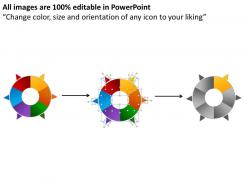
Business development chart 6




Try Before you Buy Download Free Sample Product
 Impress Your
 Audience
 100%
100% Editable
 Save Hours
 of Time


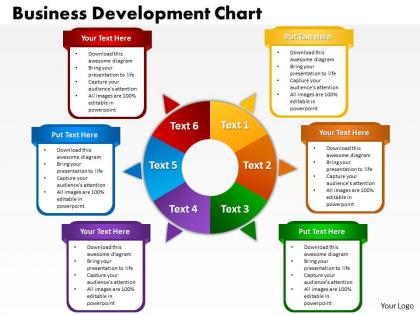
Seeking to take your business to heights? You surely need a Business development chart presentation to achieve your trade goals. This business chart PPT template solely focus on representing the growth chart for your commerce, while using the effective graphics and the icons. Slideteam professionals know, how important it is to organize a plan and follow it in order to be a leading brand name in the commerce world. We literally know that your company needs to pursue a strategic opportunity, showcase the growth prospects, frame the development strategies, form customer market relationships and do a lot for effective results. Knowing all that, this business development chart PPT slide template is designed in a way that you do not have to look for any second option to achieve your respective business goals. The effective use of business growth icons help to understand the trade growth strategy in an efficient manner and you crack the exam of developing in the trade world with a clear chit. Our Business Development Chart 6 are truly broad minded. They accept and cater for any viewpoint.
People who downloaded this PowerPoint presentation also viewed the following :
Business development chart 6 with all 10 slides:
Forge alliances with our Business Development Chart 6. Your attachments will endure.





FAQs for Business
Figure out who else works with your customers - before you, after you, or alongside what you do. Those companies make perfect partners. I spend way too much time on LinkedIn for this stuff, but it actually works great for research. Industry events help too. Don't go after competitors though - find businesses that complement yours instead. Check out who your competition partners with for ideas. Coffee chats work better than formal pitches when you're just exploring. The whole point is making sure both sides win something from the deal, not just you.
Having a solid proposal template is a game changer, honestly. Your clients won't get distracted by messy formatting and can actually focus on what you're proposing. I used to spend forever just figuring out layouts - such a waste of time. Templates save you from forgetting important stuff like budgets and timelines too. When your whole team uses the same one, everything looks way more professional. Oh, and definitely include sections for the problem, your solution, timeline, and pricing as your foundation. You can always add more later, but those are non-negotiable.
Think of market analysis as your GPS for business decisions. It shows you real opportunities and what customers actually struggle with. Plus you'll catch gaps competitors missed. Look, going in blind is just burning money on ideas that flop - learned that one the hard way! The research tells you which markets are worth entering and how to price things right. Start with customer buying habits and what competitors charge. Those two things alone will completely change your approach. Short version: it keeps you from building stuff nobody wants.
Ok so here's the thing - most people just collect business cards like Pokemon cards and wonder why nothing happens. You gotta actually build real relationships instead. Hit up industry events and join professional groups, but also check out LinkedIn groups where your people actually spend time. Where everyone screws up? The follow-up game. Stay in touch with folks you meet, share stuff that'll help them out, and look for ways to be useful first. I swear this part makes all the difference. Block out time weekly just for keeping those connections warm - that's when the referrals start rolling in.
Honestly, you gotta focus on three big things right now. AI is everywhere - companies are using it to qualify leads and personalize outreach automatically. Data analytics help you spot the best opportunities way faster than before. Remote work changed everything too, and I mean everything. Some of my strongest BD relationships are with people I've literally never met face-to-face, which would've been weird five years ago. Digital networking is so much more efficient now. Your team needs to get comfortable with these tools, and you'll need the right tech stack. Otherwise you're gonna fall behind pretty quick.
Track both sides - leading stuff like pipeline growth and meeting volume shows what's coming, while lagging metrics (closed deals, revenue) tell you what already happened. Honestly, time-to-close is my favorite because it reveals so much about how broken your process might be. Don't go crazy with data though. Pick maybe 4-5 metrics that actually move the needle for your specific goals. I'd set up something simple you can check weekly - being consistent with a basic dashboard beats having some fancy setup you never look at.
Customer feedback is basically your GPS for figuring out where to grow next. It shows you what's actually working vs what you think is working - and honestly, those are often two completely different things. You'll spot opportunities you never saw coming and avoid wasting time on stuff nobody wants. Plus it reveals gaps in what you're offering that could be your next big win. Just start collecting it however you can - surveys, quick calls with clients, even random conversations. I've seen businesses stumble onto game-changing ideas just from one offhand comment a customer made.
Dude, your pitch deck design actually matters more than you think. Investors look at like 50+ decks every week, so if yours looks like garbage, they'll just move on to the next one. I've literally watched great companies get ignored because their slides were a mess or impossible to follow. Clean design helps them understand your story and remember the important stuff when they're talking about deals later. You don't need to go crazy fancy, but learn some basic design rules or just hire someone. Trust me - it's way cheaper than missing out on funding because your deck looked unprofessional.
Start building real relationships from day one, not just when you need something. Check in regularly - share industry news, make introductions, send stuff that actually helps them. Most people screw this up and only call when they're pitching. Actually listen to what's going on with their business. Map out who else matters in their company early on (don't put all your eggs in one basket with just your main contact). Oh, and follow through on everything you say you'll do. Even the tiny stuff matters more than you think.
Oh man, cultural stuff will make or break your international business deals. Communication styles are totally different everywhere - what flies in New York could be a disaster in Tokyo. I bombed hard in São Paulo once because I didn't get their relationship-first approach. You've gotta study up on hierarchy, gift customs, all that jazz before jumping in. Decision-making takes forever in some places compared to others. Connect with local partners who actually know the culture instead of guessing. Trust me, a cultural consultant is worth every penny upfront.
Focus on three main things: CRM like Salesforce or HubSpot for your pipeline, outreach tools like SalesLoft for scaling up contacts, and research platforms like ZoomInfo for finding prospects. LinkedIn Sales Navigator is a must-have too - everyone's on there. The whole landscape shifts constantly which is honestly exhausting to keep up with. Also grab Slack for team stuff and whatever video tool you prefer. Oh, and start simple! Don't go crazy trying to implement everything right away. Build up your stack as the team grows instead of overwhelming yourself from day one.
Okay so here's what works - tell stories about real clients, not just boring feature lists. Find someone who had the exact same headache your prospect has right now. Walk them through the messy details of how that client was struggling, then show how things actually changed after using your stuff. Honestly, people's eyes glaze over during data presentations, but mention "Jennifer at StartupX was losing sleep over this exact problem" and suddenly they're listening. Make it feel like you're just chatting. Always end with actual numbers - ROI, time saved, whatever. Then tie it back with "Does this sound like what you're going through?"
Oh man, biggest mistake is definitely trying to tackle everything at once - focus on like 2-3 things max. Also seen so many teams just chase whatever's trendy instead of sticking with what actually works. You need real metrics too, not just "feels like it's going well" type stuff. But honestly? The worst thing is when your sales and marketing people aren't even talking to each other about goals. I've watched that train wreck happen more times than I can count. Get everyone aligned first, pick your battles, then actually measure results before you go crazy expanding.
Here's what I've seen work really well - get your BD and marketing teams talking weekly about messaging and lead quality. Marketing generates the leads, but BD needs to know what actually got people interested so they can keep that conversation going. Otherwise you're just tossing prospects around hoping something sticks. The whole customer journey flows way better when both teams are on the same page. Sales cycles get shorter, conversions improve, and you're not burning money on leads that fizzle out. Honestly, most companies miss this obvious connection and wonder why their numbers suck.
Focus on pipeline stuff first - conversion rates, how fast deals close, average deal size. That's what actually shows if you're making money. Also track acquisition cost vs lifetime value because it's super easy to blow your budget on crappy leads (learned that one the hard way). Meeting-to-opportunity ratios matter too, plus partner referrals if you have them. Pick maybe 5-6 metrics that directly connect to revenue. Check them weekly and you'll start seeing what's really working vs what just keeps you busy. Don't go overboard with tracking everything though.
-
Great designs, really helpful.
-
Professional and unique presentations.