

Business plan for startup funding powerpoint presentation slides





Try Before you Buy Download Free Sample Product
 Impress Your
 Audience
 100%
100% Editable
 Save Hours
 of Time


A business plan is a written document that describes in detail how a business, usually a new one, is going to achieve its goals. Keep the plan short and concise for easy readability. The enclosed simple business plan template is broken into sections to simplify the presentation. Use this Business plan PowerPoint template to carry out the smooth functioning of your start up. Organize the structural framework of your start up with the help of this business plan PPT layout. Make your business proposal impressive with this PowerPoint presentation. A precise plan can help you attract investors and financers for the funding of your start up. Highlight the interesting aspects of your business with the help of this business PPT design. Get this business PowerPoint presentation to state how the business intends to achieve its goals. Easily describe the operational activity and costs related to your start up with the help of this start up PowerPoint slides. Give a high-level overview of your business to your audience. This is the only time when the saying 'no pain no gain' doesn't holds true. Visually convincing Business Plan For Startup Funding Powerpoint Presentation Slides that everyone would love.
People who downloaded this PowerPoint presentation also viewed the following :
Content of this Powerpoint Presentation
Slide 1: This slide introduces Business Plan For Startup Funding. You can state your company name and begin.
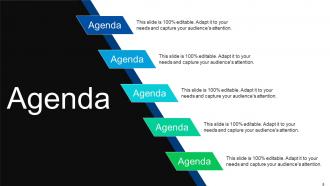
Slide 2: This slide showcases Agenda. You can add your agenda as per your company.
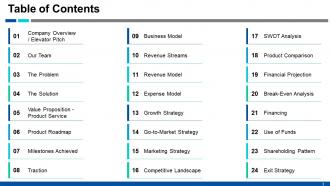
Slide 3: This is Table of Contents slide. Use it to state contents of your company in a tabular form such as- Company Overview / Elevator Pitch, Business Model, SWOT Analysis, Our Team, Revenue Streams, Product Comparison, The Problem, Revenue Model, Financial Projection, The Solution, Expense Model, Break-Even Analysis, Value Proposition - Product Service, Growth Strategy, Financing etc.
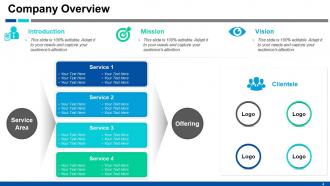
Slide 4: This is Company Overview slide. State imtroduction, mission, vision etc. here.
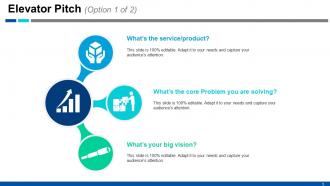
Slide 5: This is an Elevator Pitch (Option 1 of 2) slide to state- What’s the service/product? What’s the core Problem you are solving? What’s your big vision?.
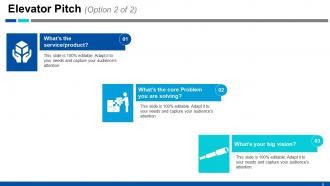
Slide 6: This slide also shows the Elevator Pitch (Option 2 of 2) with icon imagery.
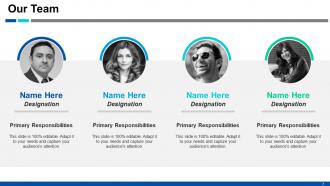
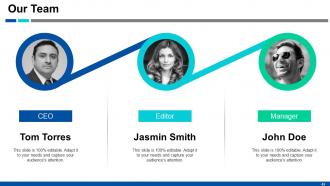
Slide 7: This is Our Team slide with name and designation to fill.
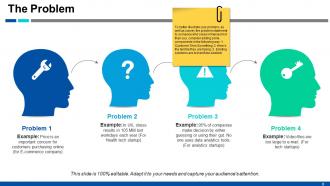
Slide 8: This is The Problem slide with creative icon imagery. Use it to state your several problems.
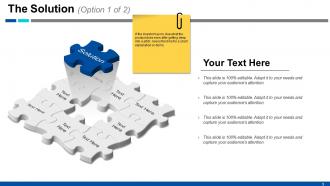
Slide 9: This slide states The Solution (Option 1 of 2) with puzzle imagery and text boxes. Put relevant information here.
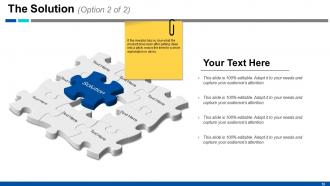
Slide 10: This slide also shows The Solution (Option 2 of 2). State it here.
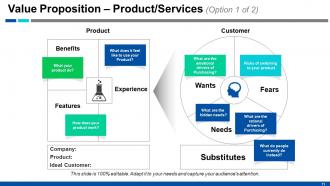
Slide 11: This is Value Proposition – Product/Services (Option 1 of 2) slide. Use it to state your various products abd services. You can also alter the contents as per need.
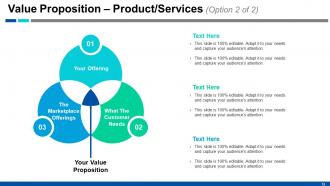
Slide 12: This slide also states Value Proposition – Product/Services (Option 2 of 2) in a venn diagram form. It shows- Your Offering, What The Customer Needs, The Marketplace Offerings.
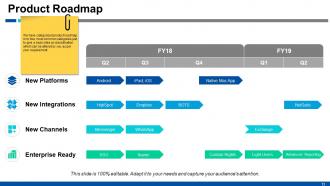
Slide 13: This slide showcases Product Roadmap with the following categories- New Platforms, New Channels, New Integrations, Enterprise Ready We have categorized product roadmap in to four most common categories just to give a basic idea on classification which can be altered by you as per your requirement.
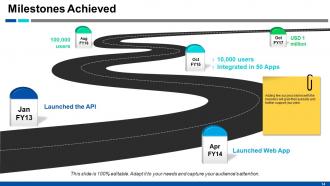
Slide 14: This is Milestones Achieved slide in a roadmap form. Use it to present your milestones. Adding few success stories with the investors will grab their eyeballs and further support your pitch.
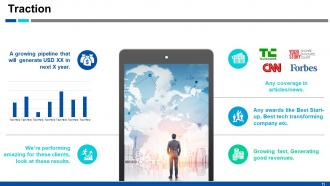
Slide 15: This is a product Traction slide to state.
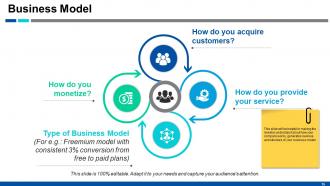
Slide 16: This slide displays Business Model in a circular flow diagram. Use it to state- How do you provide your service?, How do you acquire customers?, Type of Business Model, How do you monetize?.
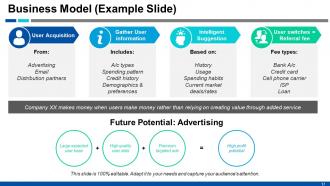
Slide 17: This is also a Business Model slide. State it with an example here.
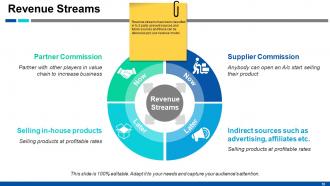
Slide 18: This slide states Revenue Streams in a circular diagram. These have been classified into 2 parts- present sources and future sources and these can be altered as per your revenue model.
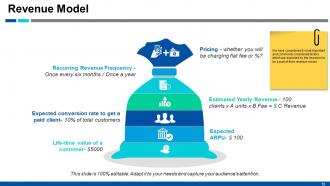
Slide 19: This slide showcases Revenue Model with creative imagery. We have considered 6 most important and commonly considered factors which are expected by the investors to be a part of their revenue model. These are- Life-time value of a customer, Pricing, Recurring Revenue Frequency, Estimated Yearly Revenue, Expected conversion rate to get a paid client, Expected ARPU.
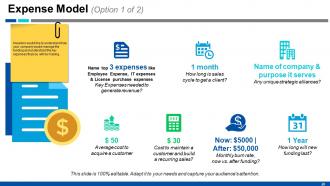
Slide 20: This is an Expense Model (Option 1 of 2) slide to state.
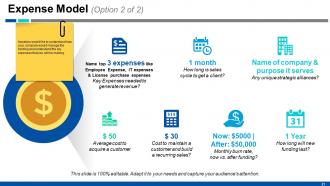
Slide 21: This slide also displays the Expense Model.
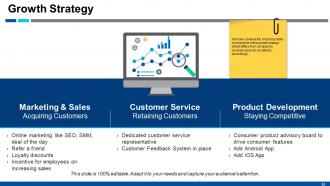
Slide 22: This slide showcases company Growth Strategy. Its most important components are- Marketing & Sales Acquiring Customers, Customer Service Retaining Customers, Product Development Staying Competitive. We have covered the most important components of the growth strategy which differs from company to company and can be altered accordingly.
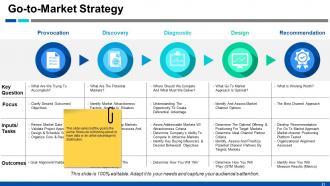
Slide 23: This slide showcases Go-to-Market Strategy with the following steps- Provocation, Discovery, Diagnostic, Design, Recommendation. Present relevant data in a tabular form here.
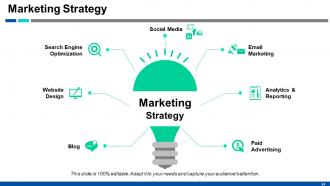
Slide 24: This slide states Marketing Strategy with bulb imagery. Its important components are- Email Marketing, Analytics & Reporting, Paid Advertising, Search Engine Optimization, Website Design, Blog, Social Media.
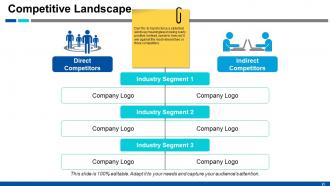
Slide 25: This slide shows Competitive Landscape with Indirect Competitors, Direct Competitors. State them here with the compnylogo.
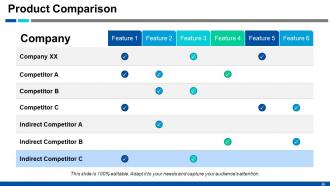
Slide 26: This is a Product Comparison slide. Present Company and its Features here.
Slide 27: This slide showcases SWOT Analysis.
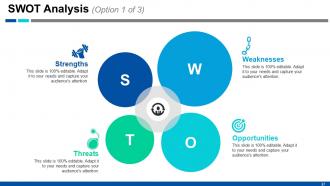
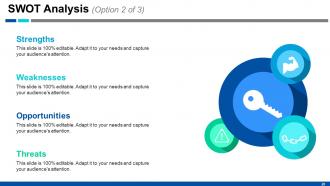
Slide 28: This slide also showcases SWOT Analysis (Option 2 of 3) with icon imagery.
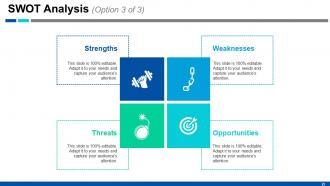
Slide 29: This slide also showcases SWOT Analysis (Option 3 of 3). Use as per your business requirement.
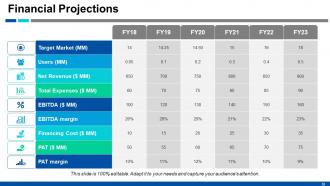
Slide 30: This is a Financial Projections slide in a tabular form. Present relevant financial data in a tabular form here.
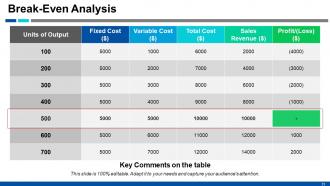
Slide 31: This slide showcases Break-Even Analysis in a tabular form.
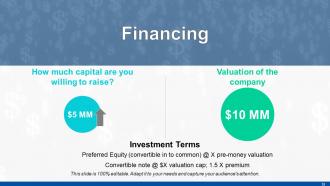
Slide 32: This is Financing slide to state the following two aspects- How much capital are you willing to raise? Valuation of the company.
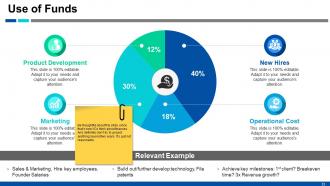
Slide 33: This slide states the Use of Funds with relevant example in a pie chart/ graph form. These include- New Hires, Operational Cost, Product Development, Marketing.
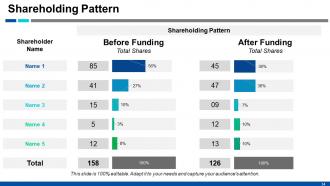
Slide 34: This is Shareholding Pattern in percentages etc. Present it with- Shareholder Name, Total Shares Before Funding, Total Shares After Funding.
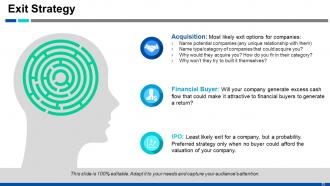
Slide 35: This slide showcases Exit Strategy with creative imagery. Use it to present- Acquisition, Financial Buyer, IPO.
Slide 36: This slide states Client Testimonials with name, designation etc.
Slide 37: This slide showcases Contact Details. State them here with name, designation etc.
Slide 38: This slide is titled Coffee Break to halt. You can change the slide content as desired.
Slide 39: This is Icons Slide For Investor Pitch Deck. Use as per need.
Slide 40: This slide is titled Additional Slides to move forward. You can change the slide content as per need.
Slide 41: This slide showcases Our Vision. State your company vision, goals etc. here.
Slide 42: This slide showcases Our Team with name and designation to fill.
Slide 43: This is an About Us slide. State team/ company specifications here.
Slide 44: This is Our Goal slide. State your goals here.
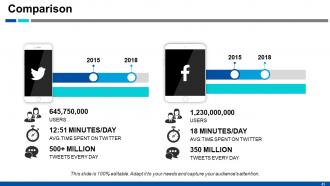
Slide 45: This is a Comparison slide to state comparison between two products/ entities etc.
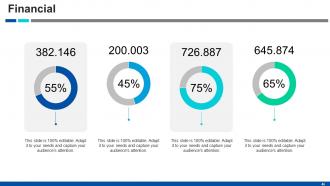
Slide 46: This is a Financial score slide. State financial aspects, information etc. here.
Slide 47: This is a Quotes slide to convey company/ organization message, beliefs etc. You may change the slide content as per need.
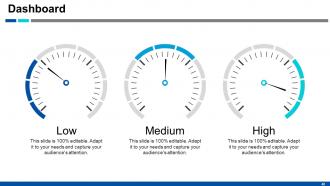
Slide 48: This is a Dashboard slide to state Low, Medium and High aspects, kpis, metrics etc.
Slide 49: This is a Timeline slide to present important dates, journey, evolution, milestones etc.
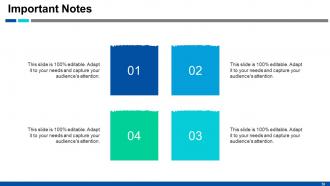
Slide 50: This slide showcases Important Notes to be displayed. Show events, important piece of information, events etc. here.
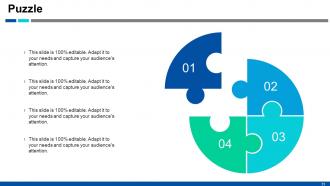
Slide 51: This is a Puzzle image slide to show information, specifications etc.
Slide 52: This is a Circular image slide. State information, specifications etc. here.
Slide 53: This is a Venn Diagram image slide to show information, specifications etc.
Slide 54: This is a Mind map image slide to show information, segregation, specifications etc.
Slide 55: This is a Matrix slide to show information, comparison specifications etc.
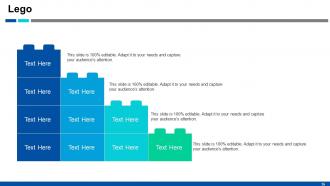
Slide 56: This is a LEGO image slide with text boxes to show information.
Slide 57: This is a Bulb with Idea slide to state a new idea or highlight specifications/information etc.
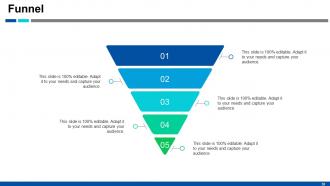
Slide 58: This is a Funnel slide. Showcase the funnel aspect of your team, company, product etc.
Slide 59: This slide is titled Our Charts to move forward. You may alter/ change the slide content as desired.
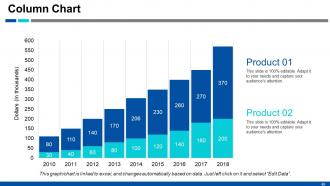
Slide 60: This slide presents a Column Chart for showcasing product/company growth, comparison etc.
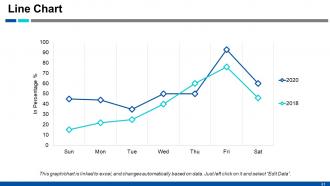
Slide 61: This slide presents Line Chart to show product/ entity growth, comparison etc.
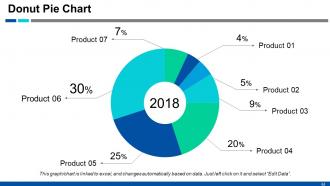
Slide 62: This is a Donut Pie Chart to present product/ entity comparison, specifications etc.
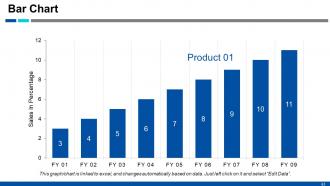
Slide 63: This is a Bar Chart slide to present product/ entity comparison, specifications etc.
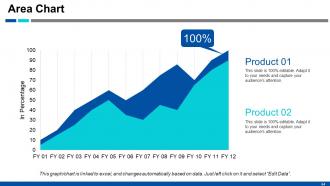
Slide 64: This is an Area Chart slide to present product/ entity comparison, specifications etc.
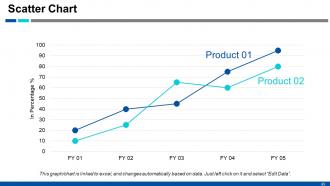
Slide 65: This is a Scatter Chart slide to present product/ entity comparison, specifications etc.
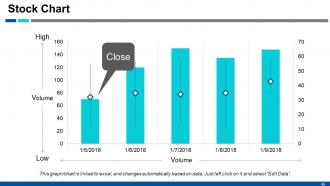
Slide 66: This is a Stock Chart slide to present product/ entity comparison, specifications etc.
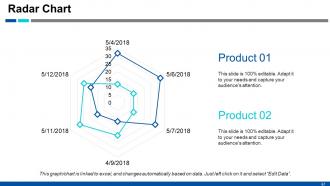
Slide 67: This is a Radar Chart slide to present product/ entity comparison, specifications etc.
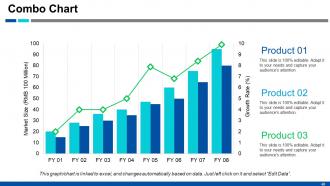
Slide 68: This is a Combo Chart slide to present product/ entity comparison, specifications etc.
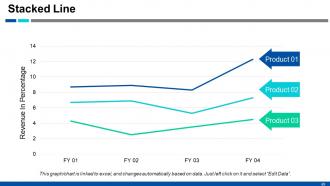
Slide 69: This slide presents Stacked Line graph to show product/ entity growth, comparison etc.
Slide 70: This is a Thank You image slide with Address, Email and Contact number.
Business plan for startup funding powerpoint presentation slides with all 70 slides:
Have it all going for you with our Business Plan For Startup Funding Powerpoint Presentation Slides. They will definitely bring good fortune.






FAQs for Business plan for startup funding
Look, you really just need six main parts: executive summary, market analysis, competition stuff, what you're actually selling, how you'll market it, and the money side. Don't write a freaking novel though - I've seen people do that and it's painful. Investors bail if your summary sucks, so nail that first. Your financial numbers need to be realistic too, not some crazy optimistic fantasy. Show you actually get who your customers are. Oh, and start simple! Like one page max, then build from there. Way easier than trying to write War and Peace right off the bat.
Look, market analysis basically shows investors you're not just winging it. You need solid data on market size, what competitors charge, who your customers actually are - that kind of stuff. Think of it like showing your work in math, but with real money on the line. Honestly, I've seen too many people skip this step and wonder why nobody takes them seriously. Your research proves you get the space you're jumping into and aren't being totally unrealistic about demand. Just make sure you're pulling from legit sources with recent data. Old info will backfire on you big time.
Look, financial projections are basically how investors test if you actually know your shit. They want to see you understand the numbers and have a realistic path to making money. Most of the time they care more about your thinking behind the projections than the exact figures anyway. You need to show market understanding, revenue potential, and when you'll hit major milestones. Keep them conservative but optimistic - and definitely have backup data ready because investors will grill you on every detail. It's honestly one of those things that separates serious founders from dreamers.
Put your competitive edge right up front - don't make investors hunt for it. What problem do you solve that others can't? Maybe it's your tech, maybe it's how you deliver differently. Be specific with numbers like "cuts acquisition costs 40%" instead of vague claims. I'd actually create a whole "Competitive Advantage" section that spells out exactly why someone picks you over the other guys. Honestly, most business plans bury this stuff way too deep. Make it obvious from page one what makes you special, because if you can't explain it clearly, how will investors get it?
Get your team together for a brainstorming session - you'll miss stuff if you do this solo. Write down what you're good at (strengths), what sucks (weaknesses), market opportunities, and threats like competition. I always dump everything on a whiteboard first, then sort it out later - way less overwhelming that way. Don't just go with your gut though. Back it up with real customer feedback, competitor intel, and your actual numbers. Honestly, the hardest part is being real about your weak spots instead of making excuses. But that's where the good stuff happens.
Honestly, your executive summary is make-or-break territory. Most investors? They're skimming through dozens of these things and you've got like 2 minutes to grab them. It's basically a movie trailer for your business - gotta hit the problem, your solution, market size, and money stuff all in one tight package. I always tell people to write this part dead last because you need to nail the whole story first. If this section sucks, doesn't matter how brilliant the rest is. Nobody's reading 40 pages if you can't hook them upfront. Keep it snappy and cut the fluff.
Honestly, most people screw up by being way too optimistic with their numbers - like, unrealistically so. Do your market research properly or you're basically guessing. Length matters too: don't write a freaking novel, but also don't half-ass it with two pages. Oh, and actually explain how you'll make money! Sounds obvious but I've seen so many plans that just... don't. Skip the boring mission statement fluff - nobody cares. Focus on what makes you different instead. Pro tip: start with a one-page summary first. Forces you to get your thoughts straight before diving into the weeds.
Honestly, you gotta tailor everything to what they actually want to hear. Investors? Hit them with the money stuff first - revenue projections, ROI, market size. They're basically asking "how do I get rich off this?" Partners are totally different though. They want the nuts and bolts - who does what, how we split profits, the actual day-to-day grind. I made this mistake once and used the exact same pitch for both... awkward. Same core idea, but swap out whole sections. Beef up financial models for investors. For partners, get into the weeds about workflows and how decisions get made. Trust me on this one.
Track the basics first - revenue growth, profit margins, cash flow. Then add customer acquisition costs and retention rates. Honestly, don't go crazy with metrics right away because you'll just get overwhelmed by all the numbers. Maybe 5-7 that actually matter to your specific goals? Review monthly and see what's telling you a story about growth. Industry-specific stuff matters too, but start simple. The whole point is figuring out if you're heading the right direction so you can pivot when needed.
Honestly, visual stuff makes such a huge difference in business plans. Charts and graphs turn boring financial data into something people can actually understand - way better than just throwing numbers at them. Templates are clutch because they keep you organized and hit all the points investors want to see. People zone out so easily now, so anything visual helps hold their attention. I'd stick with simple charts for your money stuff and maybe throw in some product mockups if you have them. Don't get too crazy with the design though - clean and straightforward wins every time.
Oh totally, your business plan isn't some sacred document you write once and frame on the wall. I mean, your first financial projections will probably be hilariously wrong anyway. As you get actual sales data and figure out who's really buying your stuff, you'll need to adjust everything. Market assumptions change, strategies that seemed brilliant turn out to suck, new opportunities pop up. I'd say check it every few months and update whatever's most relevant to where you're at. Some quarters that might be financials, other times it's your target audience or product lineup.
So basically, your appendix is where you dump all the backup stuff - financial projections, market research, team resumes, product specs. Keeps your main plan clean without losing the detail. Investors can flip back if they want to see your numbers or whatever. Makes you look super prepared too, which honestly never hurts. You can reference appendix stuff throughout without killing your flow. Just don't make it a total mess - label things properly or it's pointless. I learned this the hard way on my first plan. Way better than cramming everything into the main sections.
Honestly, doing competitive analysis is like getting insider info on your market. You'll spot gaps where competitors are falling short - that's your opening. Look at what they're doing right too, then figure out how you're different. It helps you nail down exactly why someone should pick you over the big players. I mean, investors want to see you actually know your space, not just winging it. The whole point is using what you learn to show off your unique value. Pretty much gives you a roadmap for standing out from the crowd.
Look, risk management is just showing investors you're not completely delusional about what could tank your business. Think market changes, new competitors, supply chain disasters - you know, fun stuff like that. Don't just make a scary list though. Map out how you'd actually handle each problem. Honestly, this part separates the dreamers from people who might actually survive year two. Start with maybe 5-7 real threats and write down your game plan for each one. Shows you can roll with the punches instead of just hoping everything goes perfectly.
Don't just dump all your storytelling in one section - weave it throughout the whole plan. Open with a problem story that shows real people struggling with whatever you're solving. Investors love a good origin story too, so throw that in briefly. Use customer examples as proof points, but make them actual stories. Like instead of saying "30% efficiency boost," tell them about Sarah who used to work late every night but now gets home for dinner because of your product. Show the before/after transformation - that's what really sells it. Oh, and honestly? The more specific you get with these stories, the better.
No Reviews