


Sample ppt on business plan powerpoint presentation slides
Increase the amount of interaction with our Sample Ppt On Business Plan Powerpoint Presentation Slides. Create conditions for frequent gatherings.
Increase the amount of interaction with our Sample Ppt On Business Plan Powerpoint Presentation Slides. Create conditions ..




























-

- Google Slides is a new FREE Presentation software from Google.
- All our content is 100% compatible with Google Slides.
- Just download our designs, and upload them to Google Slides and they will work automatically.
- Amaze your audience with SlideTeam and Google Slides.
-

Want Changes to This PPT Slide? Check out our Presentation Design Services
-

- WideScreen Aspect ratio is becoming a very popular format. When you download this product, the downloaded ZIP will contain this product in both standard and widescreen format.
-

- Some older products that we have may only be in standard format, but they can easily be converted to widescreen.
- To do this, please open the SlideTeam product in Powerpoint, and go to
- Design ( On the top bar) -> Page Setup -> and select "On-screen Show (16:9)” in the drop down for "Slides Sized for".
- The slide or theme will change to widescreen, and all graphics will adjust automatically. You can similarly convert our content to any other desired screen aspect ratio.
Compatible With Google Slides

Get This In WideScreen
You must be logged in to download this presentation.


Do you want to remove this product from your favourites?
PowerPoint presentation slides
Presenting this set of slides with name - Sample Ppt On Business Plan Powerpoint Presentation Slides. This is a one stage process. The stages in this process are Sample Ppt On Business Plan, Sample Ppt On Business Strategy, Sample Ppt On Business Approach.

People who downloaded this PowerPoint presentation also viewed the following :
Content of this Powerpoint Presentation
Slide 1: This slide introduces Sample PPT on Business Plan. State Your company name and get started.
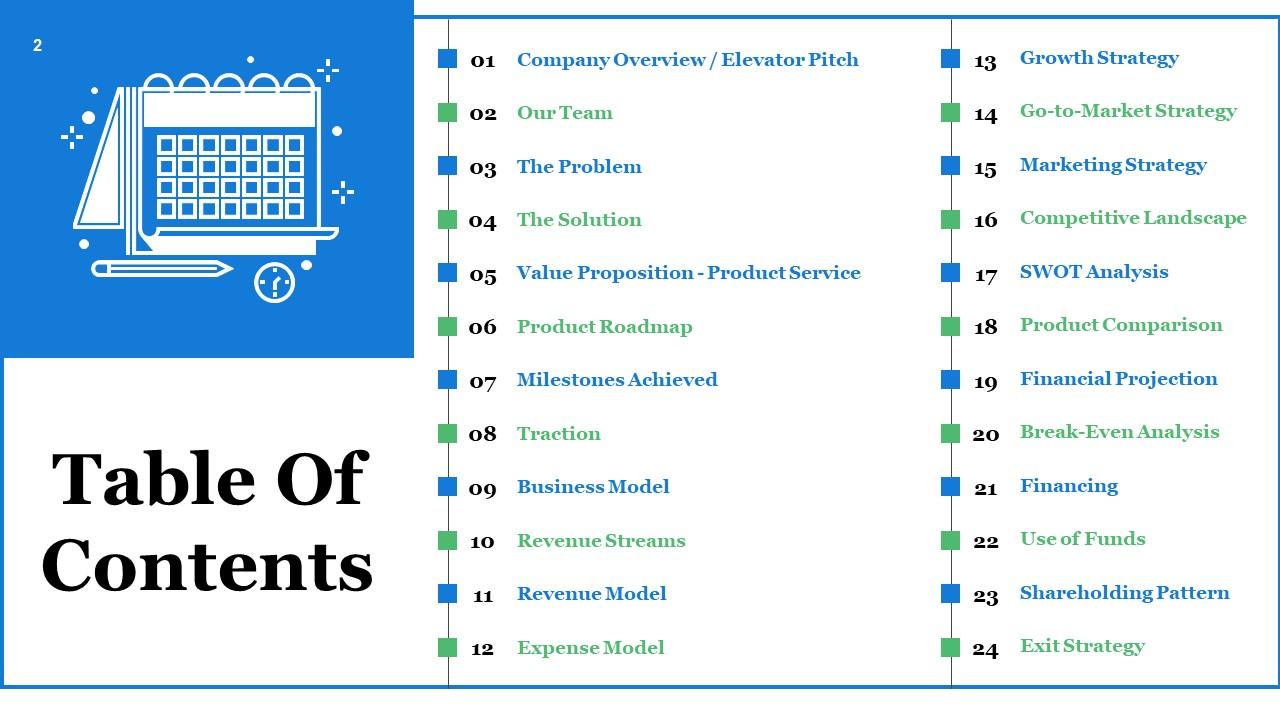
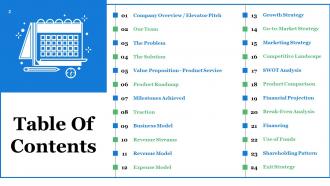
Slide 2: This slide presensts with Table Of Contents Company Overview / Elevator Pitch, Our Team, The Problem, The Solution, Value Proposition - Product Service, Product Roadmap, Milestones Achieved, Traction, Business Model, Revenue Streams, Revenue Model, Expense Model, Growth Strategy, Go-to-Market Strategy, Marketing Strategy, Competitive Landscape, SWOT Analysis, Product Comparison, Financial Projection, Break-Even Analysis, Financing, Use of Funds, Shareholding Pattern, Exit Strategy.
Slide 3: This slide presents Company Overview with these points to consider- Introduction, Mission, Vision, Offering, Clientele, Service Area.
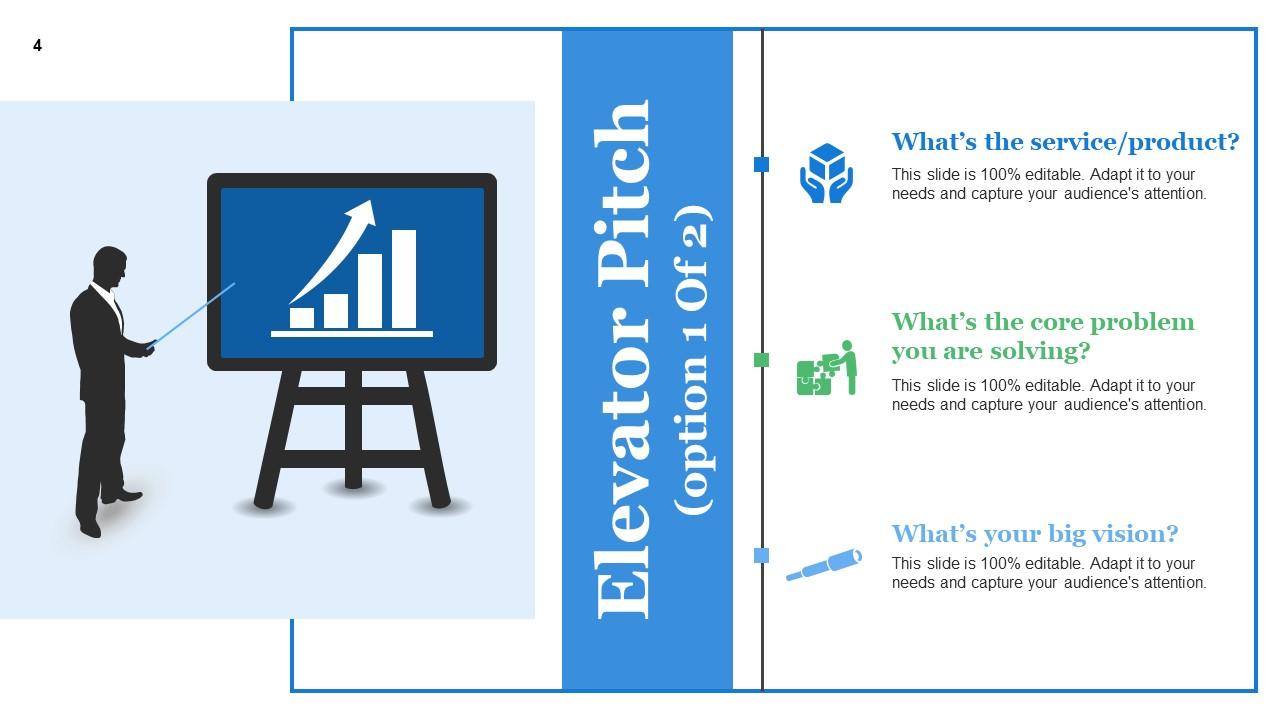
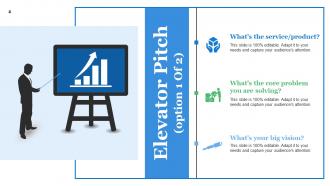
Slide 4: This slide shows Elevator Pitch with three of the parameter What’s the service/product, What’s the core problem you are solving, What’s your big vision.
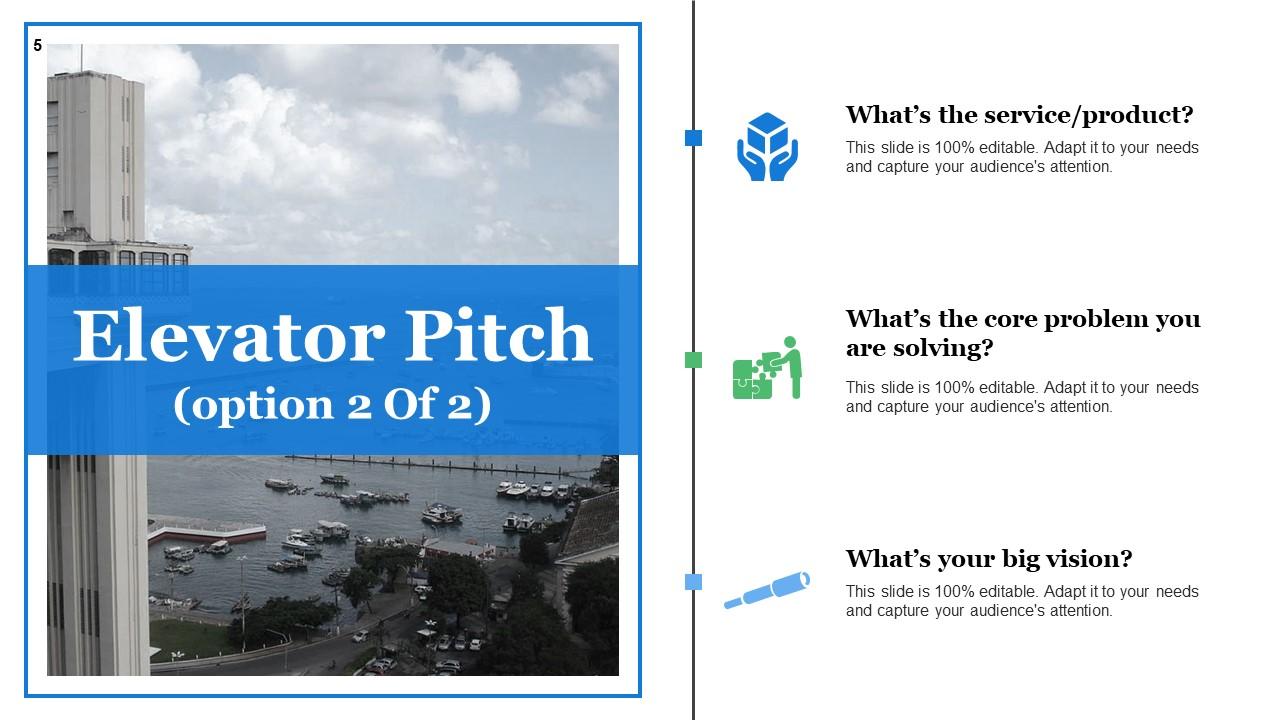
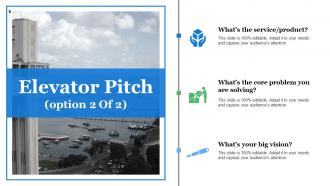
Slide 5: This slide presents Elevator Pitch with these three of the factors- What’s the service/product, What’s the core problem you are solving, What’s your big vision.
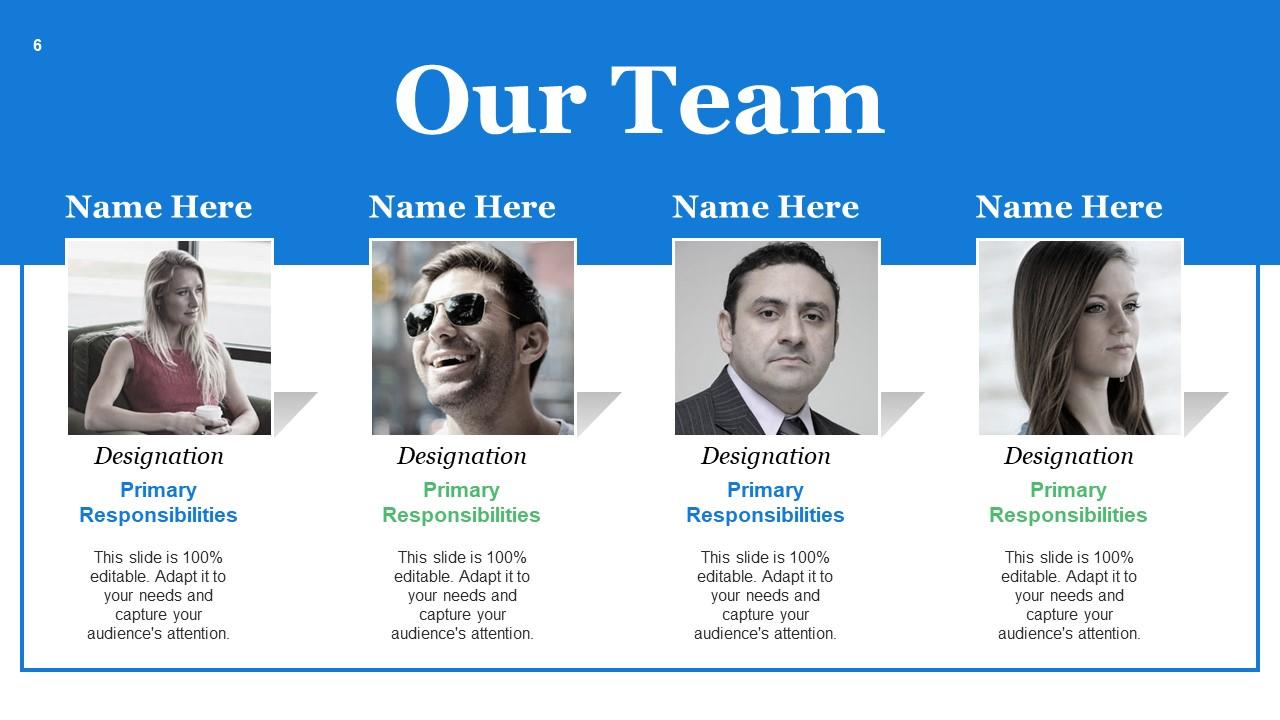
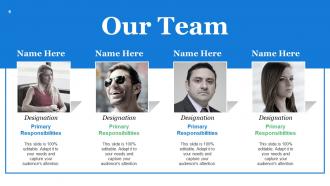
Slide 6: This slide presents Our Team with these three factors- Name Here, Designation, Primary Responsibilities.
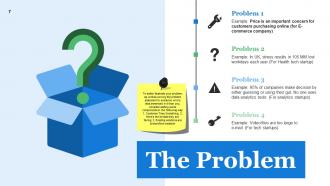
Slide 7: This slide showcases The Problem. You can add the problem statement and use it as per your requirement.
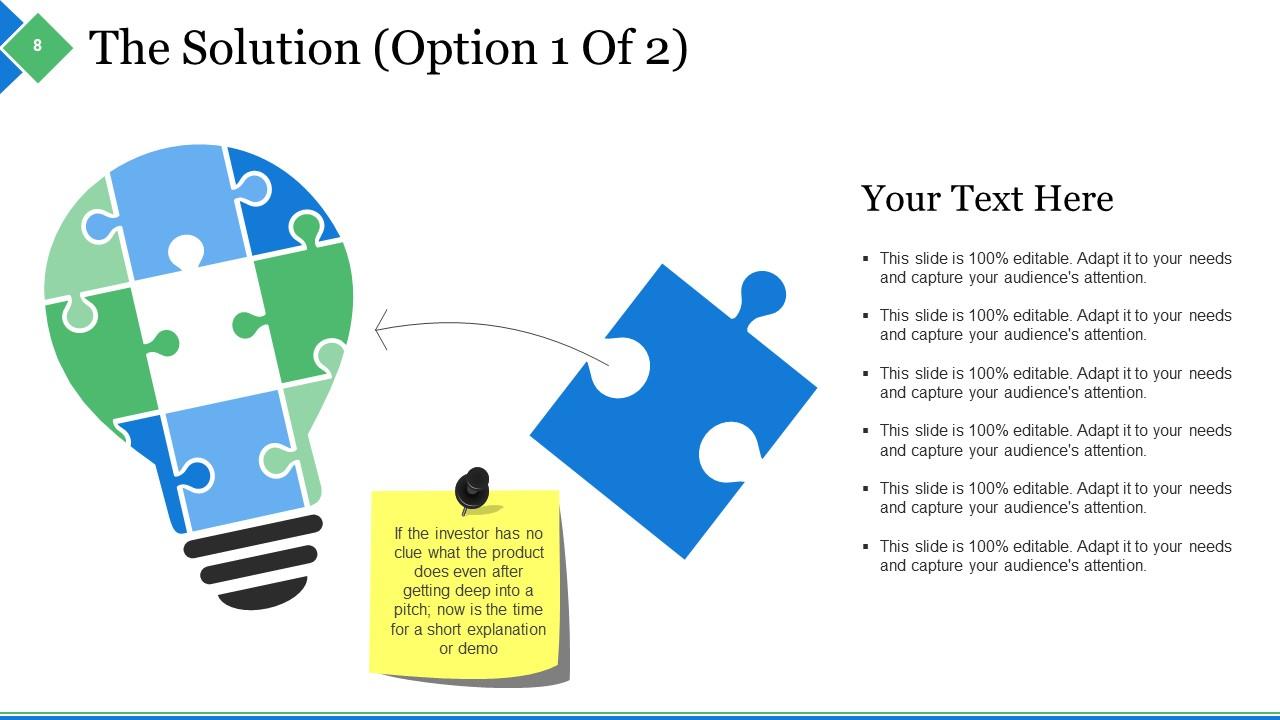
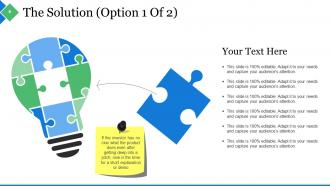
Slide 8: This slide presents The Solution (Option 1 Of 2). If the investor has no clue what the product does even after getting deep into a pitch; now is the time for a short explanation or demo
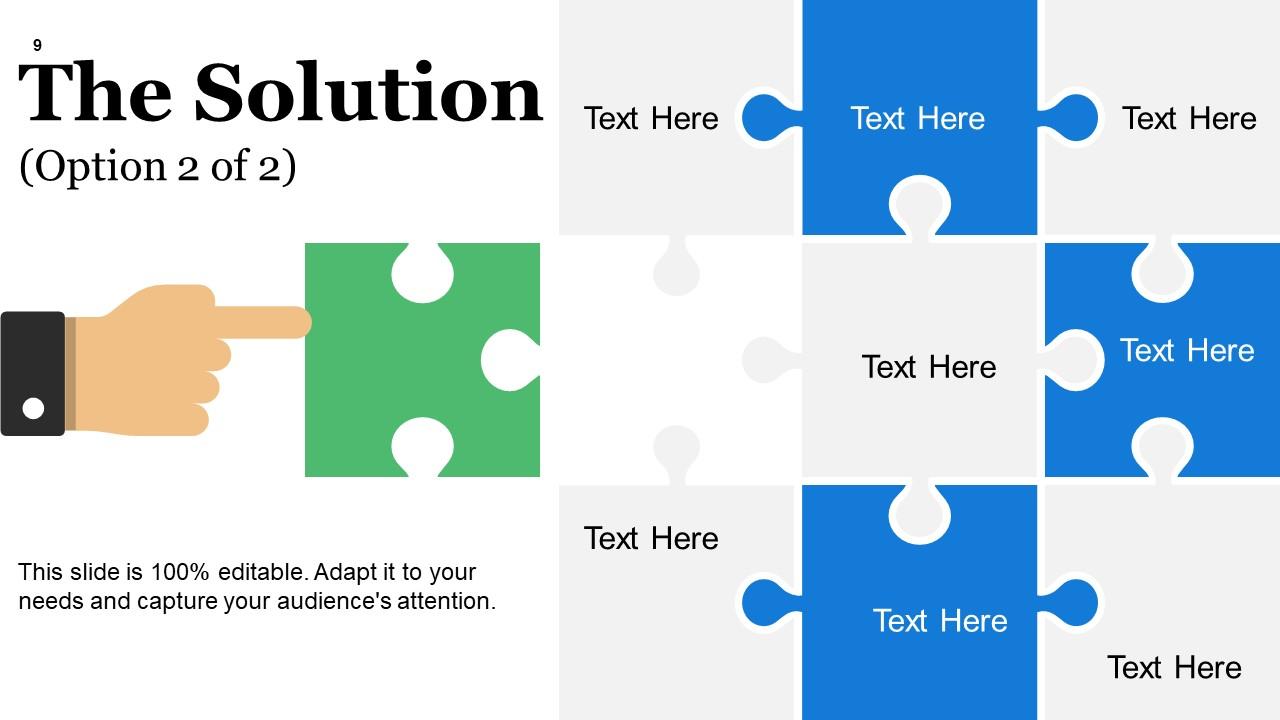
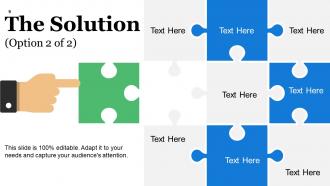
Slide 9: This slide showcases The Solution (Option 2 of 2).
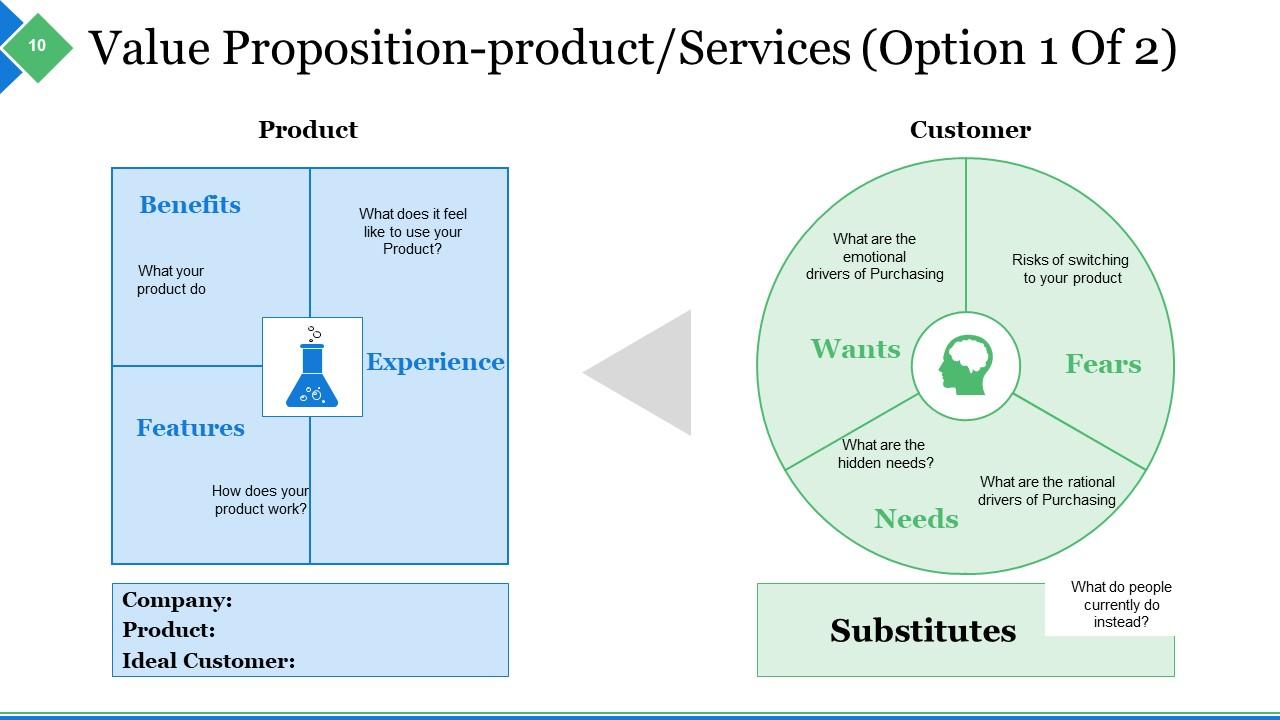
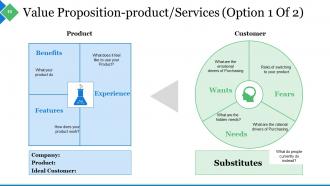
Slide 10: This slide presents Value Proposition-product/Services (Option 1 Of 2).
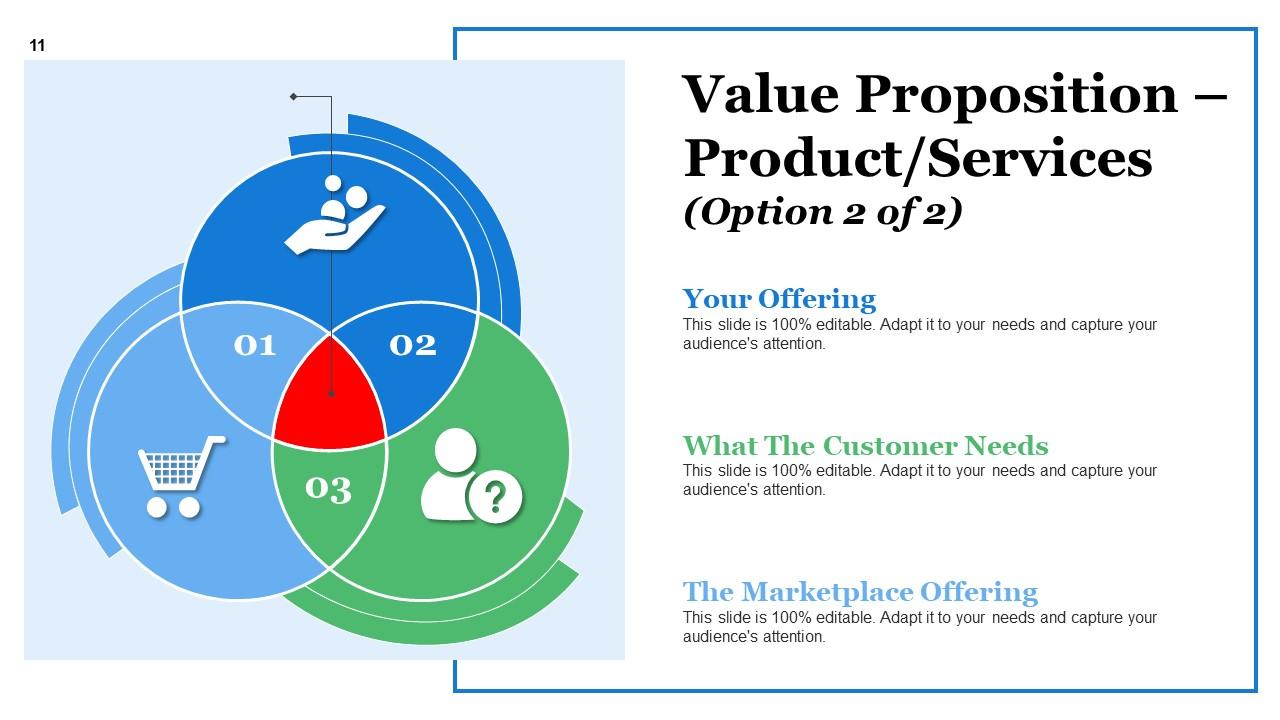
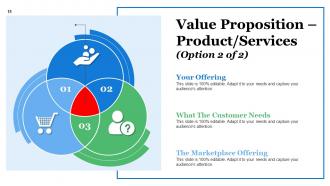
Slide 11: This slide shows Value Proposition – Product/Services (Option 2 of 2) with these three options- Your Offering, What The Customer Needs, The Marketplace Offering.
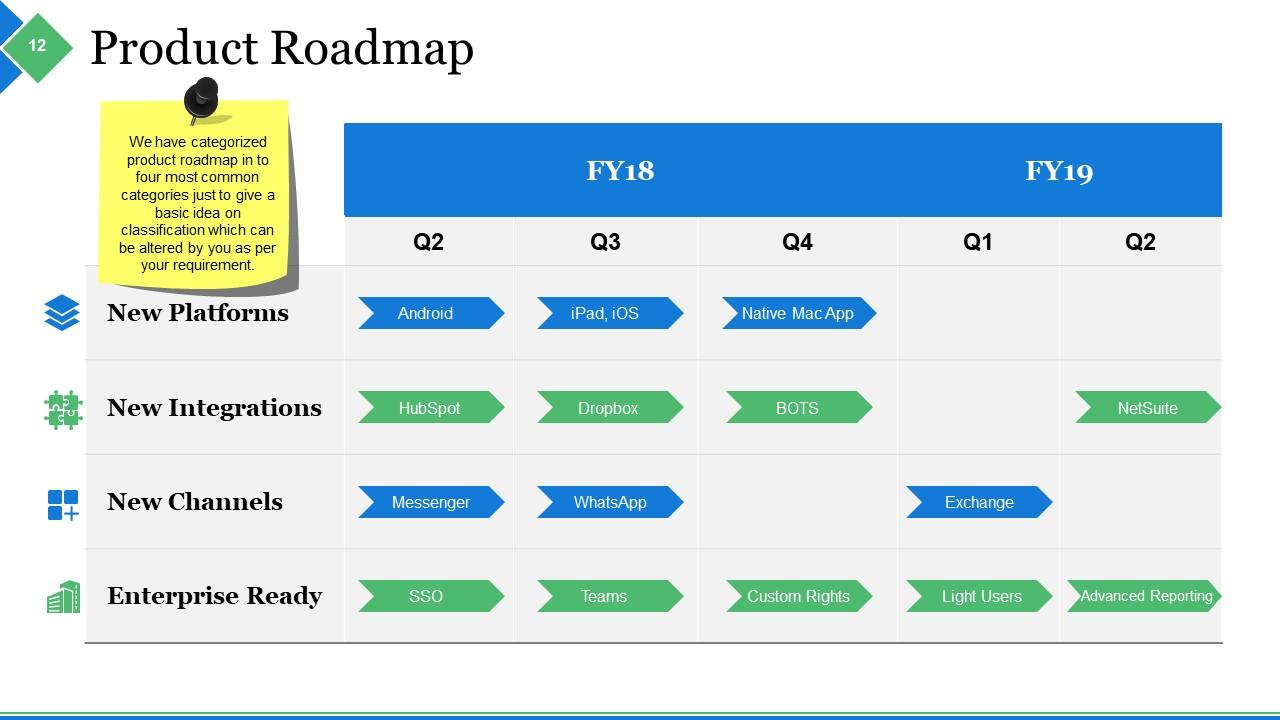
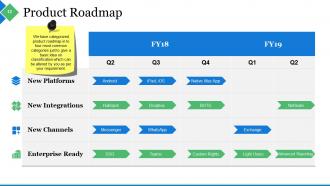
Slide 12: This slide presents Product Roadmap. We have categorized product roadmap in to four most common categories just to give a basic idea on classification which can be altered by you as per your requirement.
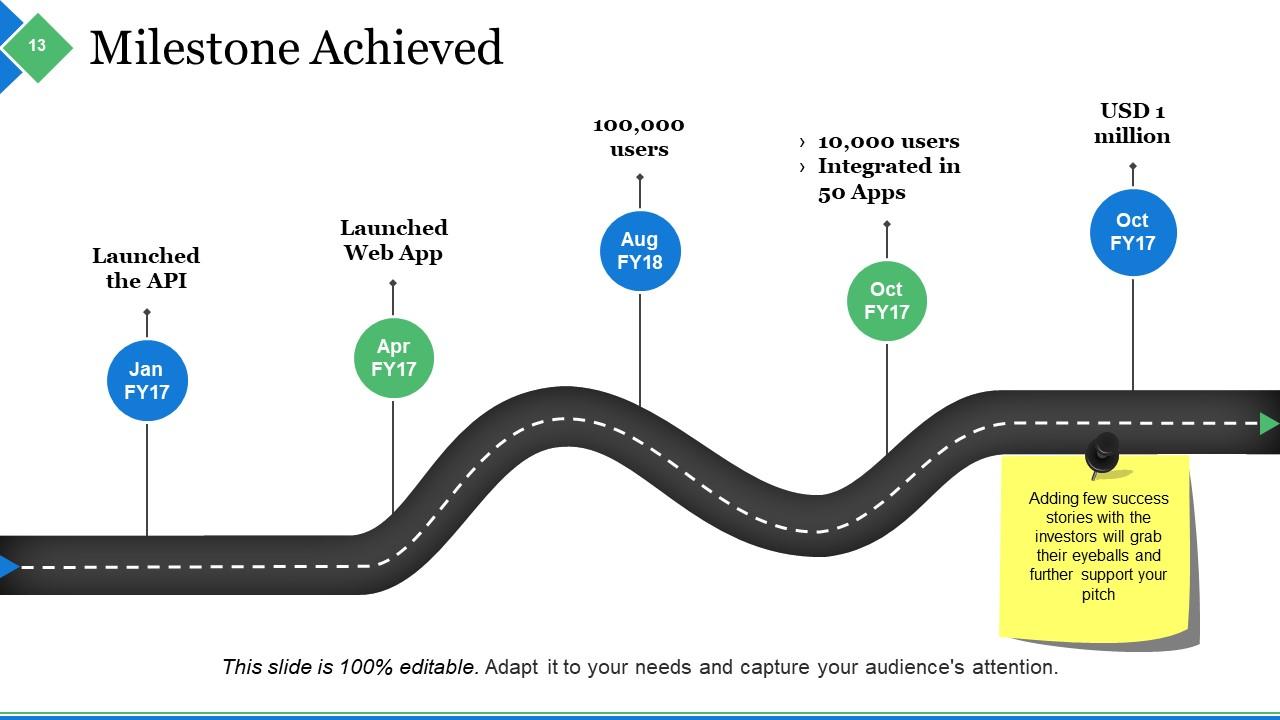
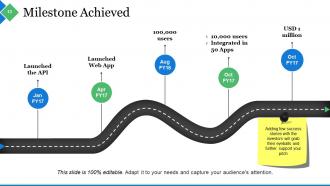
Slide 13: This slide showcases Milestone Achieved. Adding few success stories with the investors will grab their eyeballs and further support your pitch.
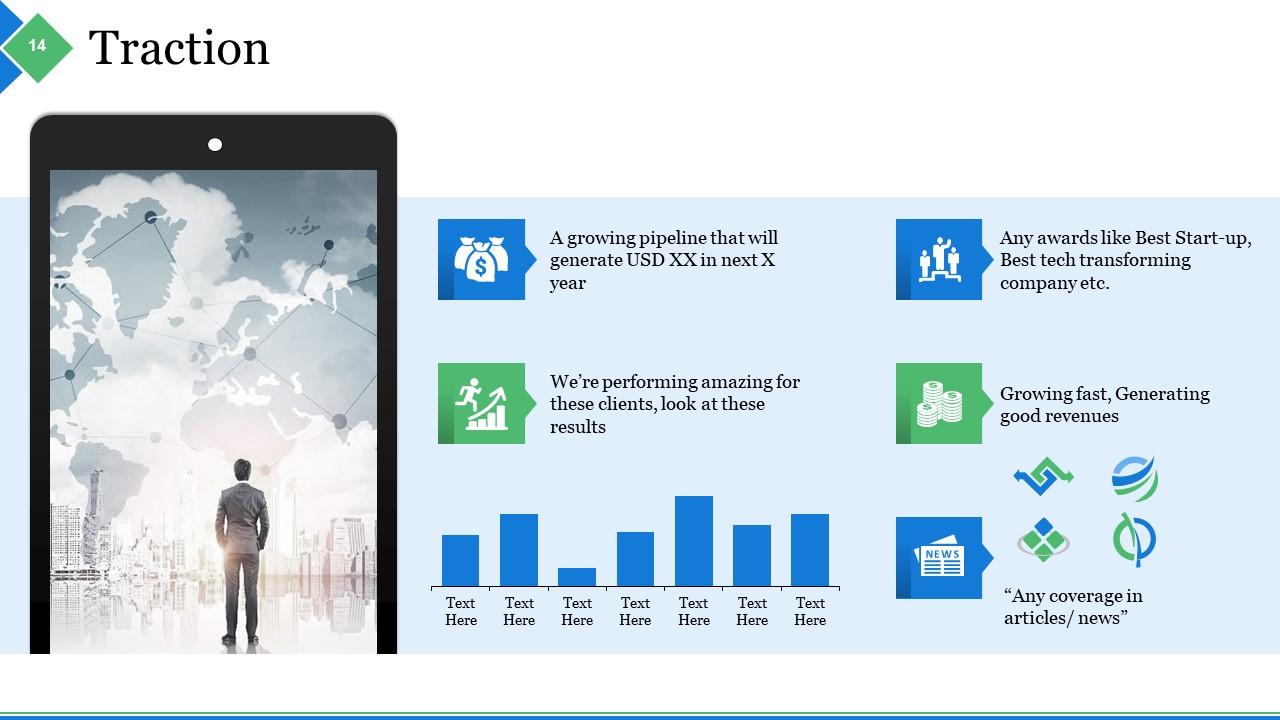
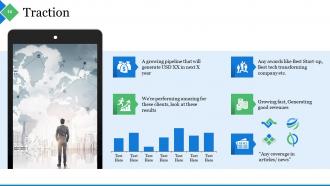
Slide 14: This slide presents Traction with this you can add the data and use it as per your need.
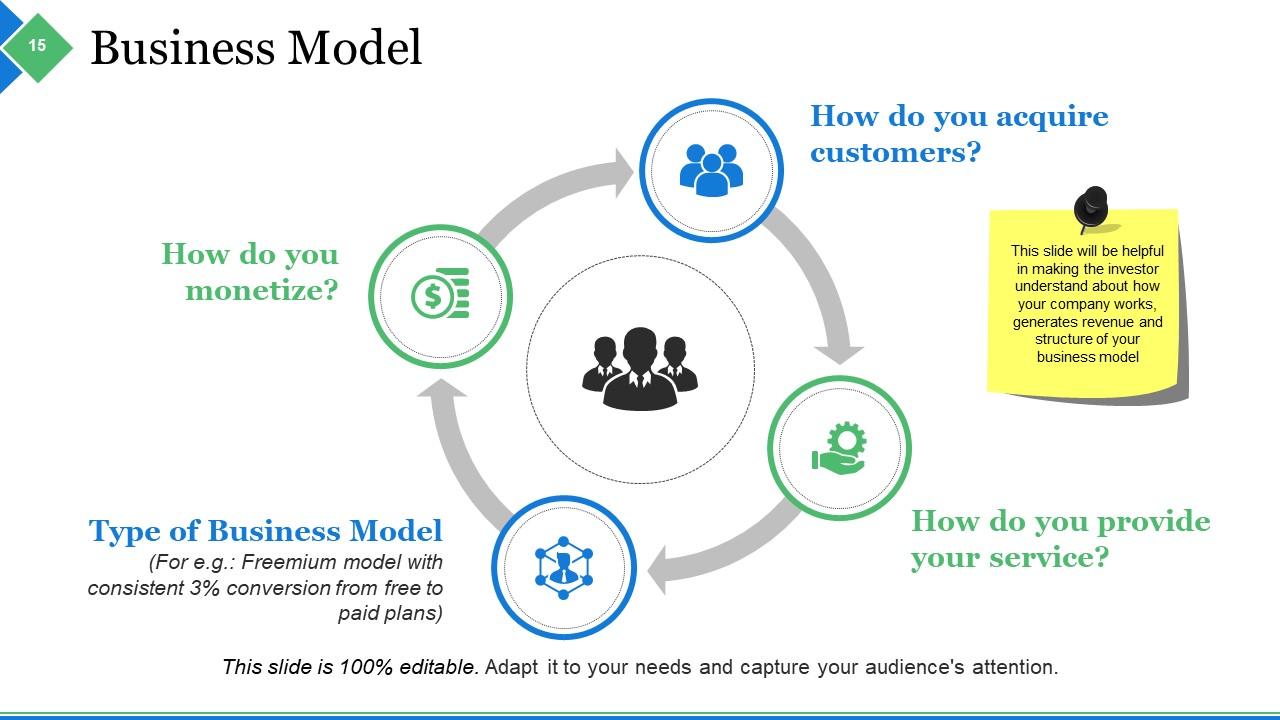
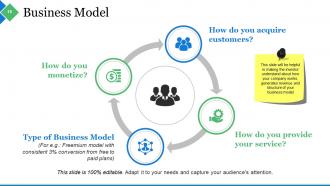
Slide 15: This slide showcases Business Model. This slide will be helpful in making the investor understand about how your company works, generates revenue and structure of your business model.
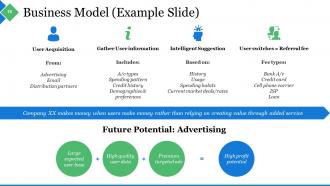
Slide 16: This slide presents Business Model (Example Slide). Company XX makes money when users make money rather than relying on creating value through added service.
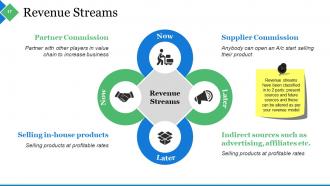
Slide 17: This slide shows Revenue Streams. Revenue streams have been classified in to 2 parts: present sources and future sources and these can be altered as per your revenue model
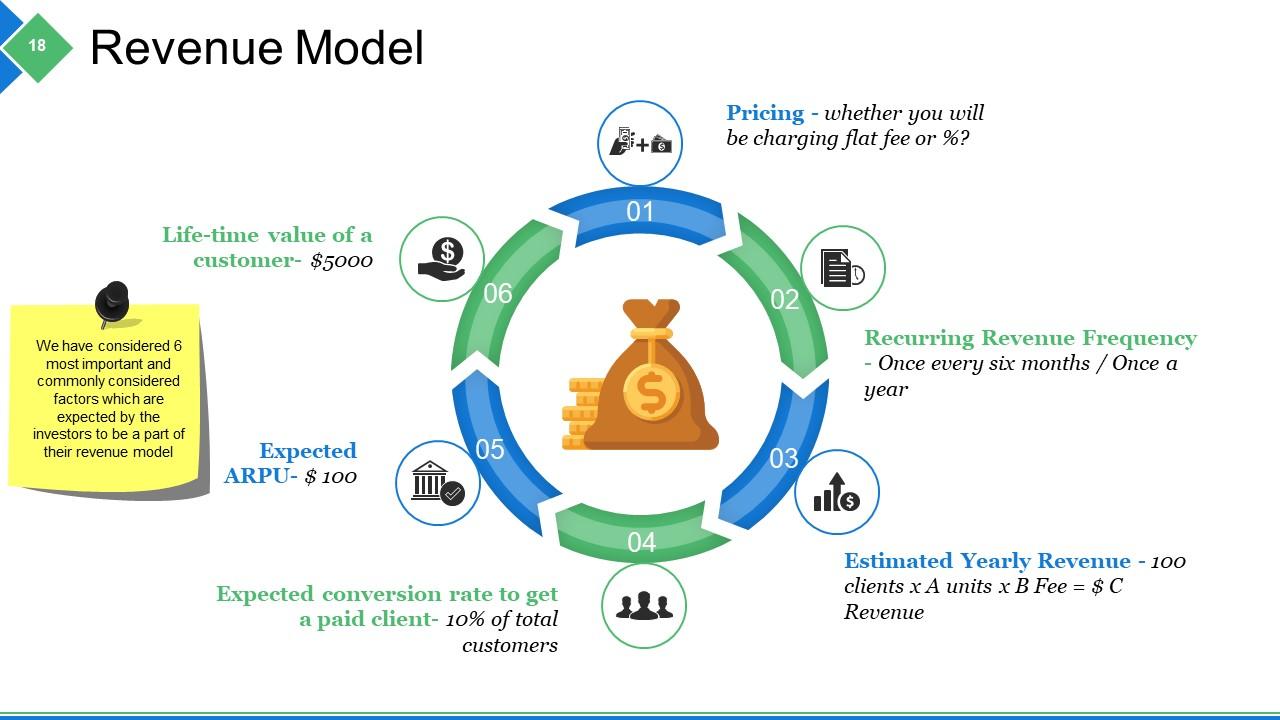
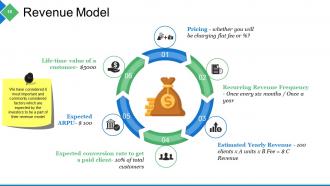
Slide 18: This slide presents Revenue Model. We have considered 6 most important and commonly considered factors which are expected by the investors to be a part of their revenue model
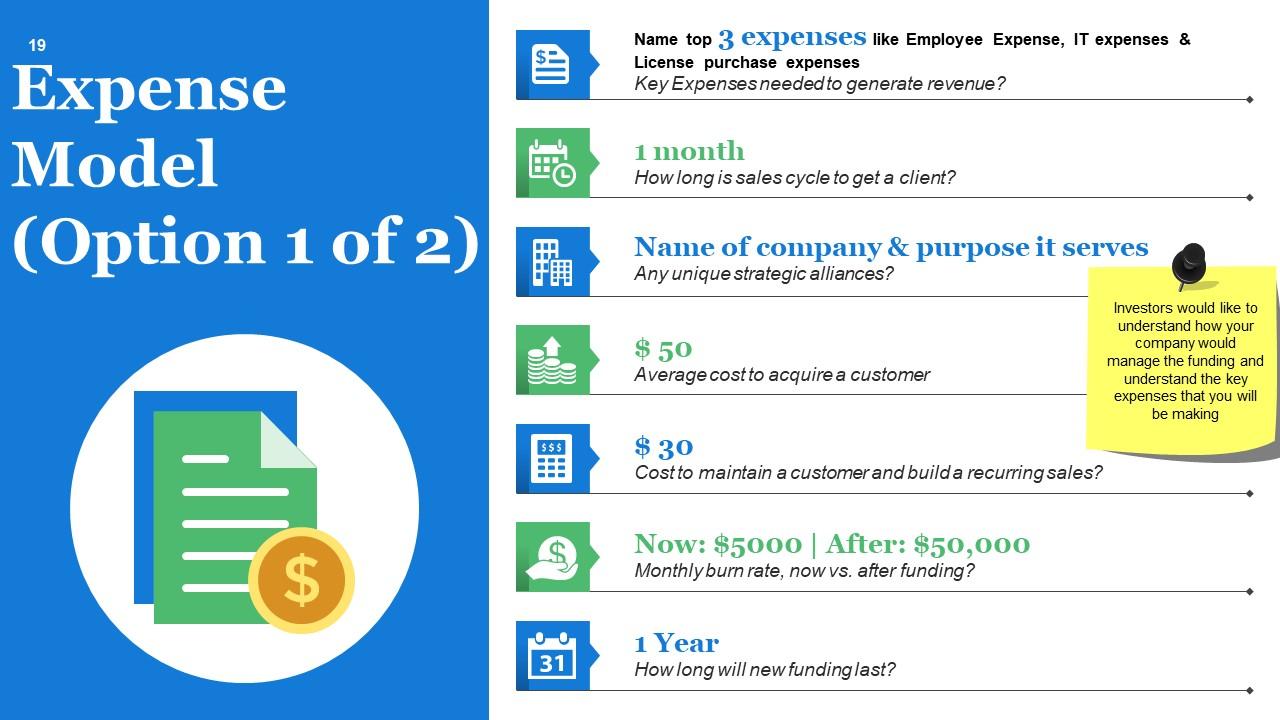
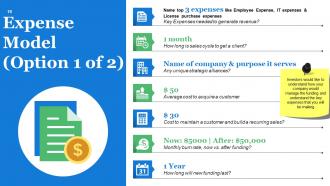
Slide 19: This slide showcases Expense Model (Option 1 of 2). Investors would like to understand how your company would manage the funding and understand the key expenses that you will be making
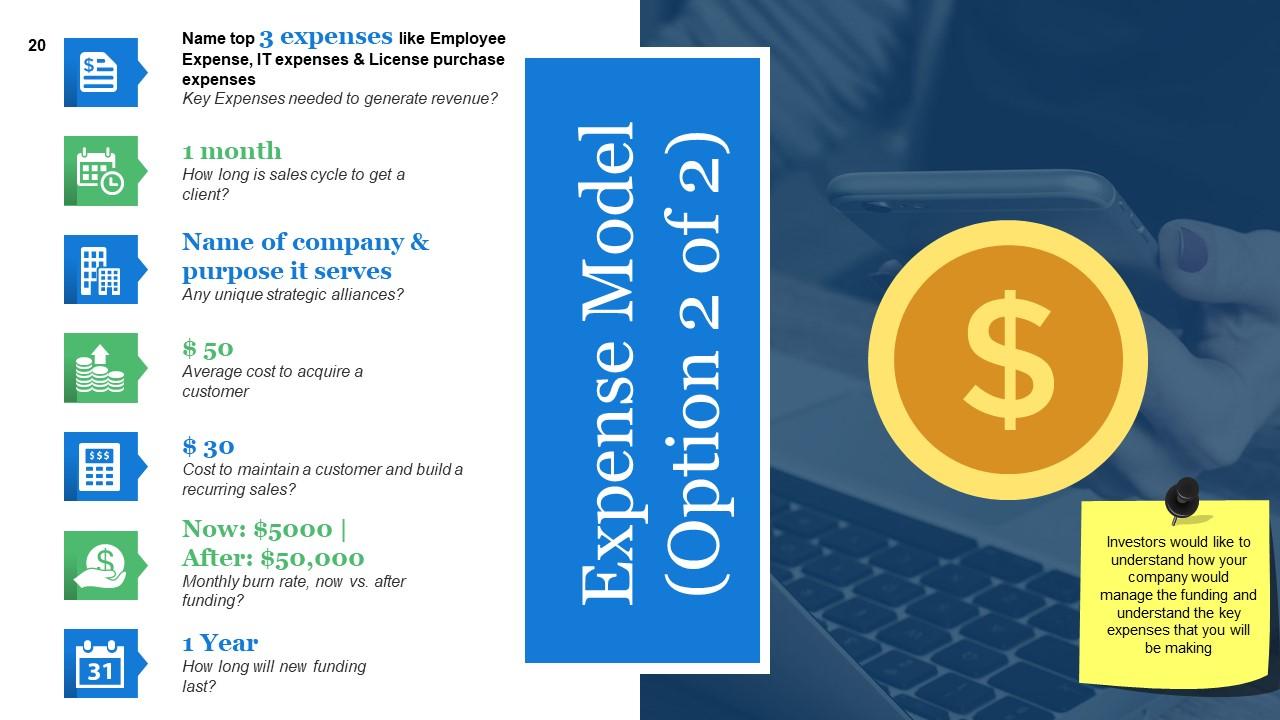
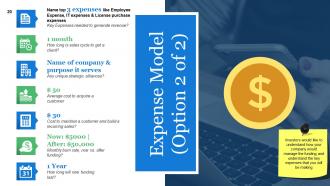
Slide 20: This slide presents Expense Model (Option 2 of 2). Investors would like to understand how your company would manage the funding and understand the key expenses that you will be making
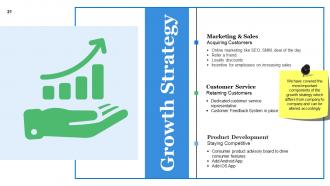
Slide 21: This slide showcases Growth Strategy. We have covered the most important components of the growth strategy which differs from company to company and can be altered accordingly
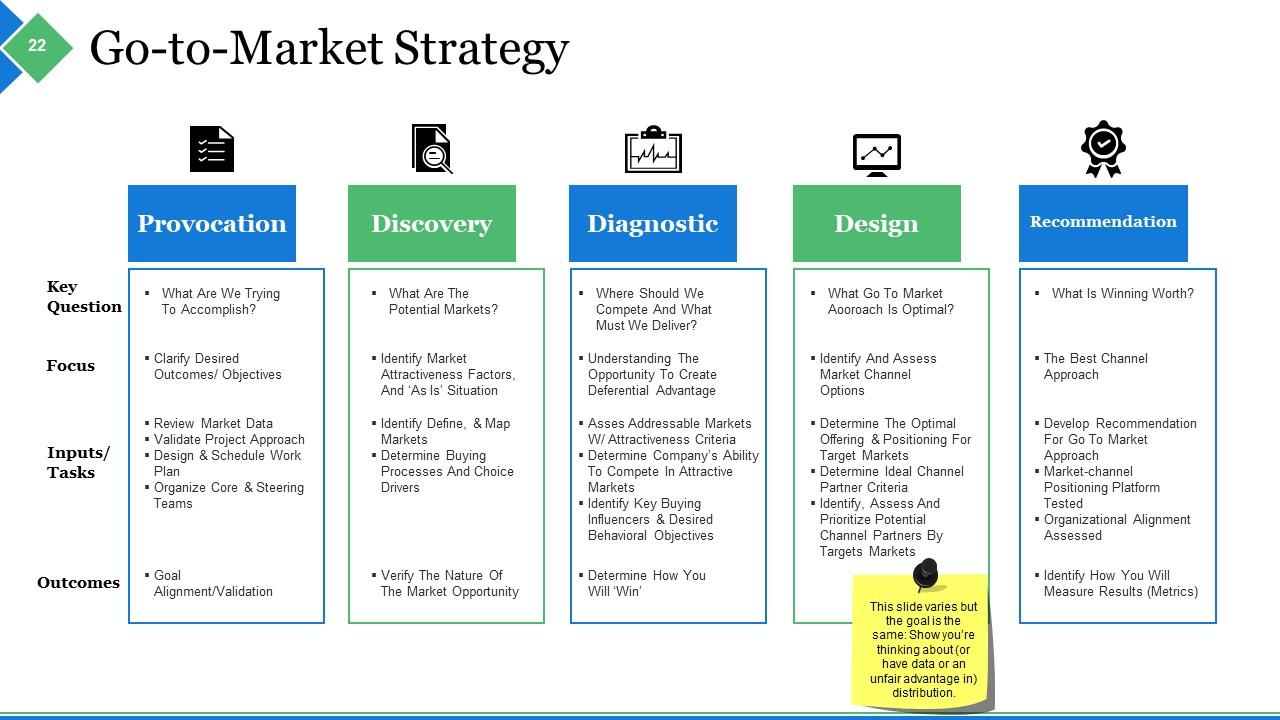
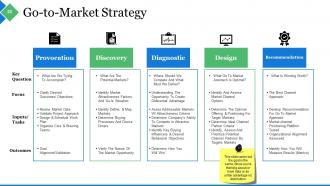
Slide 22: This slide shows Go-to-Market Strategy. This slide varies but the goal is the same: Show you’re thinking about (or have data or an unfair advantage in) distribution.
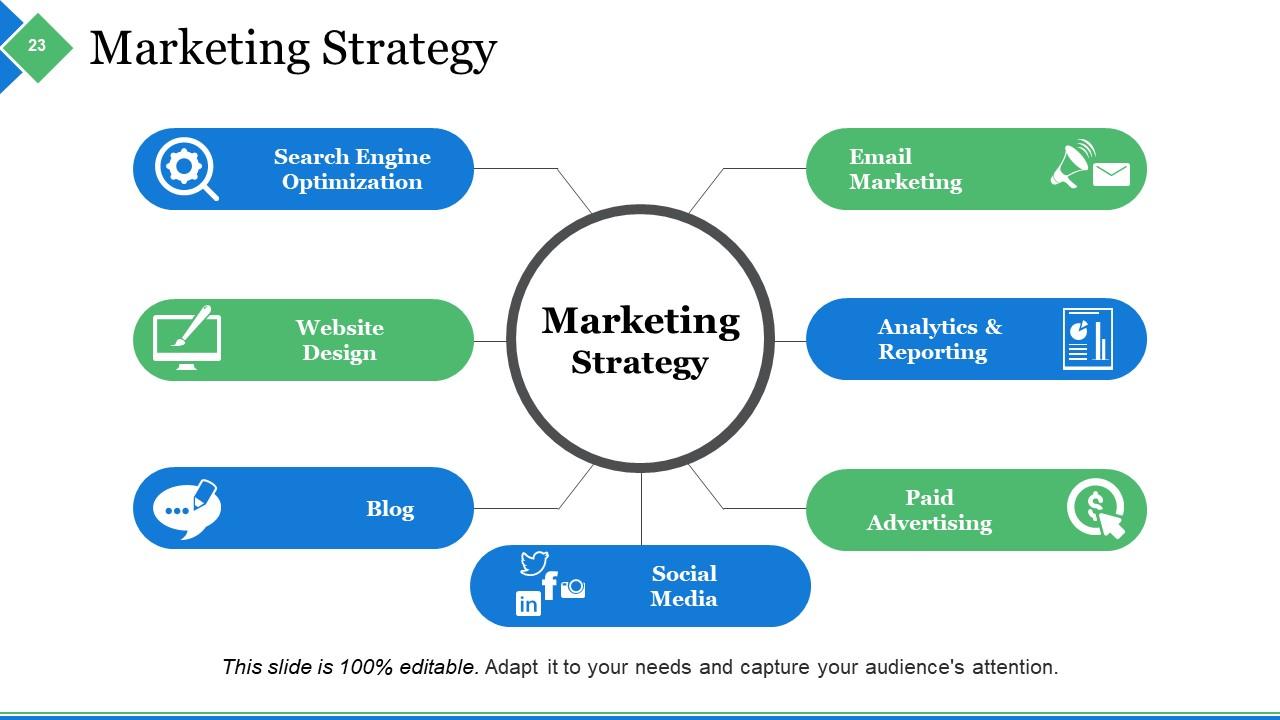
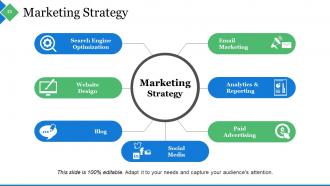
Slide 23: This slide presents Marketing Strategy with these of the parameters- Marketing, Strategy, Social Media, Blog, Website Design, Search Engine Optimization, Paid Advertising, Email Marketing, Analytics & Reporting.
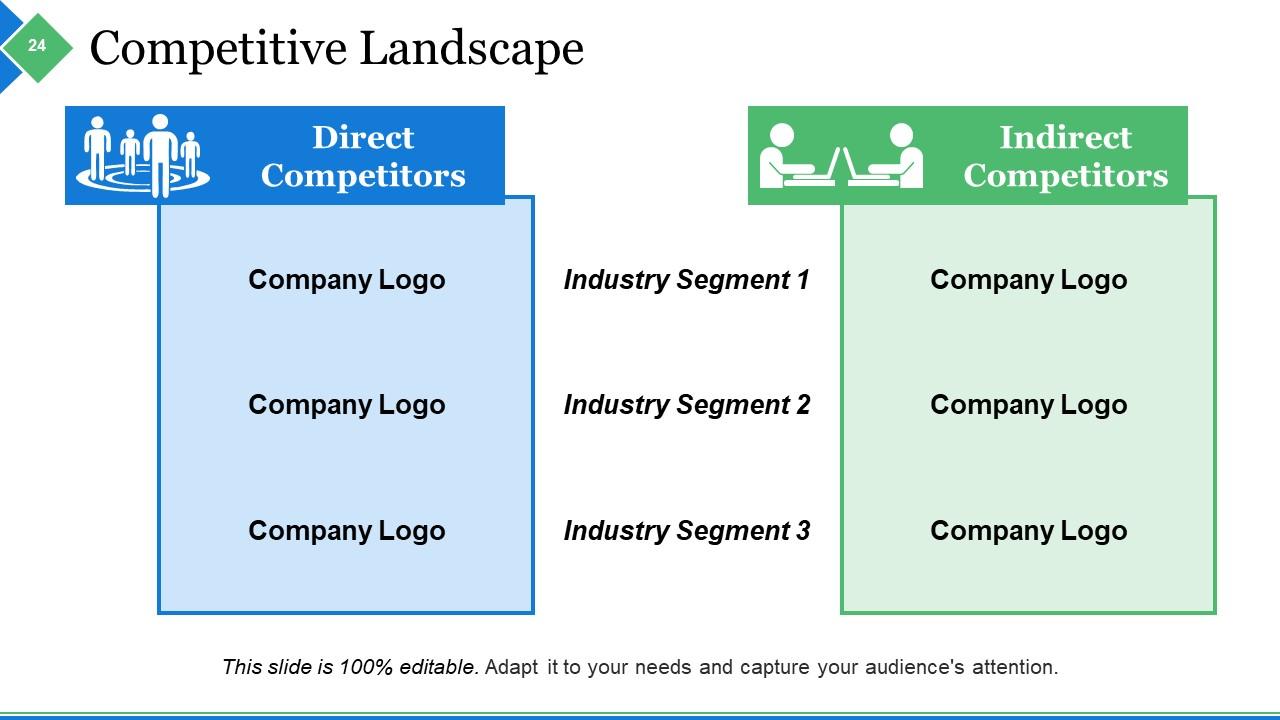
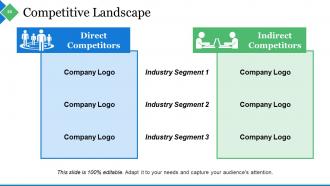
Slide 24: This slide showcases Competitive Landscape with these two main factors- Indirect Competitors, Direct Competitors.
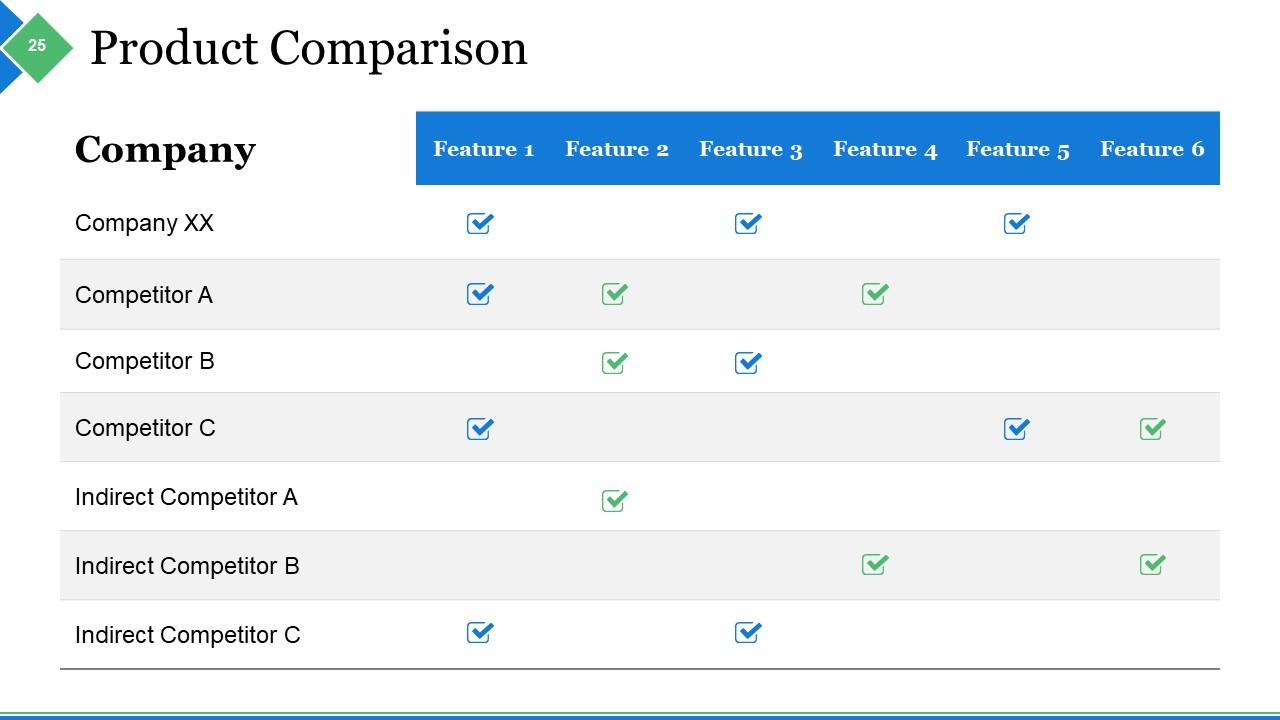
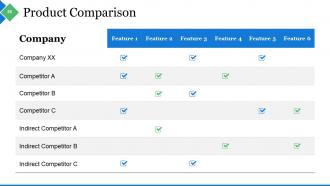
Slide 25: This slide shows Product Comparison.
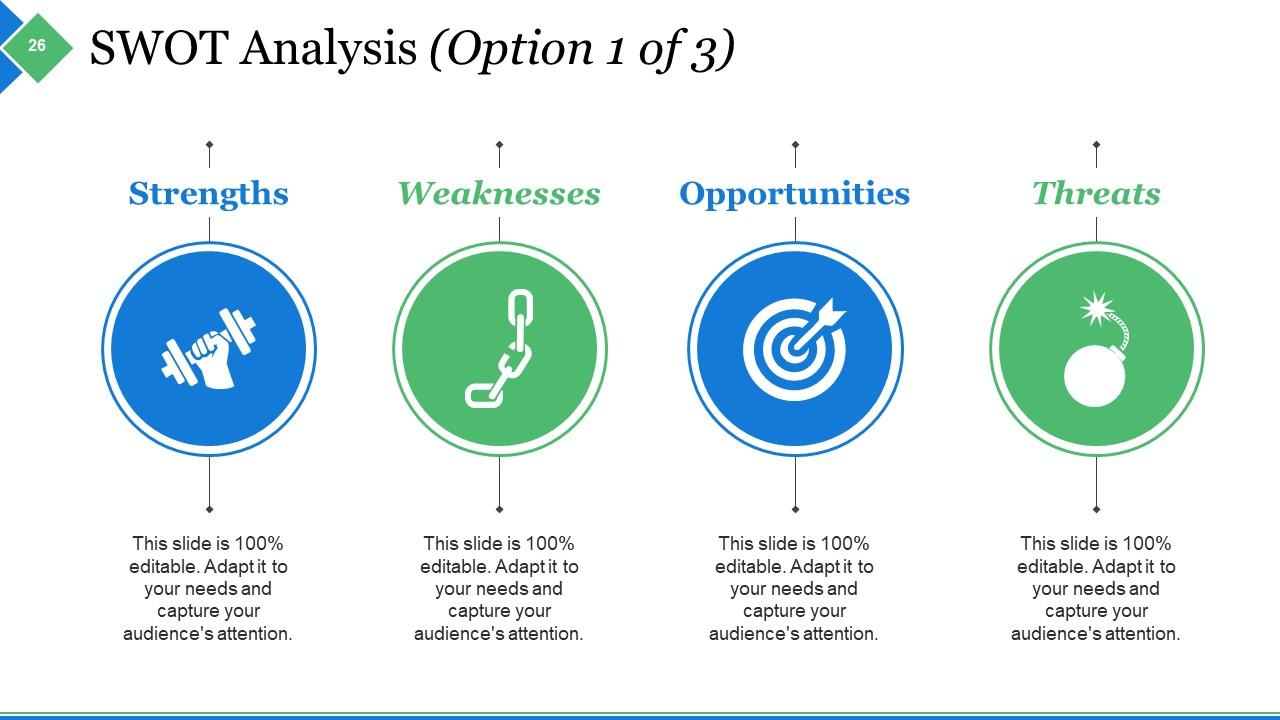
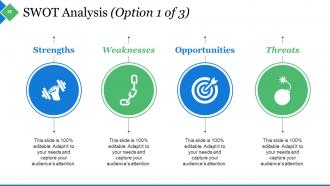
Slide 26: This slide presents SWOT Analysis (Option 1 of 3) with four of these factors- Strengths, Weaknesses, Opportunities, Threats.
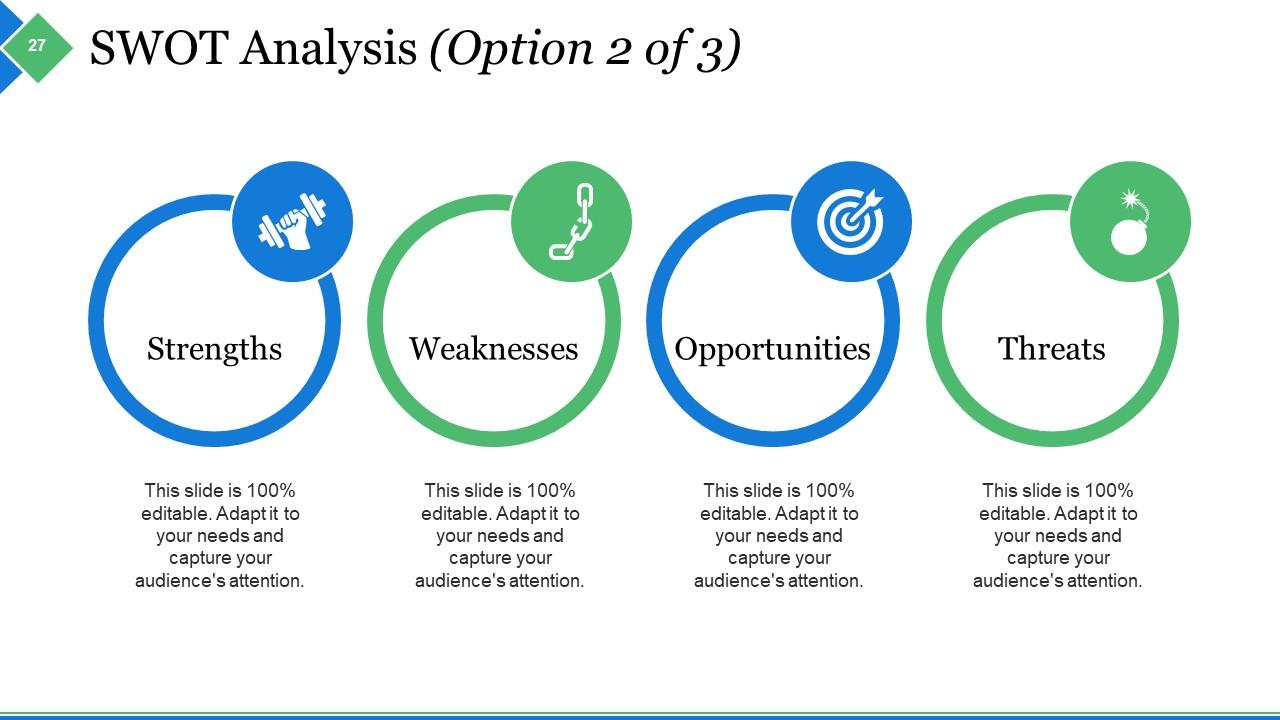
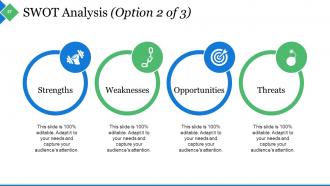
Slide 27: This slide presents SWOT Analysis (Option 2 of 3) with four of the options- Weaknesses Opportunities Threats Strengths
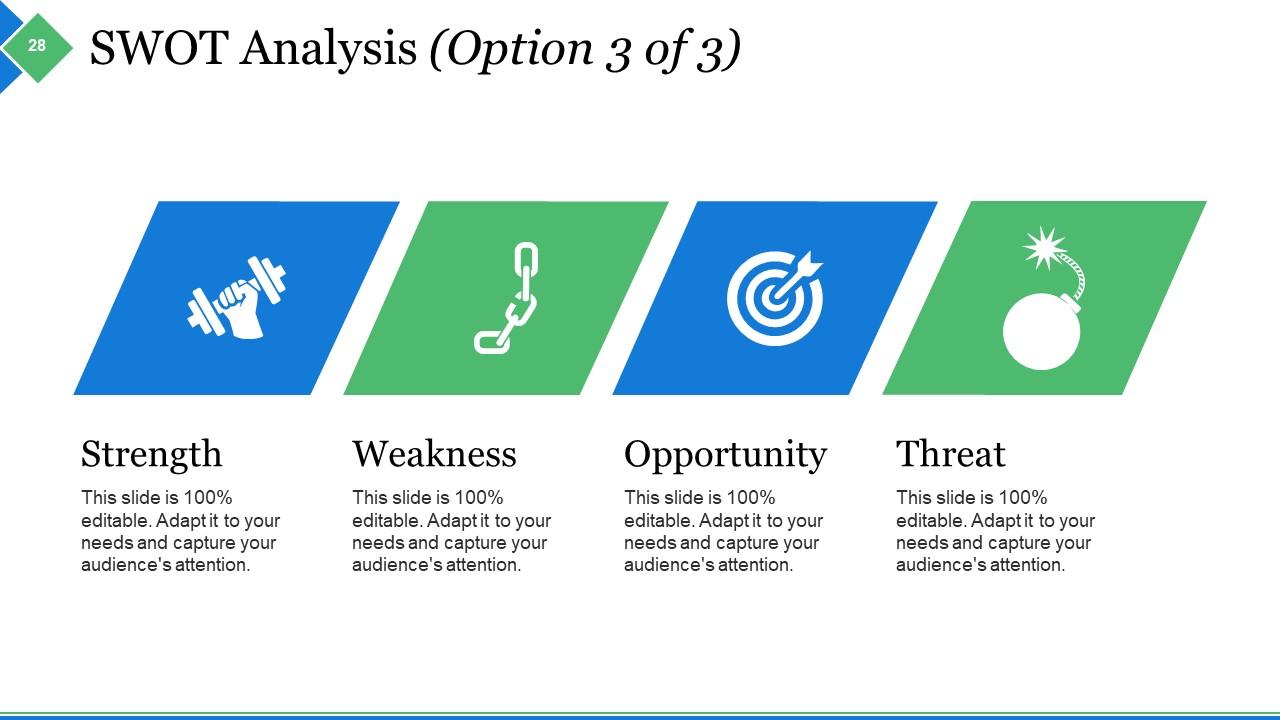
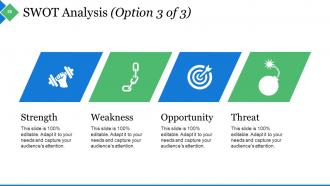
Slide 28: This slide showcases SWOT Analysis (Option 3 of 3) with these four steps- Strength, Weakness, Opportunity, Threat.
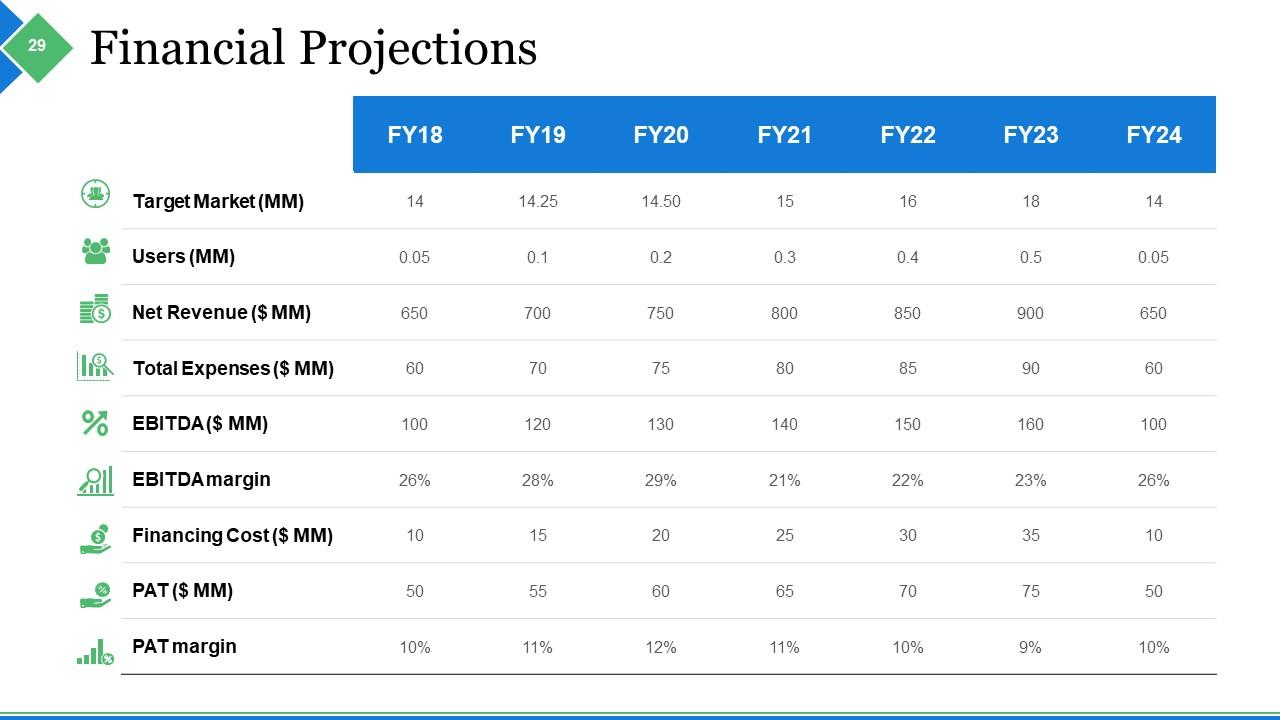
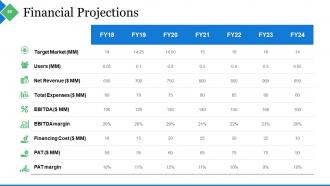
Slide 29: This slide presents Financial Projections.
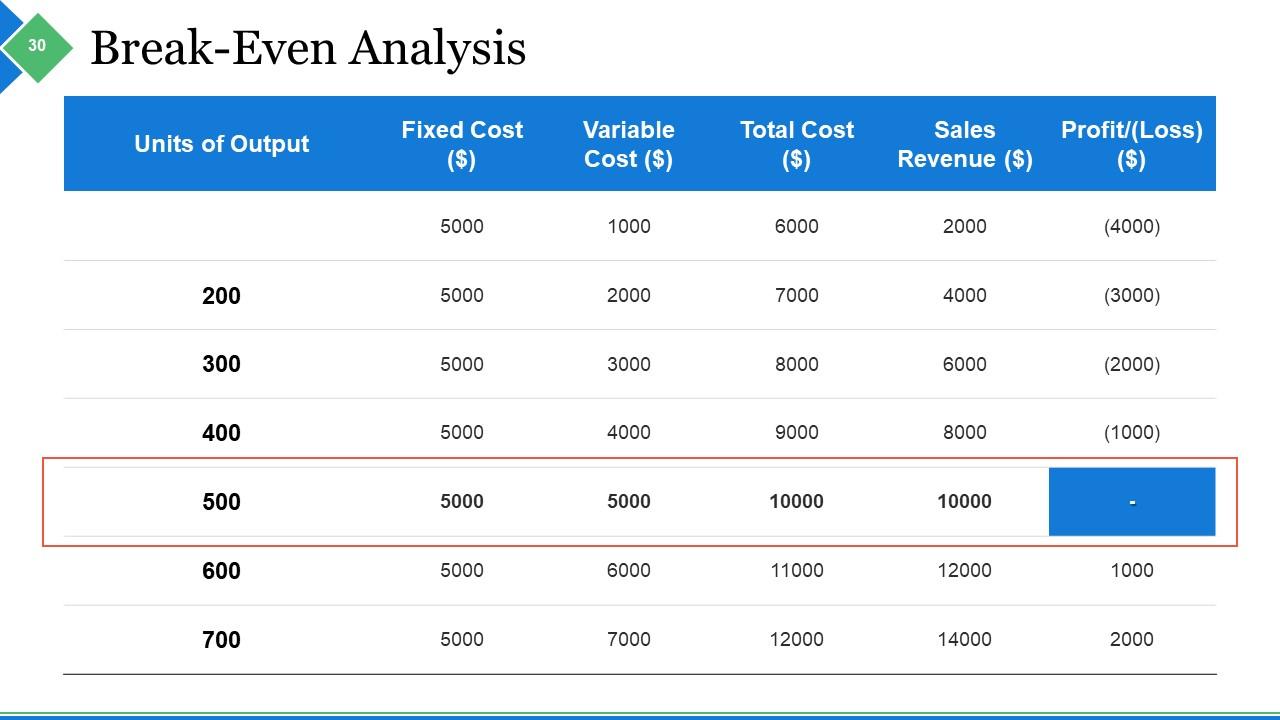
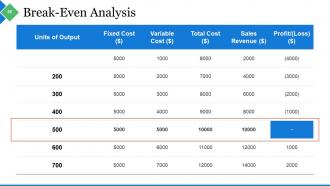
Slide 30: This slide showcases Break-Even Analysis. Add the details and use it.
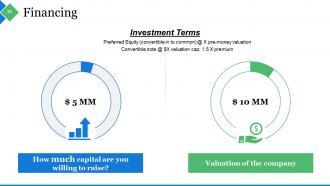
Slide 31: This slide Financing with the investment terms.
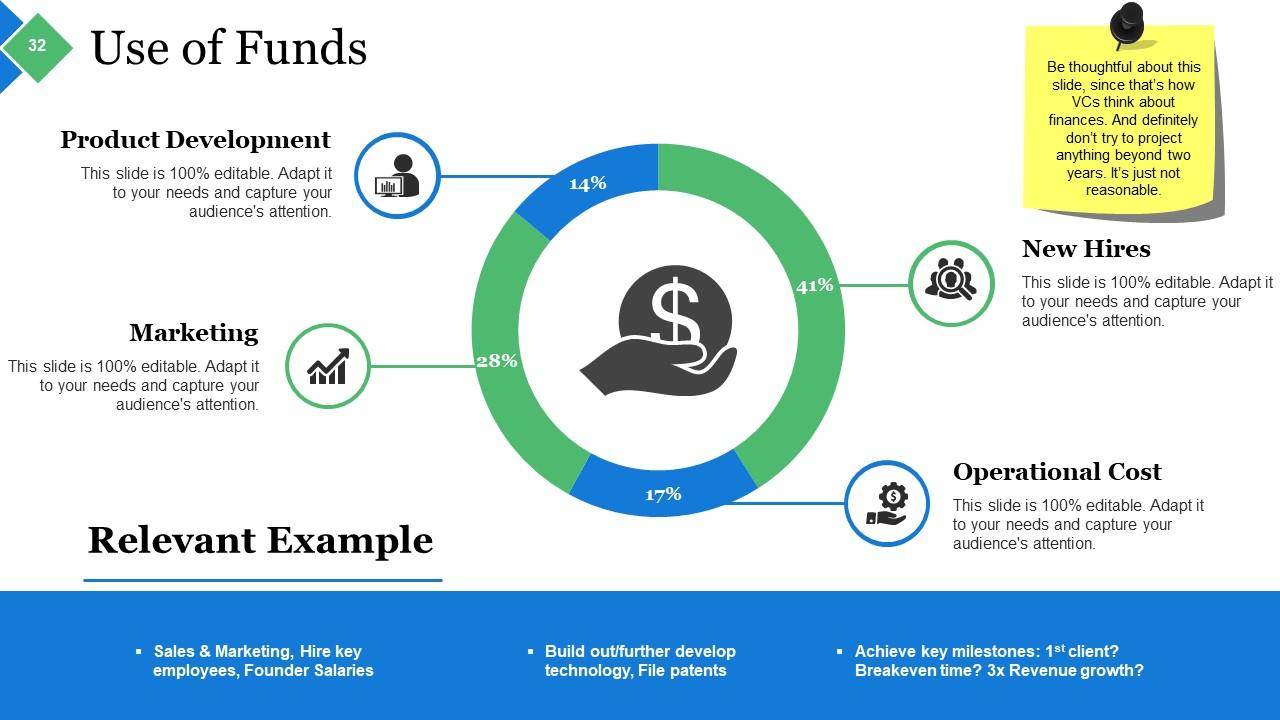
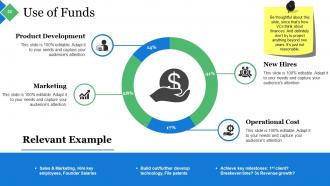
Slide 32: This slide presents Use of Funds. Be thoughtful about this slide, since that’s how VCs think about finances. And definitely don’t try to project anything beyond two years. It’s just not reasonable.
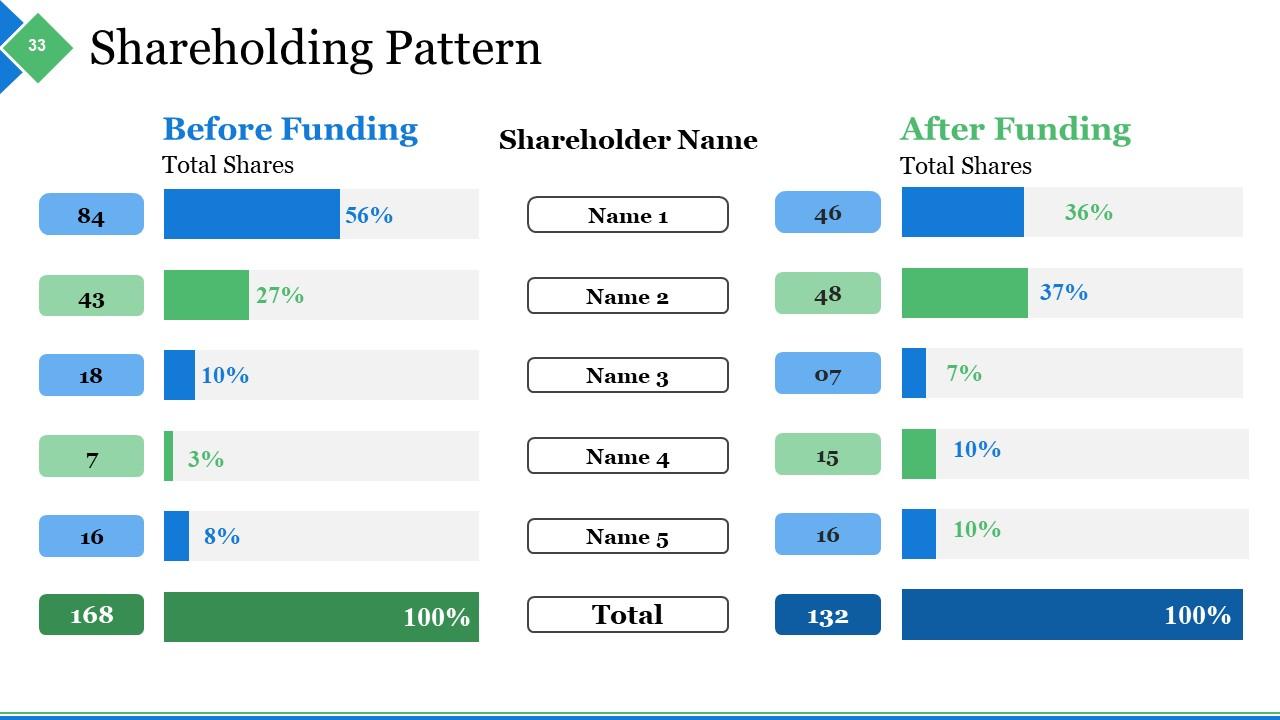
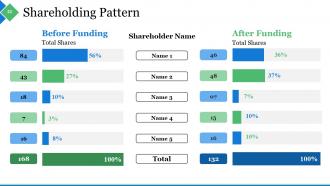
Slide 33: This slideteam presents Shareholding Pattern.
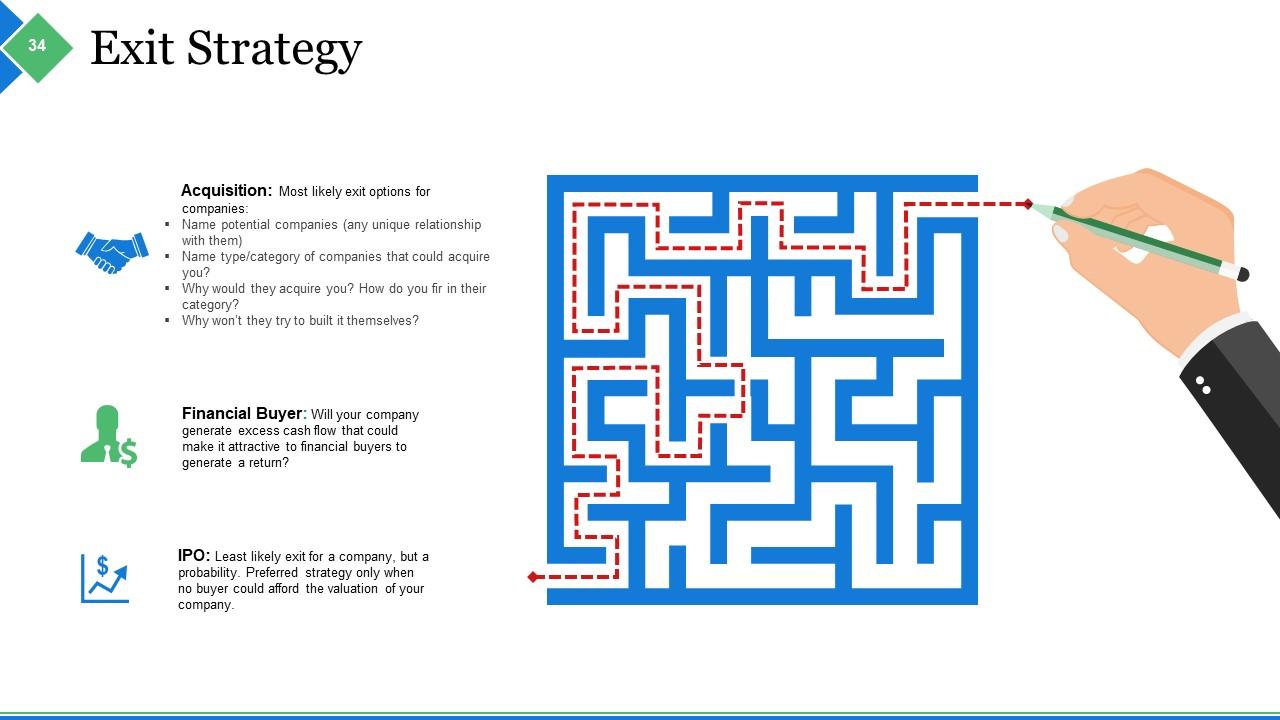
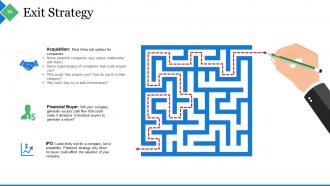
Slide 34: This slide showcases Exit Strategy with three of the factors.
Slide 35: This slide presents Client Testimonials with name and description you can add.
Slide 36: This slide showcases Contact Details.
Slide 37: This is a Coffee Break slide to halt. You may change it as per requirement.
Slide 38: This slide is titled Charts & Graphs to move forward.
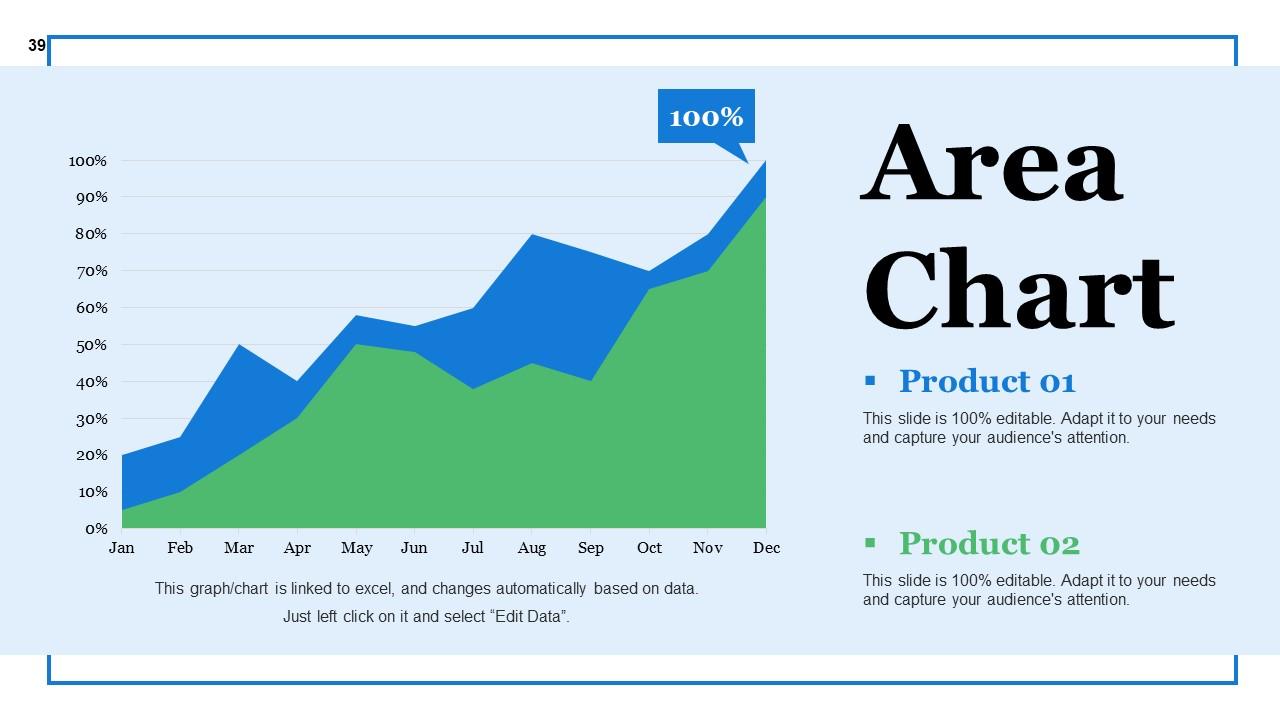
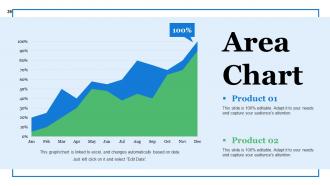
Slide 39: This slide showcases Area Chart. Add the comparison of the products.
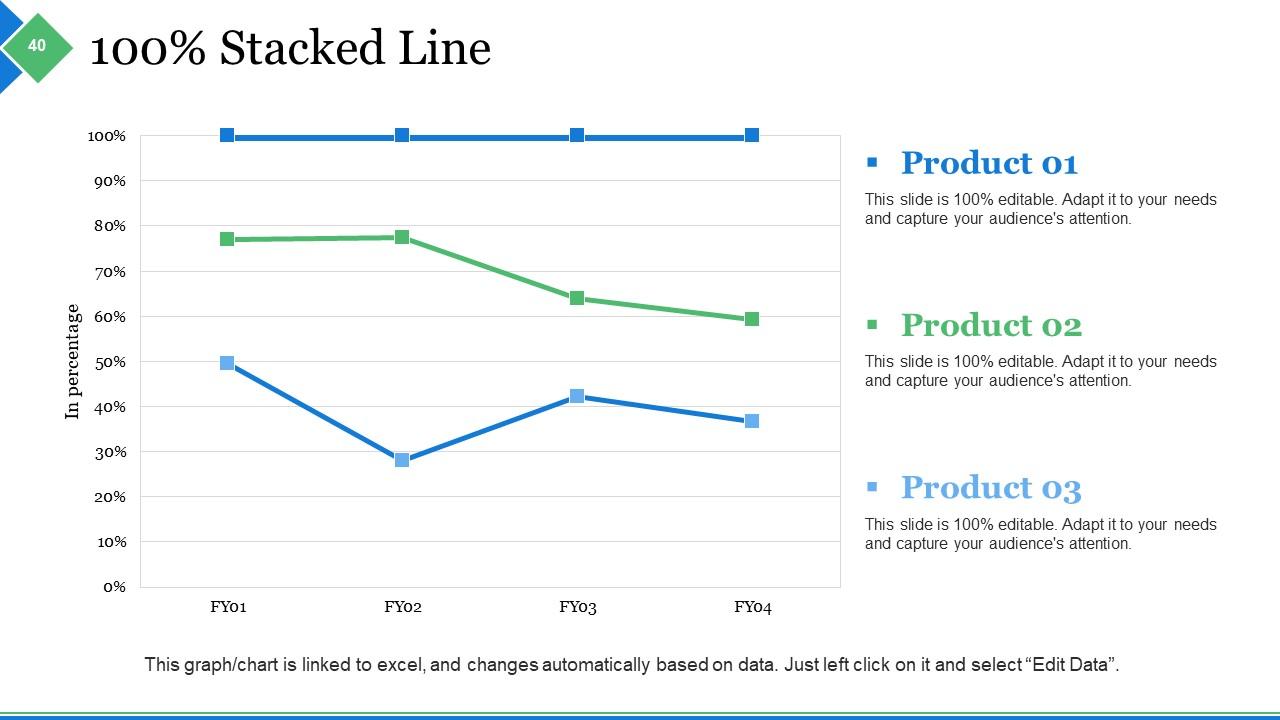
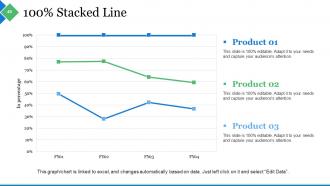
Slide 40: This slide presents Stacked Line. Add the product comparison in this and use it.
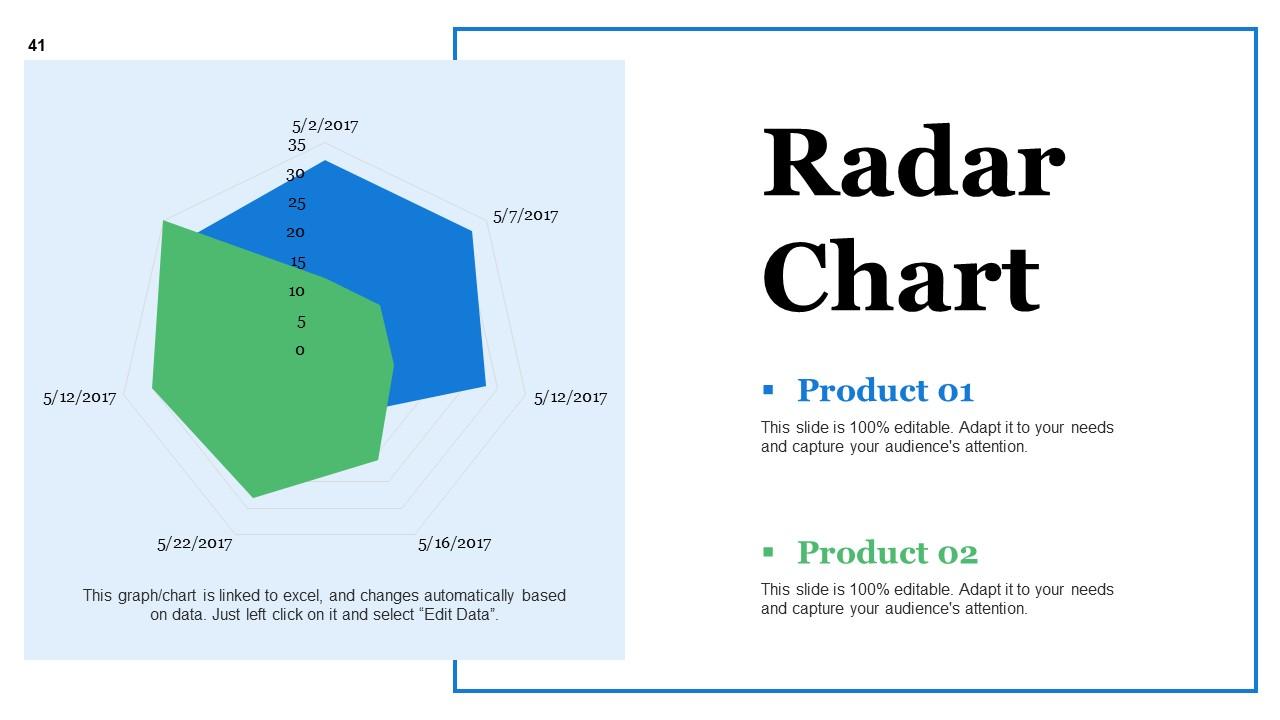
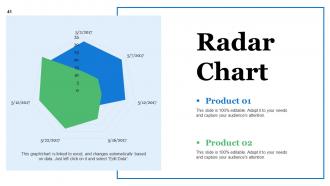
Slide 41: This is a Radar Chart slide for product/entity comparison.
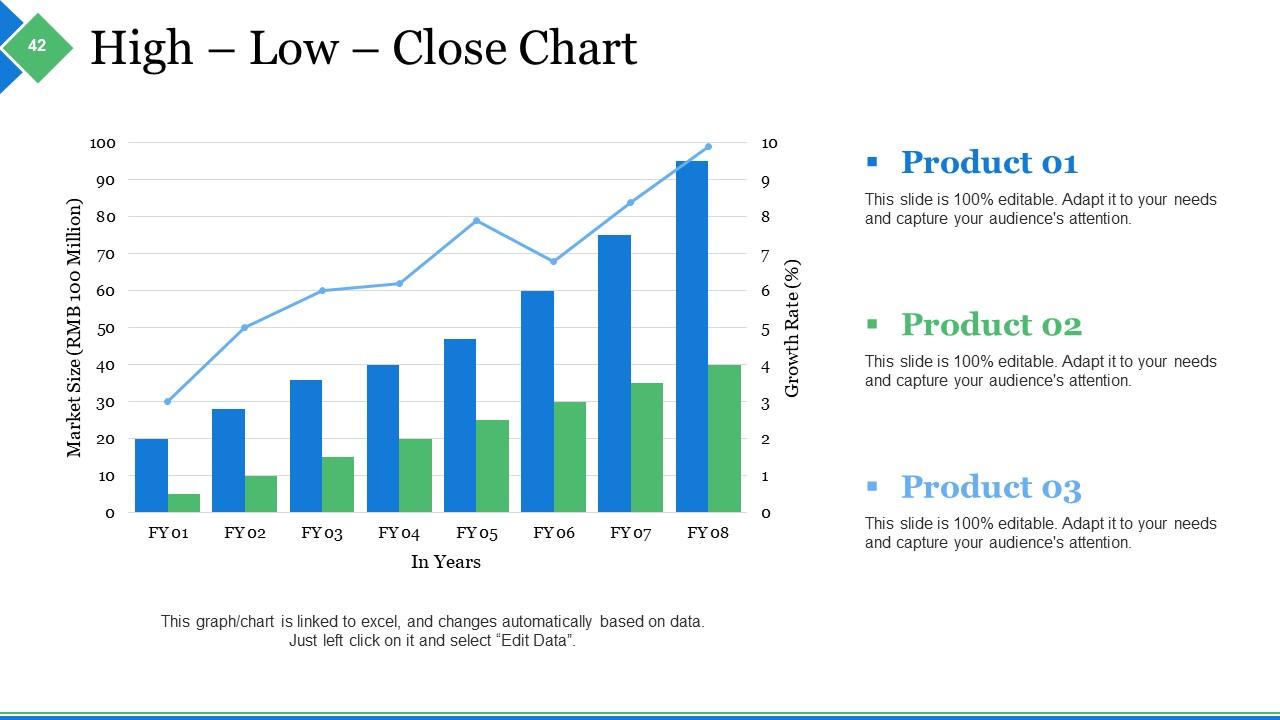
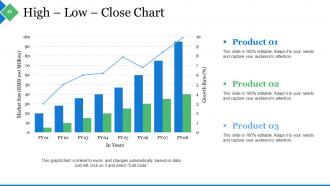
Slide 42: This slide shows High – Low – Close Chart.
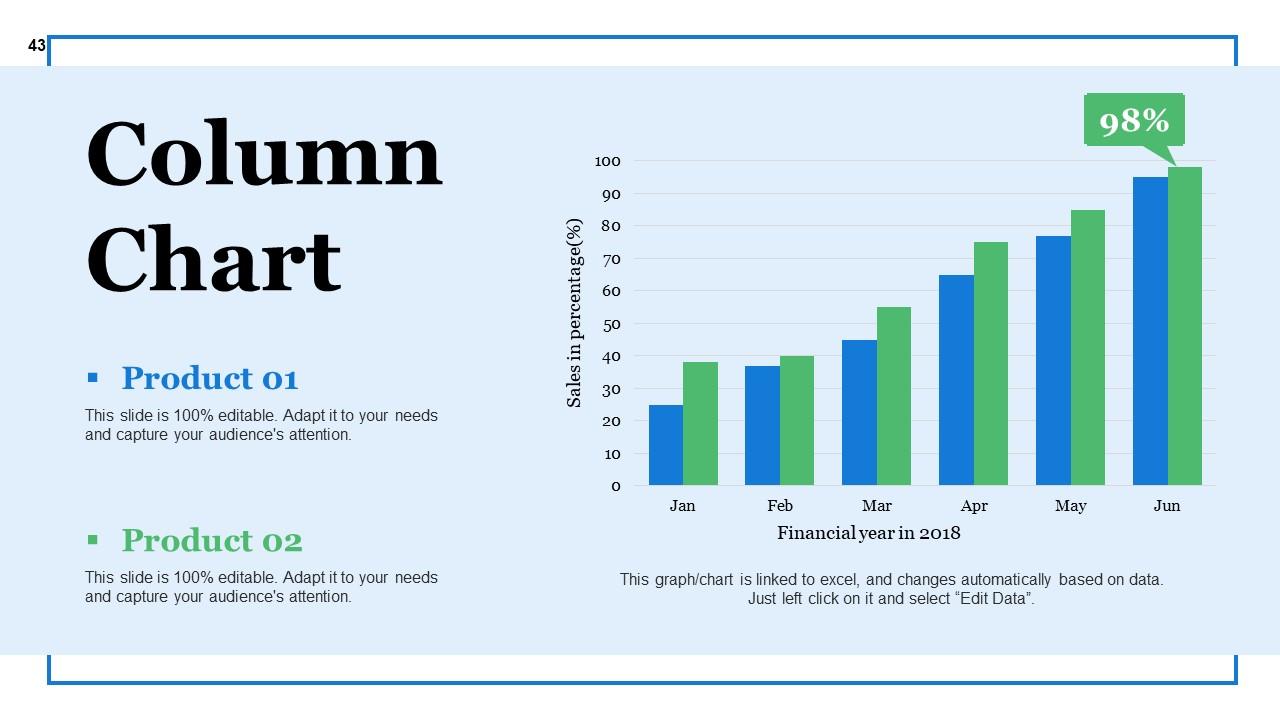
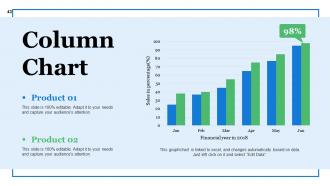
Slide 43: This slide showcases Column Chart.
Slide 44: This slide is titled Additional Slides to move forward.
Slide 45: This slide presents Our Mission.
Slide 46: This is an Our Team slide with name, image &text boxes to put the required information.
Slide 47: This is an About Us slide showing Our Company, Value Client, and Premium services as examples.
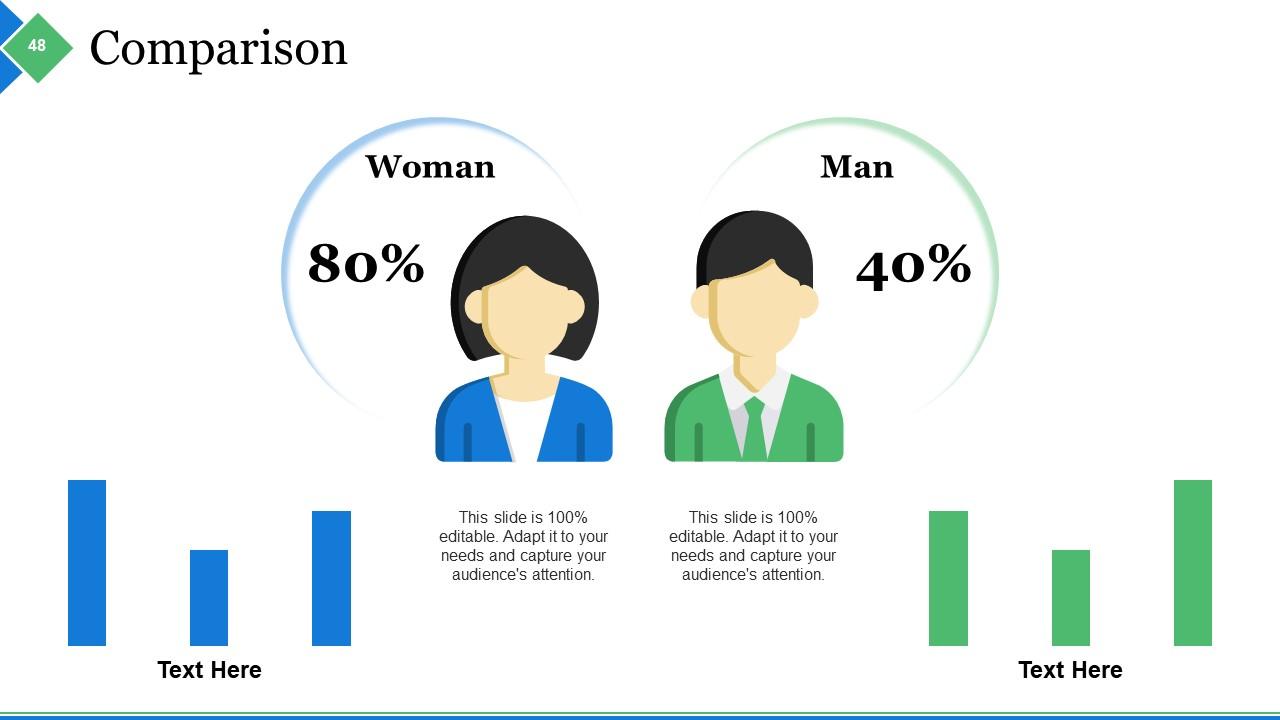
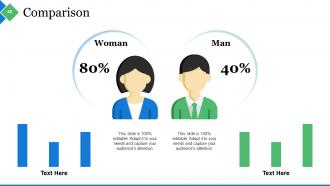
Slide 48: This slide shows Comparison of Positive Factors v/s Negative Factors with thumbsup and thumb down imagery.
Slide 49: This slide shows Our Goals for your company.
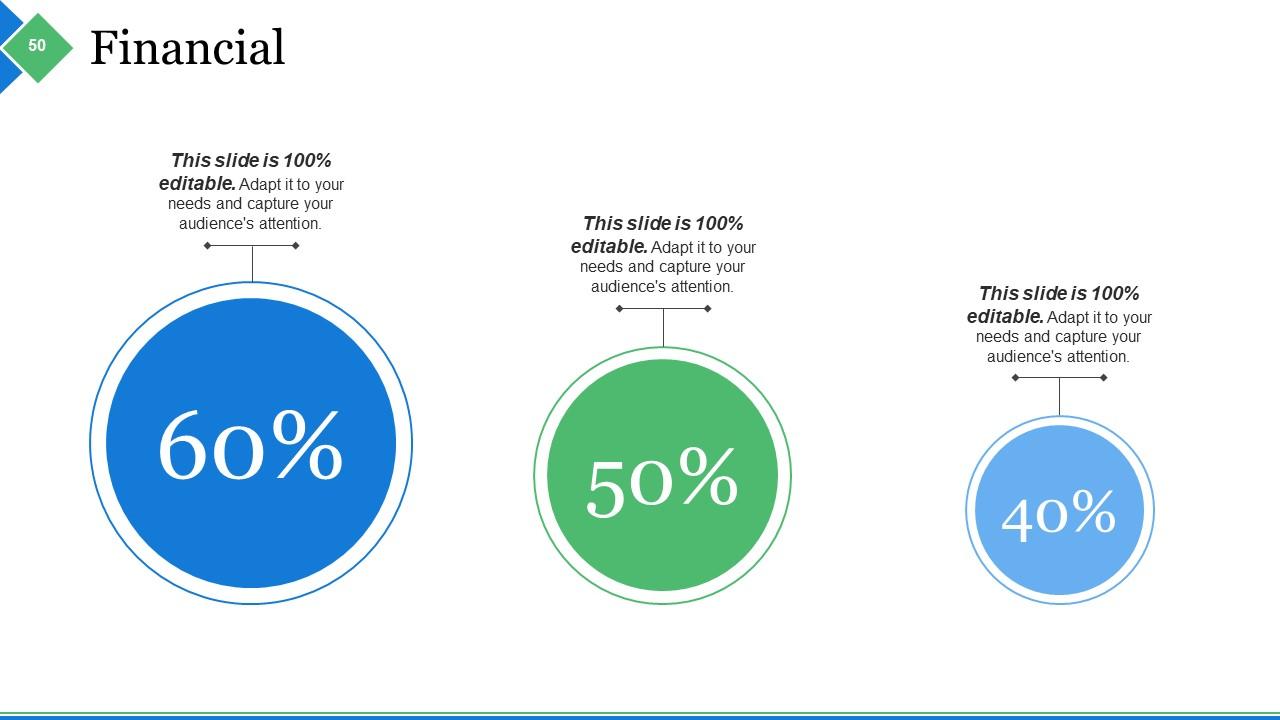
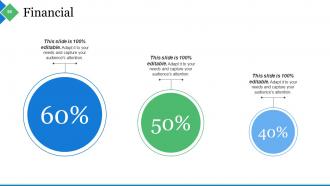
Slide 50: This slide displays Financial Projections And Key Metrics for customers and employees.
Slide 51: This is a Quotes slide to highlight, or state anything specific.
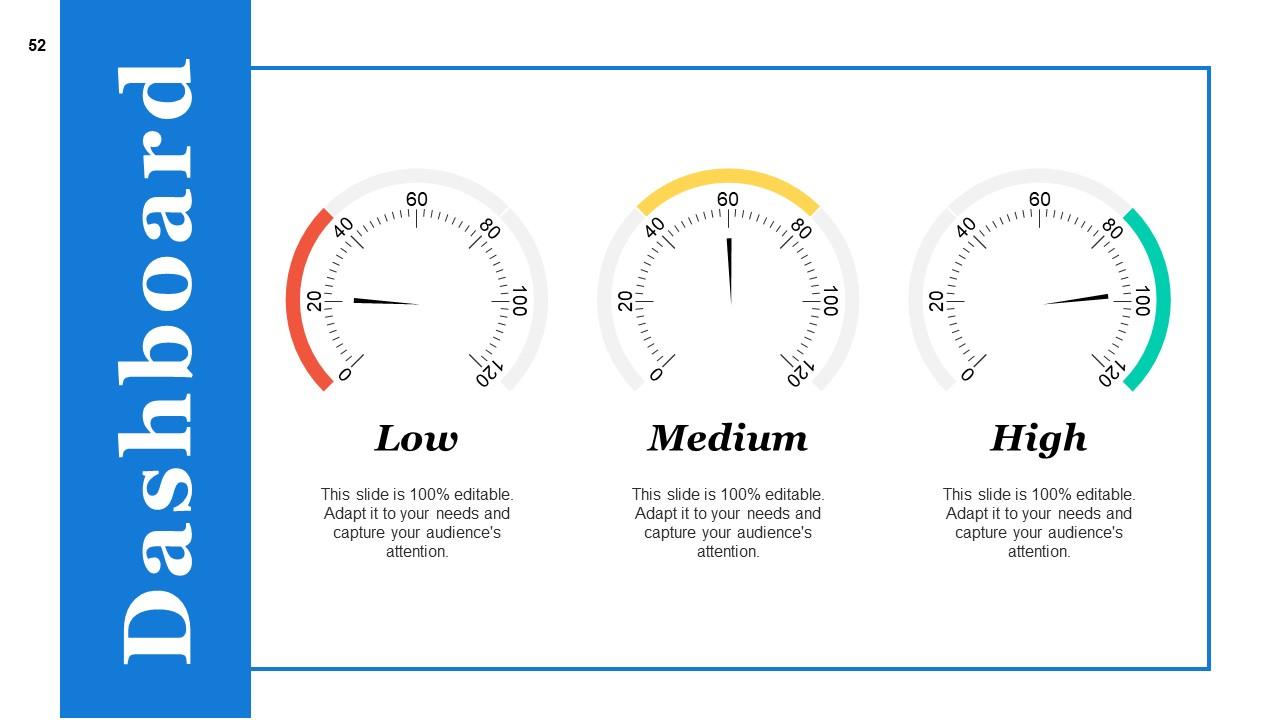
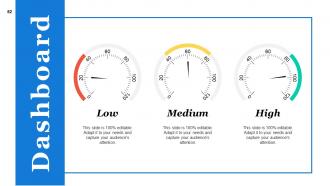
Slide 52: This is a Dashboard slide displaying- Revenue, Purchase Value, Units Sold.
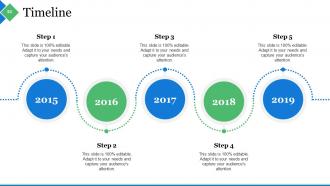
Slide 53: This slide shows Project Events Timeline with icons and text boxes.
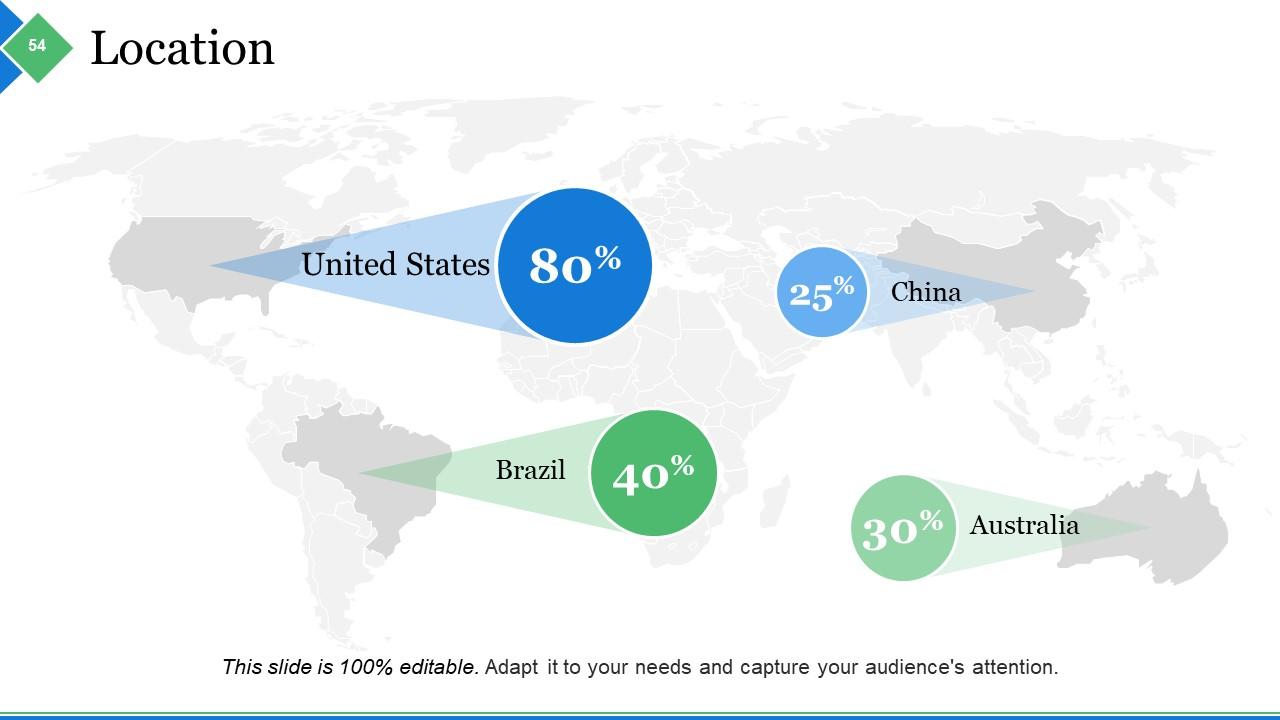
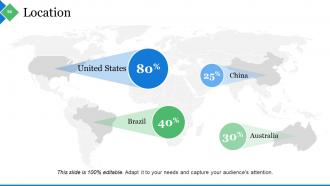
Slide 54: This is a Location slide of World map to show global presence, growth etc.
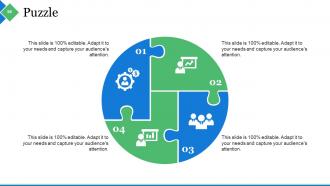
Slide 55: This is a Puzzle image slide to show information, specification etc.
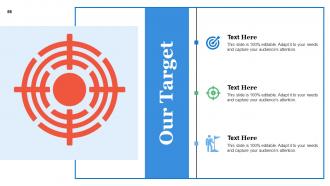
Slide 56: This slide displays Our Target with a background image.
Slide 57: This is a Circular image slide to show information, specifications etc.
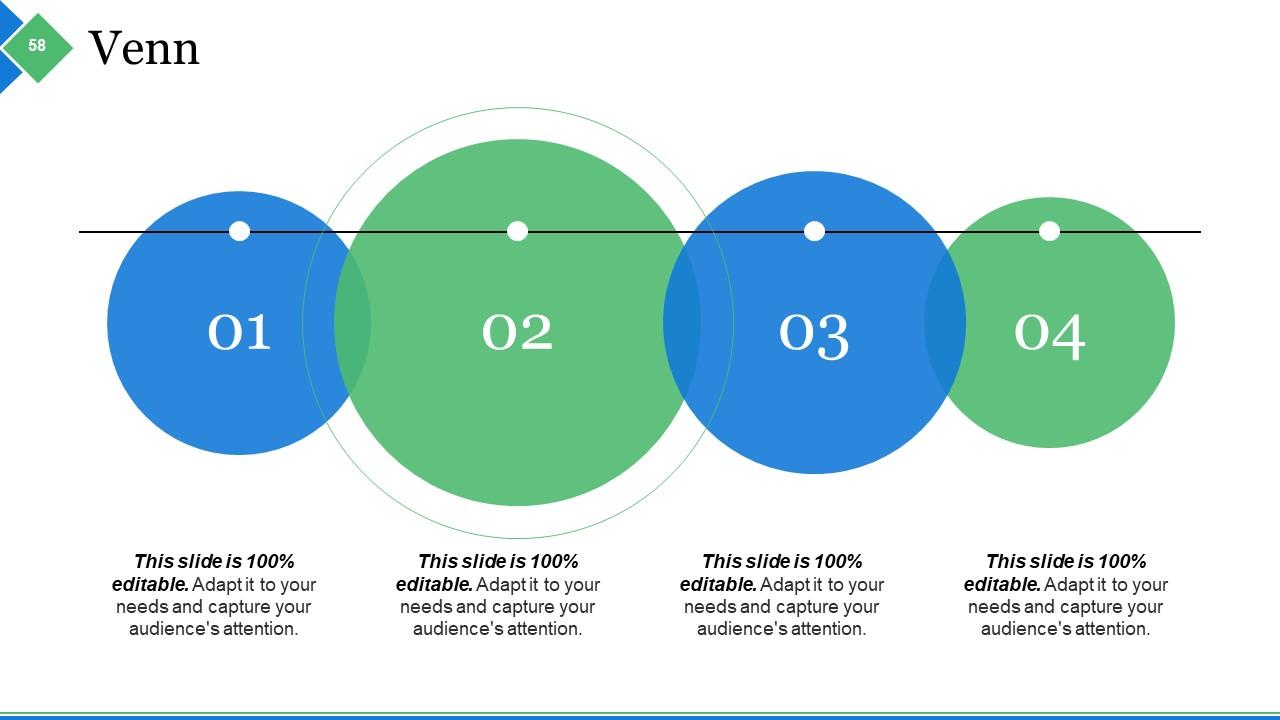
Slide 58: This is a Venn diagram image slide to show information, specifications etc.
Slide 59: This is a Silhouettes image slide with the subheadings.
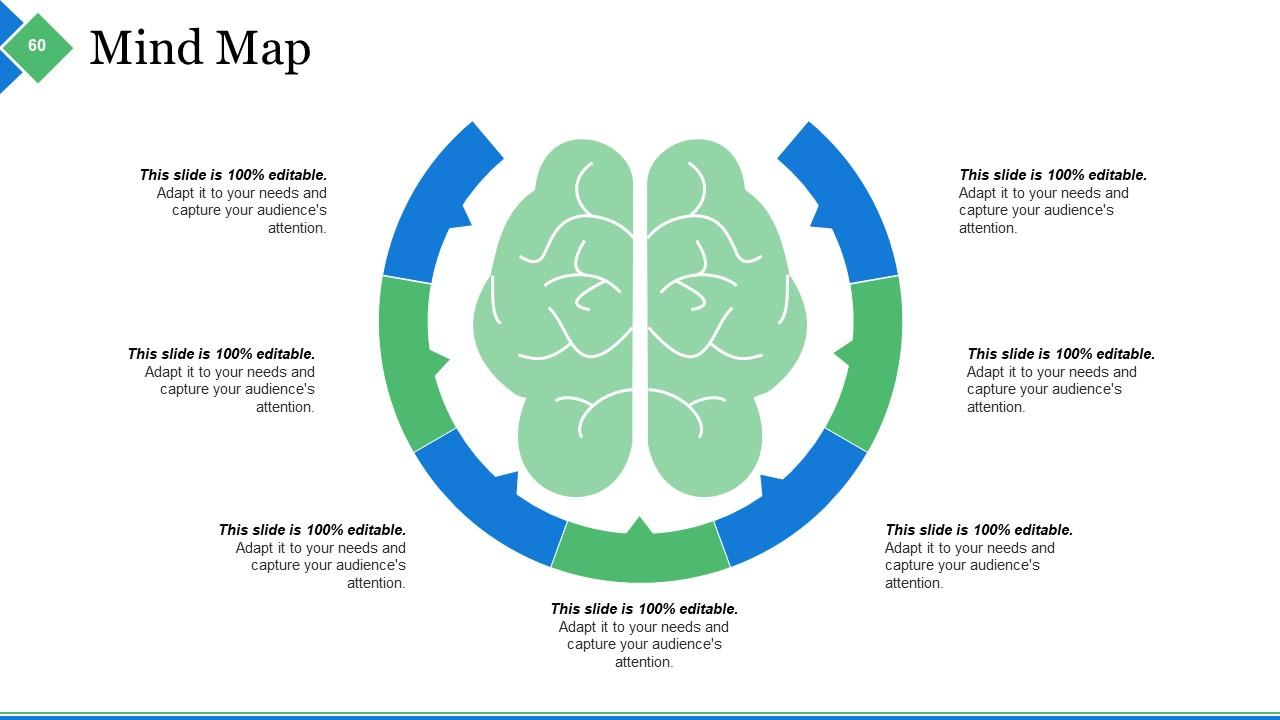
Slide 60: This slide shows a Mind map for representing entities
Slide 61: This slide displays a Bulb or idea image.
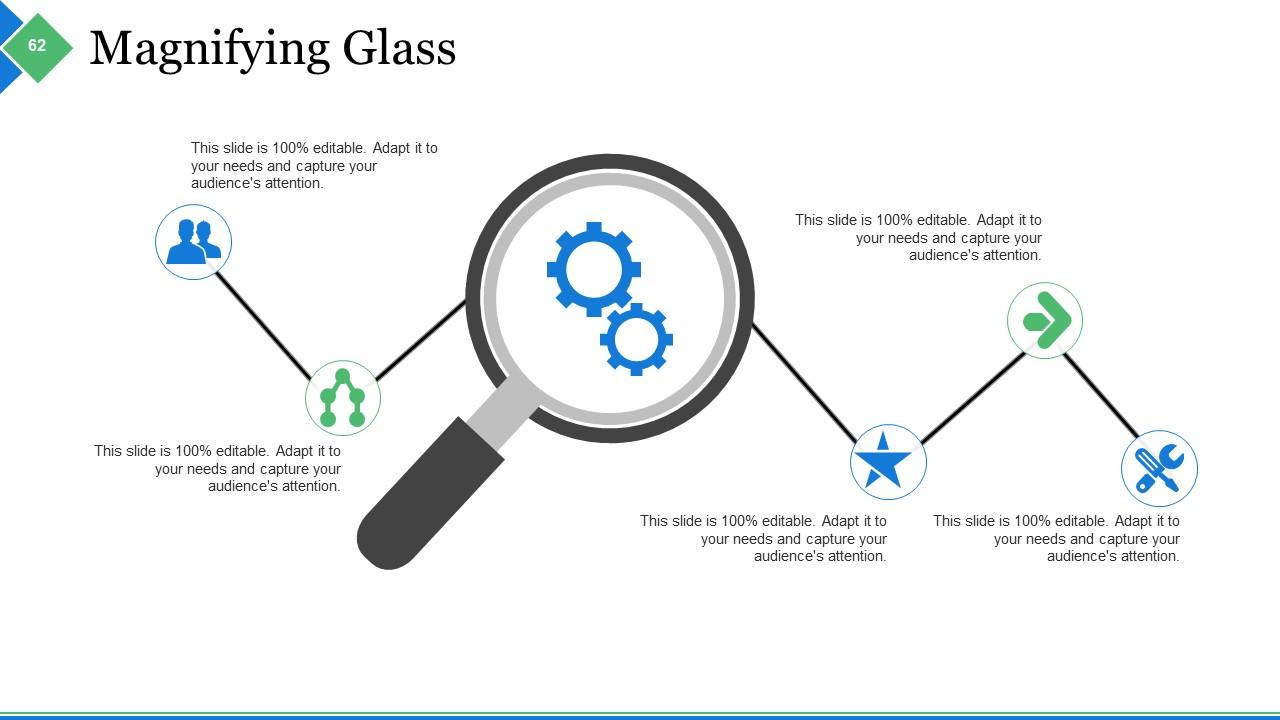
Slide 62: This slide displays a Magnifying Glass with icon imagery.
Slide 63: This is a Thank You slide with Address# street number, city, state, Contact Numbers, Email Address.
Sample ppt on business plan powerpoint presentation slides with all 63 slides:
Explain how to absorb the impact of accidents with our Sample Ppt On Business Plan Powerpoint Presentation Slides. Elaborate on the advantages of insurance.
-
Excellent products for quick understanding.
-
Use of icon with content is very relateable, informative and appealing.
