


Start up fundraising powerpoint presentation slides





Try Before you Buy Download Free Sample Product
 Impress Your
 Audience
 100%
100% Editable
 Save Hours
 of Time


Turn bland business presentation stunning through the visual appeal of our Start Up Fundraising PowerPoint Presentation Slides. Create a fitting impression on potential investors as you deliver your elevator pitch using our venture capital PPT theme. Take advantage of the thoroughly researched PowerPoint template to entice stakeholders. Present a crisp team intro, and elucidate the business problem and solution with this professionally created equity financing PPT slideshow. Illustrate your business model by incorporating strong design elements of our seed funding PowerPoint presentation. Content-driven diagrams of this equity crowdfunding PPT template capture the essence of revenue and expense model. Our private equity funding PowerPoint complete deck helps you to frame growth and marketing strategy concisely to stir the interest of your angel investor. Acknowledge the competitive landscape to demonstrate how your product fits by the means of this VC financing PPT template. Tap into quality professional tone by downloading our startup fundraising PowerPoint slides deck.
People who downloaded this PowerPoint presentation also viewed the following :
Content of this Powerpoint Presentation
Slide 1: This slide introduces Start Up Fundraising. State your Company name and begin.
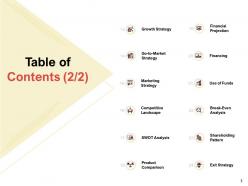
Slide 2: This slide displays the Table of Contents of the presentation.
Slide 3: This slide displays Table of Contents.
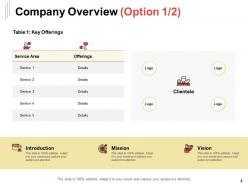
Slide 4: This slide shows Company Overview.
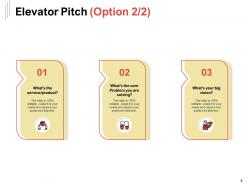
Slide 5: This slide shows Elevator Pitch.
Slide 6: This is Our Team slide with names and designations.
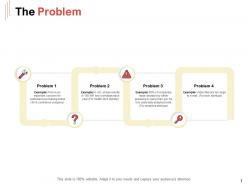
Slide 7: This slide depicts The Problem with examples.
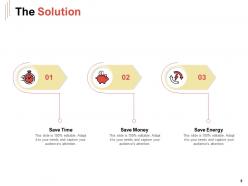
Slide 8: This slide showcases The Solution.
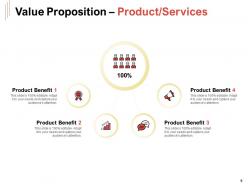
Slide 9: This slide represents Value Proposition – Product/Services.
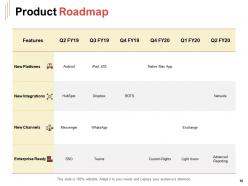
Slide 10: This slide displays Product Roadmap.
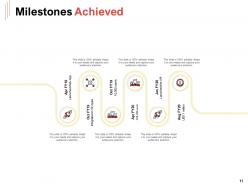
Slide 11: This slide displays the Milestones Achieved.
Slide 12: This slide depicts the Traction with- Soft Traction, Hard Traction.
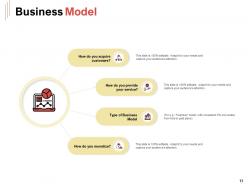
Slide 13: This slide represents the Business Model.
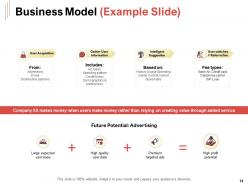
Slide 14: This slide shows Business Model with Examples.
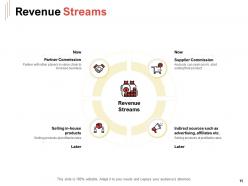
Slide 15: This slide shows Revenue Streams.
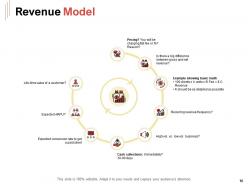
Slide 16: This slide showcases Revenue Model.
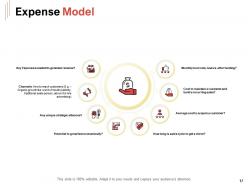
Slide 17: This slide depicts Expense Model.
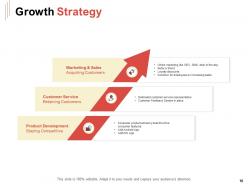
Slide 18: This slide depicts the Growth Strategy.
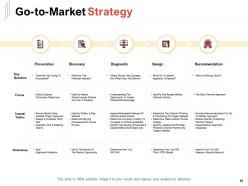
Slide 19: This slide shows Go-to-Market Strategy.
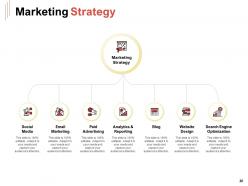
Slide 20: This slide displays Marketing Strategy containing- Social Media, Email Marketing, Paid Advertising, Analytics & Reporting, Blog, Website Design, Search Engine Optimization.
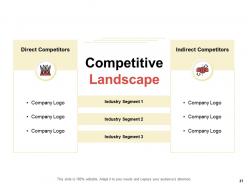
Slide 21: This slide depicts Competitive Landscape with Direct Competitors and Indirect Competitors.
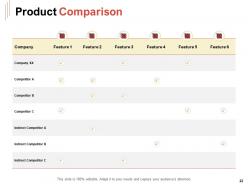
Slide 22: This slide showcases Product Comparison.
Slide 23: This slide shows SWOT Analysis.
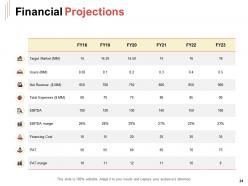
Slide 24: This slide depicts Financial Projections.
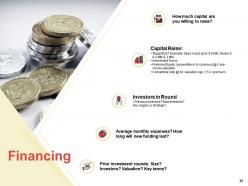
Slide 25: This slide depicts Financing with related details.
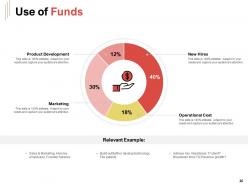
Slide 26: This slide shows Use of Funds.
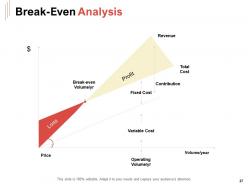
Slide 27: This slide presents Break-Even Analysis.
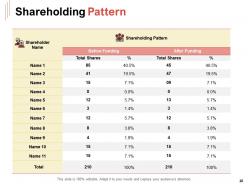
Slide 28: This slide shows Shareholding Pattern.
Slide 29: This slide represents Exit Strategy.
Slide 30: This slide represents Client Testimonials.
Slide 31: This slide contains Contact Details, Address and Email Id.
Slide 32: This is Start up Fundraising Icons Slide.
Slide 33: This slide showcases Charts & Graphs.
Slide 34: This slide displays Stacked Bar chart with product comparison.
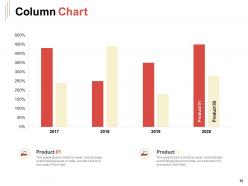
Slide 35: This slide displays Column Chart with product comparison.
Slide 36: This slide is titled as Additional Slides for moving forward.
Slide 37: This is Our Mission slide with Vision, Mission and Goal.
Slide 38: This is About Us slide to showcase Company specifications.
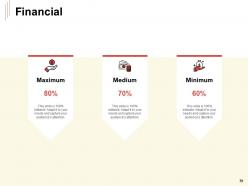
Slide 39: This is Financial slide. Showcase finance related stuff here.
Slide 40: This slide is titled as Post it Notes. Post your important notes here.
Slide 41: This is Thank You slide with Address, Email address and Contact number.
Start up fundraising powerpoint presentation slides with all 41 slides:
Our Start Up Fundraising Powerpoint Presentation Slides ensure focused attention. The audience will be fully engaged.















FAQs for Start up fundraising
Okay so your pitch deck needs the basics: problem, solution, market size, business model, traction, team, competition, financials, and funding ask. Don't bury the lead though - too many decks I've seen do this. Start with a problem that actually resonates with investors. Each slide should focus on one thing, visuals beat text walls every time. The whole thing needs to flow like a story from problem to opportunity. Oh and practice until you're not just reading off slides - honestly that's where most people mess up. Your deck supports what you're saying, it shouldn't be doing all the talking.
Honestly, most people mess this up by pitching anyone with money. Bad move. Check who funded your competitors first - that's your goldmine right there. AngelList and Crunchbase are obvious starting points, but warm intros from other founders beat cold emails every single time. I learned this the hard way lol. Make sure they're actually writing checks - look for investments in the past year or so. Seed investors won't care about your Series B pitch and vice versa. Build a list of maybe 25-30 targets, prioritize the warm connections, and actually research each one before reaching out.
Wait until you've got real traction - nobody wants to invest in just an idea. Target the right investors too, not literally everyone you can find. I've watched founders completely blow their entire network in one go, which is just painful to see. Fundraising takes forever btw, like 6+ months minimum. You'll probably overvalue your company (everyone does), so be realistic with projections. Oh and start chatting with investors way before you actually need cash. Build those relationships early when there's no pressure.
So valuations basically determine how much equity you're giving up - higher valuation = less ownership lost for the same cash. Research similar companies in your space and look at their revenue multiples if you've got revenue flowing. Growth potential and market size matter too, obviously. VCs will tear apart whatever number you pitch anyway, so don't stress too much about being perfect. I'd start with recent funding rounds from comparable startups, then add in what makes you special. Honestly though, finding investors who actually get your vision is way more valuable than squeezing out a few extra percentage points on valuation.
Bootstrap with your own cash if you've got it. Friends and family rounds are pretty common too. Government grants can be clutch, especially for tech stuff or anything with social impact. Crowdfunding's worth a shot - Kickstarter, Indiegogo, whatever. Revenue-based financing is having a moment where you basically pay back with future sales percentages. Angel investors are way less stressful than VCs in my experience. Oh, and don't forget business competitions - some of those prize pools are actually insane. I'd probably start by figuring out what makes sense for your specific situation first.
Dude, stories are what make investors actually remember you. Don't just throw numbers at them - show the real problem you're fixing and why people care. I swear, half the founders I know jump straight into features and completely miss this. Walk them through how you discovered the problem, then your solution, with actual customer examples. Like, real people whose day you made better. Complex stuff sticks way better when it's wrapped in a story, plus it builds trust. Oh and start with the customer's pain, not your cool tech specs - that's where the magic happens.
Look, investors get pitched by tons of founders who clearly haven't done their homework - and it shows. You need market research to prove you're not just making stuff up about demand and market size. It's honestly one of the fastest ways to lose credibility. Good research shows you understand your competitors and actual customer problems. Plus you can back up your claims with real data instead of just hopes and dreams. Here's what works: drop 2-3 solid market insights right in your deck that directly explain why your solution beats everyone else's. Makes a huge difference.
Dude, biggest mistake founders make? Waiting until they're broke to start networking. You should be building those relationships 6-12 months before you actually need the money. After meetings that go nowhere, keep sending updates anyway - monthly works. Share your wins AND your failures, honestly. Investors can smell BS from miles away. Here's the thing though - actually listen when they give feedback and bring it up next time you chat. Like "hey, remember when you mentioned X last month?" Shows you're not just pitching everyone the same generic stuff.
Dude, forget cold emails - they're basically useless. Your network is gold. Make a list of everyone: old coworkers, that random founder you grabbed coffee with, customers, mentors. Don't ask them for money directly though, that's weird. Ask for intros to investors instead. Way smoother. Also, these people can become advisors or give you references, which VCs love. Oh and here's the thing - you can't just hit people up when you need cash. Build real relationships first, then when fundraising time comes, you'll actually have people who want to help.
Dude, skip the vanity stuff like total signups - nobody cares anymore. Revenue growth is a given, but also watch user engagement and how much it costs to get customers. Retention rates are huge too since investors want proof you're not just bleeding users. Monthly active users matter, plus conversion from free trial to paid. Customer lifetime value is solid gold. Here's the thing though - don't track everything. Pick maybe 4 metrics max that actually tell your story and obsess over those. Just make sure you can explain why each one matters for YOUR specific business, not some generic startup playbook answer.
Dude, you've gotta prep for the brutal questions they'll throw at you. Know your weak spots inside out - team holes, sketchy financials, whatever keeps you up at night. Don't dance around tough stuff because honestly? These investors have heard every BS excuse already. Just own the problems and walk them through your game plan. Get some founder friends to grill you mercilessly during practice sessions. Oh, and memorize your key numbers - like actually memorize them, not just ballpark figures. Back up your assumptions with real data, not just "we think the market will love us" fluff.
Honestly, crowdfunding can be solid for testing if people actually want your thing. You'll keep more equity too, which is nice. But dude, the campaign will eat your life - I'm talking months of non-stop marketing hustle. If it tanks publicly, that stings. Also, getting follow-up money later isn't guaranteed, and the compliance stuff gets messy depending on the platform. My advice? Start building your audience like 6 months before you even think about launching. Don't just wing it.
Dude, just tell them a story that actually matters. Start with the problem - make it real, something they can picture happening to them or someone they know. Your solution comes next, but honestly? Skip all the tech buzzwords that make you sound like every other founder. Show them proof people are buying/using your thing already. That's what they really care about. Paint the big picture of where this goes when you scale up. The timing piece is huge too - why this moment makes sense. Oh and practice saying it like you're just chatting, not presenting to your MBA class. Two minutes max or you'll lose them.
Get your cap table sorted first - that's the foundation for everything else. Securities compliance is trickier than you'd think, even for small raises. Document your equity splits properly because the paperwork gets messy fast. Board seats, liquidation preferences, anti-dilution stuff - investors will definitely push for these. Oh and if you're raising across state lines, there's extra compliance headaches. Honestly just get a startup lawyer now. I've seen too many founders try to DIY this and then spend 3x more fixing their mistakes later.
Market conditions completely change the fundraising game. Bull markets? You can raise big rounds with decent valuations even without perfect traction - investors are basically in FOMO mode. When markets get tight though, everything flips. You'll need solid proof of product-market fit, longer runway plans, and way more realistic valuations. VCs suddenly care about boring stuff like actual revenue growth and how you'll hit profitability. Your pitch can't be some wild moonshot anymore - it needs to feel like a safe, smart bet. Honestly, timing matters more than founders want to admit. Adjust your whole approach based on whether investors are feeling optimistic or scared.
No Reviews