


Modelos de apresentação de negócios com setas lineares, modelo de processo de marketing, slides de apresentação gratuitos.

You must be logged in to download this presentation.




Try Before you Buy Download Free Sample Product
 Impress Your
 Audience
 100%
100% Editable
 Save Hours
 of Time


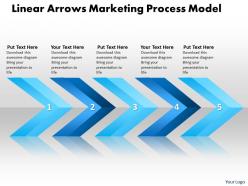
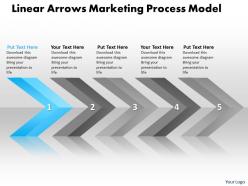
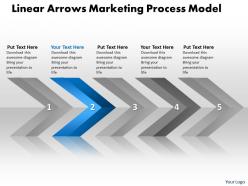
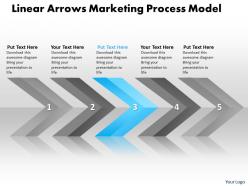
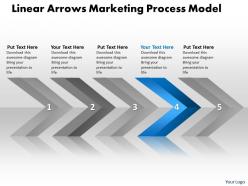
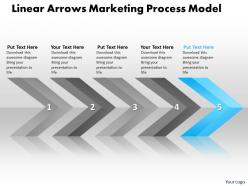
Apresenta o modelo de processo de marketing de setas lineares baseado em vendas. Este slide de negócios em forma de seta é ideal para fornecer uma descrição passo a passo. A apresentação de diagrama linear do PowerPoint é altamente ilustrativa e útil no modelo de processo de marketing. Nosso mapa rodoviário é útil para fornecer uma apresentação de fluxograma, que o ajudará a gerar leads. O uso de ícones de setas gráficas dá-lhe um toque criativo, que desenvolve a visão antes da formação de estratégias. O deck de setas horizontais pode ser muito útil para apontar para determinados elementos. Este conceito de símbolo de seta linear trará sua apresentação de slides à vida. Esta apresentação de setas o ajudará a aumentar seus lucros e a atingir todas as metas estabelecidas. Então, para chamar toda a atenção e apresentar seu trabalho de uma maneira mais criativa, baixe o modelo para descrever qualquer processo de negócios. Crie um frenesi com nossos Modelos de PowerPoint de Negócios Setas Lineares Modelo de Processo de Marketing Slides de Vendas PPT. Eles alimentarão o entusiasmo de sua equipe.
People who downloaded this PowerPoint presentation also viewed the following :
Modelos de apresentação de negócios com setas lineares, modelo de processo de marketing, slides de PowerPoint gratuitos com todas as 10 slides.
Abra sua próxima apresentação com um design vencedor. Coletamos milhares de modelos de apresentação do PowerPoint de negócios com setas lineares, modelo de processo de marketing e slides de apresentação de vendas para mantê-lo com ótima aparência do início ao fim.
FAQs for Business powerpoint templates linear arrows marketing process model sales
So there's basically 5 steps to marketing that actually make sense: figure out what your customers want, create a strategy around that, build your marketing program, focus on relationships (not just sales), then capture the value back as profit. It flows pretty logically when you think about it. Research first, then strategy, execution, relationships, profit. You can't really jump around or you'll miss stuff. I'd honestly just look at what you're doing now and see which step you're weakest at - that's usually where the problem is. Most people skip the research part and wonder why nothing works lol.
Look, market research is basically your roadmap to not screwing up. It tells you what customers actually want instead of what you're guessing they want. Use it upfront to figure out your target audience and positioning, then keep using it to test your messaging. I swear, half the failed campaigns I've seen happened because teams just winged it with their gut instincts. The data helps you pick the right channels and gives you something concrete to measure against. Oh, and make collecting this stuff a regular thing - not something you remember last minute.
Honestly, segmentation is a game-changer because you stop wasting time trying to please everyone. Pick 2-3 groups based on demographics or how they actually behave with your product. Then customize your messaging for each one - different pricing, features, whatever makes sense. Way better than sending the same boring stuff to your entire list and hoping something sticks. It's kinda like... you wouldn't use the same pickup line on everyone at a bar, right? Focus your budget on people who actually give a damn about what you're selling instead of spraying and praying.
Look, consumer behavior analysis is what separates successful campaigns from total flops. You're basically playing detective with shopping habits - figuring out who buys what and why they actually commit to purchasing. Use this data to segment audiences and craft messages that hit different. Honestly, most brands skip this step and wonder why their ads fall flat. Map out customer motivations and pain points first. Then identify which channels work best for reaching people when they're ready to spend. Without understanding the decision-making process, you're just guessing and hoping something sticks.
Honestly, positioning isn't something you do once and forget about. You've gotta thread it through everything - research, strategy, targeting, messaging, all of it. I've watched teams nail their positioning statement then completely ignore it when they're actually running campaigns. Such a waste! Your positioning should be like your marketing compass, keeping every single touchpoint consistent. Short version: figure out your position early, then beat it to death across every channel and campaign you touch. The repetition is what makes it stick.
Okay so you definitely need both the quick wins and long-term stuff. Conversion rates, cost per acquisition, return on ad spend - that's your core trio right there. Click-through rates and engagement show if people actually care about your content. Brand awareness and customer lifetime value matter too but take forever to show up (which is honestly annoying when you need results fast). Really depends what you're after though - brand building or straight sales? I'd stick to maybe 3-5 metrics max that actually match your goals. Otherwise you'll just get overwhelmed by all the numbers.
So the 4Ps are basically what you do after all the strategic stuff is figured out. First you research your market, figure out who you're targeting, position your brand - that's the brainy part. The 4Ps are where you actually execute: Product, Price, Place, Promotion. It's like planning a party versus actually buying the food and sending invites, you know? The whole thing falls apart if your 4Ps don't match what your target audience actually wants. Otherwise you're just throwing random tactics around hoping something sticks - which honestly happens way too often.
Honestly, most people mess up by skipping research and just diving into random tactics. That's like... why would you do that to yourself? Don't try targeting everyone either - you'll just end up saying nothing to nobody. I see teams set super vague goals too, like "get more brand awareness." Cool, but what does that actually mean? You gotta track what's working and what isn't. Otherwise you're just guessing the whole time. Pick one specific goal first and figure out how to get there. Way less overwhelming that way.
Look, the old-school quarterly campaign thing is dead. Social media moves too fast for that "plan for months then cross your fingers" approach. Companies are scrambling to keep up with real-time optimization because audiences get hit with content constantly now. Honestly, it's kind of exhausting but whatever. You need weekly check-ins instead of monthly ones, plus your team has to be ready to completely switch directions mid-campaign when the data shows something isn't working. Continuous testing and faster feedback loops aren't optional anymore - they're survival tactics in this digital mess.
So I'd start with a solid CRM like HubSpot or Salesforce to track your whole funnel. Google Analytics is obvious for web stuff, plus whatever social dashboards you're already using. Honestly, marketing automation tools like Marketo or Mailchimp will be your best friend for lead nurturing - they handle so much of the tedious follow-up work. Project management wise, Asana or Monday keep campaigns from turning into chaos. Oh, and CoSchedule's pretty solid for content calendars if you're planning ahead. Don't try to implement everything at once though - pick one main platform that plays nice with what you've got, then add pieces as needed.
Honestly, your brand strategy is like the foundation for everything else you do marketing-wise. It decides if you're going high-end or budget, which completely flips your messaging and who you target. Think of it as this filter that all your marketing decisions have to pass through - sounds cheesy but it's true. Strong branding keeps you consistent across campaigns and helps you actually connect with people on an emotional level instead of just throwing stuff at the wall. My advice? Figure out your brand positioning first, then use that as your north star for everything else.
Honestly, customer feedback should be everywhere in your marketing process. Use it upfront during research to figure out what people actually want. Then let it guide your messaging and who you're targeting. The best part is setting up those feedback loops - surveys, social listening, review monitoring. That stuff is gold for tweaking your positioning and making real-time adjustments. I learned this the hard way, but don't just collect feedback and then ignore it! Schedule regular review sessions so you're constantly improving. Your campaigns will thank you later.
Honestly, you gotta make sure your marketing stuff actually helps the company hit its real goals. Otherwise you'll just waste time on campaigns that look pretty but don't do anything. When your work directly supports revenue growth or whatever the big priorities are, suddenly everyone cares about your budget requests. Makes measuring success way easier too - you're tracking numbers the executives actually give a damn about. I've watched marketing teams get completely ignored because their goals seemed random compared to what the business needed. Quick fix: find out your company's top 3 priorities this quarter and build everything around those. Trust me on this one.
Honestly, competition changes everything about how you market. Your customer research, pricing, positioning - all of it has to adapt constantly. When competitors drop their prices or roll out cool new features, you're scrambling to rework your whole value prop. Plus your ads need to be way louder to break through all the noise (which is exhausting, btw). Sometimes you'll even need to find totally new ways to reach customers if competitors are crushing it in your usual channels. I'd say audit what they're doing monthly and keep your marketing flexible enough to pivot fast.
Honestly, you've gotta tear down those silos first - they're the worst. Get everyone in weekly cross-functional standups so marketing, sales, and product can actually talk to each other. Tools like Asana help too since people can see what's actually happening instead of guessing. I love doing collaborative workshops where teams brainstorm together (even if it's just over Zoom). Oh, and shared campaign briefs are a lifesaver - everyone can jump in and update stuff as needed. Start small with one weekly meeting. Trust me, it makes a huge difference once people get used to it.
-
Attractive design and informative presentation.
-
Topic best represented with attractive design.
-
Very informative slides with amazingly designed ppt slides
-
Very easy to use. Very professional looking. worked perfect for me!