


Clinical Research Trial Stages Powerpoint Presentation Slides




Try Before you Buy Download Free Sample Product
 Impress Your
 Audience
 100%
100% Editable
 Save Hours
 of Time


Clinical trial phases involve various steps that are followed to ensure the safety and efficacy of the newly developed drug by testing it on targeted individuals in a controlled environment. Check out our efficiently designed Clinical Research Trial Stages PowerPoint template. In this presentation, we have covered the process flow of clinical trial phases along with significant milestones. It also includes primary and secondary goals, number and type of patients, dosage details, and outcomes of each corresponding phase of the clinical trial. This PPT also covers graphs through which the success rate of the trial and the cost involved in each phase can be visually represented. Build a powerful template like this for yourself and book a free demo with our research team now.
People who downloaded this PowerPoint presentation also viewed the following :
Content of this Powerpoint Presentation
Slide 1: This slide introduces Clinical Research Trial Stages. State your company name and begin.
Slide 2: This slide shows the various steps involved in the clinical trial process.
Slide 3: This slide indicates the key steps involved in the clinical drug investigation process.
Slide 4: This slide highlights the process flow of clinical study for the new drug investigation.
Slide 5: This slide presents Multiple Phases of Clinical Trial with Outcomes.
Slide 6: This slide covers the clinical research trial steps for the successful investigation and launch of the new drug.
Slide 7: This slide presents Clinical Trial Phases with Review and Approval Process.
Slide 8: This slide displays Clinical Trials Phases with Discovery Science.
Slide 9: This slide depicts the research process for new drug development.
Slide 10: This slide shows the multiple steps of the clinical trial process with the results of each phase.
Slide 11: This slide presents Clinical Trial Phases Funnel with Drug Compounds.
Slide 12: This slide displays Clinical Trial Phases with Participants Required.
Slide 13: This slide represents Clinical Trial Phases with Primary and Secondary Goals.
Slide 14: This slide showcases Clinical Trial Phases with Primary Researcher and Subject Type.
Slide 15: This slide shows Clinical Trial Phases with Data Focus and Design Features.
Slide 16: This slide presents Clinical Trial Phases with Number of Participating Institutions.
Slide 17: This slide displays Clinical Trial Phases with Communication and Budget.
Slide 18: This slide covers the detailed description of the multiple stages of the clinical research process.
Slide 19: This slide represents Clinical Trial Phases with Goals and Patients Number.
Slide 20: This slide showcases Clinical Trial Phases Chart with Duration and Sample Size.
Slide 21: This slide shows Clinical Trial Phases with Endpoints and Timings.
Slide 22: This slide presents Clinical Trial Phases with Cost of Enrolling Patients.
Slide 23: This slide displays Multistage Clinical Trial Phases with Cost Involved.
Slide 24: This slide represents Clinical Trial Phases Timeline with NDA Review.
Slide 25: This slide illustrates the multiple steps involved in the clinical research trial.
Slide 26: This slide showcases Clinical Trial Phases with Capitalized Cost and Probability of Attrition.
Slide 27: This slide shows Clinical Trial Phases with Development and Product Surveillance.
Slide 28: This slide presents Clinical Trial Phases Results with Success Percentage.
Slide 29: This slide displays Graph Indicating Clinical Trial Phases Probability of Success.
Slide 30: This slide represents Graph Highlighting Cost Involved in Multiple Clinical Trial Phases.
Slide 31: This slide showcases Flowchart for Clinical Trial Phases with Decision Points.
Slide 32: This slide shows Specialist Giving Medicine Dose in Clinical Trial Phases.
Slide 33: This slide presents Researcher Working on New Drug Compound in Clinical Trial Phases.
Slide 34: This slide displays Medicine Compounds in Multiple Phases of Clinical Trial.
Slide 35: This slide represents Clinical Trial Phases Conduced by Technician in Laboratory.
Slide 36: This slide showcases Drug Specialist Working with Microscope in Clinical Trial Phases.
Slide 37: This slide shows Clinical Trial Phases Performed by Pharmacist.
Slide 38: This slide presents Clinical Trial Phases Depicted Via DNA and Patients.
Slide 39: This slide displays Phase Endpoint Report of New Drug in Clinical Trial.
Slide 40: This slide represents Medical Reports with Injection for Clinical Trial Phases.
Slide 41: This slide showcases Microscope with Medical Solution in Clinical Trial Phases.
Slide 42: This slide shows Clinical Trial Phases Poster with Medicines and Health Monitor.
Slide 43: This slide contains all the icons used in this presentation.
Slide 44: This slide is titled as Additional Slides for moving forward.
Slide 45: This is a Timeline slide. Show data related to time intervals here.
Slide 46: This slide provides 30 60 90 Days Plan with text boxes.
Slide 47: This slide shows Post It Notes. Post your important notes here.
Slide 48: This slide depicts Venn diagram with text boxes.
Slide 49: This slide showcases Magnifying Glass to highlight information, specifications etc
Slide 50: This slide displays Mind Map with related imagery.
Slide 51: This is a Financial slide. Show your finance related stuff here.
Slide 52: This slide contains Puzzle with related icons and text.
Slide 53: This is a Thank You slide with address, contact numbers and email address.
Clinical Research Trial Stages Powerpoint Presentation Slides with all 58 slides:
Use our Clinical Research Trial Stages Powerpoint Presentation Slides to effectively help you save your valuable time. They are readymade to fit into any presentation structure.
-

Clinical Research Trial Stages
-
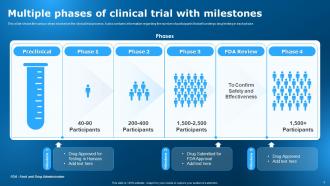
Multiple phases of clinical trial with milestones
-
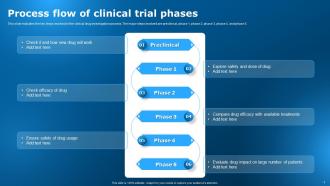
Process flow of clinical trial phases
-
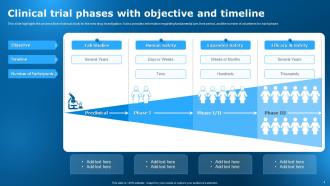
Clinical trial phases with objective and timeline
-
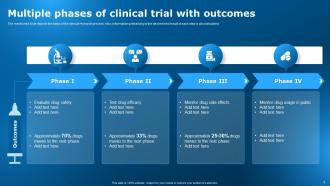
Multiple phases of clinical trial with outcomes
-
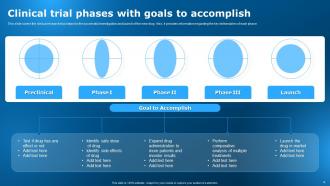
Clinical trial phases with goals to accomplish
-

Clinical trial phases with review and approval process
-

Clinical trials phases with discovery science
-

Clinical trial phases pyramid with participants type
-
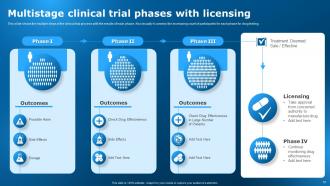
Multistage clinical trial phases with licensing
-
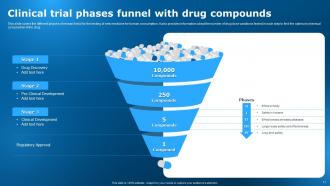
Clinical trial phases funnel with drug compounds
-
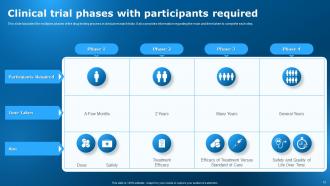
Clinical trial phases with participants required
-
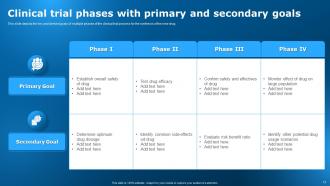
Clinical trial phases with primary and secondary goals
-
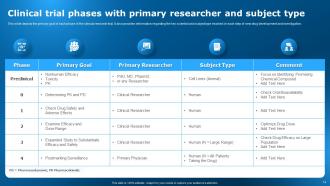
Clinical trial phases with primary researcher and subject type
-
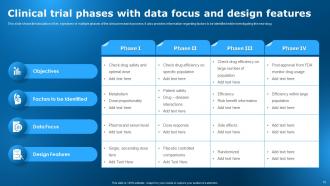
Clinical trial phases with data focus and design features
-
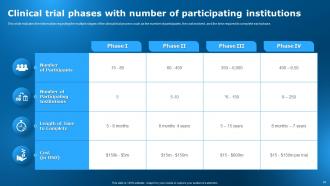
Clinical trial phases with number of participating institutions
-
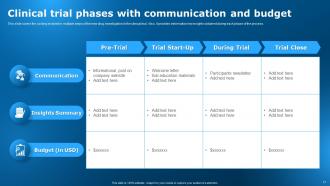
Clinical trial phases with communication and budget
-
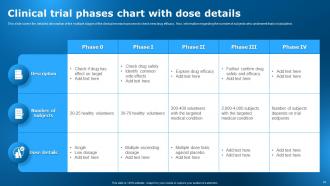
Clinical trial phases chart with dose details
-
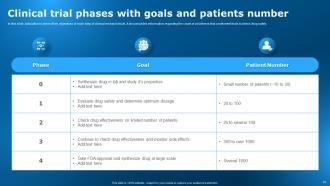
Clinical trial phases with goals and patients number
-

Clinical trial phases chart with duration and sample size
-
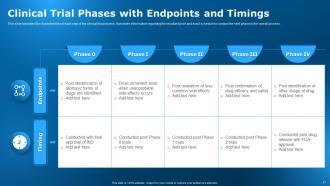
Clinical Trial Phases with Endpoints and Timings
-
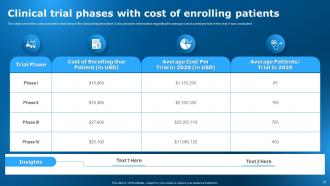
Clinical trial phases with cost of enrolling patients
-
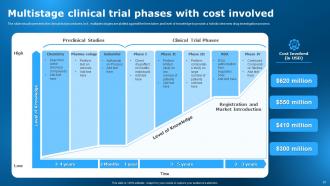
Multistage clinical trial phases with cost involved
-

Clinical trial phases timeline with NDA review
-
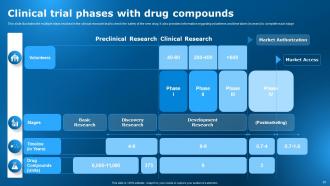
Clinical trial phases with drug compounds
-
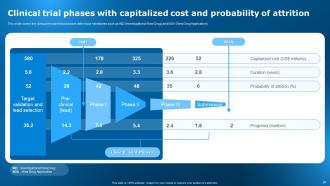
Clinical trial phases with capitalized cost and probability of attrition
-

Clinical trial phases with development and product surveillance
-
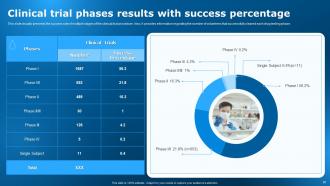
Clinical trial phases results with success percentage
-
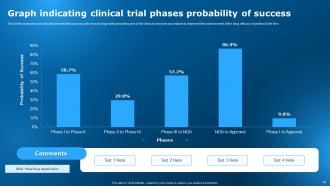
Graph indicating clinical trial phases probability of success
-
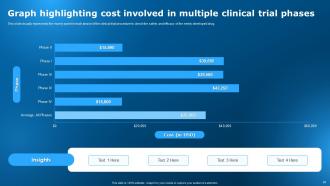
Graph highlighting cost involved in multiple clinical trial phases
-

Flowchart for clinical trial phases with decision points
-
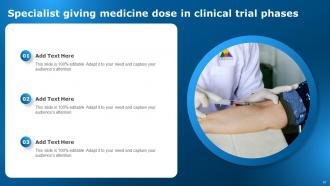
Specialist giving medicine dose in clinical trial phases
-
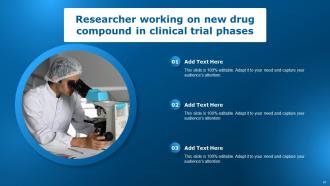
Researcher working on new drug compound in clinical trial phases
-
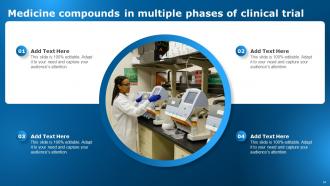
Medicine compounds in multiple phases of clinical trial
-
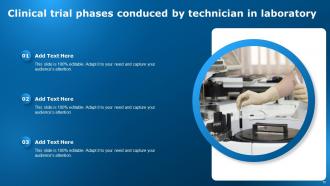
Clinical trial phases conducted by technician in laboratory
-

Drug specialist working with microscope in clinical trial phases
-
Clinical trial phases performed by pharmacist
-
Clinical trial phases depicted via DNA and patients
-
Phase endpoint report of new drug in clinical trial
-
Medical reports with injection for clinical trial phases
-

Microscope with medical solution in clinical trial phases
-
Clinical trial phases poster with medicines and health monitor
-
Icon slide for clinical research trial stages
-
Additional slides
-
Timeline
-

30 60 90 days plan
-
Post it notes
-
Venn
-
Magnifying glass
-

Mind map
-
Financial
-
Puzzle
-

Thank you
-

-

-

-

-

FAQs for Clinical Research Trial Stages
So clinical trials have four phases, each testing bigger groups. Phase I is all about safety - they're basically making sure it won't kill you, using maybe 20-100 people. Then Phase II actually tests if the thing works, usually 100-300 people with the condition. Phase III is where it gets serious - hundreds or thousands of participants, and they'll compare the new treatment to whatever's standard now. Honestly, this is usually the make-or-break phase. After FDA approval comes Phase IV, which tracks long-term effects in real patients. Definitely ask which phase any trial you're considering is in - it tells you tons about what they already know.
You'll need to run power calculations to figure out sample size - basically how many people you need to spot real differences without getting false results. Factor in effect size, power (usually 80-90%), and significance level. It's honestly part science, part guesswork since you're predicting outcomes. Don't forget dropout rates because people always bail mid-study. Budget and timeline will probably limit you anyway, so it's about finding that sweet spot between good science and reality. Get a biostatistician involved early - trust me, they'll save you from a useless underpowered mess.
Get your ethics approval first - that's the big one. IRB will want informed consent forms, risk-benefit stuff, all the participant protection paperwork. Fair warning: the review process drags on forever, so submit early. Don't cherry-pick your participant demographics either, that'll bite you later. Privacy protections are huge too, plus people need to drop out anytime without getting penalized. Honestly the whole ethics submission feels like drowning in paperwork, but they're pretty strict about vulnerable populations not getting exploited. Worth doing right though.
So IRBs are basically the ethics police for clinical trials. They review your study protocol before you can even think about starting - no exceptions. The whole thing exists because researchers did some pretty messed up stuff back in the day, honestly. They're super strict about informed consent and whether the risks are worth it. Plus they keep checking on you throughout the study too. My advice? Budget way more time than you think for their approval process. I've seen studies get delayed for months just because the IRB wanted changes to the consent forms. It's annoying but necessary.
Honestly, patient recruitment is such a pain. You'll pull from physician referrals, patient databases, ads, social media - whatever works. The real nightmare though? Actually hitting your enrollment numbers with people who fit your criteria. I swear everyone underestimates how long this takes. Then you're juggling retention issues, consent paperwork that's way too complicated, and competing with other trials for the same patients. Oh, and if you're dealing with rare conditions in specific locations? Good luck with that timeline. Start planning your recruitment strategy super early and triple whatever time you think you need.
So randomization basically stops you from accidentally (or not so accidentally) cherry-picking who gets what treatment. Computer-generated sequences do the heavy lifting for assigning participants. Simple randomization is just pure chance - like a coin flip but fancier. Block randomization keeps your group sizes even, which is pretty handy. Then there's stratified randomization that balances stuff like age or how sick people are. Oh, and document everything clearly because reviewers will definitely pick apart your methods section. Trust me on that one - they're ruthless about it.
So here's the deal with adverse event tracking - you've got 24-48 hours to report the serious stuff to sponsors, FDA, and IRBs. Document everything in your case report forms and figure out if it's actually related to your study or just random life stuff (honestly, that part can be tricky). Staff needs to know the difference between regular adverse events and serious ones because the timelines are completely different. Use CTCAE scales for severity grading. Your site should have SOPs laying out exactly who reports what and when. Safety databases need regular updates, plus monitoring boards review everything periodically. Missing those deadlines? Yeah, that'll get your site shut down real quick.
So there's a bunch of ways they keep trial data clean. Source data verification is huge - monitors literally compare your forms against the original medical records. Electronic systems catch errors as you enter them, which saves headaches later. Double data entry is boring as hell but works really well. Oh, and there are independent committees watching safety data the whole time. Regular database cleaning happens too - honestly the smart move is building all this stuff into your protocol upfront. Way easier than trying to untangle messy data after the fact.
Dude, trial design can totally make or break everything. Bad randomization or weak blinding? You'll get results nobody believes. I've watched good treatments tank because the methodology was messy. Your sample size has to be solid, plus control groups and how you measure outcomes. Small design flaws create bias that wrecks your whole study - honestly it's frustrating how often this happens. Get statisticians and regulatory people to review your protocol early. Way easier to fix problems now than deal with months of chaos later when you realize something's off.
So basically, observational trials are when you're just watching what happens - like tracking people who already take some medication and seeing how they do. You're not actually giving them anything new. Interventional trials are different because you're actively testing something on participants. Maybe it's a new drug or treatment protocol, whatever. Observational studies give you good real-world data but honestly can't prove cause and effect the way interventional ones can. When you're planning your study, just think: am I testing something new or watching existing stuff? That'll tell you which route to go.
Okay so data management gets way more complicated as you go through phases. Phase I is pretty chill - smaller datasets, basic safety stuff. But Phase III? You're dealing with thousands of people across tons of sites. EDC systems help but they get crazy sophisticated later on. Stats wise, early phases are mostly descriptive and safety monitoring. Later you need interim analyses, efficacy endpoints, all that regulatory stuff. The Phase II to III jump is brutal - that's when most people panic and call in biostatisticians. Seriously though, figure out your data strategy super early. I've seen people try to fix it mid-trial and it's a total disaster.
Honestly, the biggest issues are usually pretty practical stuff - people can't make all the appointments, travel's a pain, and the whole thing just takes forever. Side effects don't help either. Who wants to feel crappy while doing someone a favor, you know? Communication's huge too. Patients drop out when they feel lost or ignored by the research team. Try offering flexible scheduling and maybe some virtual visits. Transportation help is clutch if you can swing it. Keep them in the loop about how things are going - people like knowing their time mattered. But really, just treat them like actual humans instead of study subjects and you'll probably cut your dropout rate in half.
So Phase IV trials happen after FDA approval - they're watching for rare side effects that smaller pre-approval studies missed. Like, you won't catch a 1 in 10,000 reaction if you only tested 3,000 people, right? They also see how the drug works with different populations and other medications people are actually taking. Sometimes they accidentally discover new uses for the drug, which is kind of interesting. The data helps them update warning labels or even yank drugs off the market if something sketchy turns up. It's basically real-world testing at scale.
So regulatory approvals are basically checkpoints you can't skip - Phase I to II, II to III, all need FDA sign-off first. You submit your safety/efficacy data and then... wait. Sometimes for months, which is brutal for timelines. If they want more data or spot safety issues, you might have to tweak your protocol or even backtrack a phase (seen that happen way too often). The approval delays are honestly one of the biggest timeline killers people don't plan for. My advice? Factor these review periods into your schedule right from the start, don't just hope they'll be quick.
So adaptive trials are game-changers because you can actually tweak things as you go. Like if your dose is too weak, you don't have to wait 3 years to figure that out - you can adjust mid-study. Drop the crappy treatment arms, change sample sizes, whatever makes sense based on the data rolling in. Honestly way smarter than being stuck with your original plan no matter what. Patients spend less time on placebo, you get answers faster, and you're not burning through money on stuff that's clearly not working. My old PI was obsessed with these for good reason.
-
Extremely professional slides with attractive designs. I especially appreciate how easily they can be modified and come in different colors, shapes, and sizes!
-
Very well designed and informative templates.