

New Drug Development Process Powerpoint Presentation Slides





Try Before you Buy Download Free Sample Product
 Impress Your
 Audience
 100%
100% Editable
 Save Hours
 of Time


Clinical trial phases involve various steps that are followed to ensure the safety and efficacy of the newly developed drug by testing it on targeted individuals in a controlled environment. Check out our efficiently designed New Drug Development Process PowerPoint template. In this presentation, we have covered the process flow of clinical trial phases along with significant milestones. It also includes primary and secondary goals, number and type of patients, dosage details, and outcomes of each corresponding phase of the clinical trial. This PPT also covers graphs through which the success rate of the trial and the cost involved in each phase can be visually represented. Build a powerful template like this for yourself and book a free demo with our research team now.
People who downloaded this PowerPoint presentation also viewed the following :
Content of this Powerpoint Presentation
Slide 1: This slide introduces New Drug Development Process. State your company name and begin.
Slide 2: This slide shows the various steps involved in the clinical trial process.
Slide 3: This slide indicates the key steps involved in the clinical drug investigation process.
Slide 4: This slide highlights the process flow of clinical study for the new drug investigation.
Slide 5: This slide presents Multiple Phases of Clinical Trial with Outcomes.
Slide 6: This slide covers the clinical research trial steps for the successful investigation and launch of the new drug.
Slide 7: This slide presents Clinical Trial Phases with Review and Approval Process.
Slide 8: This slide displays Clinical Trials Phases with Discovery Science.
Slide 9: This slide depicts the research process for new drug development.
Slide 10: This slide shows the multiple steps of the clinical trial process with the results of each phase.
Slide 11: This slide presents Clinical Trial Phases Funnel with Drug Compounds.
Slide 12: This slide displays Clinical Trial Phases with Participants Required.
Slide 13: This slide represents Clinical Trial Phases with Primary and Secondary Goals.
Slide 14: This slide showcases Clinical Trial Phases with Primary Researcher and Subject Type.
Slide 15: This slide shows Clinical Trial Phases with Data Focus and Design Features.
Slide 16: This slide presents Clinical Trial Phases with Number of Participating Institutions.
Slide 17: This slide displays Clinical Trial Phases with Communication and Budget.
Slide 18: This slide covers the detailed description of the multiple stages of the clinical research process.
Slide 19: This slide represents Clinical Trial Phases with Goals and Patients Number.
Slide 20: This slide showcases Clinical Trial Phases Chart with Duration and Sample Size.
Slide 21: This slide shows Clinical Trial Phases with Endpoints and Timings.
Slide 22: This slide presents Clinical Trial Phases with Cost of Enrolling Patients.
Slide 23: This slide displays Multistage Clinical Trial Phases with Cost Involved.
Slide 24: This slide represents Clinical Trial Phases Timeline with NDA Review.
Slide 25: This slide illustrates the multiple steps involved in the clinical research trial.
Slide 26: This slide showcases Clinical Trial Phases with Capitalized Cost and Probability of Attrition.
Slide 27: This slide shows Clinical Trial Phases with Development and Product Surveillance.
Slide 28: This slide presents Clinical Trial Phases Results with Success Percentage.
Slide 29: This slide displays Graph Indicating Clinical Trial Phases Probability of Success.
Slide 30: This slide represents Graph Highlighting Cost Involved in Multiple Clinical Trial Phases.
Slide 31: This slide showcases Flowchart for Clinical Trial Phases with Decision Points.
Slide 32: This slide shows Specialist Giving Medicine Dose in Clinical Trial Phases.
Slide 33: This slide presents Researcher Working on New Drug Compound in Clinical Trial Phases.
Slide 34: This slide displays Medicine Compounds in Multiple Phases of Clinical Trial.
Slide 35: This slide represents Clinical Trial Phases Conduced by Technician in Laboratory.
Slide 36: This slide showcases Drug Specialist Working with Microscope in Clinical Trial Phases.
Slide 37: This slide shows Clinical Trial Phases Performed by Pharmacist.
Slide 38: This slide presents Clinical Trial Phases Depicted Via DNA and Patients.
Slide 39: This slide displays Phase Endpoint Report of New Drug in Clinical Trial.
Slide 40: This slide represents Medical Reports with Injection for Clinical Trial Phases.
Slide 41: This slide showcases Microscope with Medical Solution in Clinical Trial Phases.
Slide 42: This slide shows Clinical Trial Phases Poster with Medicines and Health Monitor.
Slide 43: This slide contains all the icons used in this presentation.
Slide 44: This slide is titled as Additional Slides for moving forward.
Slide 45: This slide depicts Venn diagram with text boxes.
Slide 46: This slide shows Post It Notes. Post your important notes here.
Slide 47: This is Our Target slide. State your targets here.
Slide 48: This is a Comparison slide to state comparison between commodities, entities etc.
Slide 49: This slide provides 30 60 90 Days Plan with text boxes.
Slide 50: This is a Thank You slide with address, contact numbers and email address.
New Drug Development Process Powerpoint Presentation Slides with all 55 slides:
Use our New Drug Development Process Powerpoint Presentation Slides to effectively help you save your valuable time. They are readymade to fit into any presentation structure.
-

New Drug Development Process
-
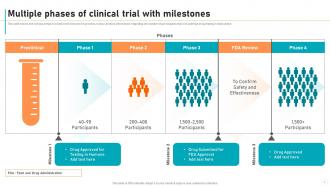
Multiple phases of clinical trial with milestones
-
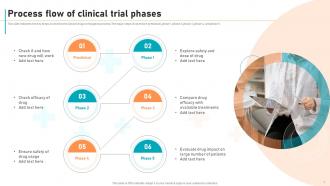
Process flow of clinical trial phases
-
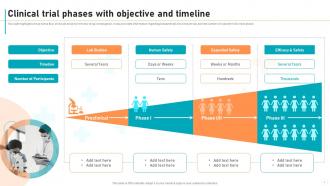
Clinical trial phases with objective and timeline
-
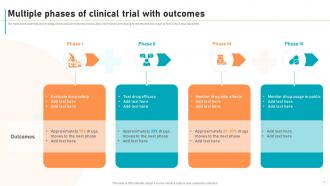
Multiple phases of clinical trial with outcomes
-
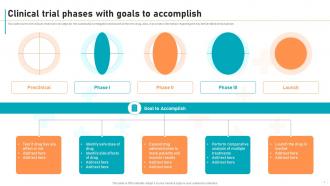
Clinical trial phases with goals to accomplish
-
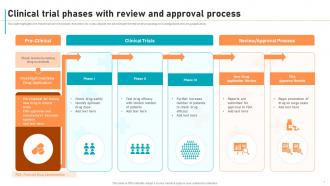
Clinical trial phases with review and approval process
-
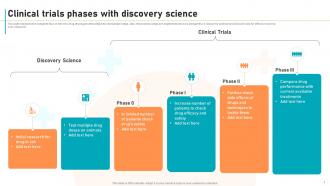
Clinical trials phases with discovery science
-
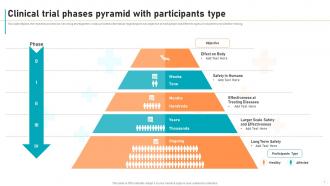
Clinical trial phases pyramid with participants type
-
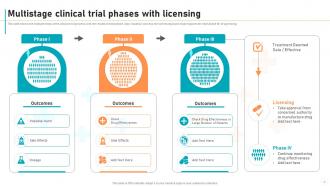
Multistage clinical trial phases with licensing
-
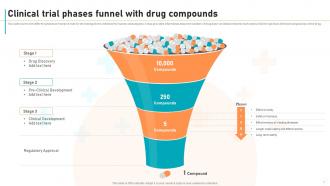
Clinical trial phases funnel with drug compounds
-
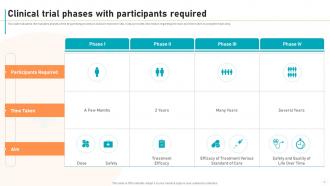
Clinical trial phases with participants required
-
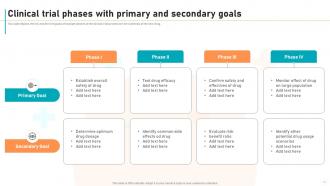
Clinical trial phases with primary and secondary goals
-
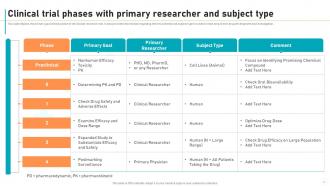
Clinical trial phases with primary researcher and subject type
-
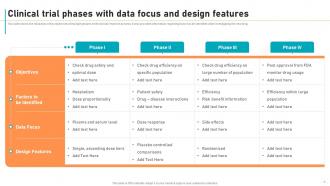
Clinical trial phases with data focus and design features
-
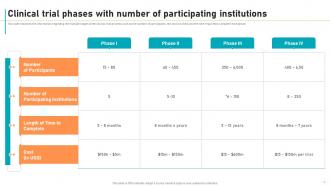
Clinical trial phases with number of participating institutions
-
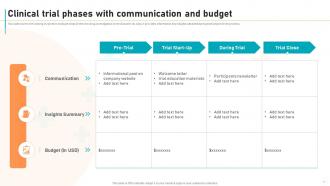
Clinical trial phases with communication and budget
-
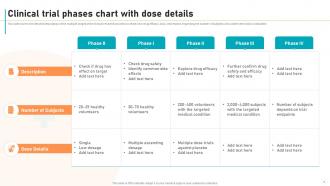
Clinical trial phases chart with dose details
-
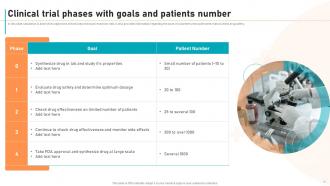
Clinical trial phases with goals and patients number
-
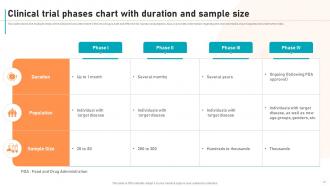
Clinical trial phases chart with duration and sample size
-
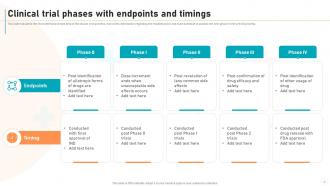
Clinical trial phases with endpoints and timings
-
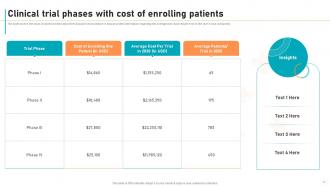
Clinical trial phases with cost of enrolling patients
-
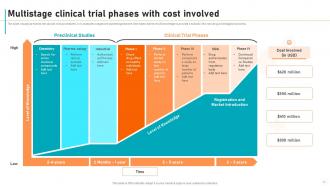
Multistage clinical trial phases with cost involved
-
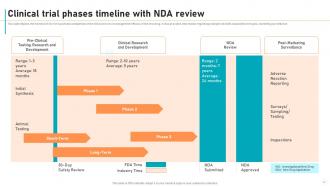
Clinical trial phases timeline with NDA review
-
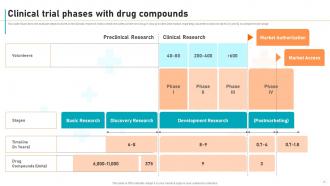
Clinical trial phases with drug compounds
-
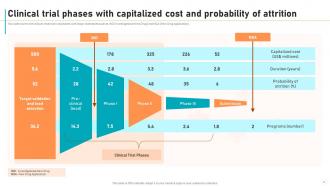
Clinical trial phases with capitalized cost and probability of attrition
-
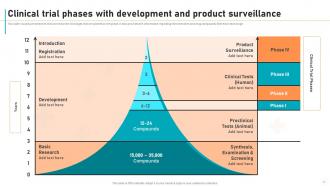
Clinical trial phases with development and product surveillance
-
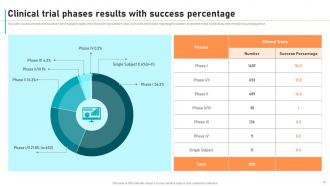
Clinical trial phases results with success percentage
-
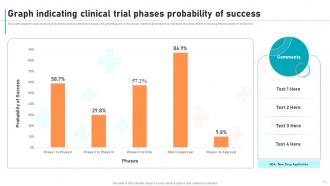
Graph indicating clinical trial phases probability of success
-
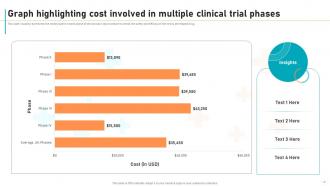
Graph highlighting cost involved in multiple clinical trial phases
-
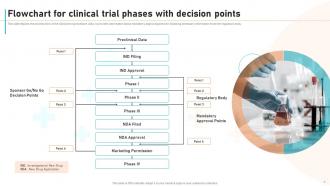
Flowchart for clinical trial phases with decision points
-
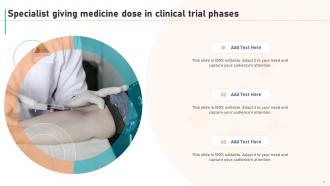
Specialist giving medicine dose in clinical trial phases
-
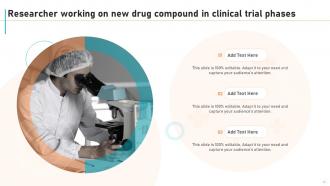
Researcher working on new drug compound in clinical trial phases
-
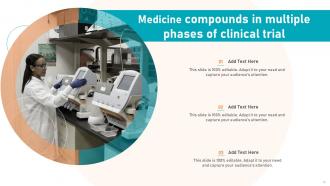
Medicine compounds in multiple phases of clinical trial
-
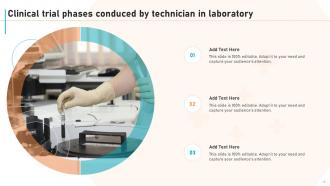
Clinical trial phases conducted by technician in laboratory
-
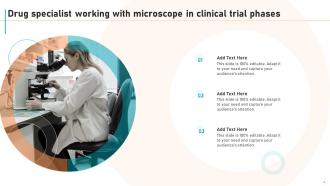
Drug specialist working with microscope in clinical trial phases
-
Clinical trial phases performed by pharmacist
-
Clinical trial phases depicted via DNA and patients
-
Phase endpoint report of new drug in clinical trial
-
Medical reports with injection for clinical trial phases
-
Microscope with medical solution in clinical trial phases
-
Clinical trial phases poster with medicines and health monitor
-
Icons slide New drug development process
-

Additional Slides
-
Venn
-
Post it notes
-
Target
-
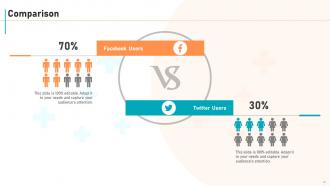
Comparison
-
30 60 90 Days plan
-
New Drug Development Process
-

-

-

-

-

FAQs for New Drug Development Process
Look, you've got discovery and preclinical testing first - that's where you find your compound and prove it works in labs and animal studies. Takes about 3-6 years, which feels forever but trust me on this. Don't rush the preclinical stuff or you'll get burned later with failed Phase I trials. Quality preclinical data makes your IND application so much smoother. FDA won't give you weird looks in pre-IND meetings either. Honestly, just bite the bullet and do rock-solid preclinical work upfront. Yeah it sucks waiting, but you'll save years and ridiculous amounts of money later.
So the FDA is basically watching over your shoulder through every step of drug development. Before you can even start Phase I trials, you need their green light. Same goes for each phase after that. They're reviewing your protocols, safety data, manufacturing details - the whole nine yards honestly. If they think the risks outweigh benefits, they'll shut you down or make you jump through more hoops. Here's what saved me headaches: book those pre-IND meetings early. Trust me, finding out about issues later costs way more than dealing with their feedback upfront.
So preclinical trials are where you test everything in labs and on animals first - basically the "will this actually kill people" stage before human testing. You're checking if the drug is toxic, how the body processes it, whether it even works. Pretty unglamorous but you can't skip it. The FDA absolutely won't let you touch humans without solid preclinical data first. It's also how you figure out what doses to start with later. My cousin works in drug development and she says this phase takes forever but saves lives down the road.
So Phase I is tiny - like 20-100 people - just checking if it'll kill you basically. Phase II bumps up to a few hundred to see if the thing actually works. Then Phase III is massive, thousands of people, your drug vs whatever's already out there. That's where companies either strike gold or lose millions, honestly. Think of it like testing a recipe on yourself, then your friends, then opening a restaurant. If you're looking at drug stocks or whatever, Phase III results are what really matter since that's when you find out if doctors will actually prescribe it.
So basically they partner with community health centers and advocacy groups to reach different populations. Transportation and translation services help remove barriers too. The FDA now requires diversity action plans which is actually pretty cool - about time they addressed those historical gaps. Some trials are going decentralized so people can participate from home, opens things up big time. Oh and flexible scheduling helps a lot. Start planning your diversity strategy early though - trying to fix recruitment issues mid-trial is a nightmare. Way easier to get it right from the beginning.
So basically three things kill most drug candidates - safety issues, the drug just doesn't work, and crappy pharmacokinetics. Safety problems alone wipe out like 30% of them (makes sense, nobody wants to get sued). Then efficacy failures hit another 40-50% because surprise, your miracle compound actually does nothing. PK issues are brutal too - drug gets broken down too fast or your body won't even absorb it properly. Oh and lately? Commercial viability is becoming huge. Companies won't touch anything that won't make bank. My advice - do your safety and PK homework early or you'll burn through millions in Phase II trials on something that was never gonna work.
Look, money literally controls everything in drug development - it's honestly depressing how true this is. Solid funding means you can hire the best people and run trials with enough participants to actually prove your drug works. Without it? Companies cut corners on Phase III trials or can't afford proper regulatory help, even when their science is solid. Most teams blow their budget estimates by like 30-50% too (learned that the hard way). Get your funding locked down early and pad those numbers way more than you think you need to.
Dude, AI is seriously cutting drug development time by like years - they can predict if compounds will work before labs even make them. Pretty wild. CRISPR's obviously the big one for genetic stuff, but I'm really seeing digital twins and organ-on-chip tech replace a lot of animal testing. Way more accurate for human responses anyway. Plus all those wearables and patient apps are feeding real data into trials now instead of those annoying monthly check-ins. Honestly, if you're starting any new projects, you'd be crazy not to look into how these could speed things up.
So pharmacogenomics is totally changing drug development - companies can now look at your DNA and predict if a drug will work for you or mess you up before you even try it. Pretty crazy, right? Clinical trials now start with genetic screening instead of just throwing medications at random people and seeing what happens. Drug companies are pairing new treatments with genetic tests from day one. My advice? Don't treat genetic testing like some fancy add-on anymore. It's becoming standard practice, so factor it into whatever strategy you're building from the start.
Okay so patient safety has to come first, obviously. Be super transparent about all the risks and side effects when you're getting people to sign up. The paperwork is honestly insane but there's a reason for all of it. Don't go after vulnerable groups unless your drug actually helps them specifically. Independent ethics committees need to review everything before you can even start - and honestly, they can be pretty picky. My biggest advice? Factor in time for ethics reviews right from the beginning. I've seen people try to rush this part and it always comes back to haunt them later.
So biotech companies team up with big pharma because they need the cash and expertise to actually get drugs to market. Biotechs are great at the creative stuff - taking risks on weird new targets that might not work. But then pharma swoops in with their massive clinical trial networks and regulatory teams. Plus all that manufacturing infrastructure that costs insane money. The milestone payments usually tell you who's really in control of the deal. Smart biotechs negotiate decent royalty splits upfront because that's where the real money is later. It's actually pretty brilliant how they divide up the work - each side does what they're best at.
So post-marketing surveillance is like your backup plan once drugs are actually out there. Clinical trials miss stuff - they just do. Real people using these meds reveal side effects that never showed up in those perfect lab conditions. Honestly, it's kind of wild how much we don't know until millions start taking something. You'll see rare reactions, weird drug interactions, all sorts of things. Document everything you notice though. That feedback literally changes warning labels and dosages. Sometimes drugs get pulled completely if things go sideways.
Patient advocacy groups are surprisingly powerful. They lobby the FDA directly for faster approvals and fund research for rare diseases that big pharma ignores. Honestly, they're probably one of the most underrated players in drug development. These groups also help design trials with patient-friendly endpoints and recruit participants - some even run their own research foundations now. The smart move? Engage them early, especially for rare diseases. Their voice carries serious weight with regulators, way more than most people realize.
Oof, drug trial failures hit pharma companies HARD. We're talking hundreds of millions down the drain, sometimes over a billion per compound that doesn't work out. All those R&D costs, clinical trials, regulatory stuff, staff salaries for years - then nothing. That's honestly part of why successful drugs cost so much. The winners have to pay for all the losers, and like 90% of late-stage trials fail anyway. Pretty depressing stats tbh. Companies basically have to spread their bets across multiple compounds so they don't go under from one bad result.
So basically WHO, Gates Foundation, and Doctors Without Borders step in where big pharma won't go. Companies don't want to develop malaria or TB drugs because those patients can't afford crazy Western prices, right? These organizations fill that hole through grants and partnerships. Sometimes they'll even do research themselves. The regulatory stuff and distribution - they help with that too once drugs get approved. Oh, and their funding is way more accessible than you'd think. If you're doing anything with tropical diseases or rare conditions, definitely check them out.
-
The designs are very attractive and easy to edit. Looking forward to downloading more of your PowerPoint Presentations.
-
Well-designed and informative templates. Absolutely brilliant!