


Clothing Boutique Business Plan Powerpoint Presentation Slides




Try Before you Buy Download Free Sample Product
 Impress Your
 Audience
 100%
100% Editable
 Save Hours
 of Time


Starting and maintaining a fashion business looks simple however, the truth is that if you want to reduce stress, you must take the necessary measures to guarantee that it will endure. Grab Our professionally curated Clothing Boutique Business Plan. It provides a complete overview of the pertinent sector. Our Fashion boutique business plan overviews your boutiques current situation and outlines your growth strategy for the following five years. It outlines your companys objectives and your plan for achieving them. Market research is also included to help you with your ideas. Additionally, our Growth of fashion industry PPT discusses Porters framework and how it affects the fashion industry, market gaps, opportunities, market sizing, including TAM, SAM, and SOM, go to marketing strategy, sales funnel, etc. It further contains a financial review that offers a comprehensive 5 year analysis while considering market circumstances. Lastly, our Growing fashion awareness module consists of the revenue model, balance sheet, cash flow statement, break even analysis, DCF valuation, and profit and loss statement. Download this utterly editable presentation to get our well researched and expertly crafted offering.
People who downloaded this PowerPoint presentation also viewed the following :
Content of this Powerpoint Presentation
Slide 1: This slide introduces the Clothing Boutique Business Plan. Commence by stating Your Company Name.
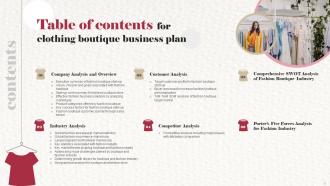
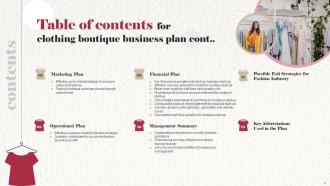
Slide 2: This slide incorporates the Table of contents.
Slide 3: This is yet another slide continuing the Table of contents.
Slide 4: This slide depicts the Agenda of the presentation.
Slide 5: This slide highlights the Title for the Topics to be covered further.
Slide 6: This slide shows the Executive summary of fashion boutique start-up.
Slide 7: This slide includes the comapny's Vision, mission and goals associated with fashion boutique.
Slide 8: This slide reveals the Start-up cost summary for fashion boutique store.
Slide 9: This slide focuses on Effective fashion business solutions by analyzing market gap.
Slide 10: This slide exhibits the Product categories offered by fashion boutique.
Slide 11: This slide states the Key success factors for fashion boutique start-up.
Slide 12: This slide portrays the Heading for the Contents to be discussed next.
Slide 13: This slide showcases the Global fashion and apparel market statistics.
Slide 14: This slide reveals the Global fashion-ecommerce market size.
Slide 15: This slide highlights the largest apparel and footwear market worldwide.
Slide 16: This slide presents the Key statistics associated with fashion industry.
Slide 17: This slide continues the Key statistics associated with fashion industry.
Slide 18: This is yet another slide continuing the Key statistics associated with fashion industry.
Slide 19: This slide further continues the Key statistics associated with fashion industry.
Slide 20: This slide shows the Key market trends shaping boutique and fashion industry.
Slide 21: This slide deals with Addressing major challenges catered by boutique and fashion industry.
Slide 22: This slide focuses on Determining growth drivers for boutique and fashion industry.
Slide 23: This slide states the Geographical analysis for boutique and fashion store.
Slide 24: This slide contains the Title for the Ideas to be further discussed.
Slide 25: This slide covers the Target customer profile for fashion boutique start-up.
Slide 26: This slide continues the Target customer profile for fashion boutique store.
Slide 27: This slide exhibits the Buyer personas to increase fashion boutique personalization.
Slide 28: This slide showcases the TAM SAM SOM analysis of fashion boutique target market.
Slide 29: This slide includes the Heading for the Ideas to be covered in the upcoming template.
Slide 30: This slide portrays the Competitive analysis including major players with attributes comparison.
Slide 31: This slide displays the Title for the Contents to be discused next.
Slide 32: This slide reveals the Comprehensive SWOT analysis of fashion boutique industry.
Slide 33: This slide presents the Heading for the Topics to be covered further.
Slide 34: This slide shows the Porter’s five forces analysis for fashion industry.
Slide 35: This slide depicts the Title for the Topics to be discussed next.
Slide 36: This slide portrays the Effective go-to-market strategy to increase sales and revenue.
Slide 37: This slide continues the Effective go-to-market strategy to increase sales and revenue.
Slide 38: This slide further continues the Effective go-to-market strategy to increase sales and revenue.
Slide 39: This is yet another slide continuing the Effective go-to-market strategy to increase sales and revenue.
Slide 40: This slide further continues the Effective go-to-market strategy to increase sales and revenue.
Slide 41: This slide illustrates the Fashion boutique customer journey through sales funnel.
Slide 42: This slide continues the Fashion boutique customer journey through sales funnel.
Slide 43: This slide shows the Heading for the Contents to be covered in the following template.
Slide 44: This slide displays the Effective business model for fashion boutique.
Slide 45: The slide covers particular objectives or goals the organization intends to attain as part of its business plan.
Slide 46: This slide contains the Title for the Ideas to be further discussed.
Slide 47: This slide states the Key financial assumptions for fashion boutique start-up.
Slide 48: This slide portrays the Effective revenue generation model for boutique start-up.
Slide 49: This slide highlights the Break-even analysis with fixed and variable cost.
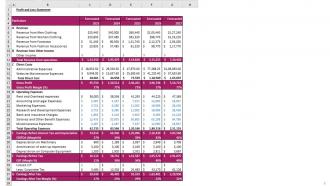
Slide 50: This slide deals with Projected profit and loss account statement for boutique start-up.
Slide 51: This slide continues the Projected profit and loss account statement for boutique start-up.
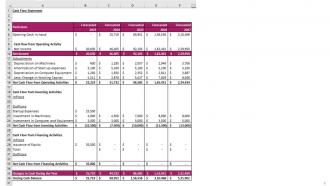
Slide 52: This slide depicts the Consolidated statements of cash flows for boutique start-up.
Slide 53: This slide continues the Consolidated statements of cash flows for boutique start-up.
Slide 54: This slide represents the Comparative balance sheet statement for boutique start-up.
Slide 55: This slide continues the Comparative balance sheet statement for boutique start-up.
Slide 56: This slide showcases the Scenario analysis with optimistic, pessimistic and realistic cases.
Slide 57: This slide continues the Scenario analysis with optimistic, pessimistic and realistic cases.
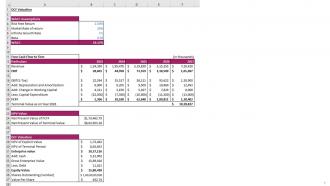
Slide 58: This slide highlights the Discounted cash flow valuation for boutique start-up.
Slide 59: This slide incorporates the Heading for the Ideas to be covered in the upcoming template.
Slide 60: The slide highlights the organizational hierarchy in the company.
Slide 61: This slide revals the Professional summary of fashion boutique start-up founder.
Slide 62: This slide exhibits the Job roles and responsibilities of boutique key management.
Slide 63: This slide continues the Job roles and responsibilities of boutique key management.
Slide 64: This slide further continues the Job roles and responsibilities of boutique key management.
Slide 65: This slide exhibits the Title for the Contents to be discussed further.
Slide 66: This slide represents exit strategies for fashion industry.
Slide 67: This slide states the Possible exit strategies for fashion industry.
Slide 68: This slide depicts the Heading for the Topics to be covered in the forthcoming template.
Slide 69: This slide highlights the Key abbreviations used in the plan.
Slide 70: This is the Icons slide containing all the Icon used in the plan.
Slide 71: This slide is used for showing some Additional information.
Slide 72: This slide reveals the organization's Vision, mission, and goals.
Slide 73: This is the 30 60 90 days plan slide for effective planning.
Slide 74: This is Our target slide. State your organization's targets here.
Slide 75: This slide represents the SWOT analysis.
Slide 76: This slide elucidates the Roadmap of the firm.
Slide 77: This is the Venn diagram slide.
Slide 78: This is the Idea generation slide for encouraging fresh ideas.
Slide 79: This slide exhibits the company's Timeline.
Slide 80: This is the Thank You slide for acknowledgement.
Clothing Boutique Business Plan Powerpoint Presentation Slides with all 80 slides:
Use our Clothing Boutique Business Plan Powerpoint Presentation Slides to effectively help you save your valuable time. They are readymade to fit into any presentation structure.














FAQs for Clothing Boutique Business Plan
Start with the basics - executive summary, market analysis, who your customers are, and what makes you different. Financial stuff is critical: startup costs, inventory money, monthly expenses, plus revenue forecasts for year one minimum. Location analysis matters big time, especially foot traffic and how close competitors are. Marketing should cover online plus in-store customer stuff. Inventory planning always takes forever, honestly! Include buying strategy, seasonal stuff, supplier relationships. Operations plan needs staffing, hours, daily processes. There's tons of templates online that'll help you structure everything without starting from scratch.
Okay so market research is basically your reality check - it shows you where your boutique actually fits and what people really want (spoiler: probably not what you're thinking). You'll figure out pricing that works, find style gaps nobody's filling, and see how to differentiate yourself from other shops. I was honestly shocked when I did this for my cousin's store - we were so off base! Survey some potential customers first, then go mystery shop your competitors. The whole point is finding your angle, whether that's being the affordable trendy place or the go-to for sustainable stuff. Trust me, it's worth doing upfront.
Don't try to sell to everyone - that's honestly where most boutiques crash and burn. Pick a specific group instead. Maybe young professionals needing work clothes? Busy moms wanting cute but comfy stuff? College kids on tight budgets? The more specific, the better you'll be at choosing inventory and setting prices. I learned this the hard way watching friends' shops struggle. Once you figure out your ideal customer, make a detailed profile of them. Then use that person to guide literally every choice you make. Sounds obvious but most people skip this step completely.
First thing - check out what your competitors are charging and figure out if your customers are bargain hunters or willing to splurge on something special. Standard markup for boutiques is usually 2.5-3x wholesale cost, but honestly that can vary a lot depending on your vibe. Are you going for luxury or more trendy/affordable? I'd test a few different price points on similar items first. See what people actually buy vs. what they just browse. You'll also want to plan for seasonal sales and markdowns - nobody wants to get stuck with summer inventory in October! Start small with pricing a handful of key pieces, then expand from there based on how customers react.
Honestly, you've gotta nail Instagram and TikTok first - show your pieces styled different ways, maybe some behind-the-scenes content. Partner with local influencers who actually fit your vibe. Definitely do a launch event or pop-up because people need to feel the fabric, you know? Photos don't sell clothes the same way. Oh, and start collecting emails early with like a pre-launch discount or something. Google My Business is clutch too - you'll pop up when people search "boutique near me." Just pick 2-3 things and do them well instead of trying everything at once.
Honestly, you've gotta find what makes you different and just go all-in on it. Maybe it's how you curate stuff, or the specific crowd you're targeting, or just the whole vibe of your place. Focus on things big retailers can't copy easily - like personal styling help or partnering with local designers nobody else works with. Creating that community hangout feel works too. Don't try competing just on price though, that's a losing game. The goal is being so uniquely *you* that people can't get that same experience shopping anywhere else, you know?
So you'll definitely need revenue projections, startup costs, and monthly expenses for your first three years. Fashion retail is crazy seasonal though - nobody's buying bikinis in January, right? Break down your revenue by season and include cost of goods (usually runs 50-60% for clothes). Don't forget rent, utilities, staff wages, marketing budget. Inventory's tricky since you buy stock months ahead. A break-even analysis showing when you'll hit profitability is smart too. Oh, and be conservative with sales estimates - I've seen too many people get burned being overly optimistic from day one.
Your brand identity is what makes people choose you over that other boutique down the street. Think of it like your store's personality - when you get the visuals, voice, and values right, customers instantly know if they're your type of person. Which is honestly exactly what you want! Strong branding lets you charge more because people see the value. Plus it makes customers way more loyal and your social media actually works. Oh, and it makes marketing so much easier when you know who you're talking to. Start by figuring out your ideal customer and what makes you different - then everything else flows from there.
Get a good POS system first - you need real-time sales tracking that talks to your inventory. Buy based on seasonal trends and what your customers actually want (not just what catches your eye, though that counts too). Set automatic reorder alerts for your basics and bestsellers. For trendy stuff, try consignment or smaller orders so you're not stuck with dead inventory. Check your turnover rate monthly - shoot for 4-6 times yearly. Oh, and do physical counts regularly because shrinkage is sneaky and will mess up your numbers fast.
Honestly, you NEED to be online now - it's not even a choice anymore. People expect to find you on Instagram or Google before they even visit your store. I learned this the hard way when a friend couldn't find my cousin's shop online and just went somewhere else instead. Social media works perfectly for fashion since everything's so visual anyway. Your website doesn't have to be fancy at first, but having those digital sales really saves you during slow months. Plus remember 2020? Online kept so many boutiques alive. Start with Instagram and a simple site - don't overwhelm yourself with every platform day one.
Ugh, inventory management is brutal when you're starting out - you'll get stuck with so much stuff that just sits there. Cash flow becomes a nightmare real fast. I'd say start super small and pick a specific niche instead of trying to be everything to everyone. Social media is your best friend here, honestly way more important than traditional advertising. Partner with local influencers and throw some events to get people talking. Oh, and track everything obsessively so you can change course when something's not working. The community aspect matters more than you'd think.
Working with local designers is honestly such a smart move! You get pieces nobody else in town has, which automatically sets you apart from the big stores. Plus supporting local creatives just feels right, you know? You can carry their existing stuff or even commission custom pieces just for your boutique. The designers usually have their own loyal customers who'll start shopping with you too. Host some trunk shows or little events - people love that behind-the-scenes stuff. I'd start by hitting up local art fairs or maybe reaching out to fashion students. Way cheaper than established designers but still super talented.
Honestly, customer experience is everything for a boutique. You're not just selling clothes - you're selling that whole "finding the perfect outfit" feeling. Anyone can order a dress online, right? But you offer personal styling and actual human connection. That's huge. Your customers come back because they trust your taste and genuinely enjoy shopping there. I'd focus on making every visit feel special somehow - maybe through your displays (Instagram-worthy stuff works) or just really good service. Create those memorable moments. It's what separates you from chains and online shopping.
Instagram and TikTok are your best bet for showing off clothes visually. Post styling videos, behind-the-scenes stuff, and customer try-ons. Stories are amazing too - I'm literally addicted to boutique stories lol. Get local influencers involved and ask customers to tag you when they wear their new pieces. Target your ads to people nearby who follow similar fashion accounts. Oh, and consistency is everything! People can spot fake content immediately, so keep it real. Post daily if you can and actually respond to comments - that engagement matters way more than you'd think.
Oh wow, there's actually a ton to handle legally! Start with picking your business structure - most people go LLC for retail stuff. Get your business name registered and grab an EIN for taxes. Sales tax permits are honestly such a pain because every state does it differently. General liability insurance is a must in case someone gets hurt or there's product drama. Planning to hire people? Then you're looking at workers' comp and all that employment law stuff. Oh, and if you're making your own brand, think about trademarks. Definitely talk to a small business lawyer early - trust me on this one.
-
Awesome presentation, really professional and easy to edit.
-
I have just started downloading templates for my presentations and I must say this is a great design. It helped accelerate my presentation design process and made it more visually appealing.