


Online Clothing Business Plan Powerpoint Presentation Slides




Try Before you Buy Download Free Sample Product
 Impress Your
 Audience
 100%
100% Editable
 Save Hours
 of Time


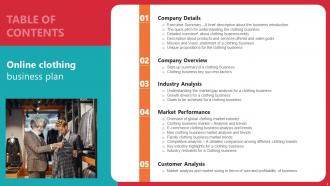
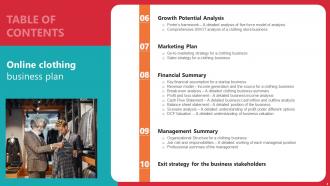
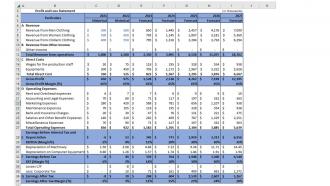
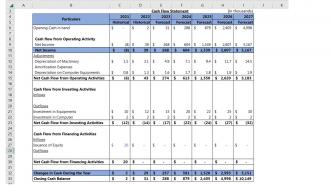
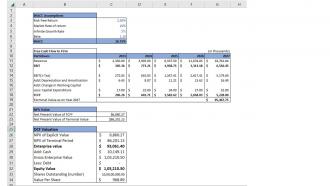
A clothing store business is a place where clothing related to men, women, and children is sold. The store follows urban casual wear, western wear clothing, and traditional wear clothing. Check out our efficiently designed Online Clothing Business Plan Powerpoint Presentation. The presentation covers details regarding the company executive summary, the quick pitch providing information about the business, the clothing market, and the opportunities available with the business. It displays the key to success factors, mission, vision, and the start-up summary, including all the necessary expenses. The business plan document exhibits the growth potential analysis, including SWOT analysis and Porters five force analysis model, customer analysis, and market sizing, including TAM, SAM, and SOM. The presentation also has an offline and online marketing strategy, and sales funnel for customer retention. The financial summary includes scenario analysis, profit and loss statements, cash flow statements, and balance sheets. Also, it provides a DCF valuation model for the business after five years with a graphical representation of all three financial statements. Get access now.
People who downloaded this PowerPoint presentation also viewed the following :
Online Clothing Business Plan Powerpoint Presentation Slides with all 77 slides:
Use our Online Clothing Business Plan Powerpoint Presentation Slides to effectively help you save your valuable time. They are readymade to fit into any presentation structure.





FAQs for Online Clothing Business Plan
Okay so first figure out who you're actually selling to and what makes your stuff different from everyone else. Product sourcing is huge - manufacturing, wholesale, dropshipping, whatever works for your budget. Social media and influencer stuff is honestly make-or-break for clothing brands these days. You'll also need to sort out the less fun parts like inventory and shipping logistics (boring but necessary). Oh and definitely run the numbers on startup costs and pricing before you dive in. My advice? Start with like 5-10 pieces max instead of launching with everything under the sun. Way easier to manage.
Honestly, most people just wing this part and wonder why their marketing sucks. You've gotta figure out who's actually buying - age, income, where they live, but also their values and how they shop. Google Analytics is your friend here, plus check out social media insights. I'd totally survey people directly too, like just ask them what they want and what's annoying them about current options. Oh, and stalk your competitors' followers a bit - see who's commenting and leaving reviews. Create maybe 2-3 fake customer profiles with actual names. Makes everything click when you're trying to target later.
Don't try to beat everyone at their own game - find your own lane instead. Pick something specific like sustainable fabrics, plus-size activewear, or clothes for creative types. The brands that actually make it aren't necessarily the cheapest ones (though price matters obviously). They just nail one thing really well. Build your story around what you actually care about. Work with smaller influencers who get your vibe. Maybe do limited drops or let people customize stuff? I'd start by just asking your ideal customers what they can't find elsewhere - that's where the gaps are.
Honestly, branding is everything when you're selling clothes online. There's so much competition out there. Your logo, colors, and fonts need to work together - plus you've got to figure out your brand's personality and voice. What's your story? Who are you trying to reach? I'd start there first, then build everything around those people. Don't sleep on packaging either - it's probably the first real thing customers will touch from your brand. Oh, and these days people actually care about your values too, which is kinda cool but also more pressure.
Okay so first things first - get your business registered and grab some basic liability insurance. That's the foundation stuff. Then you'll want to think about trademarking your brand name and any unique designs. Sales tax is honestly such a pain but you have to register in states where you're selling and collect it properly. Consumer protection laws matter too - return policies, product safety, all that. Oh and if you're going international at all, GDPR compliance is actually huge even though it sounds boring. Privacy policies and terms of service are must-haves. I'd tackle the business setup first, then worry about trademarks and tax stuff once you're rolling.
Honestly, get yourself a decent inventory system first - TradeGecko or Cin7 both play nice with most e-commerce platforms. Track sizes, colors, what's selling fast vs what's just sitting there. I made the mistake of ordering way too many neon green hoodies once... still haunts me lol. Set automatic reorder alerts for your bestsellers but don't go crazy with trendy stuff since fashion changes so quick. Physical counts are boring but you gotta do them to catch any weirdness. If money's tight, start with spreadsheets and upgrade later.
Dude, you *have* to be on social for clothing. Instagram's your best bet to start - it's pretty straightforward and fashion does well there. TikTok's insane right now, like I've seen tiny brands get massive overnight if they hit it right. Pinterest drives solid traffic too. Facebook's more for ads and building an actual community around your stuff. Don't try to be everywhere though - pick 2 or 3 max. You'll burn out otherwise. Focus on where your people actually are instead of just posting everywhere and hoping something sticks.
Look, just go with Shopify or WooCommerce - maybe even Etsy if that fits your vibe. Building from scratch is honestly such a waste of time when these platforms already do inventory, payments, and shipping for you. I mean, why make it harder than it needs to be? You'll get analytics built right in too, which is super helpful for seeing what actually sells. They hook up with Instagram and Facebook pretty easily for marketing. Oh, and you can always add more platforms later once you figure out what works. Start simple, then expand.
Focus on three things: killer photos, smooth navigation, and mobile-first design. Professional product shots make a huge difference - or at least decent lighting if you're bootstrapping it. Navigation needs to be dead simple with clear categories and search. I literally bounce from sites when I can't find stuff in like 10 seconds, and I'm probably not alone there. Keep checkout to 3 steps max. Detailed size guides save you from return headaches later. Oh, and test everything on mobile first since that's where most shopping happens anyway. Get these basics right and you're golden.
First thing - add up all your costs: materials, labor, shipping, those annoying platform fees. Then tack on your profit margin. Most clothing brands shoot for 50-70% gross margins, though it really depends on your niche. Check what competitors charge but don't just copy them blindly - that's lazy research honestly. Think about your brand positioning too. Are you the budget option or going premium? I'd start pricing slightly higher than feels right since dropping prices later is way easier than raising them. Test different price points with small batches to see what actually sells.
Look, you've got a few routes here. Third-party logistics like ShipBob or Amazon FBA are clutch if you don't want the headache - they do everything. Self-fulfilling works when you're small (did that way too long myself, do NOT recommend). Hybrid's smart though - handle rush orders yourself, outsource the rest. Oh and figure out international shipping sooner than I did. Easyship makes customs less painful. Whatever you pick, make sure it'll scale because switching systems when you're swamped is the worst.
Three things matter most: good margins, loyal customers, and smooth operations. Price stuff at least 3x your costs - covers marketing, shipping, all that overhead. Email marketing is seriously underrated, way better ROI than people think. Don't ignore social media either but email's where the money is. Get your shipping sorted early because nothing tanks momentum like fulfillment disasters. Test small batches first, figure out who actually wants to buy your stuff. Oh and track how much you're spending to get each customer - if that number gets crazy high you're in trouble. Inventory management will save your sanity later.
Okay so definitely go with PayPal first - people just trust it more when they're shopping somewhere new. Stripe's your workhorse for everything else, plus their fraud protection is solid. You absolutely need Apple Pay and Google Pay since everyone's buying clothes on their phones now. Oh and add Klarna or Afterpay if you're going after younger shoppers - they're obsessed with splitting up payments. I swear these four will handle like 95% of what people want to pay with.
Honestly, start with keyword research - Google Keyword Planner is your friend for finding what people actually type in, like "sustainable women's dresses" or whatever fits your stuff. Get those keywords into your product titles and descriptions, plus don't forget image alt text. Oh, and definitely start blogging about styling tips or trends - trust me, fashion content gets shared like crazy. Your site better load fast on mobile too since Google's picky about that now. But really, just focus on fixing your product pages first. That's where you'll actually see results pretty quick instead of spinning your wheels on other stuff.
Honestly, three things will make or break you here. Get live chat going - people hate waiting around wondering where their package is. Your return policy needs to be crazy generous since they can't try anything on first. I learned this the hard way watching other brands tank because of stingy returns. Put up sizing guides and real customer photos to cut down on fit issues. When complaints come in, train your team to actually listen and offer exchanges or credit instead of just apologizing. Oh, and follow up after they buy something. Shows you're not just grabbing their money and running.
-
SlideTeam just saved my project! Thank you so much. The variety of templates helped me showcase multiple perspectives easily.
-
The visual appeal of the templates is just unparalleled! I was so worried about the design of my presentation but SlideTeam made it all so easy.