


Shoe Store Business Plan Powerpoint Presentation Slides




Try Before you Buy Download Free Sample Product
 Impress Your
 Audience
 100%
100% Editable
 Save Hours
 of Time


Writing a business plan for a shoe shop will require a lot of time and effort if you need to familiarise yourself with the process. For that, you require a business plan. Grab our Shoe Store Business Plan that will save your time. It is a professionally curated Plan displaying the information needed to compose each crucial section of your shoe store business plan. Our Shoe industry Business Plan deck describes the companys objectives and plan for achieving them. Additionally, it contains market research to support your goals, like target market, growth revenue drivers, competitive environment, etc. Our shoe store plan PPT also discusses the industrys current market gaps, solutions, prospects, and market sizing, including TAM, SAM, SOM, etc. Further, the plan contains a financial overview, guaranteeing a thoughtful proposal. The profit and loss account, balance sheet, cash flow statement, break even analysis, and DCF valuation are all included in it. Get access right away.
People who downloaded this PowerPoint presentation also viewed the following :
Content of this Powerpoint Presentation
Slide 1: This slide introduces Shoe Store Business Plan. Commence by stating Your Company Name.
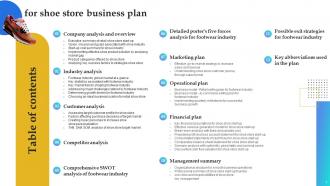
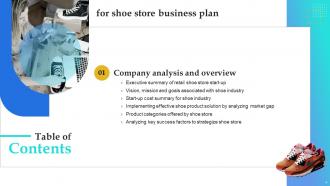
Slide 2: This slide incorporates the Table of contents.
Slide 3: This slide depicts the Agenda of the presentation.
Slide 4: This slide highlights the Title for the Topics to be discussed further.
Slide 5: This slide shows the Executive summary of retail shoe store start-up.
Slide 6: This slide presents the Vision, mission, and goals associated with shoe industry.
Slide 7: This slide provides information about start-up expenditures that incur during the process of establishing a shoe store.
Slide 8: This slide covers the problem associated with the shoe/footwear industry and how the company will implement an effective product solution to overcome the existing gap.
Slide 9: This slide exhibits the Product categories offered by shoe store.
Slide 10: This slide deals with Analyzing key success factors to strategize shoe store.
Slide 11: This slide portrays the Heading for the Components to be discussed next.
Slide 12: The purpose of this slide is to highlight the market size of the global footwear industry.
Slide 13: This slide highlights the thorough assessment of a market within the footwear industry.
Slide 14: This slide continues the Key statistics associated with footwear industry.
Slide 15: This slide focuses on the Key market trends shaping footwear industry.
Slide 16: This slide Addresses the major challenges catered by footwear industry.
Slide 17: This slide caters to details about various growth drivers resulting in footwear industry progress.
Slide 18: This slide portrays an ideal business location for footwear products that minimize the risk of failure.
Slide 19: This slide mentions the Title for the Ideas to be discussed further.
Slide 20: This slide covers an assessment of how the company's products will fit into a particular market and where they will acquire the most traction with customers.
Slide 21: This slide exhibits the Factors affecting purchase decisions of target market.
Slide 22: This slide provides a glimpse of how to better understand the target audience, to fine-tune marketing campaigns, and increase e-commerce personalization.
Slide 23: The purpose of this slide is to depict the market potential of footwear in terms of TAM, SAM, and SOM.
Slide 24: This slide indicates the Heading for the Ideas to be covered in the following template.
Slide 25: This slide deals with the Competitive analysis including major players with attributes comparison.
Slide 26: This slide portrays the Title for the Components to be discussed further.
Slide 27: This slide exhibits the Comprehensive SWOT analysis of footwear industry.
Slide 28: This slide depicts the Heading for the Topics to be covered in the forth-coming template.
Slide 29: The slide highlights porter’s five forces model and its implications in the US footwear industry.
Slide 30: This slide elucidates the Title for the Topics to be further covered.
Slide 31: The purpose of this slide is to implement an effective go-to-market strategy for bringing the company's products or services to an end customer.
Slide 32: This is yet another slide Effective go-to-market strategy to increase sales and revenue.
Slide 33: This slide continues the Effective go-to-market strategy to increase sales and revenue.
Slide 34: This is an extension of the Effective go-to-market strategy to increase sales and revenue.
Slide 35: This slide focuses on Understanding shoe store customer journey through sales funnel.
Slide 36: This slide elucidates the Heading for the Components to be discussed in the upcoming template.
Slide 37: The slides provide a glimpse of the projected profit and loss statement to visualize the shoe store’s financial performance for the next five years.
Slide 38: This slide covers the e-commerce selling plan for the shoe business.
Slide 39: This slide shows Implementing quarterly milestones for successful business growth.
Slide 40: This slide incorporates the Title for the Ideas to be covered further.
Slide 41: This slide provides a glimpse of important financial assumptions that are to be made while setting shoe store.
Slide 42: The slide presents the effective revenue model of the footwear industry, which displays the cost incurred and the various sources of income.
Slide 43: This slide highlights the Break-even analysis with fixed and variable cost.
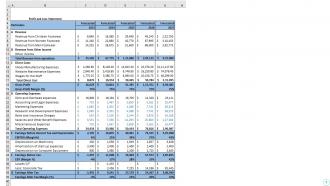
Slide 44: This slide reveals the Projected profit and loss account statement for shoe store start-up.
Slide 45: This slide continues the Projected profit and loss account statement for shoe store start-up.
Slide 46: This slide displays the Consolidated statements of cash flows for shoe store start-up.
Slide 47: This is yet another slide continuing the Consolidated statements of cash flows for shoe store start-up.
Slide 48: The slides cover the snapshot of the company's financial position at a specific time.
Slide 49: This slide continues the Comparative balance sheet statement for shoe store start-up.
Slide 50: The purpose of this slide is to examine the effects of potential future events on the company’s performance.
Slide 51: This slide is an extension of the Scenario analysis with optimistic, pessimistic and nominal cases.
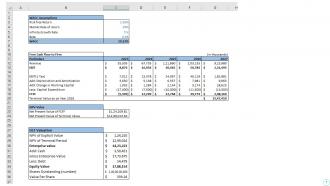
Slide 52: The purpose of this slide is to calculate the amount of money an investor would get from an investment after adjusting for the time value of money.
Slide 53: This slide contains the Heading for the Ideas to be discussed next.
Slide 54: The slide highlights the organizational hierarchy in the company.
Slide 55: This slide exhibits the Professional summary of shoe store start-up founder.
Slide 56: This slide presents the Job roles and responsibilities of shoe store key management.
Slide 57: This is yet another slide continuing the Job roles and responsibilities of shoe store key management.
Slide 58: This slide mentions the Title for the Topics to be covered in the upcoming template.
Slide 59: This slide reveals the Possible exit strategies for footwear industry.
Slide 60: This slide depicts the Heading for the Components to be covered further.
Slide 61: This slide states the Key abbreviations used in the plan.
Slide 62: This is the Icons slide containing all the Icons used in the plan.
Slide 63: This slide depicts Additional information.
Slide 64: This is Meet our team slide for showcasing the team-related information.
Slide 65: This slide elucidates the 30,60,90 days plan for effective planning.
Slide 66: This slide showcases the SWOT analysis.
Slide 67: This slide contains the Post it notes for reminders and deadlines.
Slide 68: This slide presents the Comapny Timeline.
Slide 69: This slide is used for the purpose of Comparison.
Slide 70: This is Our goal slide. State your firm's goals here.
Slide 71: This slide displays the organization's Roadmap.
Slide 72: This is the Puzzle sldie with related imagery.
Slide 73: This is the Thank you slide for acknowledgement.
Shoe Store Business Plan Powerpoint Presentation Slides with all 78 slides:
Use our Shoe Store Business Plan Powerpoint Presentation Slides to effectively help you save your valuable time. They are readymade to fit into any presentation structure.








































































FAQs for Shoe Store Business Plan
Start with solid market research - figure out your customers and scope out local competition. Your inventory plan matters way more than people think, especially with seasonal stuff. Location's obviously key too. Financial projections are where things get real though - investors will pick those apart, so don't go crazy optimistic on the numbers. Slow months will happen. Are you targeting budget shoppers or going upscale? That'll shape everything else. Oh, and your executive summary better grab attention fast. Most people barely read past that anyway.
Honestly, just start by walking around and scoping out other shoe stores nearby - check their prices, what they're selling, how busy they get. Talk to people! Surveys or focus groups work, but I'd literally just chat with potential customers about what they actually want. Online research is fine too, I guess. Look at foot traffic in different spots, figure out when people buy shoes seasonally. The key thing is finding gaps that other stores aren't hitting. Write everything down though - you'll need those details later when you're trying to get investors or deciding what inventory to stock.
Dude, you're gonna want crazy foot traffic and good visibility - that's non-negotiable. Find spots near clothing stores or salons since people usually shoe shop when they're already out buying other stuff. Match your target customers with the neighborhood's vibe and income level too. I'd honestly camp out at potential locations for hours just watching people (sounds creepy but whatever, it works!). Don't forget about parking - nobody wants to circle blocks looking for a spot. Also walk around different times of day to see how busy it gets. Oh and obviously make sure rent won't kill your profits and you've got space for inventory.
Honestly, you gotta find something the big guys can't touch. Maybe specialize in wide feet or narrow sizes - DSW isn't great at that stuff. Or pick a lifestyle angle like serious runners or work boots. I'd look around your area first though. What's missing? Like maybe there's nowhere decent for professional women to find good shoes, or parents are stuck buying crappy kids' shoes that fall apart in two months. Custom fitting could work too, or even shoe repair if you're into that. The "everything for everyone" thing is brutal when you're competing with massive stores. Better to own one thing completely.
So you'll want sales forecasts and startup costs for at least three years. Break down revenue by shoe types - athletic, dress, casual, whatever you're planning. Footwear is super seasonal so factor that in. Your biggest expense will probably be rent, but don't forget inventory costs, wages, utilities, all that stuff. Cash flow projections are crucial too, plus break-even analysis. The inventory thing is honestly such a headache - you need enough stock but not so much that all your money's just sitting there on shelves. I'd start with conservative sales estimates and pad your expenses a bit for surprises.
Start with the basics - sneakers, casual shoes, maybe some dress shoes. Athletic stuff sells like crazy because people actually wear through them. My cousin learned this the hard way trying to push trendy heels that just sat there collecting dust lol. Stock common sizes in brands people know. Once you see what's moving, then you can get into boots, sandals, whatever. Don't overthink it at first. Those boring everyday shoes? They're gonna keep your lights on while you figure out the rest.
Honestly, figure out who you're actually selling to first - athletes? Broke college kids? Instagram influencers? Once you know that, go where they are. Instagram and TikTok are no-brainers for shoes since people love showing them off. I'd definitely hit up local gyms or dance studios for partnerships too. Email's kinda old school but it works great for sales announcements. Oh, and don't try everything at once - you'll burn out. Pick like two channels, see what sticks, then build from there.
Definitely start with a good POS system - Square or Shopify POS are solid options that won't cost a fortune. Shoes are tricky with all the sizes and colors, so you need inventory software that can handle that mess without making you want to pull your hair out. QuickBooks is pretty standard for the money stuff. Oh, and honestly? Don't underestimate a well-organized spreadsheet for tracking seasonal patterns and supplier details - I know it sounds old school but it works. Build everything around your POS first though. You can always add more tools later once you're actually making money and know what you really need.
Honestly, start by hitting up 3-4 suppliers max for quotes and minimum orders. More than that gets messy fast - trust me on this one. Quality beats cheap prices every time because running out of stock will piss off your customers way more than slightly higher costs. Try negotiating 30-60 day payment terms instead of paying upfront. Your cash flow will thank you later. Also ask about co-op ad money and return policies for seasonal stuff that doesn't move. Get everything documented and revisit your contracts yearly. Your buying power grows, so should your terms.
Dude, customer service is EVERYTHING for shoe stores. People need to try stuff on and get real help with sizing - that's your whole advantage over Amazon, you know? Your staff should actually know about fit and comfort, not just stand around. I've seen so many stores where employees are clueless about their own inventory. Bad experience? Customers will just go online next time. But when someone really helps me find shoes that work, I'll definitely come back. Train your team well because honestly, that expertise is what'll keep you competitive against all the online shopping.
Dude, there's honestly a bunch of paperwork you gotta knock out first. Pick your business structure - LLC or corp, whatever works - and register with the state. Business license is obvious, but retail permits can be such a pain depending where you are. Sales tax registration too since you'll collect on everything. Workers' comp and payroll stuff if you're hiring people. Oh and definitely get liability insurance because someone's gonna slip eventually lol. Your local SBA office is actually pretty helpful - they know all the local requirements better than Google does. Start there and they'll walk you through it.
Instagram and TikTok are your best bet - shoes look amazing on camera. Post styling videos and outfit combos, maybe some behind-the-scenes stuff when new inventory comes in. Facebook's decent for local targeting and sales events, but honestly? Instagram's where the magic happens for retail. Find some local micro-influencers who vibe with your brand. Always tag your location so nearby people can find you. Oh, and repost customers wearing their purchases - that stuff converts like crazy. Try posting consistently for a month and see what gets saved and shared most. That'll tell you everything.
Honestly, size distribution is everything with shoes. Stock up on 7-10 for women and 9-12 for men - those sell like crazy. I got burned badly with chunky sneakers that nobody wanted after like 6 weeks, so now I track turn rates obsessively by style and season. Your POS data will show you which stuff isn't moving. Mark those down fast before they become dead inventory sitting there forever. Set automatic reorders for your bread-and-butter styles but go easy on trendy pieces. Oh, and do weekly counts on your top SKUs - trust me on this one.
Okay so first thing - scope out what other shoe stores are charging, both online and the ones near you. Compare similar brands and styles. Got premium service or hard-to-find stuff? You can probably get away with charging 10-15% more. Going the budget route means 15-20% less, but seriously watch those margins or you'll be screwed. The middle is honestly where it gets messy since everyone's fighting over the same customers. I'd start by checking out like 3-5 competitors this week, then adjust every few months. Pricing isn't something you set once and ignore.
Start with product training - your team needs to know materials, sizing, all that foot stuff. Sales workshops are clutch too since most people can't naturally sell when they're new. Cross-train everyone on inventory and POS systems because someone's always calling out sick, trust me. Customer service training is huge - retail complaints get super awkward if you're not prepared. I'd do monthly sessions and maybe get shoe brands to come demo their stuff. Oh, and confident employees definitely sell more, so it's worth the investment in training.
-
SlideTeam, Please don’t stop sharing discount coupons! I love your occasional discounts and tend to buy your products around that corner.
-
They guys always go the extra mile to meet the expectations of their customers. Almost a year has been associated with them.