


Shoe Shop Business Plan Powerpoint Presentation Slides




Try Before you Buy Download Free Sample Product
 Impress Your
 Audience
 100%
100% Editable
 Save Hours
 of Time


If you need to familiarize yourself with creating a shoe store business plan, you may think creating one will take time and effort. For most entrepreneurs, it is, but for you, it wont be since were here to help. Therefore, our team has created this Shoe Store Business Plan PPT that showcases the necessary information to write each essential component of your shoe store business plan. We can assist you in developing a solid business strategy since we have the expertise, tools, and resources. It would be best if you had a business plan to open a shoe store or grow your present one. If youre going to start a shoe store or expand your current one, you need a business plan. It explains the business goals and strategy for reaching them. It also includes market research to support your objectives, such as competitive environment, industry insights, industry trends, growth or revenue drivers, target market, etc. It also covers Porters framework and how it affects the shoe industry, the existing market gaps, solutions, opportunities, market sizing, including TAM, SAM, and SOM, go to marketing strategy, sales funnel, etc. Additionally, the plan includes a financial overview that assures a well thought and carefully considered proposition. It consists of the revenue model, balance sheet, cash flow statement, break even analysis, DCF valuation, and profit and loss statement. Download this completely editable presentation to get our well researched and expertly crafted offering.
People who downloaded this PowerPoint presentation also viewed the following :
Content of this Powerpoint Presentation
Slide 1: This slide displays the title Shoe Shop Business Plan.
Slide 2: The purpose is to develop a start-up shoe retail store in the US with crucial essentials related to the business plan.
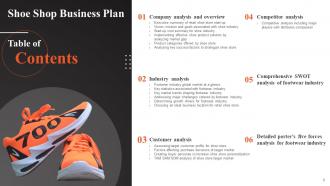
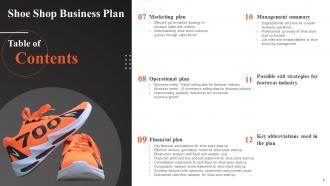
Slide 3: This slide exhibit table of content.
Slide 4: This slide exhibit table of content.
Slide 5: This slide exhibit table of content- Company Analysis and Overview.
Slide 6: This slide provides a glimpse of key highlights of the shoe retail store including a quick pitch that describes the current market status of the industry.
Slide 7: This slide covers the shoe industry's vision, mission, and goals to ensure that it will deliver a diverse selection of eco-friendly shoes.
Slide 8: This slide provides information about start-up expenditures that incur during the process of establishing a shoe store.
Slide 9: This slide covers the problem associated with the shoe/footwear industry and how the company will implement an effective product solution to overcome the existing gap.
Slide 10: The purpose of this slide is to provide a glimpse of the wide range of comfortable and latest-designed shoes from top manufacturing brands.
Slide 11: This slide covers the essential points to be considered while selling shoe/footwear products in the market.
Slide 12: This slide exhibit table of content- Industry Analysis.
Slide 13: The purpose of this slide is to highlight the market size of the global footwear industry.
Slide 14: This slide highlights the thorough assessment of a market within the footwear industry.
Slide 15: This slide highlights the thorough assessment of a market within the footwear industry.
Slide 16: This slide highlights the key market trends that have the potential to change the current market scenario.
Slide 17: This slide portrays details about various challenges catered by the footwear industry.
Slide 18: This slide caters to details about various growth drivers resulting in footwear industry progress.
Slide 19: This slide portrays an ideal business location for shoe products that minimize the risk of failure.
Slide 20: This slide exhibit table of content- Customer Analysis.
Slide 21: This slide covers an assessment of how the company's products will fit into a particular market and where they will acquire the most traction with customers.
Slide 22: This slide covers the important factors that people consider when buying a pair of shoes.
Slide 23: This slide provides a glimpse of how to better understand the target audience, to fine-tune marketing campaigns, and increase shoe store personalization.
Slide 24: The purpose of this slide is to depict the market potential of footwear in terms of TAM, SAM, and SOM to assist startups.
Slide 25: This slide exhibit table of content- Competitor Analysis.
Slide 26: The purpose of this slide is to provide a glimpse of major participants and key competitors of the industry.
Slide 27: This slide exhibit table of content- Comprehensive SWOT analysis of footwear industry.
Slide 28: The purpose of this slide is to identify the industry' strengths, weaknesses, opportunities, and threats related to the business.
Slide 29: This slide exhibit table of content- Detailed porter’s five forces analysis for footwear industry.
Slide 30: The slide highlights porter’s five forces model and its implications in the US footwear industry.
Slide 31: This slide exhibit table of content- Marketing Plan.
Slide 32: The purpose of this slide is to implement an effective go-to-market strategy for bringing the company's products or services to an end customer.
Slide 33: The purpose of this slide is to implement an effective go-to-market strategy for bringing the company's products or services to an end customer.
Slide 34: The purpose of this slide is to implement an effective go-to-market strategy for bringing the company's products or services to an end customer.
Slide 35: The purpose of this slide is to implement an effective go-to-market strategy for bringing the company's products or services to an end customer.
Slide 36: This slide provides information regarding the shoe store customer journey mapping to track users' actions and key touch points across levels.
Slide 37: This slide exhibit table of content- Operational Plan
Slide 38: The purpose of this slide is to highlight the shoe store retail selling plan.
Slide 39: This slide covers the e-commerce selling plan for the shoe business.
Slide 40: The slide covers particular objectives or goals that the organization intends to attain as part of its business plan.
Slide 41: This slide exhibit table of content- Financial Plan.
Slide 42: This slide provides a glimpse of important financial assumptions that are to be made while setting shoe store in terms of income, expense, and balance sheet.
Slide 43: The slide shows the effective revenue model of the footwear industry, which displays the cost incurred and the various sources of income.
Slide 44: The slides highlight the break-even analysis of the firm.
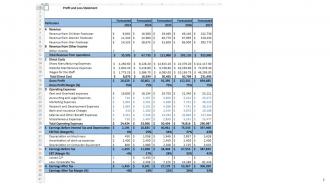
Slide 45: The slides provide a glimpse of the projected profit and loss statement to visualize the shoe store financial performance for the next five years.
Slide 46: The slides provide a glimpse of the projected profit and loss statement to visualize the shoe store financial performance for the next five years.
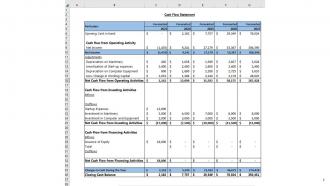
Slide 47: The slides highlight the company's cash flow statement to provide a detailed picture of what happened to a business's cash during a specified period.
Slide 48: The slides highlight the company's cash flow statement to provide a detailed picture of what happened to a business's cash during a specified period.
Slide 49: The slides cover the snapshot of the company's financial position at a specific time.
Slide 50: The slides cover the snapshot of the company's financial position at a specific time.
Slide 51: This slide is to examine the effects of potential future events on the company’s performance by considering different outcomes.
Slide 52: The purpose of this slide is to examine the effects of potential future events on the company’s performance by considering different outcomes.
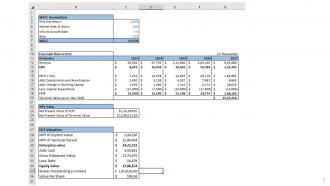
Slide 53: The purpose of this slide is to calculate the amount of money an investor would get from an investment after adjusting for the time value of money.
Slide 54: This slide exhibit table of content- Management Summary.
Slide 55: The slide highlights the organizational hierarchy in the company.
Slide 56: This slide highlights the founder’s biggest professional achievements and most valuable skills.
Slide 57: This slide highlights the job roles and responsibilities of shoe store key management people to determine what kind of job has to be done.
Slide 58: This slide highlights the job roles and responsibilities of skincare key management people to determine what kind of job has to be done.
Slide 59: This slide exhibit table of content- Possible exit strategies for footwear industry.
Slide 60: This slide represents exit strategies such as sell-offs, IPOs, mergers, and acquisitions that enable the entrepreneur to liquidate their position.
Slide 61: This slide exhibit table of content- Key abbreviations used in the plan.
Slide 62: The purpose of this slide is to highlight the shorter version of existing words to save time and take up less space.
Slide 63: This is the icons slide.
Slide 64: This slide presents title for additional slides.
Slide 65: This slide showcase Magnifying glass.
Slide 66: This slide display Venn.
Slide 67: This slide display Financial.
Slide 68: This slide display Our goal
Slide 69: This slide shows puzzle for displaying elements of company.
Slide 70: This slide depicts posts for past experiences of clients.
Slide 71: This slide exhibits ideas generated.
Slide 72: This slide shows roadmap of company.
Slide 73: This slide depicts 30-60-90 days plan for projects.
Slide 74:
Shoe Shop Business Plan Powerpoint Presentation Slides with all 79 slides:
Use our Shoe Shop Business Plan Powerpoint Presentation Slides to effectively help you save your valuable time. They are readymade to fit into any presentation structure.






FAQs for Shoe Shop Business Plan
So first thing - figure out who you're competing against and what customers actually want in your area. Location is everything with shoe stores, like seriously, I've seen great stores fail just because of bad foot traffic. You'll need solid numbers on startup costs, inventory (which gets crazy with all the different sizes), rent, staff, the whole deal. What's your angle gonna be - athletic shoes, dress shoes, trendy stuff? That affects everything. Research some successful shoe stores in similar towns to see what works. Don't wing the financial projections either - map out at least two years of realistic sales and marketing plans.
Honestly, market trends run the whole game in shoe retail. They decide your inventory, pricing strategy, everything. Look at how sustainable shoes and athleisure blew up - I swear nobody wears real shoes anymore, just sneakers 24/7. When the economy's rough, people hunt bargains instead of buying premium stuff. You've got seasonal shifts, celebrity collabs, social media hype creating these crazy demand spikes. The trick? Stay on top of fashion forecasts and your sales numbers. That way you can pivot your stock mix while trends are rising, not when they're already dead.
Look at your past sales data first - boots obviously fly off shelves in fall, sandals in summer. Focus your money on the styles that actually make you profit (ABC analysis helps here). For your bestsellers, keep some backup stock because running out of popular sizes is the worst. Set up automatic reorder alerts in your system so you're not scrambling last minute. Just-in-time ordering works great for trendy stuff that moves fast. Do regular counts since shoes get stolen or damaged more than you'd think. Track your turnover weekly - honestly, most shoe stores don't watch their numbers closely enough and it shows.
Honestly, just walk around your area first and see who's actually buying shoes. Check out the competition too - what are they missing? Your location matters a ton here. Mall stores get totally different crowds than downtown or strip centers. Look at age ranges, income levels, how people shop. Are you seeing families with kids, young professionals, athletes? I'd watch foot traffic at different times - weekends vs weekdays can be night and day. Once you figure out your main 2-3 customer types, you can build your inventory around them. The demographics research stuff is important but nothing beats actually observing what's happening.
Dude, branding is huge for a shoe shop. You're competing with tons of other places selling footwear, right? What makes people pick you over the store down the street comes down to how they feel about your brand. I mean, nobody's just buying shoes - they're buying into whatever vibe you're putting out there. Maybe you're the cool sneaker spot or the place for solid work boots. Either way, you've got to keep that same energy across everything - your store, Instagram, how you treat customers. Figure out your personality first, then make sure it shows up everywhere. Trust me, consistency pays off.
Check out your competitors monthly - I hit up their stores and scroll through their websites to see what they're up to. Pricing, product mix, how they've got everything laid out. Their social media tells you a lot too, plus customer reviews are goldmines for spotting what they're missing. Honestly, it's kind of addictive once you get into it! Set up Google alerts so you don't miss their announcements. The whole point is figuring out what makes you different - maybe it's your service, maybe you carry stuff they don't, or you've got better prices.
So you'll need the basics - revenue forecasts, startup costs, monthly expenses. Break revenue down by shoe types and seasons because footwear is weirdly seasonal. Cash flow projections for 18 months minimum, plus when you'll actually make money. Inventory's gonna eat up tons of cash - shoes are expensive to stock. Don't forget rent, utilities, wages, marketing stuff. Oh and be conservative with sales estimates. I've seen too many people get overly optimistic then crash hard when reality hits. Better to beat low numbers than miss high ones, you know?
Honestly, digital marketing is a game-changer for shoe sales. Instagram and Facebook ads let you hit people right when they're shopping - and shoes are perfect for social media since they're so visual. I'd start with just one platform though, don't spread yourself too thin at first. Email campaigns work really well for seasonal stuff and new drops to your regulars. Oh, and SEO is clutch - when someone googles "running shoes near me" you want to pop up. The targeting these days is pretty insane, you can literally reach people based on their shopping habits.
So there's tons of options here! You could team up with local boutiques for cross-promos, or hit up fitness centers and dance studios since those people are always needing new shoes. Podiatrists are actually a goldmine for referrals too. Online stuff works well - influencer collabs, affiliate deals with fashion bloggers, that kind of thing. Don't sleep on supplier partnerships either, sometimes you'll get exclusive styles or better pricing. Honestly, the sweet spot is finding businesses where your customers already hang out but you're not competing directly. Just make a list of where your ideal buyers shop and start there.
Dude, location is everything for a shoe shop. Seriously, you could have the sickest inventory but if you're tucked away somewhere with zero foot traffic, you're screwed. Look for spots with good visibility and where your target customers actually hang out. Parking is huge too - people won't circle the block for shoes unless they're desperate. I'd honestly camp out at potential locations during different hours to count how many people walk by. Oh, and don't stress too much about other shoe stores nearby. Sometimes that actually works in your favor since people like shopping multiple places when they're already in "shoe mode," you know?
Start with product training - your team needs to know shoe types, sizing, all that stuff. Have them shadow experienced people first. Role-play tricky situations like returns or when someone's between sizes. Teach them to ask about lifestyle needs instead of just "what size?" Shoe shopping is weirdly stressful for most people, so patience is huge. Don't let them rush customers who want to try on half the store. I'd do refreshers every few months too. Bottom line: when they know their stuff, they'll feel way more confident helping people.
So there's basically three ways to tackle this - what you sell, how you run things, and getting customers involved. Start by finding brands that actually use recycled materials or ethical manufacturing (vegan leather's getting pretty good these days). Operations-wise, cut down on packaging waste and maybe add energy-efficient lighting - people definitely notice. A shoe repair corner could be huge too, or even consignment stuff. Oh, and shoe recycling programs are becoming a thing. Honestly though, just pick one area that fits your budget first. You don't have to go crazy right away, then build from there once you see what works.
Dude, get Square or Shopify first - those POS systems are lifesavers. They track inventory, sales, customer stuff, everything in one spot. Trust me, with all your different sizes and styles, you'll go crazy without proper inventory tracking. Grab a barcode scanner too for faster checkout (customers hate waiting). The customer tools in these systems are actually pretty solid - you can see what people buy and send them deals they'll actually want. My cousin started with just the basic POS and added features later as things picked up. Way smarter than buying everything upfront.
Honestly, you HAVE to get online - there's no way around it anymore. People expect to shop whenever they want, and after COVID everyone's glued to their phones looking for stuff. No website means you're invisible to like half your customers. Yeah, shoes are weird to sell online since people can't try them on, but decent return policies fix most of that. My cousin's shoe store started with just basic online ordering and it saved their business. Even if you only sell a few pairs online at first, you need that presence. Start simple and figure it out as you go.
Dude, reviews are seriously your best friend for selling shoes. Most people totally trust what other customers say over whatever you write in your product descriptions. Like when someone says "these boots survived three years of hiking" - that hits different than you making the same claim. Google loves reviews too, so you'll show up higher in searches. I think like 70% of people check reviews before buying shoes online? Maybe more honestly. Ask your happy customers to leave reviews and put the good ones front and center on your site. Social media too.
-
One-stop solution for all presentation needs. Great products with easy customization.
-
Easily Editable.