


Clothing Retail Ecommerce Business Plan Powerpoint Presentation Slides




Try Before you Buy Download Free Sample Product
 Impress Your
 Audience
 100%
100% Editable
 Save Hours
 of Time


Ecommerce Business Plan deals with buying and selling products online. Check out our professionally designed presentation on Clothing Retail E commerce Business Plan to increase your brands profitability and sales. Our marketing plan deck overviews the insights and trends in the ecommerce clothes market. It further discusses the marketing strategy to draw in customers through pay per click advertising, affiliate marketing, influencer marketing, etc. Our Apparel Firm module incorporates the operational system for streamlining processes. It is done through the use of appropriate software, the implementation of blockchain technology, and more. Furthermore, Our online Clothing store PPT includes the company description, product offerings, and business model canvas. It also exhibits market and SWOT analysis, hierarchical structure, business partners, and awards. Lastly, it showcases the finances to track and measure the firms financial position. Download our 100 percent editable ecommerce business plan presentation and get access to our highly researched and skillfully designed product.
People who downloaded this PowerPoint presentation also viewed the following :
Content of this Powerpoint Presentation
Slide 1: This slide introduces Clothing Retail Ecommerce Business Plan. Commence by stating Your Company Name.
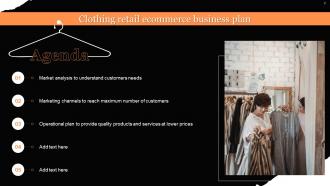
Slide 2: This slide depicts the Agenda of the presentation.
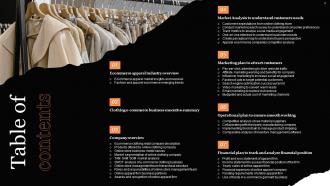
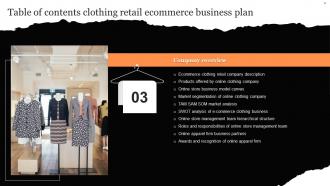
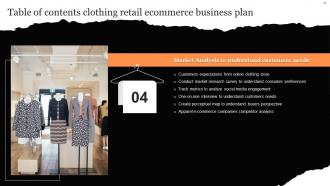
Slide 3: This slide incorporates the Table of contents.
Slide 4: This slide elucidates the Title for the Topics to be covered further.
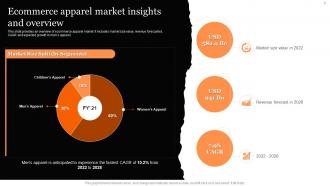
Slide 5: This slide provides an overview of ecommerce apparel market.
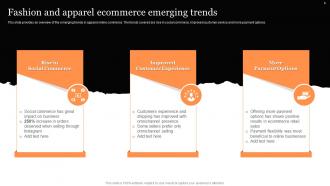
Slide 6: This slide highlights the emerging trends in apparel online commerce.
Slide 7: This slide displays the Heading for the Contents to be discussed further.
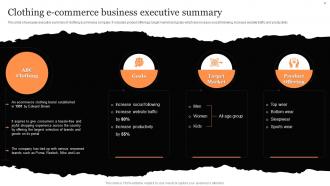
Slide 8: This slide showcases executive summary of clothing ecommerce company.
Slide 9: This slide elucidates the Title for the Ideas to be covered next.
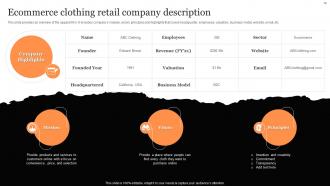
Slide 10: This slide provides an overview of the apparel firm, including company’s mission, vision, principles, etc.
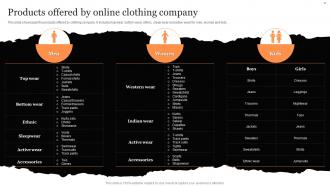
Slide 11: This slide states the Products offered by online clothing company.
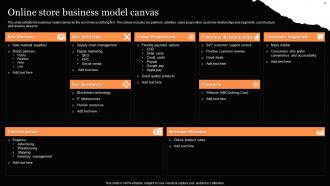
Slide 12: This slide exhibits the Online store business model canvas.
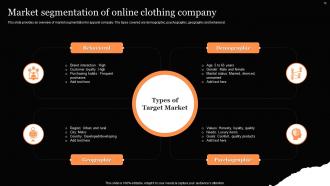
Slide 13: This slide presents the Market segmentation of online clothing company.
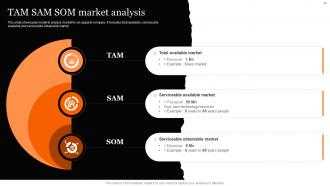
Slide 14: This slide elucidates the TAM SAM SOM market analysis.
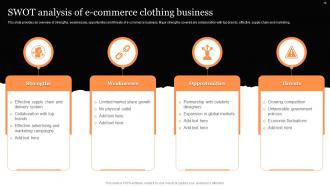
Slide 15: This slide shows the SWOT analysis of e-commerce clothing business.
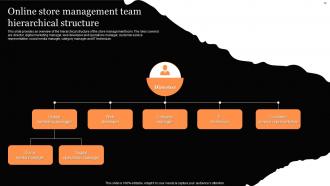
Slide 16: This slide represents the Online store management team hierarchical structure.
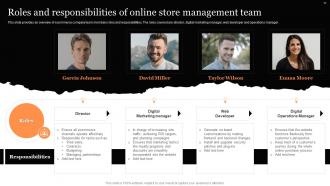
Slide 17: This slide mentions about the ecommerce company team members roles and responsibilities.
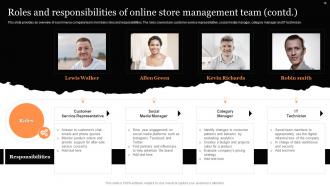
Slide 18: This slide continues the Roles and responsibilities of online store management team.
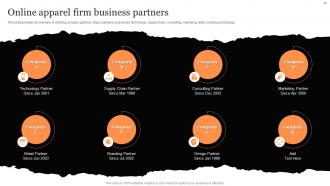
Slide 19: This slide lists the Online apparel firm business partners.
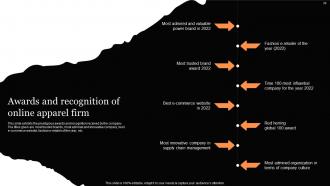
Slide 20: This slide exhibits the prestigious awards and recognition received by the company.
Slide 21: This slide highlights the Heading for the Components to be covered next.
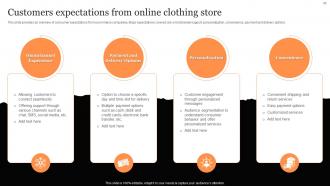
Slide 22: This slide deals with the Customers expectations from online clothing store.
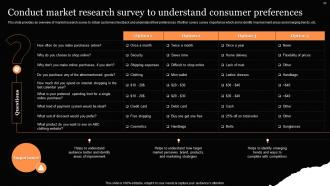
Slide 23: This slide focuses on the Conduct market research survey to understand consumer preferences.
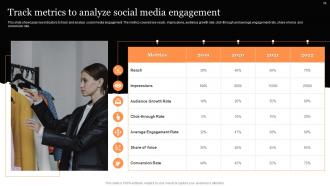
Slide 24: This slide showcases key indicators to track and analyze social media engagement.
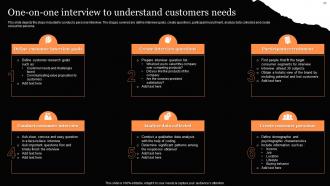
Slide 25: This slide depicts the steps included to conduct a personal interview.
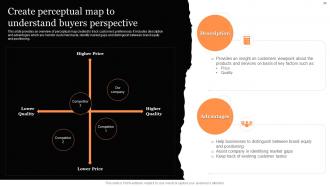
Slide 26: This slide provides an overview of perceptual map created to track customers preferences.
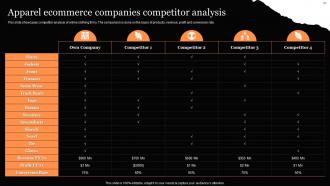
Slide 27: This slide displays the Apparel ecommerce companies competitor analysis.
Slide 28: This slide incorporates the Title for the Topics to be discussed in the upcoming template.
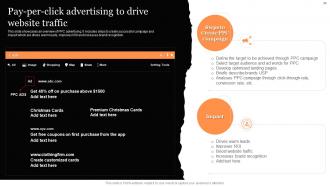
Slide 29: This slide showcases the Pay-per-click advertising to drive website traffic.
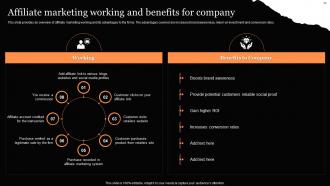
Slide 30: This slide highlights the Affiliate marketing working and benefits for company.
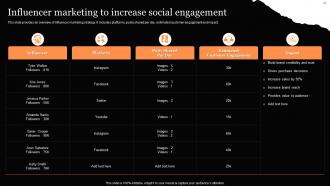
Slide 31: This slide provides an overview of influencer marketing strategy.
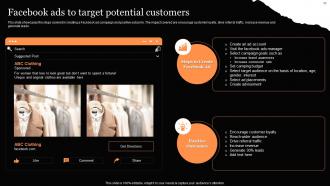
Slide 32: This slide showcases the steps covered in creating a Facebook ad campaign and positive outcome.
Slide 33: This slide depicts the SEO success pyramid that includes quality content, keyword research, link building and social media.
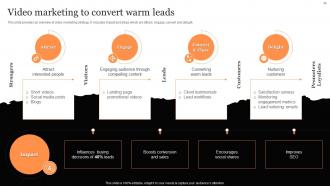
Slide 34: This slide provides an overview of video marketing strategy.
Slide 35: This slide showcases cart abandonment email marketing to re-target customers.
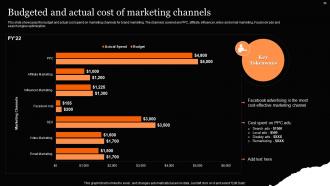
Slide 36: This slide elucidates the budget and actual cost spend on marketing channels for brand marketing.
Slide 37: This slide mentions about the Title for the Components to be discussed further.
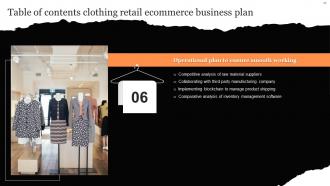
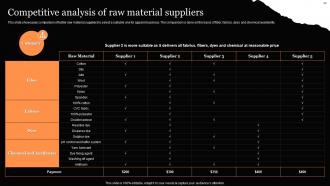
Slide 38: This slide shows comparison of textile raw material suppliers to select a suitable one for apparel business.
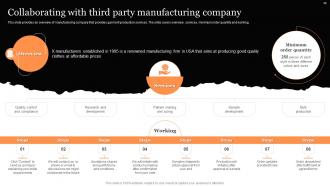
Slide 39: This slide provides an overview of manufacturing company that provides garment production services.
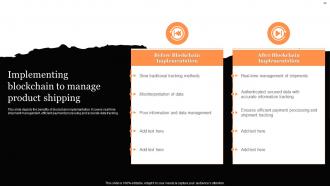
Slide 40: This slide depicts the benefits of blockchain implementation.
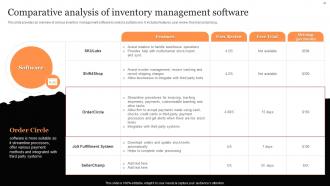
Slide 41: This slide deals with the Comparative analysis of inventory management software.
Slide 42: This slide incorporates the Title for the Ideas to be covered in the upcoming template.
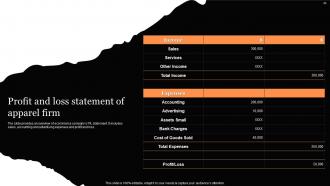
Slide 43: The slide provides an overview of ecommerce company’s P/L statement.
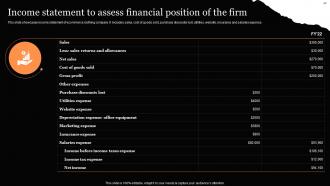
Slide 44: This slide represents the Income statement to assess financial position of the firm.
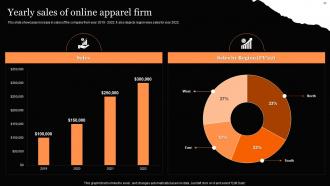
Slide 45: This slide showcases increase in sales of the company from year 2019 - 2022.
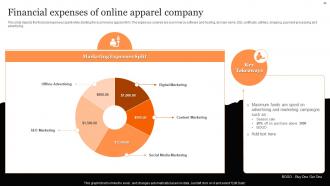
Slide 46: This slide depicts the financial expenses spent while starting the ecommerce apparel firm.
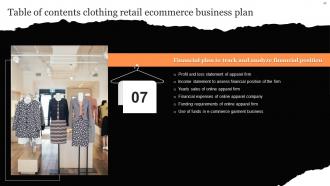
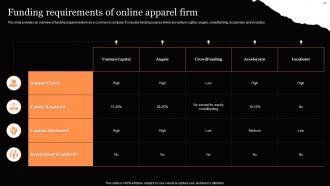
Slide 47: This slide provides an overview of funding requirements in an e-commerce company.
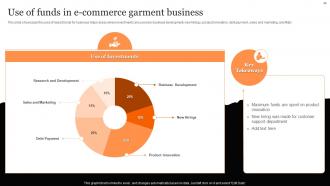
Slide 48: This slide displays the uses of raised funds for business.
Slide 49: This is the Icons slide containing all the Icons used in the plan.
Slide 50: This slide is used for depicting the Additional information.
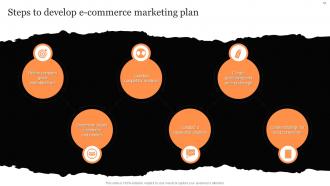
Slide 51: This slide reveals the Steps to develop e-commerce marketing plan.
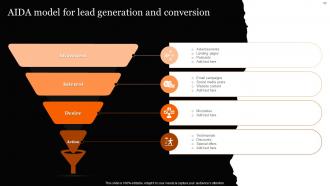
Slide 52: This sid epresents the AIDA model for lead generation and conversion.
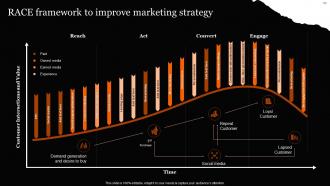
Slide 53: This slide illustrates the RACE framework to improve marketing strategy.
Slide 54: This is the About us slide for showcasing company related information.
Slide 55: This is Our mission slide. State your organization's mission, vission, and goals here.
Slide 56: This is Our team slide for stating the information related to the team members.
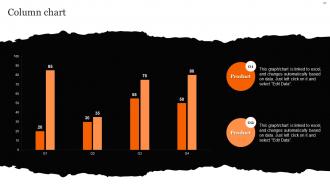
Slide 57: This slide emphasizes on the Column chart.
Slide 58: This is the Thank You slide for acknowledgement.
Clothing Retail Ecommerce Business Plan Powerpoint Presentation Slides with all 63 slides:
Use our Clothing Retail Ecommerce Business Plan Powerpoint Presentation Slides to effectively help you save your valuable time. They are readymade to fit into any presentation structure.







FAQs for Clothing Retail Ecommerce Business Plan
Honestly, everyone's obsessed with personalization right now - like those creepy-accurate product suggestions based on what you've been browsing. Sustainability messaging is massive too. People actually care about eco-friendly brands now, not just lip service. Social commerce is insane though - I swear Instagram and TikTok are just shopping apps disguised as social media. You'll see AR try-ons everywhere and customers expect everything delivered yesterday. If I were you? Start with your social game and green messaging. That's where the real engagement happens, and it's honestly easier than overhauling your whole tech stack.
Honestly, visual stuff is everything for clothing brands on social. Post good outfit pics and behind-the-scenes content that shows your clothes in actual real-life situations. Instagram and TikTok are obvious picks - Pinterest works great too depending on who you're going after. The real magic happens when customers start posting themselves in your pieces. Repost those and create hashtag campaigns to get more people doing it. Oh, and Stories are perfect for flash sales or sneak peeks of new drops. I'd start by checking out what competitors are crushing, then figure out your own voice from there.
Dude, sustainable fashion isn't optional anymore for clothing brands. Gen Z and millennials literally research this stuff before buying—they want eco-friendly materials, ethical manufacturing, the whole deal. Social media has made it brutal too because people will drag you for greenwashing in like 2 seconds. You can't just slap "eco-friendly" on your homepage and call it a day. But honestly? If you're genuinely committed to sustainability, it's such a massive opportunity. Your customers will actually stick with you instead of bouncing to competitors. The transparency thing is huge right now.
Dude, you HAVE to get your mobile game right. Most fashion shoppers are on their phones now - like 70%+ are browsing and buying that way. Your images need to look killer on small screens, and honestly? The zoom function better work flawlessly or people will bounce. Fast loading is non-negotiable too. I'd actually focus on mobile before desktop at this point - that's where the money is. Oh, and test your checkout flow on different phones because nothing's worse than losing someone at payment. Trust me, fix the mobile experience first and you'll see the difference immediately.
Honestly, start with your checkout flow - that's where you'll see the biggest impact. Show shipping costs upfront instead of surprising people at the end. Keep checkout to like 2-3 steps max because nobody has patience for more than that. For clothing specifically, sizing is huge. Good size charts with actual customer fit reviews help a ton. Cart abandonment emails are clutch too - send them within an hour and you can recover 20%+ of those lost sales. Oh, and trust badges plus mobile payment options (Apple Pay, etc.) make people way more comfortable buying. AR try-on is cool if you've got the budget, but honestly fix the basics first.
Honestly, data analytics is a total lifesaver for inventory. Track your past sales and seasonal patterns - you'll quickly see which sizes and colors fly off the shelves. I'd start with just your top 20% of products first, don't overwhelm yourself. The seasonal insights are clutch for clothing brands. You can spot regional differences too - like maybe West Coast customers prefer different fits than East Coast ones. Set automated reorder points based on how fast things actually sell, and try to predict demand 2-3 months out before busy seasons hit. It prevents you from getting stuck with dead stock.
Start with product recommendations - they're super easy to set up and actually boost sales. Use their browsing history to show "customers who bought this also loved" suggestions, or recommend sizes based on what they've looked at before. Email segmentation is gold too. Send different campaigns to your regulars vs newbies. Honestly, even tiny stuff like saving their cart items feels personal. Oh, and dynamic homepages work well - show content based on their style preferences. I'd focus on the recommendation engine first since it's straightforward but makes them feel like you totally get their vibe.
Honestly, payment options can totally make or break your sales. People will straight up ditch their cart if they don't see what they want at checkout - it's wild how often that happens. Gen Z customers basically expect those buy-now-pay-later things like Afterpay for clothes (because yeah, $200 upfront hurts). PayPal and Apple Pay are pretty much must-haves too since people trust them. The whole thing is about making it stupid easy to actually pay. I'd throw in at least 3-4 different options to start with.
Dude, influencer partnerships actually work really well for clothing brands. I've seen some get like 3-10x return on their investment. People trust the influencers they follow way more than regular ads, so when they wear your stuff naturally it converts. Honestly, skip the mega celebrities - micro-influencers with 10K-100K followers are usually better because their audience is more engaged. Their followers literally want to copy their style. I'd start with maybe 2-3 influencers who fit your vibe and use tracking codes so you can see what's actually selling.
Dude, customer feedback is everything in clothing. Like, without it you're just throwing darts blindfolded. Reviews tell you when that "relaxed fit" actually runs tiny, or when fabric starts pilling after one wash. Return data shows what's not working. Colors people hate. Fits that look great online but terrible IRL. Honestly? Each review is basically free research most companies pay thousands for. I always tell people to read the 3-star reviews especially - they're usually the most honest about actual problems. Use all that info for your next drop.
Make your return policy super generous - 30-60 days with free shipping back. People need that security when they can't try things on first. Send prepaid labels and push exchanges over refunds to keep the sale going. Size charts help but honestly they're still pretty unreliable. Process returns fast, like within 48 hours - customers totally remember when you're quick about it. I'd definitely do free exchanges just for sizing issues. Oh, and audit your current return rate first to see where people are actually dropping off in the process.
Website design seriously matters for clothing sales. Good photos and fast loading times are huge - I've watched bounce rates plummet just from fixing mobile issues. Navigation needs to be dead simple or people bail immediately. Size charts should be easy to find (why do some stores hide these?), plus you need decent zoom on product shots. The checkout process can't be a nightmare either. Actually go through buying something on your own site and see where it gets annoying. Those friction points are killing your sales.
Honestly, AI stuff is everywhere in retail now. Virtual try-ons are huge - customers can see how clothes look through their phone camera, which is pretty cool. Size prediction and personalized styling are becoming the norm too. Voice search and visual search are taking off, so people can literally upload a photo of something they want or just describe it. Way better inventory systems mean less of those frustrating sold-out situations. Oh, and returns drop big time with virtual fitting tools. If you're not doing any of this yet, I'd definitely start there - customers are obsessed with trying stuff on virtually.
Starting a clothing brand is brutal, honestly. Everyone's already loyal to brands they know, so getting people to trust yours is tough. Big companies throw millions at marketing while you're scraping together ad budgets. Customer acquisition costs you way more than it should. Supply chains are a nightmare too - you can't get the same deals as major retailers, so profits are thin. The whole sizing thing is probably the worst part since people can't try stuff on first. My advice? Don't try to be everything to everyone right away. Pick your niche and absolutely crush it there.
AR try-on stuff is seriously amazing now - customers can test clothes and accessories straight from their phone. Way fewer returns that way. VR's cool too for like virtual showrooms or fashion shows people can check out from their couch. Honestly the AR tech has gotten so much better recently, it's kind of wild. Both solve that huge problem where people buy clothes online and have no clue how they'll actually look. I'd start with AR since pretty much everyone's got a phone that can handle it. No weird headsets or anything.
-
SlideTeam is the best in the business. Their templates are engaging and customizable. You can rely on them.
-
No second thoughts when I’m looking for excellent templates. SlideTeam is definitely my go-to website for well-designed slides.