


Compensation And Benefits Powerpoint Presentation Slides





Try Before you Buy Download Free Sample Product
 Impress Your
 Audience
 100%
100% Editable
 Save Hours
 of Time


Work with our handpicked designs, compensation and benefits Powerpoint presentation slides. Have a strong fundamental impact on the audience and endure your services and relations. Providing this PowerPoint bundle of twenty-seven pro's and co.’s slides to decorate your thoughts. Highlight various compensation plans, reflect on compensation benefits, performance & talent management. Use these PPT decks to keep a track on your internal assessment, external assessment and management plans. These are innovative designs that not only help its customers overcome difficulties but also let the employees make out why this is an appropriate choice along with reasoning. We have included multiple charts and graphs, overviews, analysis templates and agenda slides to help raise significant aspects of your presentation. Mark the authority of your mind with our compensation and benefits PPT bundle Our Compensation And Benefits Powerpoint Presentation Slides have a hearty approach. They help express genuine emotions.
People who downloaded this PowerPoint presentation also viewed the following :
Content of this Powerpoint Presentation
Slide 1: This slide introduces Compensation and Benefits. State Your Company Name and begin.
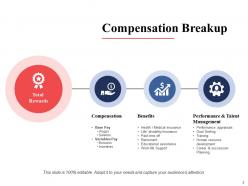
Slide 2: This slide showcases Compensation Breakup.
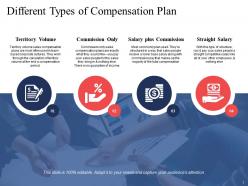
Slide 3: This slide presents Different Types of Compensation Plan.
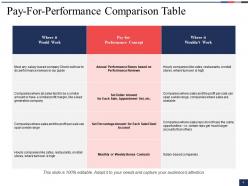
Slide 4: This slide showcases Pay-For-Performance Comparison Table.
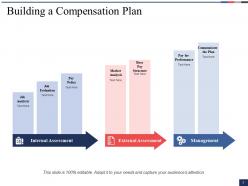
Slide 5: This slide presents Building a Compensation Plan.
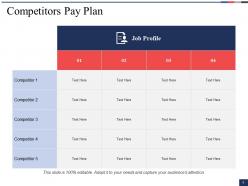
Slide 6: This slide showcases Competitors Pay Plan.
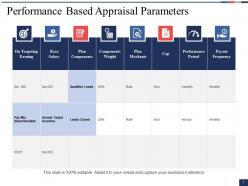
Slide 7: This slide presents Performance Based Appraisal Parameters.
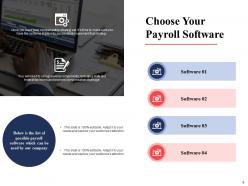
Slide 8: This slide shows Choose Your Payroll Software.
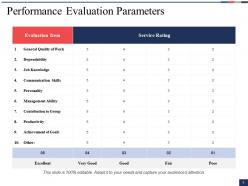
Slide 9: This slide presents Performance Evaluation Parameters.
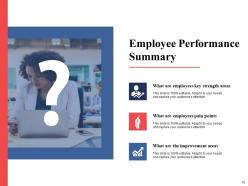
Slide 10: This slide shows Employee Performance Summary with these of the following parameters- What are employees key strength areas, What are employees pain points, What are the improvement areas.
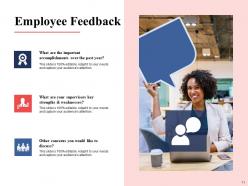
Slide 11: This slide presents Employee Feedback with the listed factors you can apply and use.
Slide 12: This slide is a Coffee Break image for a halt.
Slide 13: This slide is titled Additional Slides.
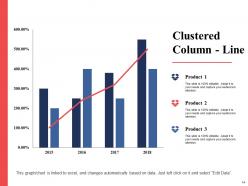
Slide 14: This slide showcases Clustered Column - Line.
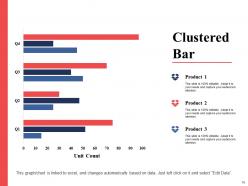
Slide 15: This slide showcases Clustered Bar.
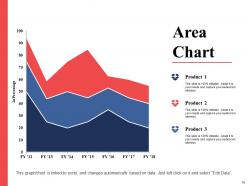
Slide 16: This slide shows Area Chart.
Slide 17: This slide represents Our Mission. State your mission, goals etc.
Slide 18: This slide showcases Our Team with Name and Designation to fill.
Slide 19: This slide presents About Us. You can add the company details and make use of it.
Slide 20: This slide shows Comparison of Positive Factors v/s Negative Factors with thumbsup and thumb down imagery.
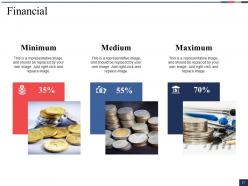
Slide 21: This is a Financial Score slide to show financial aspects here.
Slide 22: This is a Quotes slide to convey message, beliefs etc.
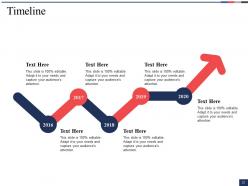
Slide 23: This is a Timelines slide to show- Plan, Budget, Schedule, Review.
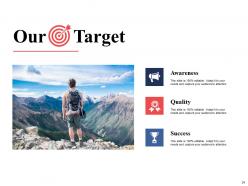
Slide 24: This slide showcases Success.
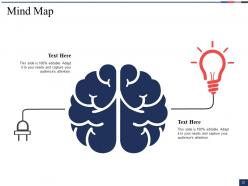
Slide 25: This slide shows a Mind map for representing entities.
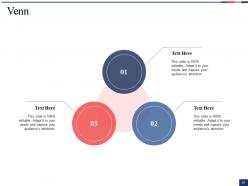
Slide 26: This is a Venn diagram slide to show information etc.
Slide 27: This is a Thank You slide with Address# street number, city, state, Contact Numbers, Email Address.
Compensation And Benefits Powerpoint Presentation Slides with all 27 slides:
Draw up an interesting itinerary with our Compensation And Benefits Powerpoint Presentation Slides. Inject excitement into the journey.







FAQs for Compensation And Benefits
So you've got four main pieces: base salary, variable stuff like bonuses, benefits, and the non-cash perks. Start by checking what similar roles pay in your industry - that's your baseline. Make sure it actually drives the behaviors you want though, not just random metrics that look good on paper. Internal equity is huge too. Trust me, people will find out what others make and you don't want that drama. Oh, and think total rewards, not just the paycheck amount. Build something that fits your company culture because what works at Google might bomb at a startup. Short version? Benchmark first, then customize based on what actually motivates your people.
Dude, good benefits are seriously a game changer for keeping people around. Health insurance, 401k matching, PTO - that stuff makes people feel like you actually care about them, not just what they produce. I literally know someone who passed up a $10k raise because their current company had amazing healthcare coverage (her kid has asthma, so that mattered big time). The trick is figuring out what your specific team wants though. Don't just guess - ask them! Maybe it's flexible schedules, maybe it's better parental leave. Survey people and actually listen to what they say.
So job benchmarking is basically how you avoid wildly underpaying or overpaying people. You compare your open roles to similar jobs at other companies - same industry, location, all that stuff. Think of it like checking what houses in your neighborhood sold for before listing yours. Look at responsibilities, experience needed, company size to make sure you're not comparing a startup gig to Google. Honestly, the market moves so fast now that you've got to update this data pretty regularly. Multiple sources help too since some surveys can be way off.
Start with pay audits - compare your salaries to market data using Glassdoor or Radford. Track turnover rates and how long it takes to fill positions. Exit interviews are honestly where you'll get the real tea since people leaving actually spill about pay issues. Keep an eye on whether your top performers are staying put too. Anonymous employee surveys about compensation work great - just make sure you're comparing that feedback to your retention numbers. Oh, and don't forget internal mobility rates. If people can't move up internally, that's usually a red flag for compensation problems.
Flexibility and mental health stuff are huge right now. Companies are doing mental health stipends, unlimited PTO that's actually real, proper flexible work. Four-day weeks are still pretty niche though. The lifestyle benefits are where it's at - student loan help, childcare support, pet insurance, sabbaticals. Wellness has gotten way more sophisticated too. Instead of just gym memberships, you'll see meditation apps, therapy coverage, financial coaching. Oh, and definitely survey your team first rather than just guessing what they want. I've seen too many companies roll out benefits nobody asked for.
Yeah location is huge for salary stuff. Companies basically adjust pay based on what it costs to live there and how competitive the job market is. San Francisco and NYC pay more but honestly you might have more spending money making less in like Austin or Denver - cost of living is nuts in those big cities. Benefits change too depending where you are, stuff like transit passes or housing help. Oh and remote work policies vary by region which is kinda random. I'd definitely look up what people actually make in your area and factor in rent, taxes, all that before you say yes to anything.
Dude, remote work is making compensation super weird right now. Companies don't know whether to pay based on where you live or where they're based. Some are still throwing Silicon Valley money at people in cheap cities, others are cutting salaries based on your zip code. Honestly? Most places are just winging it. You'll need to get transparent about your pay philosophy though - employees expect that now. Don't forget about all the random stuff like home office budgets and co-working memberships. That's part of compensation too, even if it feels like small potatoes. I'd start by checking what other remote companies in your space are doing.
Honestly, you've gotta do both - check what the market's paying AND audit your internal stuff to catch any weirdness. Group similar jobs together first, then compare your pay vs. market rates. Here's where it gets messy though: sometimes people are underpaid compared to coworkers but you're already paying above market rate. Those situations suck and you'll have to pick your battles budget-wise. Do this every year minimum and just be upfront with people about how you approach pay. Oh, and create salary bands that factor in both things so you're not always scrambling to fix problems.
Oh man, employment law compliance is no joke when you're building comp packages. The Fair Labor Standards Act covers minimum wage and overtime stuff. Equal Pay Act stops wage discrimination. ERISA handles retirement plans, ACA deals with health benefits - honestly, the state requirements alone will make your head spin. You've gotta document everything too because pay equity audits are brutal if you're not prepared. My biggest tip? Get tight with your legal and HR compliance folks right away. Also, audit your programs regularly before small problems turn into those nightmare lawsuits nobody wants to deal with.
Dude, data analytics is a game changer for compensation stuff. Instead of guessing or using some ancient salary survey, you get real numbers showing pay gaps and who's about to bounce. You can run scenarios too - like what if we give engineering an 8% bump vs just rewarding the stars? Honestly, the retention modeling is pretty sick. You'll see if your pay changes actually work or if people still leave anyway. My advice? Start simple with something like turnover rates by pay level. Don't try to boil the ocean right away.
Yeah, so beyond the basic health/PTO stuff, companies are doing wild things now. Mental health stipends with no limits, travel budgets if you want to work remotely from Bali or whatever. Some places even cover pet insurance - which honestly makes sense since vet bills are insane. The cool part is personalized packages where you pick what fits your life. Need fertility help? Elder care? Professional development money? You can usually swap things around. Four-day weeks are popping up more too. I'd just look at what your company actually offers vs what you need right now.
Honestly, you've got to nail down specific goals that actually connect to what your business needs. Nobody wants to be judged on random stuff they can't even control - that's just demoralizing. I'd go with maybe 70-80% base salary, then add performance bonuses on top. People need to know they can pay their bills, you know? Don't wait for annual reviews either. Check in regularly so people aren't guessing how they're doing. Oh, and transparency is huge - if someone doesn't understand how their pay works, you're already screwed. Just make sure whatever metrics you pick actually matter to your company's success.
Ugh, the main problem is comp stuff is just ridiculously complicated but people want straightforward answers. Base pay, bonuses, health insurance, 401k matching - there's so much moving pieces. Even HR reps get tongue-tied explaining it sometimes (which is kinda concerning tbh). Everyone cares about different things too, so what's huge for one person doesn't matter to the next. You can't always share everything upfront during hiring either. Best bet? Start with the basics that hit everyone, then have the detailed stuff ready for people who actually want to dig deeper into specifics.
Honestly, pulse surveys work really well for this stuff. Ask specific questions about health insurance, PTO, retirement - you know, the benefits people actually care about. Exit interviews are where you'll get the brutal truth though, since people don't hold back when they're already out the door. I'd also check your enrollment numbers because if nobody's signing up, something's obviously wrong. Focus groups are solid too if you want to dig deeper than just survey responses. Oh, and track utilization rates - that tells you a lot. Start small with maybe 3-5 questions quarterly about your biggest benefits.
Dude, you gotta think outside the salary box when money's tight. Remote work and flex hours cost you nothing but people absolutely love them. Professional development budgets or extra vacation days work too. Check Glassdoor to see what competitors are paying - that's always eye-opening. Performance bonuses tied to company wins can be smart if you structure them right. But honestly? Just ask your team what they actually want. I did this once and was shocked how much they cared about leaving early on Fridays vs. more cash. Work-life balance beats an extra couple grand for most people these days.
No Reviews