


Diapositivas de presentación de Powerpoint del marco de manejo de quejas




Try Before you Buy Download Free Sample Product
 Impress Your
 Audience
 100%
100% Editable
 Save Hours
 of Time


Nuestras diapositivas de presentación de Powerpoint del marco de manejo de quejas están diseñadas por temas para proporcionar un telón de fondo atractivo para cualquier tema. Úsalos para lucir como un profesional de presentaciones.
People who downloaded this PowerPoint presentation also viewed the following :
Contenido de esta presentación de Powerpoint
Diapositiva 1 : Esta diapositiva muestra el título, es decir, "Marco de gestión de quejas" y el nombre de su empresa.
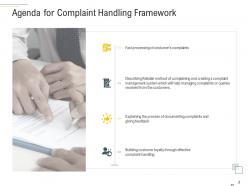
Diapositiva 2 : Esta diapositiva presenta la agenda.
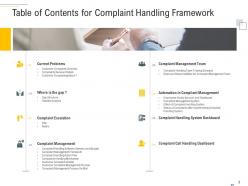
Diapositiva 3 : Esta diapositiva muestra el índice.
Diapositiva 4 : esta diapositiva muestra el título de cuatro temas que se cubrirán en la plantilla.
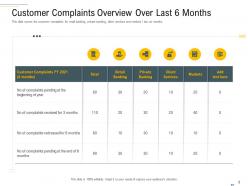
Diapositiva 5 : Esta diapositiva cubre las quejas de los clientes de banca minorista, banca privada, servicios al cliente y mercados en los últimos seis meses.
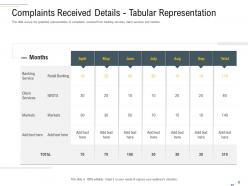
Diapositiva 6 : Esta diapositiva cubre la representación gráfica de las quejas recibidas de los servicios bancarios, servicios al cliente y mercados.
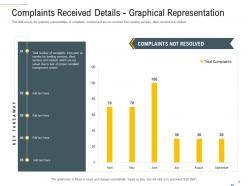
Diapositiva 7 : Esta diapositiva cubre la representación gráfica de las quejas recibidas y no resueltas de los servicios bancarios, atención al cliente y mercados.
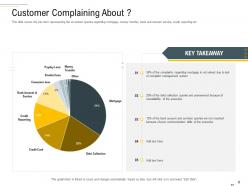
Diapositiva 8 : Esta diapositiva cubre el gráfico circular que representa las consultas no resueltas sobre hipotecas, transferencias de dinero, servicios bancarios y de cuentas, informes crediticios, etc.
Diapositiva 9 : Esta diapositiva muestra el título de los próximos dos temas que se cubrirán en la plantilla.
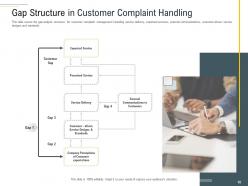
Diapositiva 10 : Esta diapositiva cubre la estructura de análisis de brechas para la gestión de quejas de los clientes, incluida la prestación de servicios, los servicios esperados, etc.
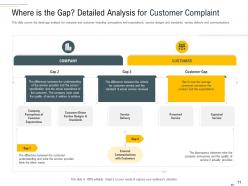
Diapositiva 11 : Esta diapositiva cubre el análisis detallado de brechas para la empresa y el cliente, incluidas las percepciones y expectativas, los diseños de servicios, etc.
Diapositiva 12 : Esta diapositiva muestra el título de los próximos dos temas que se cubrirán en la plantilla.
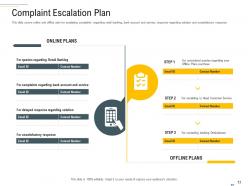
Diapositiva 13 : Esta diapositiva cubre el plan en línea y fuera de línea para escalar quejas relacionadas con la banca minorista, cuentas y servicios bancarios, etc.
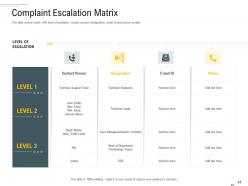
Diapositiva 14 : esta diapositiva cubre la matriz con el nivel de escalamiento de la persona de contacto, la designación, la identificación del correo electrónico y el número de teléfono.
Diapositiva 15 : esta diapositiva destaca el título de los próximos siete temas que se cubrirán en la plantilla.
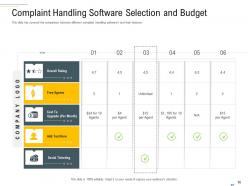
Diapositiva 16 : Esta diapositiva cubre la comparación entre los diferentes software de manejo de quejas y sus características.
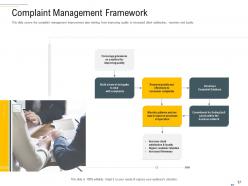
Diapositiva 17 : Esta diapositiva cubre el plan de mejora de la gestión de quejas, desde mejorar la calidad hasta aumentar la satisfacción del cliente, etc.
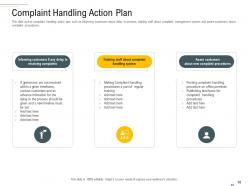
Diapositiva 18 : Esta diapositiva cubre el plan de acción para el manejo de quejas, como informar a los clientes sobre la demora en el proceso, capacitar al personal, etc.
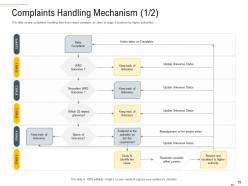
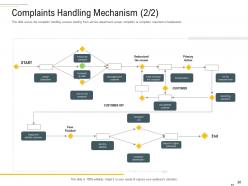
Diapositiva 19 : Esta diapositiva cubre el flujo de manejo de quejas desde la queja presentada por el cliente hasta la etapa 5 resuelta por autoridades superiores.
Diapositiva 20 : esta diapositiva cubre el proceso de manejo de quejas que comienza desde que el departamento de servicio acepta la queja hasta la queja que se informa a la sede.
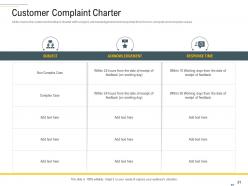
Diapositiva 21 : esta diapositiva cubre la carta de comentarios del cliente con asunto, reconocimiento y tiempo de respuesta para casos complejos y no complejos.
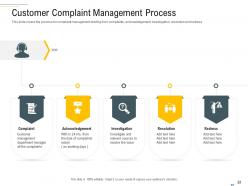
Diapositiva 22 : Esta diapositiva cubre el proceso de gestión de quejas a partir de las quejas, el reconocimiento, la investigación, la resolución y la reparación.
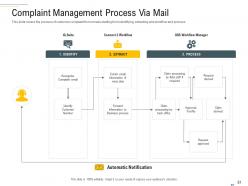
Diapositiva 23 : esta diapositiva cubre el proceso de quejas de los clientes a partir de correos electrónicos que comienzan con la identificación, la extracción y el proceso final del flujo de trabajo.
Diapositiva 24 : Esta diapositiva ilustra el título de los próximos dos temas que se cubrirán en la plantilla.
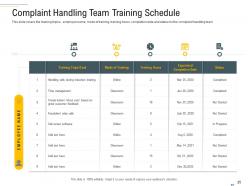
Diapositiva 25 : esta diapositiva cubre los temas de capacitación, el nombre del empleado, el modo de capacitación, las horas de capacitación, la fecha de finalización, etc.
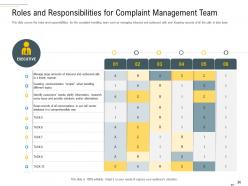
Diapositiva 26 : esta diapositiva cubre las funciones y responsabilidades del equipo de manejo de quejas, como la gestión de llamadas entrantes y salientes.
Diapositiva 27 : Esta diapositiva muestra el título de los próximos cuatro temas que se cubrirán.
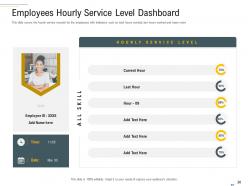
Diapositiva 28 : Esta diapositiva cubre los registros de servicio por hora de los empleados con indicadores como el total de horas trabajadas, las últimas horas trabajadas, etc.
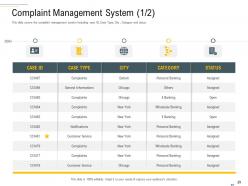
Diapositiva 29 : esta diapositiva cubre el sistema de gestión de quejas, incluida la identificación del caso, el tipo de caso, la ciudad, la categoría y el estado.
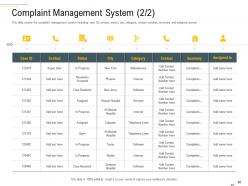
Diapositiva 30 : esta diapositiva cubre el sistema de gestión de quejas, incluido el ID del caso, el contacto, el estado, la ciudad, la categoría, el número de contacto, etc.
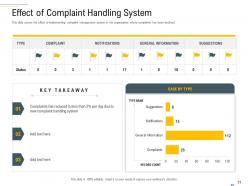
Diapositiva 31 : Esta diapositiva cubre el efecto de implementar un sistema de gestión de quejas en la organización donde las quejas han sido rechazadas.
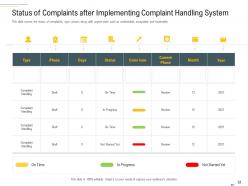
Diapositiva 32 : Esta diapositiva cubre el estado de las quejas, el tipo, la fase, junto con el estado urgente, como indeseable, aceptable e intolerable.
Diapositiva 33 : Esta diapositiva presenta el título del siguiente tema que se cubrirá en la plantilla.
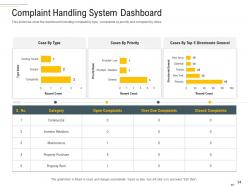
Diapositiva 34 : esta diapositiva cubre el panel de control e incluye quejas por tipo, quejas por prioridad y quejas por ciudades.
Diapositiva 35 : Esta diapositiva muestra el título del siguiente tema que se cubrirá.
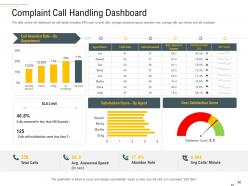
Diapositiva 36 : esta diapositiva cubre el panel de control con los detalles de las llamadas, incluidos los KPI, como el total de llamadas, la velocidad promedio de respuesta, la tasa de abandono, etc.
Diapositiva 37 : Esta es la diapositiva de iconos.
Diapositiva 38 : Esta diapositiva presenta el título de las diapositivas adicionales.
Diapositiva 39 : Esta diapositiva muestra detalles de los miembros del equipo como nombre, designación, etc.
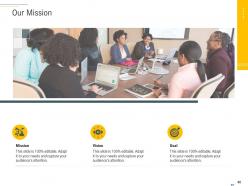
Diapositiva 40 : Esta diapositiva presenta la visión, misión y objetivos de su empresa.
Diapositiva 41 : esta diapositiva muestra información sobre su empresa, el público objetivo y los valores de sus clientes.
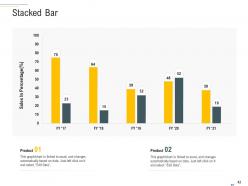
Diapositiva 42 : Esta diapositiva muestra gráficos de barras apiladas de ventas anuales para diferentes productos. Los gráficos están vinculados a Excel.
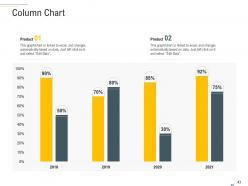
Diapositiva 43 : esta diapositiva muestra gráficos de columnas anuales para diferentes productos. Los gráficos están vinculados a Excel.
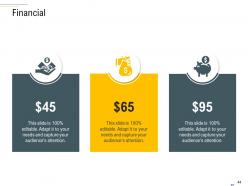
Diapositiva 44 : Esta diapositiva muestra las finanzas.
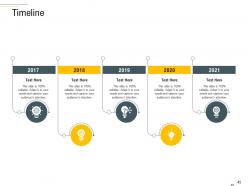
Diapositiva 45 : Esta diapositiva muestra una línea de tiempo anual.
Diapositiva 46 : Esta diapositiva muestra publicaciones de experiencias pasadas de clientes.
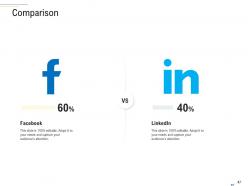
Diapositiva 47 : esta diapositiva destaca la comparación de productos según selecciones.
Diapositiva 48 : Esta es una diapositiva de agradecimiento y contiene detalles de contacto de la empresa, como la dirección de la oficina, el número de teléfono, etc.
Diapositivas de presentación de Powerpoint del marco de manejo de quejas con las 48 diapositivas:
Utilice nuestras diapositivas de presentación de Powerpoint del marco de manejo de quejas para ayudarlo de manera efectiva a ahorrar su valioso tiempo. Están listos para encajar en cualquier estructura de presentación.

FAQs for Complaint handling framework
You'll want five things that actually matter. Multiple ways for people to contact you - phone, email, whatever works. A system to track everything (seriously, future you will be grateful when someone asks about a case from six months ago). Set clear timelines for responses and know when to escalate stuff up the chain. Document your investigations properly - this isn't optional. Oh, and always circle back with people who complained, plus learn from what went wrong. Honestly though? Map out what you're doing now first. I bet you'll spot some pretty obvious holes you didn't even realize were there.
Honestly, you've gotta get your processes locked down with proper documentation and training. Map out your current workflow first - see where things go sideways. Then create step-by-step guides covering everything from the initial complaint to resolution, with clear timeframes and when to escalate. Same templates for everyone, same categories, same decision-making criteria. I've watched teams just improvise their way through cases and it's a nightmare! Training sessions keep people on track. Oh, and audit some cases now and then to spot inconsistencies before they become habits. Having it all written down eliminates the guesswork completely.
Dude, get yourself a decent complaint management system - it'll change everything. AI bots knock out the basic questions so your team isn't drowning in "how do I reset my password" tickets all day. The real magic happens with the tracking though. CRM systems stop customers from having to explain their whole saga every single time they call (seriously, nothing pisses people off more). Analytics help you catch problems early before they spiral. Oh, and those real-time dashboards? Game changer for spotting trends. Just make sure whatever platform you pick plays nice with your current tools. You'll probably cut your response times by like 50%.
Honestly, I'd hit three main things: listening skills, de-escalation, and your actual complaint process. Role-playing with real scenarios works so much better than boring training manuals - seriously, night and day difference. Make sure everyone knows when to grab a manager and how to escalate properly. Train them to acknowledge the customer's anger first, then pivot to solutions instead of getting all defensive. Oh, and give them actual power to fix common problems themselves - nothing's worse than "let me transfer you again." People forget this training fast, so you'll need regular refresher sessions to keep it sharp.
Track response times and how fast you resolve stuff - that's the obvious part. But here's the thing, those numbers don't matter if people are still pissed off afterward. Customer satisfaction scores tell you way more about what's actually working. I'd also watch complaint volume trends and whether your team feels confident handling issues. Like, are the same problems popping up over and over? Start with maybe 3-4 metrics max - measuring everything just gets messy. The goal is your staff feeling equipped and customers feeling heard.
Honestly, the best thing you can do is actually listen to what people are telling you - not just the formal complaints, but all the random stuff they mention on social media or in passing. I'd start checking feedback weekly and look for the same issues coming up over and over. Maybe it's slow response times or your team isn't communicating clearly. Sometimes the casual "soft complaints" are way more telling than the official ones. Once you spot your top 3 recurring problems, you can actually fix the processes or retrain people before things blow up. It's like catching problems early instead of playing defense all the time.
Honestly, most companies treat complaints like they're annoying interruptions instead of free feedback. That's mistake number one. Then they don't have clear rules for who handles what - so complaints get bounced around or just... disappear. Super frustrating. The worst part though? Nobody follows up afterward. You think you fixed it, but the customer is still pissed off. I'd set up something simple to track everything - even tiny complaints. Oh, and always circle back to make sure they're actually happy with how you handled it.
So there's this thing called the service recovery paradox - sounds fancy but it's basically when fixing someone's complaint actually makes them MORE loyal than if nothing went wrong. Wild, right? People want to see how you handle things when stuff hits the fan. If you're quick about it, genuinely helpful, and throw in something extra, they're like "damn, these guys actually get it." Your team should honestly get excited about complaints because that's where you can really shine. It's way better than those fake-perfect experiences nobody believes anyway.
Honestly, just give people options - let them complain however they want (online, phone, chat). Hand out reference numbers right away so they can actually track what's happening. I always think the worst part is being left in the dark, you know? Send updates even when there's nothing new to report. "Still looking into it" beats radio silence every time. Make sure they know they can escalate if needed. Different solutions might work better for different people. Really though, if you treat them like they're helping you solve something instead of just being a pain, it changes everything.
Honestly, just watch for three big red flags: how bad it is, how complicated, and what damage it could do. Your team can probably handle the usual stuff - wrong orders, late deliveries, whatever. But if there's safety issues, legal problems, or someone's absolutely losing their mind and threatening bad reviews everywhere? That goes upstairs fast. Multiple angry customers usually means something's broken in your system too. Oh, and definitely set clear rules so your people aren't guessing when to punt it to management - saves everyone the headache later.
Yeah, you definitely need to document everything - trust me on this one. I learned the hard way that you'll completely forget what happened within like a week. Write down the complaint AND how you fixed it. That way your team can handle similar stuff consistently later. The paper trail also covers you legally and shows auditors you're actually doing your job. Here's the thing though - the real benefit is spotting bigger problems early. When you see the same issue popping up repeatedly, that's your cue to fix whatever's causing it. Just grab a basic template and make it routine from the start.
Look, people just want to know what's going on with their complaint - it's really that simple. Keep them in the loop about timelines and progress updates. Being upfront shows you're not trying to hide anything or sweep their issue under the rug. The worst thing? Leaving someone hanging with zero communication. That's when they get really pissed off. Even if you can't fix their problem the way they want, explaining your reasoning honestly goes a long way. Oh, and make sure your whole team actually follows through on this - not just during the initial call but throughout the entire process.
Honestly, I'd start with ISO 10002 - it's like the gold standard for complaint handling and covers everything from when someone first complains all the way through follow-up. Pretty comprehensive stuff. Then you can add LEAN methodology on top to cut out any weird bottlenecks in your process. There's also the LAST method (Listen, Apologize, Solve, Thank) which works great for training your front-line people. Oh, and the Service Recovery Paradox model exists too, but that one's more academic than useful in real life. ISO 10002 first though - that's your foundation.
Oh man, this stuff can get messy fast. Some cultures hate direct confrontation, so you'll get complaints through weird channels or super vague hints instead of straight talk. Meanwhile others expect formal acknowledgment ASAP or they think you're blowing them off. Time's tricky too - pushing for quick responses might seem rude depending on where someone's from. I learned this the hard way on a project last year, actually. Your complaint team really needs training on different communication styles, and honestly? Build some wiggle room into your standard process so you can switch approaches based on who you're dealing with.
Dude, mishandling complaints can seriously bite you in the ass. Regulators in financial services will slap you with massive fines or even pull your license - they're ruthless about this stuff. Customers can sue if they think you screwed up their complaint or missed deadlines. Your company might also violate industry standards or mess up partner contracts. Honestly, I learned this the hard way at my last job. Document absolutely everything and stick to your procedures religiously. That paperwork trail becomes your lifeline when lawyers start circling.
-
Top Quality presentations that are easily editable.
-
Understandable and informative presentation.
-
I discovered this website through a google search, the services matched my needs perfectly and the pricing was very reasonable. I was thrilled with the product and the customer service. I will definitely use their slides again for my presentations and recommend them to other colleagues.
-
Great designs, Easily Editable.
-
Great experience, I would definitely use your services further.
-
Nice and innovative design.
-
Excellent work done on template design and graphics.
-
Great product with highly impressive and engaging designs.
-
Thanks for all your great templates they have saved me lots of time and accelerate my presentations. Great product, keep them up!
-
Editable templates with innovative design and color combination.