

Corporate journey employee career growth progression chart ppt powerpoint portfolio




Try Before you Buy Download Free Sample Product
 Impress Your
 Audience
 100%
100% Editable
 Save Hours
 of Time


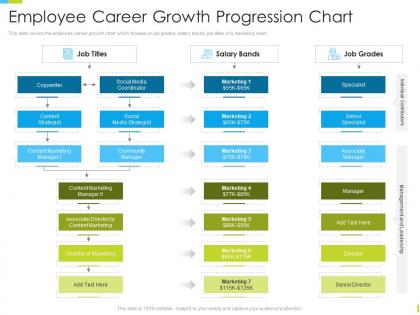
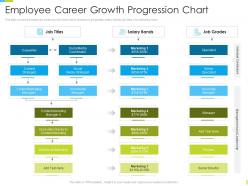
This slide covers the employee career growth chart which focuses on job grades, salary bands, job titles of a marketing team.
People who downloaded this PowerPoint presentation also viewed the following :
Corporate journey employee career growth progression chart ppt powerpoint portfolio with all 2 slides:
Use our Corporate Journey Employee Career Growth Progression Chart Ppt Powerpoint Portfolio to effectively help you save your valuable time. They are readymade to fit into any presentation structure.
FAQs for Corporate journey employee career growth progression chart
Oh man, honestly? Keep learning new skills - both the techy stuff and basic things like not being awkward in meetings lol. Networking inside your company is probably more important than outside it, which took me forever to figure out. Don't just do good work and hope someone notices. You gotta speak up about your wins and volunteer for stuff that gets you in front of the right people. Having your manager actually like you makes everything so much easier too. Sounds obvious but most people skip that part.
Honestly, you can't just look at their current numbers and call it good. Sure, performance matters, but I've watched companies mess this up by promoting their best salespeople who turned out to be terrible managers. Give them some pilot projects first - see how they handle coaching and work with teams. 360 feedback helps too. The thing is, you need multiple snapshots over time, not just that annual review BS. Watch how they tackle stretch assignments and adapt to new challenges. Document everything now so you've got actual evidence when promotion talks happen.
Honestly, get a mentor if you can - it's been a total game-changer for people I know. They'll help you figure out office politics (which is honestly half the battle) and point out blind spots you'd never catch yourself. Mine introduced me to like three key people who ended up being super important for my career moves. The real value though? They tell you what actually works vs what sounds good in theory. Most mentors will also go to bat for you during promotions since they've got skin in the game. Just find someone who's already doing what you want to do.
Honestly, development programs are a game-changer for keeping people around. Your team gets new skills, meets people they wouldn't normally connect with, and suddenly sees career paths they didn't know existed. It's one of those things that actually shows you care about their future - not just what they can do for you right now. When someone goes through training or gets a mentor, they usually come back way more confident about tackling bigger projects. Oh, and they become genuinely more valuable too, which is obvious but worth saying. I'd map out what your people actually want to learn first, then make sure there's real money behind it. Skip the boring generic stuff - nobody remembers those workshops anyway.
Honestly, you can't just sit around waiting for someone to notice you. Talk to your manager about what you actually want - like, have a real conversation about it. Coffee chats with people in other departments are weirdly helpful too. I know it sounds cheesy but people love talking about their work if you ask. Document everything you do well (seriously, write it down somewhere). Take on projects that stretch you beyond your usual stuff. Oh and keep your internal profile updated - I always forget that one. Basically treat your career like you're the CEO of it.
Honestly, just be super specific about what you actually want instead of setting those weird vague goals that go nowhere (learned that the hard way lol). Figure out where you want to be in like 2-3 years, then work backwards. What skills do you need? Connections? Experience? Break the big stuff into quarterly chunks you can actually measure and track. Write it down somewhere you'll see it regularly. Review every few months because things change fast. But here's the key part - tell your manager or find a mentor who can help spot opportunities for you and call you out when you're slacking.
Honestly, company culture makes or breaks your career growth. Some places actually invest in you - they've got mentorship programs, clear promotion paths, the whole thing. Others? You're stuck waiting for someone to retire or leave. The worst managers just hoard good people instead of helping them move up. Ask about career development in interviews - seriously, their answer tells you everything. Look for companies that do internal transfers and have actual criteria for promotions, not just "we'll see how it goes." Trust me, I've seen too many friends get stuck at dead-end places.
Honestly, digital literacy and basic AI skills are huge right now - like just knowing how these tools actually work puts you ahead of most people. Data analysis is another big one. Critical thinking matters more than ever since everything changes so fast now. Oh, and don't sleep on emotional intelligence - workplaces are way more team-focused these days. Remote collaboration skills are pretty much essential too, plus being able to break down complex stuff for people who don't get it. My advice? Pick one tech skill for your industry and get solid at communicating. That combo's money.
Dude, reviews are seriously underrated for career planning. Most people just sit there and zone out (guilty of this myself tbh), but you should totally flip the script. Ask your manager straight up what you'd need to get that next role you want. Figure out where your strengths are and what gaps you need to fill. Don't just nod along - actually take notes and make a real plan with deadlines. I know it sounds obvious, but treat these like strategy sessions instead of just "here's what you did wrong last quarter" meetings. Trust me, being intentional about this stuff makes a huge difference.
Dude, networking is seriously where the magic happens for your career. Most good jobs never even make it to job boards - people hear about stuff through their connections first. Coffee with someone from another department? That could lead to you hearing about openings weeks before anyone else. Plus when promotion time comes around, having people who actually know your work speak up for you is clutch. I used to think it was super fake and gross, but honestly it's just making friends who happen to work in your space. Maybe try one industry meetup this month or something? You don't have to be all salesy about it.
Honestly, start with one department and just document what each role actually requires - skills, experience, all that stuff. Map out the progression from junior to senior to team lead with specific benchmarks people need to hit. Then do regular check-ins about career goals, not just those awkward annual reviews everyone dreads. Oh, and definitely post internal jobs first before going external - why wouldn't you? The whole thing comes down to being transparent about what people need to do to move up. Can't hit a target you can't see, right? Those quarterly career conversations make a huge difference too.
Honestly, there's so much out there it's kinda overwhelming. Coursera for Business and LinkedIn Learning are solid for online courses - your team gets access to thousands. BambooHR or 15Five work well for tracking goals and those awkward career conversations. MentorcliQ does mentoring connections across departments, which I think is actually pretty smart. Pluralsight can spot skill gaps, and Fuel50 maps out career paths (literally shows people where they could go). But here's the thing - check what you already have first. Your HR stack probably has more hidden features than you realize. Save yourself some money before buying new stuff.
Start with making people feel safe to mess up - nobody's gonna take risks if they think you'll throw them under the bus. Actually talk to them about what they want career-wise in your one-on-ones, not just status updates. Most managers totally blow this off, which is honestly crazy to me. Give them challenging projects that match their goals, be real with feedback (good and bad), and hook them up with mentors or training stuff. You can't just save these conversations for annual reviews though. Ask your team what they're actually trying to accomplish this year and work backwards from there.
Ugh, there's so many things that can block you. Leadership might not even know you exist, or the promotion criteria is super vague. You could have skill gaps you don't realize. Office politics are annoying but real, and sometimes it's just crappy timing with budget cuts or restructuring. Here's what helped me though - actually ask your manager what advancement looks like specifically. Write down your wins because people forget. Build connections outside your immediate team too. The biggest mistake? Waiting around for someone to notice you. Figure out how promotions actually work at your company and make sure the right people know you want to move up.
Honestly, investing in your people's growth is one of the smartest moves you can make. Employees stick around way longer when they see real advancement opportunities - makes them feel actually valued, you know? Their skills improve, they're more engaged, productivity goes up. Way better than the nightmare of constantly hiring and training new people (turnover costs are absolutely insane). Oh, and here's the thing - you're building up all that institutional knowledge instead of losing it every few months. Just make career development a regular thing, not some once-a-year box to check.
-
Very unique and reliable designs.
-
Great experience, I would definitely use your services further.
-
Attractive design and informative presentation.
-
Much better than the original! Thanks for the quick turnaround.
-
Informative design.