


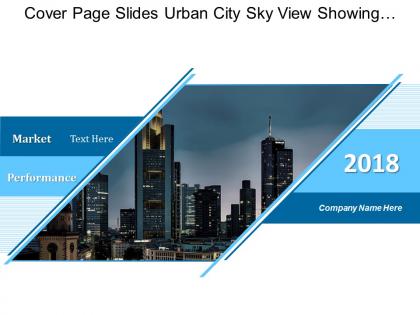
Cover page slides urban city sky view showing market performance




Try Before you Buy Download Free Sample Product
 Impress Your
 Audience
 100%
100% Editable
 Save Hours
 of Time


Guard against errors due to hurried action with our Cover Page Slides Urban City Sky View Showing Market Performance. Be able to curb the impatient.
People who downloaded this PowerPoint presentation also viewed the following :
Cover page slides urban city sky view showing market performance with all 6 slides:
Hail your Country with our Cover Page Slides Urban City Sky View Showing Market Performance. Broadcast all the grand achievements.
FAQs for Cover page slides urban city sky view
So here's what I'd track - population growth and employment rates are obvious starting points. Housing price-to-income ratios matter too, but honestly? Retail vacancy rates tell you way more than all those expensive analytics tools combined. Consumer spending per capita shows if people actually have money to burn. Building permits and transit ridership are solid indicators of where things are heading. Oh, and don't sleep on business formation rates - new companies mean optimism. Transportation connectivity scores help too, though that one's a bit harder to nail down. These eight should give you a pretty decent read on any city's trajectory.
Yeah, demographics definitely change everything about retail. Millennials move in? Boom - suddenly everyone wants meal kits and co-working spaces. Older neighborhoods focus way more on healthcare and convenience stuff. Honestly, the whole "silver economy" thing is kinda wild how big it's gotten. Income shifts are massive too. Gentrification brings in all the premium brands, but when money gets tight, discount stores pop up everywhere. You really gotta check your area's trends every few months though - I learned that the hard way assuming things would stay the same.
Look, tech really is what makes or breaks urban markets now. Digital payments make everything faster, and data analytics helps you figure out what people actually want in your area. Delivery optimization is huge too - especially with city traffic being such a nightmare. Markets without good tech integration just can't compete anymore, which is kinda brutal but true. Smart city stuff also makes it easier for customers to find you. My advice? Figure out what's causing your biggest headaches right now and find the tech that solves those specific problems first. Don't try to do everything at once.
Honestly, start with your POS data and customer surveys - that stuff's pure gold. Track foot traffic patterns and when people actually spend money vs just browsing. Peak hours, seasonal trends, demographics - all that helps you figure out why some locations suck and others don't. The data thing can get pretty overwhelming though, so just focus on what actually affects your revenue. I'd look at customer spending habits to optimize your product mix and staffing. Sounds boring but it works. You'll spot underperforming areas way faster this way.
Ugh, last-mile delivery is such a pain. Traffic screws up your schedules constantly, and finding warehouse space near customers? Good luck with that - rent prices are insane. Urban inventory gets tricky too since people want everything NOW but you can't possibly stock it all close by. Micro-fulfillment centers help a ton though. I'd definitely look into partnering with local delivery guys who actually know the neighborhoods. Way easier than trying to figure out every street yourself.
Honestly, regulations are what'll make or break you in urban markets. Zoning laws decide if you can even be there. Permits control vendor licenses, food safety - basically everything. Then you've got noise rules, parking restrictions, waste disposal stuff that hits your foot traffic and costs hard. Some cities totally get it and make the process smooth, others are a nightmare (looking at you, certain unnamed municipalities). Start with your city's website but definitely talk to vendors already doing it - they'll tell you which rules actually get enforced versus the ones that just exist on paper.
Dude, urban consumers are totally into sustainability right now. They'll literally pay more for eco-friendly stuff. City people see trash and smog everywhere, so they actually care about this stuff way more than suburban shoppers. Look for products with local sourcing and minimal packaging - that's what they want. Oh, and don't try any fake green marketing because they'll call you out instantly. I'd focus on real sustainability practices in your messaging. Maybe team up with local suppliers too? Urban folks love that whole "support local businesses" thing. It's honestly become a pretty big deal in these markets.
Go hyper-local, honestly. Partner with nearby businesses and sponsor neighborhood stuff - word spreads crazy fast in dense areas. Pop-ups are gold because city people love finding cool new things close to home. Get on social platforms where locals actually spend time, not just the obvious ones. Your online presence should feel like it belongs there - use local references and culture. Oh, and map out the different micro-communities first since every few blocks can be totally different vibes. I swear neighborhood targeting beats broad city-wide campaigns every time.
Honestly, urban markets move crazy fast with cultural stuff. Plant-based everything, sustainable fashion - it all starts there first. City people jump on trends early then everyone else follows. Social media makes it spread like wildfire too. You gotta stay plugged in though - check what people are posting in local Facebook groups, see what's popping up in trendy neighborhoods. I always tell people to actually walk around different areas and notice what younger crowds are into. Demographics matter but so does just... paying attention to the vibe, you know? Follow some local influencers too - they usually spot things before they blow up.
Yeah, so gentrification usually pumps up property values and brings in new businesses short-term. Higher-income people move in, spend more money, retailers follow the cash. But it can backfire later - you lose that authentic vibe that made the area cool in the first place, plus locals get priced out and sometimes push back hard. Honestly, I've seen neighborhoods completely flip their character in like 2 years. Watch how fast things are changing and think about whether your customers can actually afford to stick around. Those demographic shifts hit way faster than most people expect.
Honestly, transport connections are everything for local markets. Good bus routes or subway stops? Your customer base explodes because people can actually get there without breaking the bank. But crappy transport means you're stuck with whoever lives nearby - and that's usually not many people in cities. I always check the transport map first when I'm looking at market potential. Sounds nerdy but it predicts success better than most other stuff. Better connections mean more foot traffic, more vendors show up, and the whole economic thing just works better. Walking distance only gets you so far, you know?
Online shopping is crushing regular stores, no joke. Foot traffic's way down and vacancy rates are climbing in most shopping areas. But some places are figuring it out - they're turning into experience spots or pickup locations instead of just trying to compete on price. Pop-ups, showrooms, that kind of thing. Honestly, traditional retail that hasn't changed is getting demolished. If you're thinking about retail investment, go for spots that can't be replicated online. Community feel, convenience, or something you actually need to touch before buying. That's where the money is now.
Start with cheap vendor fees - otherwise only fancy businesses can afford it. Host stuff beyond just buying things, like cooking demos or live music from local artists. Partner with schools nearby too. Survey people first about what they actually want! Markets can turn into those boring gentrified food courts super fast if you're not careful. The whole point should be making it feel like the neighborhood's weekly hangout spot. Oh, and make sure it reflects what the community's actually like, not what some developer thinks looks trendy. People can tell the difference.
Dude, urban markets are wild right now. Small local players are using tech to go head-to-head with the big guys - like ghost kitchens totally messing with traditional restaurants, or neighborhood delivery apps taking on Amazon. Consumer loyalty? It's all over the place since the pandemic got people exploring their own neighborhoods more. Sustainability actually matters now too, not just the fake green-washing stuff. Honestly, I've been seeing it everywhere in my area. If you're watching any city market, keep an eye on these scrappy little competitors. They're the ones flipping entire industries upside down.
Honestly, you've gotta think beyond just selling stuff - make it an experience people actually want to hang out at. Food halls are killing it right now because they're part restaurant, part adventure. Try adding cooking demos or live music, maybe some popup workshops? The community vibe is huge since Amazon obviously can't replicate that. Set up some Instagram-worthy spots (ugh, I hate that this matters but it does), get vendors doing samples and mini-experiences at their booths. Host events too. Basically make it feel like a fun outing instead of just another chore on their weekend list.
-
Helpful product design for delivering presentation.
-
Professional and unique presentations.