

Creating Hr Strategy For Your Organization Organizational Design Models And Types Complete Deck





Try Before you Buy Download Free Sample Product
 Impress Your
 Audience
 100%
100% Editable
 Save Hours
 of Time


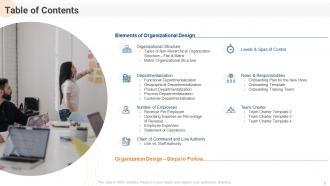
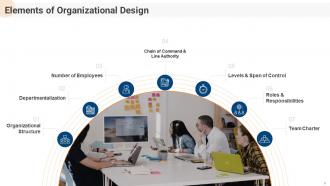
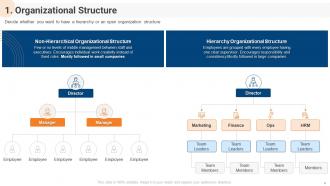
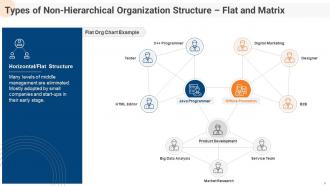
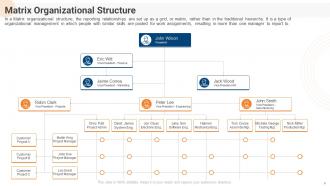
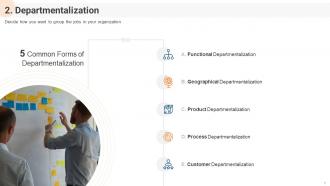
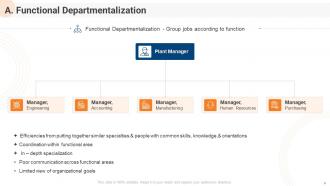
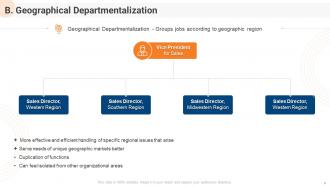
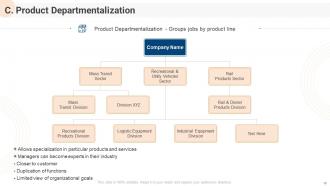
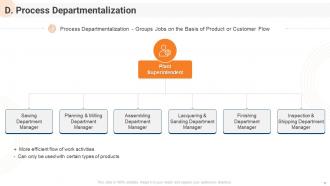
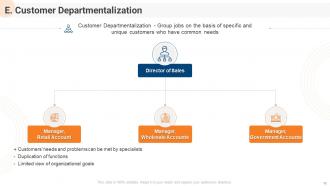
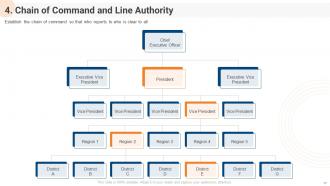
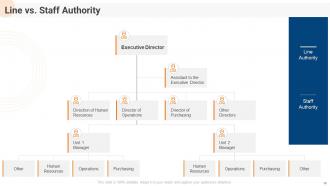
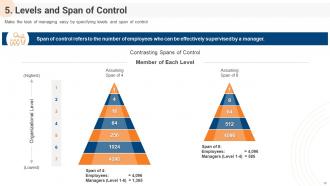
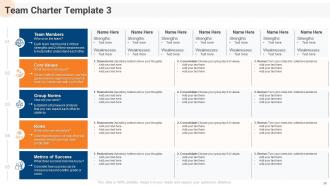
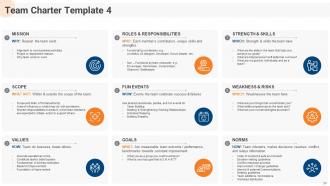
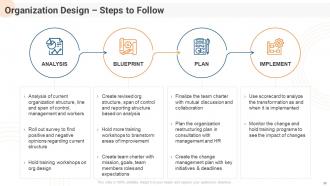
The right organization structure is necessary for smooth flow of work. The wrong structure can create friction and chaos. Deciding your organization design is very important. Access our extensively researched HR Strategy- Organization Design, Models & Types to get a better understanding of different types of org design and choosing the right one depending on your industry and employee strength. If you are a small company, non-hierarchical structure might be best with few or no levels of middle management between staff and executives. This encourages individual work creativity instead of fixed roles. If you are a large organization, a hierarchical structure that fixes responsibility and chain of command is a better proposition. Also learn about flat organization structure and matrix organization structure and their strengths. Figure out the right form of departmentalization that your company should carry out to group similar jobs and functions. Get complete knowledge of chain of command, line authority, staff authority, levels and span of control and their role in creating the best organization design. HR professionals must have complete knowledge of these concepts so that they can play an instrumental role in giving the right structure to organization and carry out daily activities smoothly and efficiently.
People who downloaded this PowerPoint presentation also viewed the following :
Creating Hr Strategy For Your Organization Organizational Design Models And Types Complete Deck with all 46 slides:
Our Creating Hr Strategy For Your Organization Organizational Design Models And Types Complete Deck are addictive. Very soon your thoughts will get hooked on them.

FAQs for Creating Hr Strategy For Your Organization Organizational Design Models And
Okay so you need the basics covered: hiring good people and keeping them, managing performance, developing your team, and getting compensation right. That's like 80% of it right there. Everything should tie back to what your business actually needs - I know that sounds obvious but so many companies mess this up. Build a decent culture too, and track your data so you know what's working. Honestly? Just figure out where you suck the most first, then tackle those gaps. Don't try to fix everything at once or you'll burn out.
Dude, first figure out what your company's actually trying to do - growth mode? Cutting budgets? New markets? Then connect your HR stuff directly to that. Like if they're all about innovation, hire creative people and build programs that get employees thinking differently. I swear, most HR teams just copy what everyone else does without thinking it through. Your metrics should track real business impact, not just how many trainings you ran or whatever. Oh and definitely stay in touch with leadership regularly because priorities change fast and you don't want to be working on the wrong things.
Yeah, you can't really build an HR strategy anymore without thinking about your tech stack first. AI is huge for recruiting right now, and analytics platforms will show you what's actually happening with your workforce. Plus all those employee experience tools - though honestly, there's almost too many options out there now! The trick is matching your tech investments to real business problems, not just buying whatever's trendy. I'd start by looking at what you already have. Figure out where you're struggling most. Then find specific tools that fix those exact issues.
Honestly, data analytics is like having a crystal ball for HR decisions - but one that actually works. You know those endless meetings where everyone's throwing around theories about why people keep quitting? Skip the drama and look at the actual numbers instead. Track stuff like how well your recruiting is going or if people are actually engaged (spoiler: they probably aren't). The cool thing is you can catch problems before they blow up and see if your programs are worth the money you're spending. My advice? Don't overthink it. Pick one thing you're curious about and start there.
Honestly, start building your talent pipeline way before you're scrambling to fill spots. Make sure your company doesn't look like garbage online - check those employee reviews! I've watched so many places wonder why nobody good applies when their Glassdoor is a disaster. Track where your best people actually come from. Maybe it's referrals, maybe LinkedIn, whatever. Speed matters too - good candidates disappear fast if you drag your feet on interviews. Oh, and map out hiring needs every quarter instead of reacting. Sounds boring but it works.
Don't just slap D&I onto existing processes - weave it through everything from job posts to promotions. Diverse hiring panels are huge, and make your promotion criteria crystal clear so there's no favoritism bs. Training's fine but honestly? Worthless if leadership doesn't actually care or face consequences. Give your employee resource groups real budgets, not just bagels and feel-good meetings. You've gotta track the numbers obsessively - who's getting promoted, pay gaps, retention rates broken down by demographics. The magic happens when leaders get judged on D&I metrics just like their sales numbers.
Honestly, I'd focus on both the predictive stuff and what's already happening. Employee engagement scores are huge - they basically tell you everything else before it happens. Track retention rates, how long it takes to fill positions, and internal promotions too. Absenteeism and performance reviews matter, plus training ROI if you're doing any development programs. The real magic happens when you connect these back to business results though. Like does better retention actually improve customer satisfaction? Pick maybe 5-7 that match your company's priorities and check them monthly. Don't go overboard with too many metrics.
Honestly, three things make the biggest difference: talk to people regularly, show them growth paths, and actually recognize their work. Your managers should be doing one-on-ones that aren't just performance stuff - real conversations about what people want and what's blocking them. Career development paths need to be visible, not some mystery. And here's the thing - a genuine "thanks, you killed it on that project" goes way further than most people realize. Oh, and create ways for employees to give input on decisions that affect them. Nothing beats feeling like your voice actually matters in how things run.
Honestly, the worst part is dealing with people who just don't want things to change. Leadership might not back you up, or employees dig their heels in because they're used to the old way. Communication gets messy too - if people don't understand WHY you're changing things, they'll resist even harder. Budget and time constraints will kill you if you're not careful. Oh, and without good metrics, you're basically guessing if anything's actually working. Start with small pilot programs first though - get a few quick wins under your belt before trying to change everything at once.
Honestly, you've got to figure out what your people actually want first. Survey them regularly - and seriously, don't skip the exit interviews because that's where they'll tell you the brutal truth. Maybe they want hybrid work, better benefits, or just different career growth options. Once you know, start tweaking your policies. Experiment with stuff! Don't wait around for your annual review cycle either because things move way too fast now. I learned this the hard way at my last job - we were always behind the curve. Stay flexible and be ready to pivot when something isn't working.
Dude, feedback is like your cheat code for HR decisions. People will tell you what's really broken - bad managers, pay issues, toxic culture stuff that formal surveys totally miss. I've seen companies completely change direction just from random conversations with employees. Set up different ways for people to talk - quick polls, exit interviews, those skip-level chats where they can bypass their boss. Oh, and anonymous boxes still work surprisingly well. But here's the thing - you gotta actually DO something with what they tell you. Otherwise they'll just stop bothering to share anything real.
Look, most companies totally mess this up by treating succession planning like some annual HR box to check. Don't do that. Instead, weave it into your regular talent stuff - performance reviews, career chats, mentoring programs. Spot your critical roles and high-potential people during those conversations. Then build development paths that actually match where your business is headed. Track progress every quarter (not just yearly) and pivot when things change. Oh, and here's the thing - focus on developing talent, not just finding replacements. That mindset shift makes all the difference.
Honestly, you've gotta build compliance right into your HR plan from the start - can't just slap it on later. Cover the basics: equal opportunity stuff, wage/hour rules, safety standards, data privacy. State laws are usually tougher than federal ones and they'll absolutely bite you if you're not paying attention. Immigration compliance for hiring is huge too. Union stuff and whistleblower protections matter depending on your industry. Oh, and loop your legal team in early when you're planning new initiatives. Trust me, fixing compliance disasters after the fact costs way more than doing it right upfront.
Flexible work setups and mental health resources are huge wins. Also, boundaries around after-hours emails – people shouldn't feel chained to their phones at 9pm. Skip the pizza parties (seriously, we're past that) and go for wellness programs or paid mental health days instead. No-meeting Fridays work great too, though some teams resist it at first. Train managers to actually spot burnout signs during regular check-ins. Most important thing? Track what matters – employee satisfaction and turnover rates will tell you if your initiatives are working or just collecting dust.
Honestly, ditch those long training sessions - nobody pays attention anyway. Microlearning works so much better, like bite-sized stuff people can actually absorb. You could try reverse mentoring too where the younger folks teach tech skills to senior people. Cross-department shadowing breaks down those annoying silos. I know gamification sounds super cheesy with badges and all that, but people surprisingly get into it. VR training's getting cheaper for hands-on skills. The trick is keeping it relevant to what they're dealing with daily, not just compliance crap. Start small with one pilot and see what sticks.
No Reviews