


Credit Analysis Process Powerpoint Ppt Template Bundles




Try Before you Buy Download Free Sample Product
 Impress Your
 Audience
 100%
100% Editable
 Save Hours
 of Time


Introducing our comprehensive PowerPoint presentation PPT on Digital Risk. This dynamic deck is tailored to equip businesses with the knowledge and strategies to navigate the complex landscape of Digital Risk Management, Cyber Risk, and Cyber Security. Dive into the intricacies of Online Security Management, uncovering effective Risk Mitigation Strategies to safeguard your organizations digital assets. With real world Digital Risk Use Cases, this presentation provides valuable insights to identify and respond to potential threats proactively. Stay ahead of cyber adversaries with this informative resource, empowering you to fortify your defenses and ensure a resilient digital infrastructure. Enhance your organizations security posture and embrace the digital age confidently with this essential PPT.
People who downloaded this PowerPoint presentation also viewed the following :
Credit Analysis Process Powerpoint Ppt Template Bundles with all 25 slides:
Use our Credit Analysis Process Powerpoint Ppt Template Bundles to effectively help you save your valuable time. They are readymade to fit into any presentation structure.






FAQs for Credit Analysis Process Powerpoint
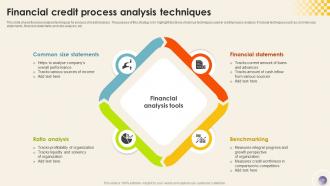
Look at their financials first - liquidity ratios, debt coverage, all that fun stuff. That's where you'll spot trouble early. Cash flow assessment is huge too. Then dig into their industry position and how market changes could mess with their ability to pay you back. Honestly, don't ignore the management side either. I know it sounds soft, but leadership quality and their strategic vision can make or break things. Their track record tells you a lot. Start with the hard numbers since they're easier to analyze, then add the qualitative pieces. Pretty much covers financial statements, market eval, and management review - the whole package.
Creditworthiness is literally the make-or-break factor for any loan decision. You're digging into their credit score, payment history, debt-to-income ratio - basically figuring out if they'll actually pay you back. Good credit gets them sweet rates and higher amounts. Bad credit? Either you pass or charge them through the nose to cover your risk. I always think it's kinda like judging someone's character through numbers, which feels weird but works. Just make sure you document why you made whatever call you did - auditors love that stuff.
Credit scores are your starting point - they show payment history, debt levels, and credit mix at a glance. Pretty handy for deciding who's worth your time. But don't stop there. Scores only look backward and miss huge context like recent income changes or what's happening in their industry. I always use the score to sort my pipeline first. Then dig into the actual credit report and financials to see what's really going on. That's where you'll find out if someone's trending up or about to hit a wall.
So basically, financial ratios let you peek at how healthy a borrower's finances really are. Check their liquidity ratios first - can they actually pay their bills? Then look at debt ratios to see if they're drowning in what they owe. Profitability stuff matters too, obviously. Coverage ratios are honestly my favorite though - they show if cash flow can handle those debt payments. Oh, and compare everything to industry averages because what looks bad might actually be normal for that sector. Ratios aren't perfect but they'll definitely flag the sketchy situations worth digging into.
Get their financial statements from the last 3-5 years - audited is better but you take what you can get. Pull credit reports from all three bureaus and grab some industry benchmarks so you know if they're actually decent compared to competitors. Tax returns and bank statements are must-haves too. Oh, and check any existing loan covenants they might have. The thing is, you can't just trust one source because honestly? Companies get pretty creative with their numbers sometimes. Business plan and management bios help if it's commercial. Always cross-check everything and don't be shy about asking when stuff looks weird.
Honestly, once a year is the absolute minimum - but that's pretty lazy if we're being real. I'd do quarterly checks for anything risky or in sketchy industries. Don't wait around if you notice big changes though. Customer expanding rapidly? New owners? Their whole sector getting disrupted? Jump on those reviews right away. Better to catch problems early than scramble later. Set those calendar reminders so you don't forget, and mark which accounts need extra attention based on how much they worry you.
So basically, personal credit is all about YOU - your income, how much debt you're carrying, your credit score, that stuff. Business credit? Way more complicated. They're digging into the company's financials, cash flow, what industry you're in (some are riskier than others, obviously). With personal loans they just want to know if you can handle the payments based on your salary. Business side requires a ton more paperwork - like, seriously so much documentation. Plus it takes forever to get approved. Sometimes they'll even want personal guarantees from the owners too, which kinda defeats the purpose if you ask me.
Dude, economic conditions totally change how you should look at credit stuff. Strong economy? Borrowers usually have decent cash flow and won't default as much. But when things get sketchy, you've got to stress-test everything way harder. Interest rates mess with refinancing too - something I learned the hard way once. Industry cycles are huge here. What seems solid during good times might completely tank in a recession. You can't just analyze this stuff in a bubble, you know? Always check where the economy's at and adjust your risk thinking accordingly.
Dude, management quality is HUGE for credit analysis - honestly can't stress this enough. Look at their track record and how they handle big decisions. I've watched companies with decent numbers completely implode because leadership made terrible calls (especially those crazy overleveraged buyouts). Check out their bios, recent strategic moves, and listen to earnings calls for red flags. Do they actually know the industry? Are they transparent or sketchy when talking to investors? Poor governance and weak crisis management = way higher default risk, even if the balance sheet looks okay on paper.
You'll definitely need Excel - that's non-negotiable. Bloomberg Terminal is huge for market data, plus platforms like Moody's Analytics or S&P Capital IQ. Credit scoring software varies but FICO's common, though honestly every company has their own weird internal systems too. Loan origination platforms and risk management tools tie everything together. Oh, and you'll probably spend way too much time figuring out whatever proprietary software they've decided to use. Start with Excel since it's your bread and butter. Then learn the specialized stuff as you go - no point stressing about tools you might not even use.
Look at debt-to-income first - that's your best bet for spotting trouble. Anything over 40% is sketchy territory. Credit scores matter too, but don't just glance at the number. What's actually tanking it? Payment history is where you'll see the real patterns, especially recent late payments. I always check employment stuff too because job hopping can be a warning sign. Cash flow analysis helps if you're dealing with business loans. Honestly, these basics will catch most of the disasters before they happen. Start there and you'll be solid.
Think of collateral as your backup plan when someone can't pay back a loan. Real estate's your best bet - super reliable. But inventory and equipment work too, just harder to sell fast if things go sideways. Get a proper appraisal though, don't just trust what they tell you it's worth (learned that one the hard way). Make sure whatever they're offering actually covers what you're lending after stuff loses value over time. Documentation matters big time here. Short version: you want something you can actually grab and sell if they bail on you.
So basically, you gotta look at what makes each industry tick - healthcare deals with regulatory headaches, mining companies get hammered by commodity prices, that kind of stuff. I usually dive into trade publications first (way better than mainstream financial news tbh). Figure out the cyclical patterns and how companies typically perform during rough patches. Compare your borrower's numbers against industry benchmarks and competitors. The real trick is spotting which risks actually matter for their specific business model. Like, does management have a solid plan when things go south? That's what separates the good credits from the disasters.
So compliance basically means tons more paperwork and following strict rules like Basel III. You'll have to document everything and keep detailed audit trails - honestly such a headache but it does make you more consistent. Your risk models have to meet their standards too. Plus they dictate capital ratios and stress testing that affects every credit decision you make. Oh, and build those compliance checks right into your process from day one. Trust me, trying to add them later is way worse than just dealing with it upfront.
Honestly, the biggest thing is avoiding bias - you can't let race, gender, religion, any of that stuff influence your decisions. Just stick to the actual creditworthiness. Confidentiality matters too, obviously keep borrower info locked down. You'll probably get pressure to approve sketchy loans sometimes, especially from big clients who bring in tons of money. Don't cave though. Oh and make sure you're not analyzing deals where you have skin in the game - that's just asking for trouble. Document everything clearly so you can show you're applying the same standards across the board.
-
“Easy to use. I always wanted to have a quick search for products and SlideTeam has helped me have it.”
-
“Immediate response, professional support, and effective solutions that were customized and immediately provided. Well done- Thank you!”