


Credit Management Powerpoint Ppt Template Bundles





Try Before you Buy Download Free Sample Product
 Impress Your
 Audience
 100%
100% Editable
 Save Hours
 of Time


Our Credit Management Powerpoint Ppt Template Bundles are topically designed to provide an attractive backdrop to any subject. Use them to look like a presentation pro.
People who downloaded this PowerPoint presentation also viewed the following :
Credit Management Powerpoint Ppt Template Bundles with all 31 slides:
Use our Credit Management Powerpoint Ppt Template Bundles to effectively help you save your valuable time. They are readymade to fit into any presentation structure.










FAQs for Credit Management Powerpoint
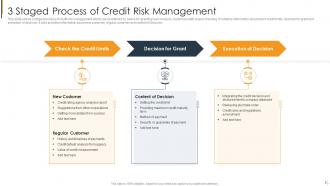
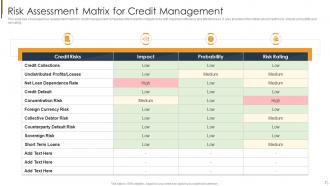
Hey! So you need four main things: clear credit policies, good customer screening, regular monitoring, and decent collection processes. Set credit limits based on actual risk assessment - don't just wing it. Aging reports are your best friend here, trust me on that one. Late payments will blindside you if you're not tracking them weekly. Do regular credit reviews to catch problems early. Oh, and have a solid follow-up system for overdue accounts. That keeps your cash flow from going to hell. Make sure everyone on your team actually knows the policies too, otherwise you'll get random credit decisions all over the place.
Pull credit reports from Experian or Dun & Bradstreet first - payment history tells you everything. Their financial statements matter too, especially cash flow stuff. But honestly? Trade references are where the real intel is. Way better than formal reports because you're hearing how they actually pay bills day-to-day. Check how long they've been around and what's normal for their industry - some sectors are just slower payers, that's life. Set up some kind of scoring system so you're not winging it each time. Oh, and their balance sheets will show if they're drowning in debt or doing okay financially.
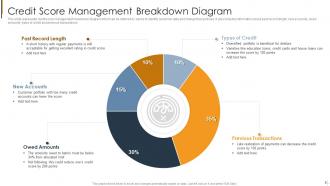
So here's the deal - lenders look at your credit score first to see if you're risky or not. It shows how you've paid stuff back before. Good score? You'll get sweet interest rates and better loan terms. Bad score means you're stuck with crappy rates, or they might just say no entirely. Some banks are super picky about their minimum numbers too, which is honestly annoying. Oh, and definitely check your score before you apply for anything - that way you won't be surprised when they come back with whatever offer they give you.
First thing - get a good credit check system going. Look at their credit scores, financials, payment history before you give anyone credit. Start with lower limits until you know they're solid. Stay on top of your receivables religiously. Seriously, call people the day they're late - I know it feels awkward but it works. For sketchy accounts, ask for deposits upfront. Review credit limits every few months so you catch problems early. The key is having clear policies and actually following them, not just writing them down and forgetting about them.
First thing - nail down your payment terms and credit limits. Get solid criteria for checking creditworthiness too (credit reports, financials, references). I know it's boring as hell, but trust me on this one. Document everything so your team stays consistent. Review credit limits regularly based on how customers actually pay. The big mistake? Writing policies but never enforcing them. Customers will test you constantly. If you cave every time they complain, your policy's basically worthless. Train your people well and stick to your guns when push comes to shove.
Hey! So credit management gets so much easier with the right tech. Start with automated payment reminders - seriously saves tons of time. AI scoring tools are pretty solid now, they look at way more data points than old-school methods. Real-time dashboards help you catch problems early (though sometimes I think we rely on them too much, but whatever). Your accounting integration eliminates those annoying manual entry mistakes. Predictive analytics will show you which customers might bail before they actually do. I'd honestly focus on automating follow-ups first since that's where you'll see the biggest impact right away.
Yeah, economic shifts totally mess with your credit game. Strong economy? You can loosen up on limits and approvals since people actually pay back their loans. But once things go south - inflation, recession, whatever - tighten everything immediately. 2020 taught me that lesson when our entire risk model became useless overnight, honestly such a nightmare. Watch unemployment rates, interest rates, how much people are spending. Don't wait for your yearly review either. Check your policies every quarter or you'll get burned.
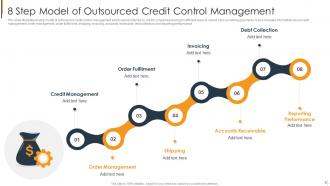
Get a collections policy down and actually follow it - hit them at 30, 60, 90 days overdue. Friendly emails first, then pick up the phone (ugh, I hate those calls but they actually work), then send formal demand letters. Write everything down. Payment plans can save relationships before things get messy. Once you're past 120 days though? Either send it to collections or just write it off. Seriously, don't waste time chasing someone forever - pick your battles and stick to whatever cutoff you set.
Look, fair debt collection practices are where most businesses screw up big time. The Fair Debt Collection Practices Act is super strict about contacting customers for overdue payments. Don't forget equal credit opportunity laws - discrimination in credit decisions will bite you. Privacy regs are a nightmare since you're dealing with financial data. Rules change constantly and every state's different, which honestly makes my head spin. Get your legal team checking credit policies yearly. Train collections staff properly or you're asking for trouble.
Honestly, just be upfront about your credit rules from day one. Set limits that won't wreck your cash flow and tell customers exactly what they are. Consistency is huge here - I made exceptions before and it totally backslashed on me later. Your best clients? Yeah, you can work with them when they're struggling. Payment plans, extended terms, whatever. But write it all down and stick to deadlines. Track everything obsessively. Seriously, catch problems early before they get messy. Quick check-ins keep relationships solid while covering your ass.
Start with DSO - that's your main indicator for collection speed. Run aging reports monthly to spot troublemakers before they get worse. Collection effectiveness index shows how much you're actually recovering (surprisingly eye-opening metric). Bad debt write-offs as a percentage of sales matters too, obviously nobody wants those surprises at month-end. Customer payment patterns help predict future issues, and dispute resolution times tell you if your process is working. Honestly, if you just pull DSO weekly and aging monthly, you'll catch most problems early. Those two will give you a decent read on everything.
Yeah, training definitely helps with credit stuff. Your team will catch red flags way faster once they know what to look for. I'd focus on financial statement analysis and industry risks - maybe some regulatory updates too since that's always changing. Most mistakes happen when people miss those subtle warning signs that good training would've prevented. Role-playing scenarios work really well because you get the practice without actual consequences. Oh, and make it regular, not just once and done. Figure out where your team struggles most and build around that.
Honestly, most people mess up by not being clear about payment terms from day one. Skip the credit checks and you're asking for trouble. I've seen so many small businesses just assume everyone will pay on time - which is pretty naive if you ask me. Don't spread yourself too thin by giving credit to everyone either. Monitor your receivables regularly instead of crossing your fingers. Set up some basic tracking system and chase down late payments within 30 days. Sounds boring but it'll save your cash flow.
You can predict who's gonna default before they even know it themselves - that's the real game changer. Machine learning spots payment patterns way better than any manual review could. Real-time dashboards show your portfolio health instantly, plus automated scoring for new apps saves tons of time. I'd honestly start with basic credit scoring first since even simple analytics crushes going off intuition. You'll catch risks early and adjust credit limits before things go sideways. The trend analysis stuff is particularly useful for staying ahead of problems.
Honestly, credit reviews saved my butt so many times. They're like a heads-up before customers totally tank your cash flow. I had this one client who went from solid to sketchy over like 3 months - wish I'd caught it sooner! You can spot the warning signs early and actually do something about it. Tighten their terms, drop their limit, whatever. Monthly reviews work best for me, though quarterly's fine if you're swamped. Don't wait until they're already behind - that's when your options get real limited. Set those calendar reminders today.
-
“One of the best experiences with SlideTeam for my presentation.Everything on time, communication is efficient and price is reasonable. All good in one place.”
-
Eye-catching PPT designs, outstanding team, and best customer service. I’m a super satisfied customer here!